Why Moczadło Nature Reserve stands out
Moczadło is best known among ecologists and conservationists as one of the best-preserved Lobelia lakes in Poland. Lake Moczadło is exceptionally clear and chemically poor, a defining feature of oligotrophic lakes where inflated peat bogs, sandy glacial substrate, and clean groundwater combine to produce very low nutrient and mineral content. Equally important to the reserve's identity is its suite of rare aquatic and shoreline plants. The lake supports healthy populations of water lobelia (Lobelia dortmanna), lake quillwort, and floating water-plantain, while its shores harbor sundews, Lycopodiella, and white beak-sedge. Together, these species define the reserve's distinctive ecological signature and make it a small but valuable reference site for the conservation of softwater lake habitats in the Polish lowlands.
Moczadło Nature Reserve history and protected-area timeline
The Moczadło Nature Reserve was established relatively recently, on 26 January 2011, through an order issued by the Regional Director for Environmental Protection in Gdańsk (Zarządzenie 26/2010), dated 8 December 2010 and published in the official gazette of the Pomeranian Voivodeship.
The reserve's designation reflects a growing awareness in Poland of the conservation value of oligotrophic lakes and Lobelia lake habitats, which have become increasingly rare as European freshwater systems face acidification, nutrient loading, and shoreline alteration. By formally protecting Lake Moczadło, its vegetation, and the associated rare species, the order placed the area under the framework of national nature reserve protection, while the reserve's location inside the Zaborski Landscape Park provided additional landscape-level safeguards.
Although administratively young, the reserve's creation builds on a longer tradition of regional landscape and forest management in the Bory Tucholskie region, where forest administrations such as Rytel have long managed forests around lakes and peatlands. The 2011 designation effectively elevated an already ecologically valuable lake area to formal nature reserve status, ensuring that its waters, shoreline, and rare biota are protected in perpetuity.
Moczadło Nature Reserve landscape and geographic character
The landscape of the Moczadło Nature Reserve is defined by its small, clear lake and the surrounding forests and peat-forming shorelines characteristic of the Bory Tucholskie region. The terrain reflects the post-glacial origins of northern Poland, where the retreat of the ice sheet left behind a gentle plain studded with lakes, peat bogs, and sandy outwash surfaces. Lake Moczadło sits within this lowland setting, reaching depths of only around 11 meters and occupying a modest surface of approximately 4.5 hectares.
Around the lake, the protection of the reserve extends to forest divisions belonging to the Klosnowo forest district of the Rytel Forest Administration, integrating the water body into a wooded matrix of pine-dominated forests typical of the Zaborski Landscape Park. The combination of acidic, nutrient-poor soils, sandy substrates, and groundwater-fed hydrology produces the conditions necessary for the lake's exceptional clarity and its specialized vegetation.
The shoreline itself plays an important landscape role. Soft, peat-influenced margins transition between open water and adjacent forest and bog communities, creating the narrow, sensitive zone that hosts many of the reserve's rare plant species. Although compact in scale, the Moczadło reserve captures a representative cross-section of the larger Bory Tucholskie lake-peatland landscape.
Moczadło Nature Reserve ecosystems, habitats, and plant life
Ecologically, the Moczadło Nature Reserve is built around a very specific freshwater habitat type: the oligotrophic Lobelia lake. Such lakes form in geologically young, sandy landscapes where acidic, calcium-poor groundwater and low nutrient availability create the conditions for exceptionally clear water and a distinctive suite of aquatic and shoreline plants. Lake Moczadło is recognized for being one of the best-preserved examples of this habitat in Poland.
The aquatic vegetation of the lake is exceptionally rich for its size. Submerged populations of Lobelia dortmanna, lake quillwort (Isoëtes lacustris), and floating water-plantain (Luronium natans) thrive in the clear, nutrient-poor water. These species are highly sensitive to nutrient enrichment and acidification shifts, so their continued presence is a strong indicator of the lake's intact ecological condition.
Along the shoreline, the reserve protects an important transitional zone where open water meets peat-influenced margins. Here, sundews such as Drosera intermedia, Lycopodiella inundata, and Rhynchospora alba contribute to plant communities typical of bog-lake interfaces. Combined with surrounding pine forest, this creates a finely balanced ecological mosaic that includes aquatic, peatland, and forest habitats within a very small spatial footprint.
Moczadło Nature Reserve wildlife and species highlights
While the Moczadło Nature Reserve is primarily recognized for its botanical and freshwater habitat values, its protected status extends to the animal life associated with the lake and its shoreline environment. The combination of clear, oligotrophic water and intact peatland margins creates habitat conditions suitable for a range of invertebrates and aquatic species that are themselves specialists of low-nutrient freshwater systems.
The reserve's ecological framework preserves the broader food web that depends on these plants and habitats, including the macroinvertebrates that inhabit Lobelia lake littoral zones and the fish communities adapted to clear, well-oxygenated, mineral-poor waters. Although the available source material does not enumerate specific animal species in detail, the formal protection order explicitly cites rare animal species alongside rare plants as a reason for establishing the reserve, recognizing the lake and its surroundings as a coherent ecological unit.
In the broader landscape context of the Zaborski Landscape Park, the reserve contributes to a larger network of habitats that supports wetland-dependent birdlife and other fauna, even though the small, lake-centered area of the reserve itself is not primarily managed as a wildlife sanctuary.
Moczadło Nature Reserve conservation status and protection priorities
The conservation significance of the Moczadło Nature Reserve centers on its role in protecting one of the best-preserved Lobelia lakes in Poland. Oligotrophic lakes and their associated plant communities have become rare across much of Europe, as acidification, atmospheric deposition, nutrient enrichment, and shoreline modification have degraded similar water bodies in many regions. By protecting Lake Moczadło in its natural state, the reserve contributes directly to the safeguarding of an internationally recognized freshwater habitat type.
Its protection is reinforced by its location within the Zaborski Landscape Park, which provides surrounding landscape-level protection across a broader mosaic of pine forest, peatland, and lakes. The reserve's designation under the Polish water reserve category, with the biocenotic and physico-cenotic type and a subtype focused on natural and semi-natural biocoenoses of oligotrophic lakes, reflects a clear conservation focus on maintaining the ecological integrity of the lake ecosystem rather than protecting a single element of it.
By preserving both rare aquatic species such as Lobelia dortmanna and shoreline bog plants such as Drosera intermedia and Rhynchospora alba, the reserve maintains the small-scale ecological processes and habitat conditions that sustain this particular freshwater system. As such, Moczadło functions as a reference site and a small but meaningful node within the broader conservation strategy for the Bory Tucholskie lake landscape.
Moczadło Nature Reserve cultural meaning and human context
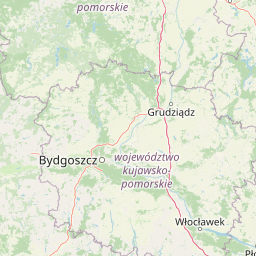
The Moczadło Nature Reserve lies in a region with a long cultural association with forest and lake landscapes. The Bory Tucholskie area of northern Poland has historically supported forestry, small-scale fishing, and dispersed rural settlements that have coexisted with extensive pine forests and post-glacial lake systems. The reserve's location near the village of Męcikał reflects this settlement pattern, in which small villages are embedded in landscapes defined more by forest and water than by farmland.
The reserve falls under the management framework of the Rytel Forest Administration, an institution rooted in the region's deep tradition of organized forest management. While the reserve itself is a relatively recent designation from 2011, the surrounding landscape carries a longer heritage of human interaction with the Bory Tucholskie environment. The reserve's protection can therefore be understood within a broader regional context of balancing human use of the land with conservation of its distinctive lake and forest ecosystems.
Top sights and standout views in Moczadło Nature Reserve
The standout feature of the Moczadło Nature Reserve is Lake Moczadło itself, a small but exceptionally preserved oligotrophic lake recognized as one of the best examples of a Lobelia lake in Poland. Its clear, calcium-poor waters support strong populations of specialist aquatic plants such as Lobelia dortmanna, Isoëtes lacustris, and Luronium natans, species that are highly sensitive to environmental change and that define the reserve's ecological identity.
A second highlight is the reserve's shoreline habitat, where bog-margin species including Drosera intermedia, Lycopodiella inundata, and Rhynchospora alba enrich the narrow transitional zone between open water and surrounding pine forest. The integration of the lake and its shoreline into the larger forested landscape of the Zaborski Landscape Park gives the reserve added context, anchoring it within a wider mosaic of lake, peatland, and forest habitats in the Bory Tucholskie region.
Best time to visit Moczadło Nature Reserve
As a lake-focused nature reserve with sensitive aquatic and peatland vegetation, Moczadło is best appreciated during the warmer months of late spring through early autumn, when conditions are most favorable for observing the shoreline plant communities and experiencing the lake's clear waters at their most biologically active. Late spring and early summer typically bring visible growth of aquatic plants and the most striking development of shoreline bog flora.
Late summer, when water levels tend to be stable and bog-margin plants such as sundews and beak-sedges are fully developed, can also be rewarding for visitors interested in the reserve's botanical character. Winter visits reveal a different but equally striking version of the landscape, with the lake set among snow-covered pine forest, though access and conditions can be more demanding on the small, soft peatland margins that surround the water.