
Why Na Pilavě stands out
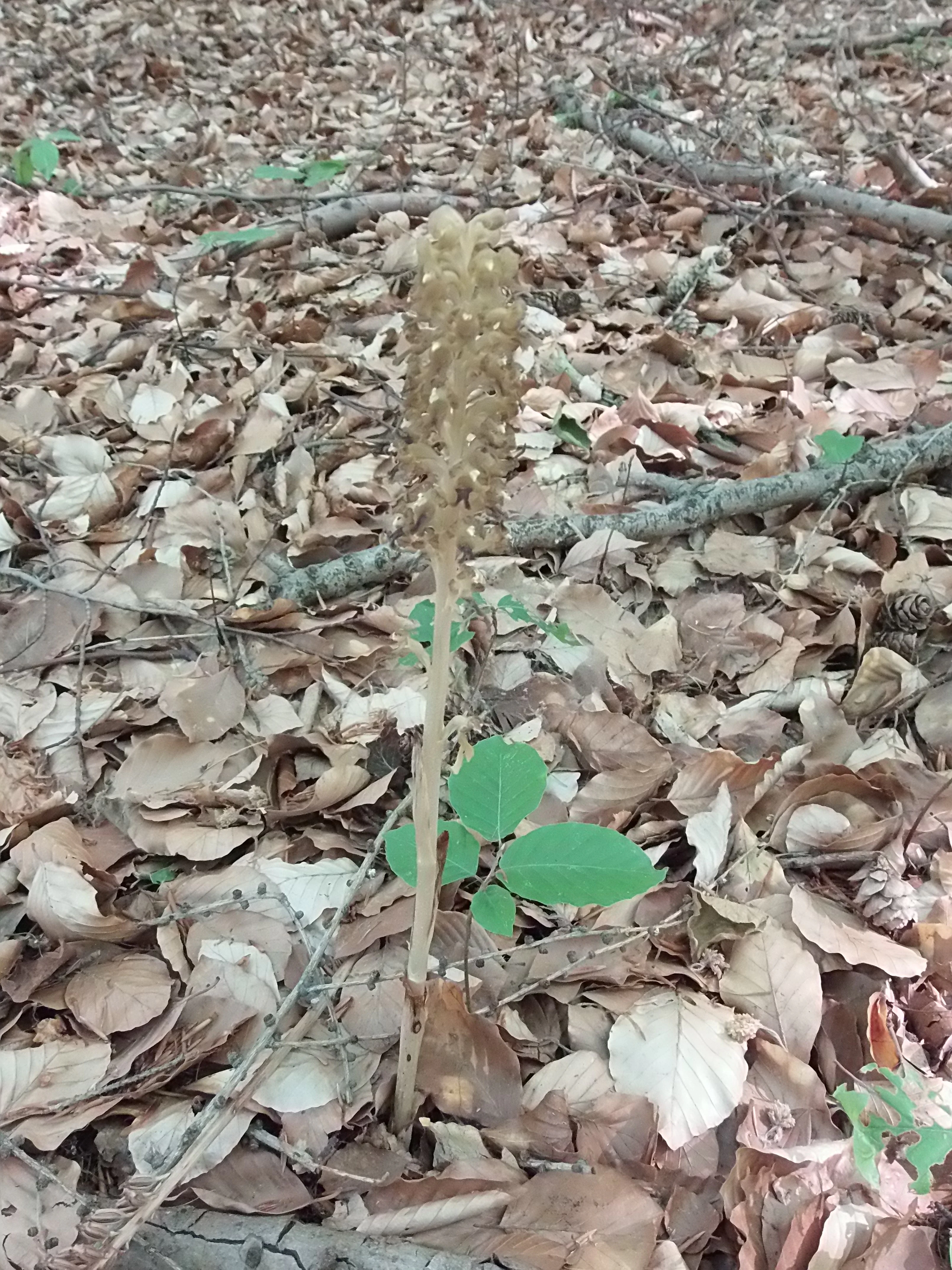
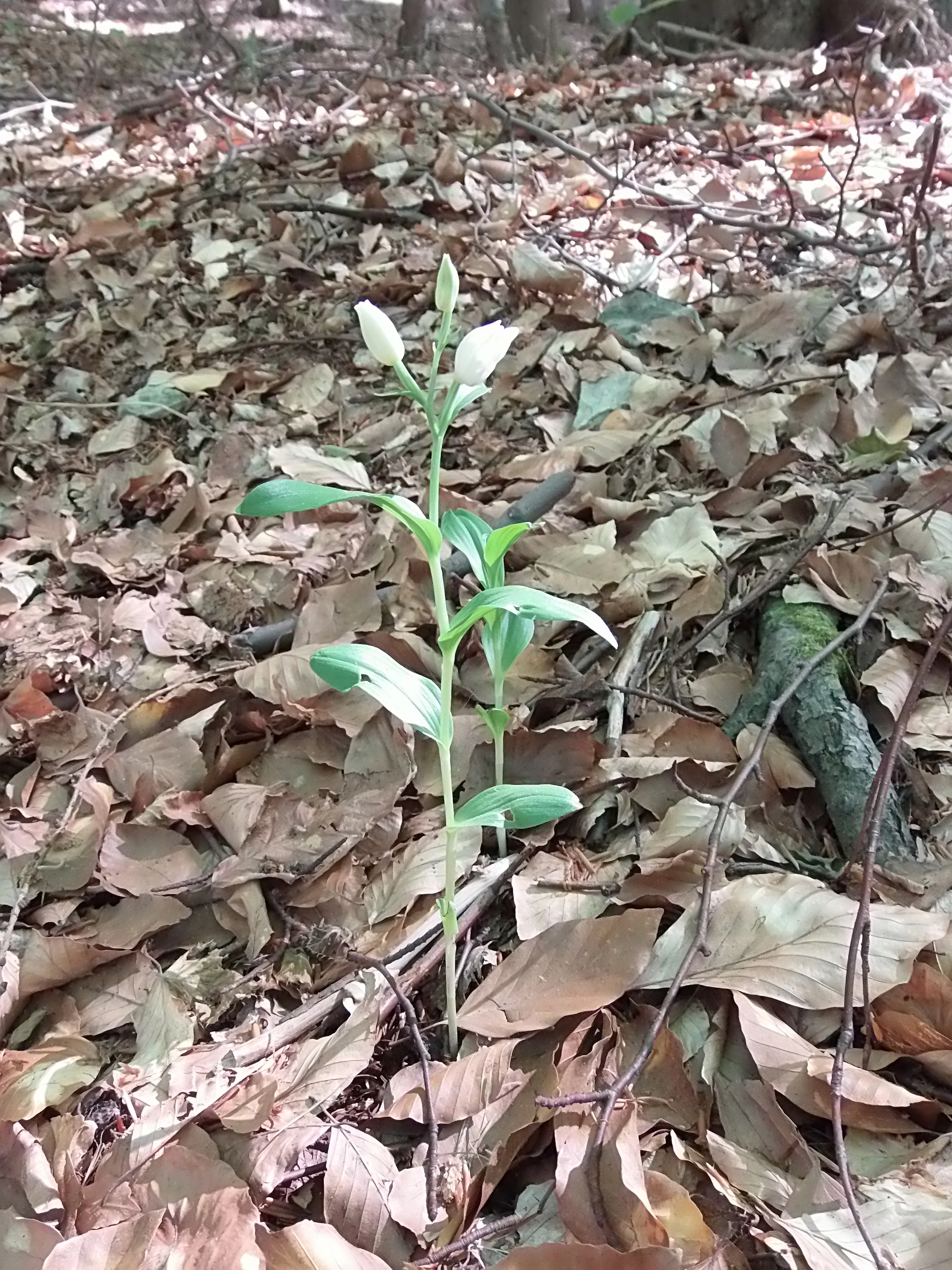
Na Pilavě is primarily known for harboring one of the very few Czech populations of black false hellebore (Veratrum nigrum), a critically endangered species that defines the conservation purpose of the site. This single rarity anchors the site's importance and shapes its identity as a botanical micro-reserve. Equally important is the site's rich assemblage of woodland orchids and other rare forest-floor plants, including common twayblade, lesser butterfly-orchid, and purple orchid. Many of the species recorded here belong to communities associated with ancient deciduous woodland, giving the small reserve disproportionate botanical and ecological significance within the regional Džbán highland landscape.
Na Pilavě history and protected-area timeline
Na Pilavě was formally designated as a přírodní památka on April 17, 1969, by decision of the Ministry of Culture of the Czechoslovak Socialist Republic. The designation recognized the exceptional botanical importance of the site, particularly its population of black false hellebore, at a time when small-scale species-focused reserves were becoming a more systematic tool of nature conservation in the country.
The surrounding Pilavské údolí had long been known locally by several names, including Pilava, Pilavská stráň, and Kravský dolík, with forest workers and residents often referring to it as Zadní bílichovské údolí. This local familiarity with the valley's character helped draw attention to its floristic richness and likely contributed to the momentum behind its formal protection in the late 1960s. Since its establishment, the reserve has remained a small but stable fixture within the Czech protected-area network, with management focused on maintaining the open and semi-open conditions that benefit its rare herbaceous flora.
Na Pilavě landscape and geographic character
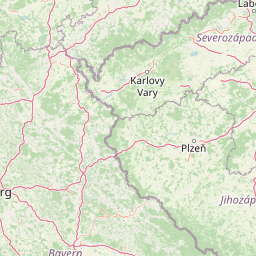
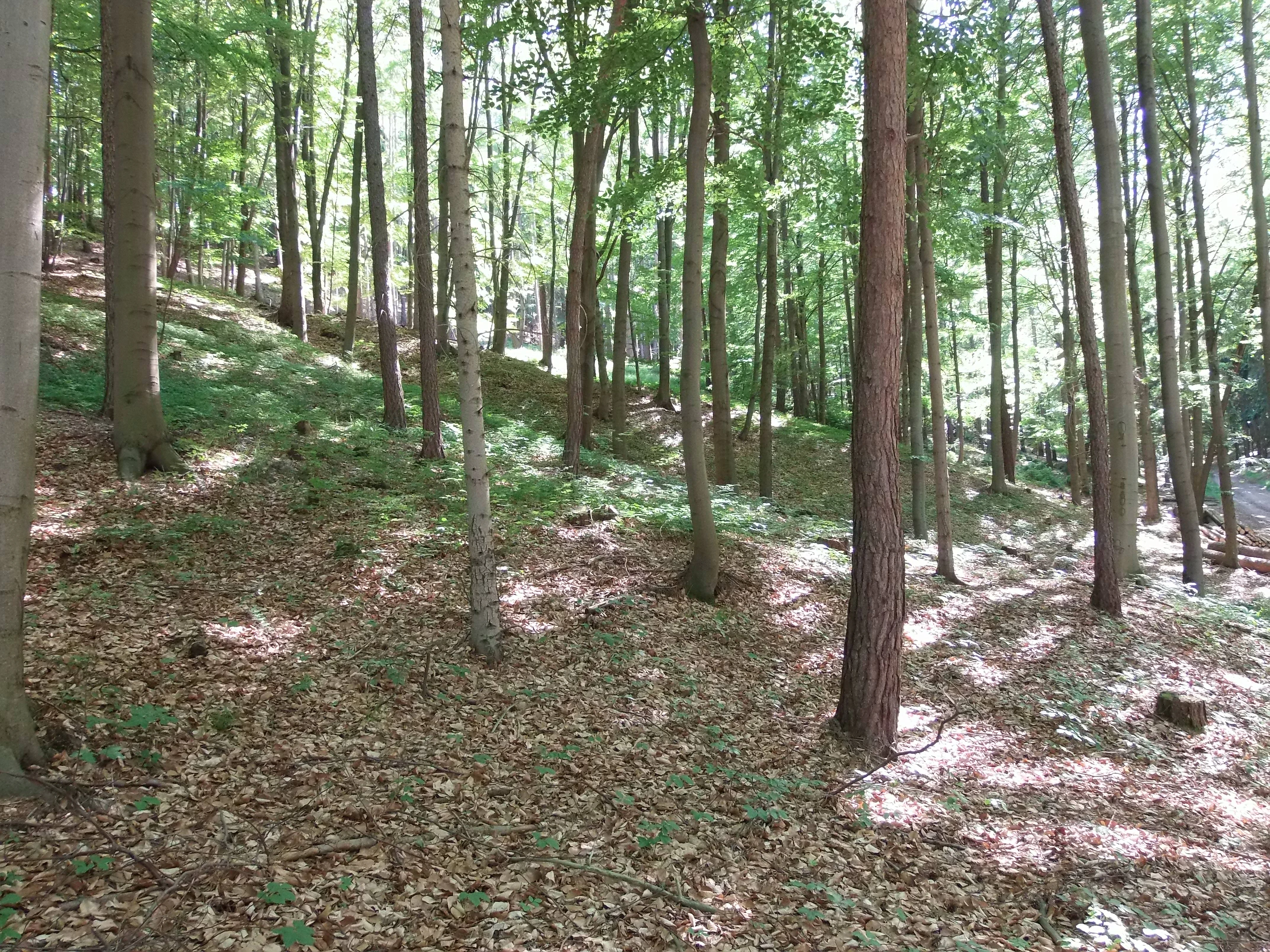
Na Pilavě lies within Pilavské údolí, a short forested valley roughly three kilometers long carved into the eastern Džbán highland. The reserve stretches along the right-hand side of a forest path running through the valley, ascending partway up the slope. The terrain transitions from a valley-bottom path to a sloped hillside, giving the site a varied topography within a very compact footprint.
The broader valley is enclosed by mixed woodland, with the surrounding spruce-dominated stand around seventy years old and interspersed with pine, larch, birch, and occasional beech. Across the valley path, an older beechwood provides structural contrast and contributes natural regeneration beneath the canopy. The combination of varied forest ages, slope exposure, and valley shelter creates a mosaic of microhabitats within walking distance of one another.
Na Pilavě ecosystems, habitats, and plant life
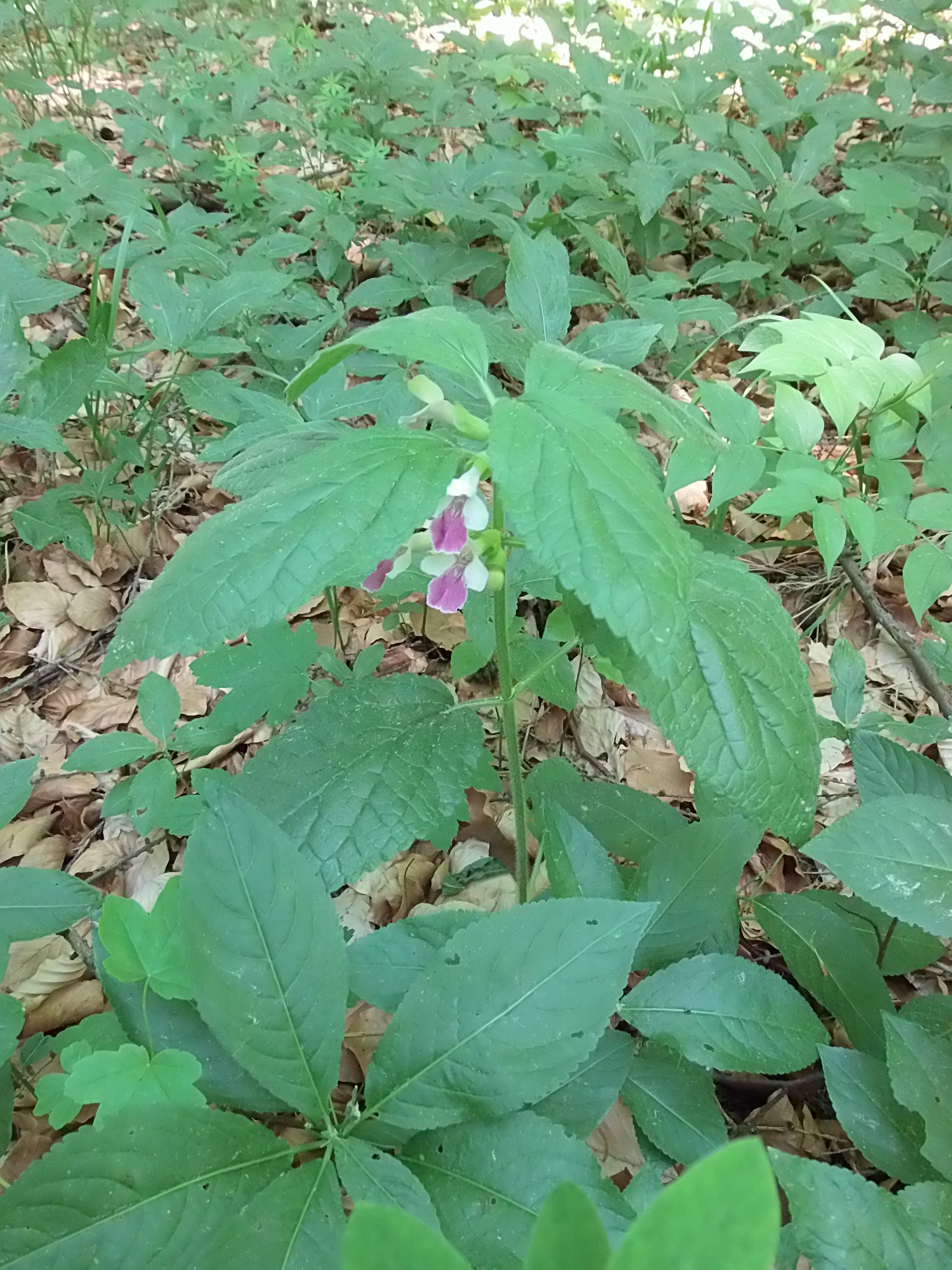
The ecological identity of Na Pilavě is defined by its forest-floor flora rather than by dramatic habitats or large mammals. The site supports a remarkably rich herbaceous layer that includes numerous nationally rare and orchid-rich species more commonly associated with relict deciduous woodlands than with the conifer-dominated stands that surround it.
The forest mosaic around the protected core includes mature beech, regenerating oak and spruce, and mixed conifer stands, providing shade gradients, litter depth variation, and humidity conditions that sustain the sensitive flora. The valley's sheltered character enhances humidity, supporting both the flagship Veratrum nigrum population and a wider community of woodland specialists whose coexistence in such a small area is itself ecologically notable.
Na Pilavě wildlife and species highlights
Because Na Pilavě is a small botanical monument focused on plant conservation, formal wildlife documentation is limited. The site's ecological value lies primarily in its flora rather than in charismatic fauna, and the available source material does not provide substantive wildlife content. This field is intentionally left without expanded prose.
Na Pilavě conservation status and protection priorities
Na Pilavě is significant from a conservation perspective as one of the few confirmed strongholds of black false hellebore (Veratrum nigrum) in central Bohemia, a species considered critically endangered in the Czech Republic. By formally protecting a small but floristically exceptional valley slope in 1969, the state created a safeguard for not only this flagship species but also for a wider community of rare woodland herbs and orchids whose Czech distributions are highly fragmented.
The reserve's conservation role is therefore one of targeted species protection rather than broad landscape preservation. Its small footprint, age, and continuity of protection illustrate the Czech approach of using přírodní památka designations to anchor rare species within otherwise working forest landscapes. The site also serves as a reference point for understanding the persistence of orchid-rich woodland flora in the Džbán highland region.
Na Pilavě cultural meaning and human context
The Pilavské údolí in which Na Pilavě lies carries a layered local identity, known by several traditional names including Pilava, Pilavská stráň, and Kravský dolík. Local residents and forestry staff commonly referred to it as Zadní bílichovské údolí. These varied names reflect the valley's longstanding place in the everyday geography of nearby villages such as Líský and Bílichov.
The site is walked by a blue-marked tourist trail that passes along the dam of Velký bílichovský rybník and continues through the valley, linking the protected area into the broader network of regional footpaths. This intersection of ecological protection and recreational use is typical of small Czech nature monuments embedded in inhabited rural landscapes.
Top sights and standout views in Na Pilavě
Na Pilavě's standout feature is its population of black false hellebore, a critically endangered species that defines the site's reason for existence. Equally distinctive is the presence of multiple woodland orchid species, including lesser butterfly-orchid, common twayblade, and purple orchid, all within a few hectares of mixed forest.
The compact mosaic of older beechwood, regenerating mixed forest, and sheltered valley slope enhances the site's botanical diversity and gives it a character unusual for such a small reserve. Together, these qualities make Na Pilavě a textbook example of how targeted, species-focused protections can preserve exceptional natural value in modest geographic settings.
Best time to visit Na Pilavě
The late spring through early summer window is the most rewarding period for experiencing Na Pilavě, when forest-floor orchids and other rare woodland herbs are in bloom and the surrounding forest canopy is fully leafed out. Cool, mild conditions during these months also suit the moisture-loving species that the reserve protects. Late autumn brings quieter conditions and the russet character of the mixed forest, although the botanical showcase of the site is less visible at that time.