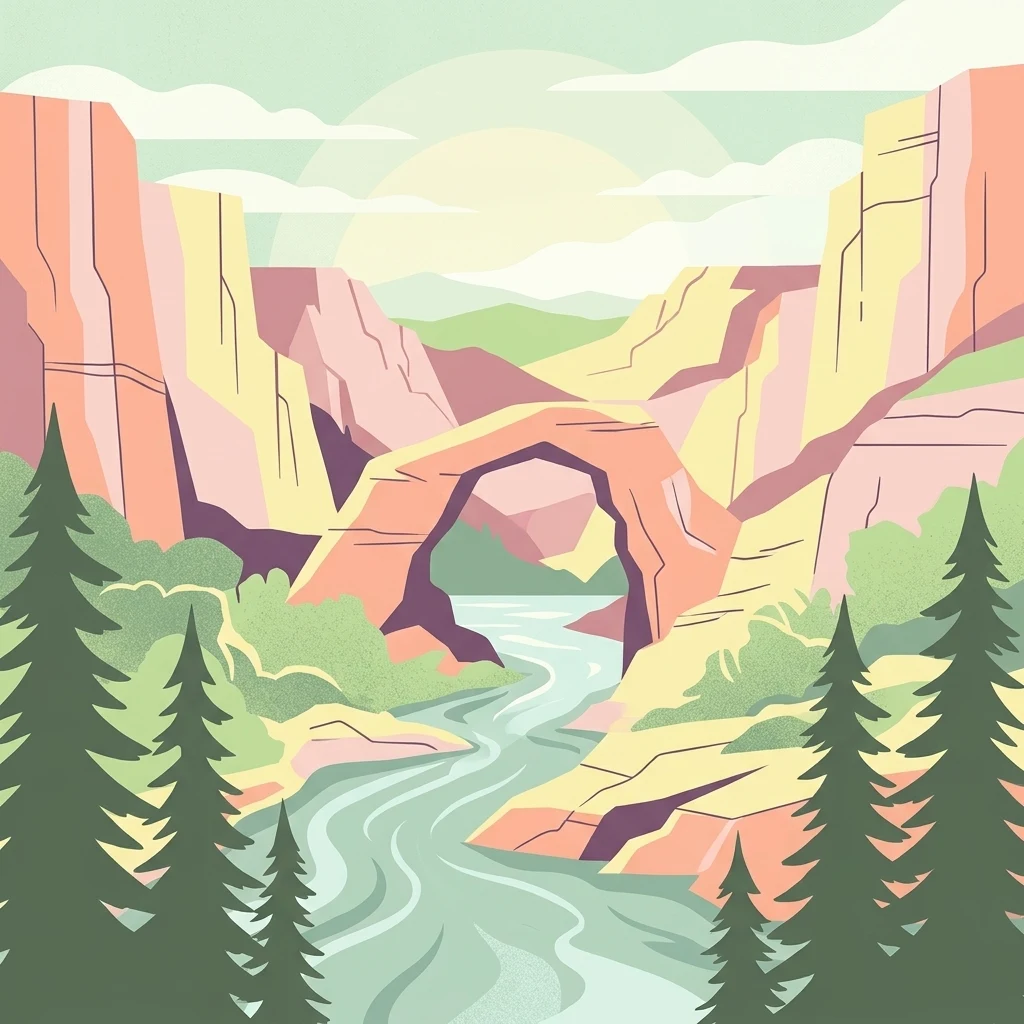

Why Napwerte / Ewaninga Rock Carvings Conservation Reserve stands out
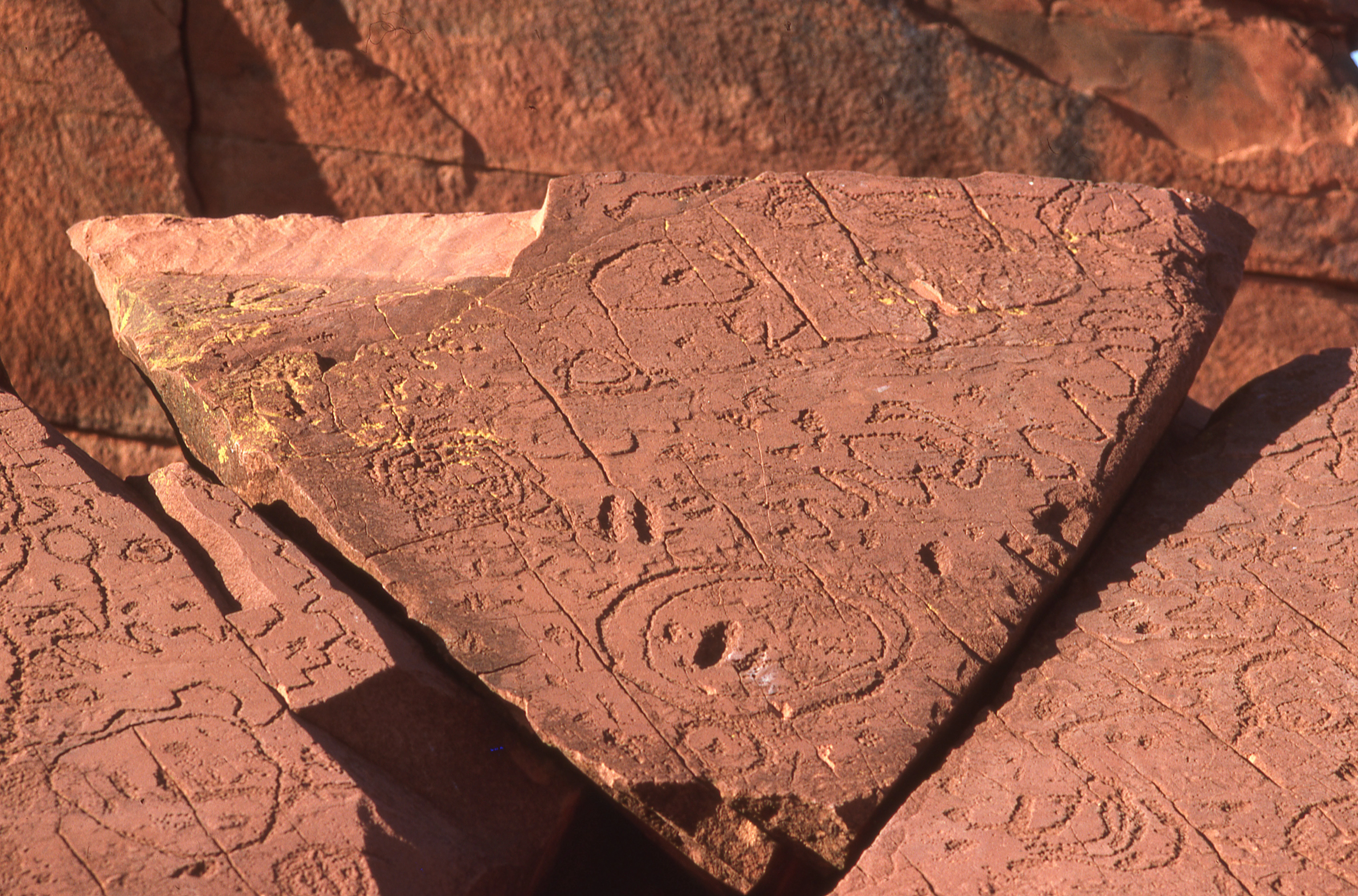
The reserve is best known for its exceptional collection of Aboriginal petroglyphs scattered across its rocky outcrops. Approximately 1,000 prehistoric engravings, ranging from geometric circles and lines to animal tracks, mark the sandstone surfaces in styles that compare with Panaramitee rock art found elsewhere in central Australia and Tasmania. The petroglyphs are estimated to be extremely ancient, with weathering patterns and motif comparisons suggesting ages up to roughly 30,000 to 40,000 years, making the site a major window into deep Aboriginal cultural history in the central desert. Beyond the carvings, the reserve is also recognised for the unusually intact claypan that anchors its landscape. This shallow basin collects water after light rainfall and draws a diverse array of bird and animal visitors, turning the otherwise dry dunes and outcrops into a seasonally active ecological pocket. Together, the petroglyphs, the claypan, and the spiritual importance of the site to the Arrernte traditional owners define the reserve's distinctive identity within Australia's protected area network.
Napwerte / Ewaninga Rock Carvings Conservation Reserve history and protected-area timeline
The land encompassed by the reserve has a history shaped by tens of thousands of years of Arrernte presence. Aboriginal rock engravings on the rocky outcrops, including circles, lines, and animal tracks, are believed to be very ancient, with weathering and stylistic comparisons suggesting some may be up to 30,000 to 40,000 years old. Throughout this long span the site has remained a sacred place associated with the traditional cultural practices of the Arrernte men of the region, even as the surrounding country shifted through climatic and ecological changes.
The reserve's formal protection history began in 1970, when the area was first established as a managed site. It was then officially gazetted as a conservation reserve on 20 November 1996 under the Northern Territory's protected-area framework. In December 2004, the site's significance was highlighted beyond central Australia when laser-scanned three-dimensional images of the petroglyphs were included in the National Museum of Australia's exhibition Extremes: Survival in the Great Deserts of the Southern Hemisphere, bringing international attention to the carvings.
A turning point in the reserve's cultural governance came on 30 November 2005, when an Indigenous land use agreement was signed between the Central Land Council and the Northern Territory Government, granting the reserve as Aboriginal land under the Aboriginal Land Rights Act 1976. In 2014 the site was officially given its dual name Napwerte / Ewaninga Rock Carvings Conservation Reserve, formally recognising the Arrernte name for the rock outcrop alongside the existing English-language designation.
Napwerte / Ewaninga Rock Carvings Conservation Reserve landscape and geographic character
The reserve's landscape is a compact but characteristic slice of central Australian desert country. Gentle, low sand dunes form the broader setting, while isolated rocky outcrops rise through the sandy surface to expose the harder geology beneath. These outcrops are not only visually striking but are also the canvases on which the reserve's famous petroglyphs were carved, making the geology itself inseparable from the site's cultural identity.
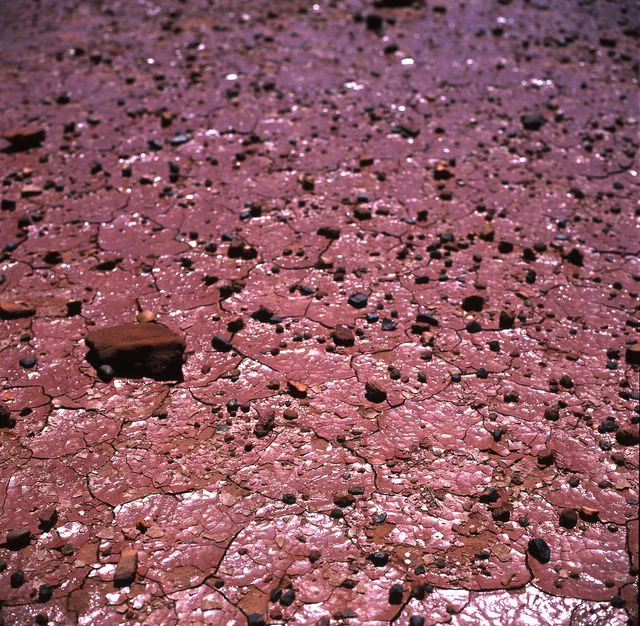
At the centre of the reserve lies a shallow claypan shaped like a slightly concave surface of roughly 100 metres across. In the dry conditions typical of the region, the claypan often appears as a flat, pale basin set among red dunes and stone, but after even light rainfall it briefly fills with water and becomes the most active ecological feature of the landscape. The combination of dunes, rock, and claypan produces a layered terrain where microhabitats shift rapidly with the weather, and where the visible landforms reflect the long interplay between stone, sand, and occasional standing water in one of Australia's most arid regions.
Napwerte / Ewaninga Rock Carvings Conservation Reserve ecosystems, habitats, and plant life
Ecologically, the reserve functions as a small but important refuge in an otherwise harsh arid environment. The defining feature is the claypan, which after rainfall collects and retains water, creating an ephemeral wetland in a landscape where surface water is otherwise rare. This brief appearance of moisture transforms the biological rhythm of the area, supporting an influx of birds, small mammals, and other wildlife drawn from the surrounding dunes and outcrops.
Beyond the claypan itself, the mix of sand dune and rocky outcrop supports the broader arid-zone ecology typical of central Australia. The exposed rock surfaces host lichens and other drought-adapted organisms adapted to intense sun and minimal moisture, while the sandy soils around the basin support sparse but hardy vegetation suited to long dry spells. Together, the reserve's habitats form a miniature ecological mosaic that pulses with seasonal activity whenever rain triggers the claypan to fill.
Napwerte / Ewaninga Rock Carvings Conservation Reserve wildlife and species highlights
Wildlife observation at the reserve is closely tied to the water-carrying behaviour of the claypan. After rain, the basin becomes a gathering point for many bird species and animals moving through the surrounding arid land, providing one of the few predictable wildlife encounters in the area. Although the reserve is small, its role as a transient watering point gives it an outsized ecological value for local fauna during and after wet periods.
The surrounding dunes and rocky outcrops host the typical central Australian fauna adapted to extreme aridity and temperature variation. Reptiles, small mammals, and drought-resilient bird species move through the landscape, often unseen during dry conditions but visible when rain softens the environment. Even when the claypan is dry, the reserve's combination of shaded rock crevices, sandy substrates, and sheltered basins supports the persistent presence of arid-zone wildlife throughout the year.
Napwerte / Ewaninga Rock Carvings Conservation Reserve conservation status and protection priorities
The primary conservation significance of the reserve lies in the protection of one of central Australia's most important collections of Aboriginal rock art. With around 1,000 petroglyphs preserved across its outcrops, the site safeguards a tangible and irreplaceable record of the Arrernte people's long cultural and spiritual connection to country. Protecting these engravings from damage, weathering, or unmonitored access is central to the reserve's purpose and is reinforced by its status as a sacred men's site whose access is governed by the traditional owners.
Beyond cultural protection, the reserve also conserves an ecologically distinctive combination of sand dunes, rocky outcrops, and a seasonal claypan. The claypan's function as an ephemeral wetland supports a localised pulse of biodiversity after rainfall, giving the reserve disproportionate ecological value relative to its size. Its gazetting as a conservation reserve in 1996, its classification under IUCN Category V as a protected landscape, and its formal transfer to Aboriginal ownership through an Indigenous land use agreement in 2005 together provide a layered protection framework that recognises both natural and cultural heritage values.
Napwerte / Ewaninga Rock Carvings Conservation Reserve cultural meaning and human context
The reserve lies within the traditional Country of the Arrernte people and is recognised as a sacred men's site. The name Napwerte, pronounced na-poor-ta, comes from the Arrernte language and refers to the rock outcrop itself, while Ewaninga is the established English-language name that has historically been used for the site. The official adoption of the dual name Napwerte / Ewaninga in 2014 reflects a broader movement to recognise Aboriginal place names alongside historical European-language designations in the Northern Territory.
The site's importance to the Arrernte community goes well beyond the archaeological value of the petroglyphs. The reserve is a living cultural landscape where traditional custodianship remains active, and access to the rock carvings is governed through the traditional owners. The granting of the reserve as Aboriginal land under the Aboriginal Land Rights Act 1976 formalised a recognition of Country that had long been acknowledged culturally, while the Indigenous land use agreement remains the principal governance framework for how the site is managed and visited. National-level recognition of the carvings through inclusions such as the National Museum of Australia's 2004 exhibition further extended awareness of this sacred place beyond central Australia.
Top sights and standout views in Napwerte / Ewaninga Rock Carvings Conservation Reserve
Within a remarkably small footprint, the reserve concentrates several elements that together make it one of the most distinctive protected areas in central Australia. Its roughly 1,000 Arrernte petroglyphs, many potentially tens of thousands of years old, form one of the most significant examples of central Australian rock art. The Panaramitee-style geometric motifs and occasional animal tracks have parallels with engravings found across central Australia and Tasmania, linking the site to a much wider ancient artistic tradition.
Equally distinctive is the claypan at the centre of the reserve, a shallow concave basin that gathers water after light rainfall and draws wildlife into an otherwise dry landscape. This seasonal wetland function, combined with the surrounding dunes and rocky outcrops used as carving surfaces, gives the reserve a layered identity in which geology, ecology, and Aboriginal cultural heritage are tightly interwoven. The formal arrangements for shared governance through the Indigenous land use agreement and the dual naming of the place make it a notable example of cultural recognition embedded within a protected-area framework.
Best time to visit Napwerte / Ewaninga Rock Carvings Conservation Reserve
The reserve's character shifts strongly with seasonal conditions. Periods following rainfall, even relatively light rainfall in the normally dry region, are when the claypan fills and wildlife activity around the basin is at its peak. At these times the reserve feels more alive, with birds and animals concentrated around the newly wet claypan, while the surrounding dunes and outcrops become cooler and more inviting to walk through.
During the drier parts of the year, the reserve offers a quieter, more austere experience, with the landscape dominated by red sand, exposed rock, and the pale claypan basin. The contrasts between light and shadow on the rocky outcrops are often more pronounced in brighter, cooler conditions, which can also improve visibility of the petroglyph surfaces. Cooler months of the year typically bring milder daytime temperatures, making exploration of the site more comfortable, while summer heat in central Australia can be intense and dry conditions tend to limit wildlife viewing around the basin.