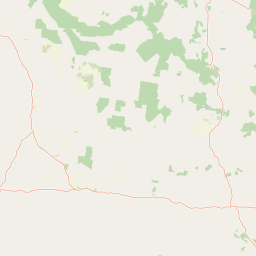
Why Nuga Nuga National Park stands out
Nuga Nuga National Park is most notably recognized for its wetland habitats and the presence of Denisonia maculata, a rare venomous snake species that has been identified within the park boundaries. The park protects small but significant areas of lacustrine and riverine wetlands adjacent to Lake Nuga Nuga, representing isolated pockets of aquatic habitat within the broader semi-arid Brigalow Belt landscape. These wetland environments support ecological communities that are both limited in distribution and vulnerable to environmental changes, making the protected area an important conservation site for specialized wetland-dependent species.
Nuga Nuga National Park history and protected-area timeline
Nuga Nuga National Park was officially established in 1993 through the proclamation of land under Queensland protected area legislation. The creation of the park reflected growing recognition during the late twentieth century of the ecological significance of the Brigalow Belt's remaining natural habitats, particularly wetland environments that had been substantially reduced across the region. Prior to formal protection, the Lake Nuga Nuga area and surrounding lands had experienced varying levels of pastoral use and environmental modification, though the wetland characteristics of the site provided some inherent constraints on intensive development. The park's establishment was part of a broader Queensland strategy to protect representative examples of the state's diverse bioregions and their characteristic ecosystems. Management responsibility was assigned to the Queensland Parks and Wildlife Service, which continues to oversee conservation activities, visitor services, and ecological monitoring within the reserve.
Nuga Nuga National Park landscape and geographic character
The landscape of Nuga Nuga National Park centers on Lake Nuga Nuga and its associated wetland environments. The lake forms a natural depression within the Comet River catchment, filling primarily through seasonal runoff and groundwater inputs from the surrounding catchment. Around the lake margins, the terrain transitions from open water through emergent wetland vegetation to adjacent woodlands and grasslands of the broader Brigalow Belt. The lacustrine wetlands occupy the shallow, periodically inundated zones around the lake's edge, while riverine wetlands follow drainage lines that connect the lake to the broader water system. The surrounding terrain is generally flat to gently undulating, with soils typical of the Brigalow Belt region supporting vegetation dominated by briggrass (Acacia harpophylla) and various eucalyptus species in the woodland areas. The visual character combines the open waters of the lake with the more dense wetland vegetation and the more open woodland beyond, creating a landscape of varied textures and tonal range.
Nuga Nuga National Park ecosystems, habitats, and plant life
The ecological character of Nuga Nuga National Park is defined by its wetland habitats within the Brigalow Belt bioregion. The lacustrine and riverine wetlands represent distinct habitat types that support specialized plant and animal communities adapted to periodic flooding, waterlogging, and the seasonal fluctuations of water availability that characterize these environments. Within the Brigalow Belt, which extends across large areas of central Queensland, wetlands of this type have become increasingly uncommon as agricultural development, water resource extraction, and infrastructure construction have modified drainage patterns and eliminated many former wetland areas. The protected status of Nuga Nuga National Park therefore preserves habitats that are both ecologically significant and increasingly rare in the regional context. The wetland communities provide habitat for waterbirds, amphibians, and aquatic invertebrates, while the surrounding woodlands support terrestrial fauna species typical of the Brigalow Belt.
Nuga Nuga National Park wildlife and species highlights
The wildlife of Nuga Nuga National Park is particularly notable for the presence of Denisonia maculata, a rare venomous snake species that has been recorded within the park. This reptile, commonly known as the ornate desert snake or spotted desert snake, is a member of the Elapidae family and is found in isolated populations across central Queensland. The species favors wetland and riparian habitats where it preys on small vertebrates including frogs, lizards, and small mammals. Within Nuga Nuga National Park, the wetland environments provide suitable habitat for this species, which depends on moisture levels and prey availability that these environments support. The broader park also supports other reptile species, birdlife associated with wetland and woodland habitats, and various mammals that inhabit the Brigalow Belt woodland communities. While comprehensive species inventories are limited, the presence of Denisonia maculata establishes the park's significance for reptile conservation.
Nuga Nuga National Park conservation status and protection priorities
Nuga Nuga National Park contributes to conservation of the Brigalow Belt bioregion by protecting significant wetland habitats that have been reduced across much of this region. The Brigalow Belt has experienced extensive vegetation clearing for agriculture, grazing, and development since European settlement, resulting in the loss of substantial proportions of original woodland and wetland environments. The wetlands within Nuga Nuga National Park, though small in absolute area, represent important remnants of habitat types that support specialized species including the threatened Denisonia maculata. The park's protection status (IUCN Category II) provides a framework for ongoing conservation management that limits potentially damaging activities within the reserve. Conservation values are maintained through management activities that protect water quality, maintain wetland hydrology, and preserve the vegetation communities that support the park's biodiversity.
Nuga Nuga National Park cultural meaning and human context
The Lake Nuga Nuga area holds significance in the cultural landscape of central Queensland. The traditional lands of the Indigenous peoples of the Brigalow Belt region include areas around Lake Nuga Nuga, where Aboriginal communities historically utilized the wetland resources for food gathering, ceremony, and cultural activities. While detailed documentation of Indigenous cultural connections to the specific area is limited in available sources, the broader Brigalow Belt region contains numerous sites of Aboriginal cultural heritage, and the lake and wetlands would have provided important resources for local Indigenous communities. European settlement of the region brought pastoral activities that modified much of the landscape, and the establishment of the national park in 1993 recognized the ecological values of the area while providing for ongoing connection to Country for Indigenous stakeholders.
Top sights and standout views in Nuga Nuga National Park
Nuga Nuga National Park preserves a rare example of wetland habitat within the Brigalow Belt bioregion, offering protection to the threatened Denisonia maculata and the ecological communities dependent on Lake Nuga Nuga's wetland environments. The park provides a compact but meaningful example of Australian inland wetland conservation, where lacustrine and riverine habitats support biodiversity values not readily found in the surrounding modified landscape. Visitors to the park can experience the tranquil setting of Lake Nuga Nuga and observe wetland environments that contrast with the more typical woodland and grassland character of the broader region.
Best time to visit Nuga Nuga National Park
The best time to visit Nuga Nuga National Park is during the cooler months of autumn and winter (April to September) when temperatures are moderate and outdoor exploration is comfortable. Summer months (December to February) can bring high temperatures and occasional rainfall that may affect visit conditions. The wetland environment is influenced by seasonal rainfall patterns, with water levels in Lake Nuga Nuga varying between wet and dry periods. Wildlife viewing, particularly for species like Denisonia maculata, may be more productive during cooler months when reptiles are more active during daylight hours. Visitors should note that the park is relatively remote and facilities are limited, requiring self-sufficiency and appropriate preparation for the semi-arid conditions of the region.