
Mori Atlas logo
Nature reservePrácheň

A mapped overview of warm-loving broadleaf forests and historic medieval hillfort ruins

Prácheň Nature Reserve and Protected Cultural Landscape in the Plzeňský kraj Region

Prácheň Nature Reserve stands as a significant protected landscape within the Plzeňský kraj region of southwestern Czechia. Rising as a prominent forested hill above the Otava river valley, the area features a unique warm-loving broadleaf woodland habitat that supports diverse spring-flowering herbs and orchids. Beyond its natural value, the site provides a mapped historical record through the remains of an early medieval hillfort and the high medieval ruins of Prácheň castle, blending ecological conservation with heritage preservation.

broadleaf forestwarm-loving woodlanddeciduous foresthilltop reservespring floraorchids
A colorful digital illustration featuring a tall waterfall descending between jagged, stylized rocky cliffs, framed by foreground trees and fluffy, pink-tinted clouds against a light blue sky with a sun.

Prácheň

Nature reserve

Park overview

Structured park overview, official facts, and landscape profile for Prácheň Nature Reserve

Prácheň Nature Reserve park facts, protected area profile, and essential visitor context

Review the core facts for Prácheň Nature Reserve, including designation, size, terrain, visitor scale, habitats, and operating context in one park-focused overview.

About Prácheň Nature Reserve

Prácheň Nature Reserve sits on a prominent, forested hill in the inner foothills of southwestern Bohemia, rising above the Otava river basin and the agricultural lowlands around Horažďovice. Although modest in size, the reserve protects a representative example of warm-loving deciduous forest that is otherwise increasingly rare in the intensively farmed Czech countryside. The combination of mild local climate, varied slope exposure, and long continuity of woodland has produced a habitat of considerable botanical interest.

Visitors approaching the site encounter a compact block of mixed deciduous woodland that includes typical Central European broadleaf species, with herbaceous undergrowth that changes markedly with the seasons. In spring, the forest floor is particularly notable, carpeted with characteristic woodland herbs that flower before the canopy fully leafs out. This spring flora is one of the principal reasons the area was given formal protection.

Beyond its natural character, the hill carries significant historical weight, and the reserve explicitly encompasses both ecological and cultural heritage. The wooded summit is occupied by the earthworks of an early medieval Slavic hillfort, while the high medieval castle of Prácheň stands ruined nearby. Together, the protected woodland, the ancient fortification traces, and the castle remains form a layered landscape that is valued both for its biodiversity and for its place in regional history.

Quick facts and research context for Prácheň Nature Reserve

Prácheň Nature Reserve lies in the Klatovy District of the Plzeň Region in southwestern Czechia, near the village of Velké Hydčice and southwest of Horažďovice. It was declared a protected area on 8 June 1953 by the Ministry of Education and Enlightenment and is today administered through the Nature Conservation Agency of the Czech Republic (AOPK ČR).

The protected site occupies a compact area at elevations roughly between 430 and 513 meters above sea level. It is classified as an IUCN Category IV habitat and species management area, reflecting its focus on conserving a specific forest type and the species associated with it. The same hill also carries an early medieval hillfort and the ruins of the medieval castle of Prácheň.

Protection and recognition

Examine the documented conservation scope, recognition sources, and legal protection records for Prácheň.

Prácheň Protection Status and Designated Terrestrial Conservation Frameworks

Prácheň maintains a documented terrestrial protection scope without imported international recognition sources or transboundary classifications. Structured conservation data outlines the registered management parameters and official designation records associated with the protected landscape.

Protection details

Protection scope
Terrestrial
Transboundary protection
No
Park context

Deeper park guide and search-rich context for Prácheň Nature Reserve

Prácheň Nature Reserve history, landscape, wildlife, and travel context

Explore Prácheň Nature Reserve through its history, landscape character, ecosystems, wildlife, conservation priorities, cultural context, and seasonal travel timing in a structured park guide built for atlas discovery and search intent.

Why Prácheň Nature Reserve stands out

Prácheň is best known for its warm-loving broadleaf woodland, a forest type unusual enough within the regional context to warrant formal protection. The canopy and shrub layer support a rich spring herb flora, while more thermophilous species along the edges hint at the site's warmer microclimate. Equally important to the site's identity is its layered cultural history. The forested hill above the Otava valley preserves the remains of an early medieval hillfort and the high medieval Prácheň castle, so the protected area functions simultaneously as a natural and a cultural monument overlooking the surrounding Bohemian landscape.
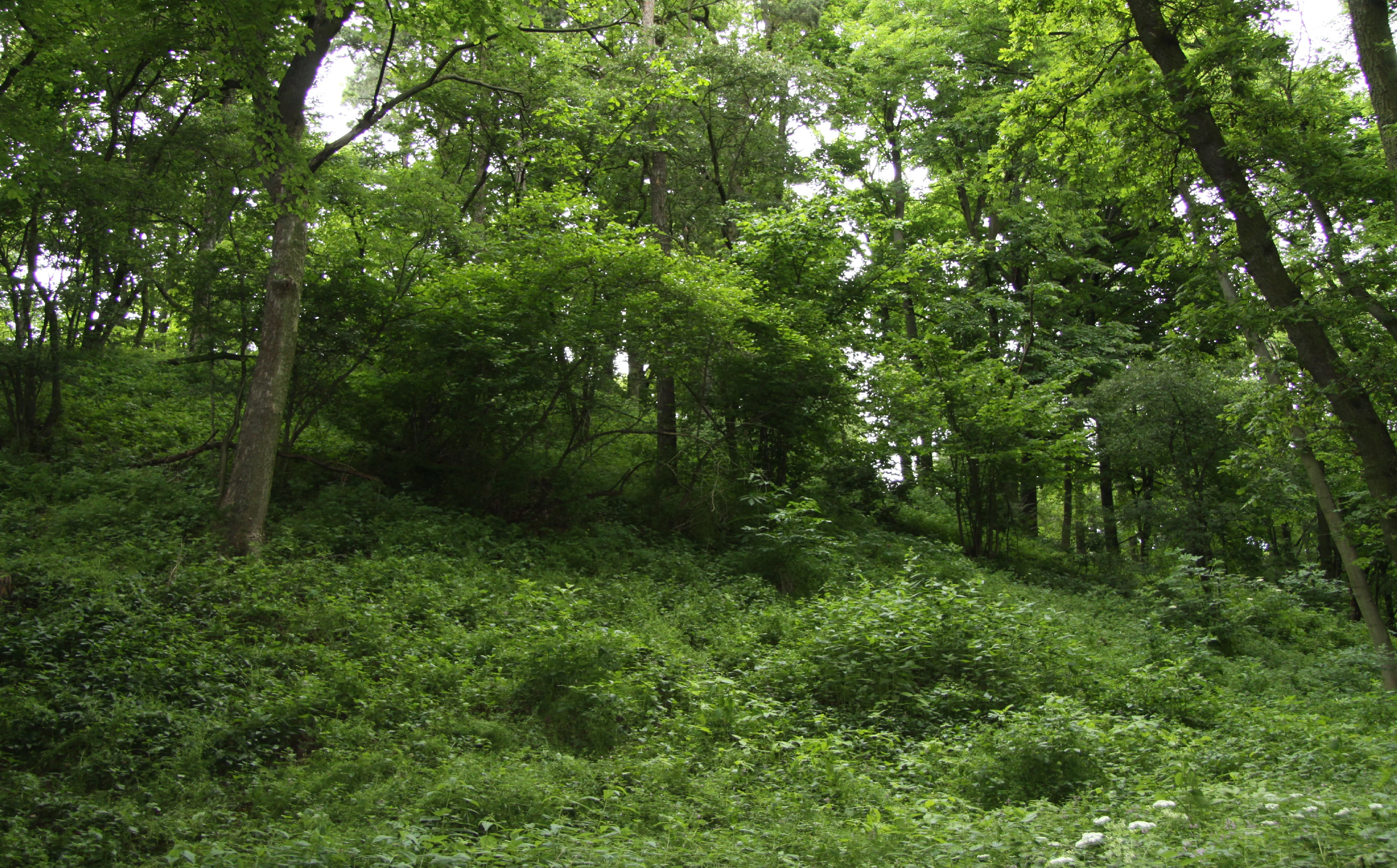
A thick, green, leafy forest with many tall trees and dense undergrowth in the Prácheň nature reserve.
A view into the dense, green deciduous woodland of the Prácheň nature reserve.

Prácheň Nature Reserve history and protected-area timeline

Prácheň was formally declared a nature reserve on 8 June 1953, proclaimed by the Ministry of Education and Enlightenment of the then Czechoslovak state. Its designation reflects mid-twentieth-century recognition of the site's value as a surviving example of warm-loving broadleaf woodland in a region that had otherwise seen extensive clearance of natural forest for agriculture.

Today the reserve is administered through the Nature Conservation Agency of the Czech Republic (AOPK ČR), which oversees its management alongside many other small protected areas in the country. Its long-standing protected status has allowed the woodland and its associated flora to persist under a regime that prioritizes habitat continuity over conversion.

The hill itself carries a much older human history that predates the reserve by many centuries. Archaeological and historical remains include an early medieval hillfort and the more substantial ruins of the high medieval castle of Prácheň, both of which are now encompassed within the protected area and considered part of the site's overall significance.

Prácheň Nature Reserve landscape and geographic character

Geographically, Prácheň occupies a compact forested hill rising from the Otava river valley in the southwestern part of the Plzeň Region. Elevations within the protected area run roughly from 430 to 513 meters above sea level, giving the hill enough relief to support varied slope microclimates despite its modest altitude. The surrounding lowland is largely agricultural, which makes the wooded hill visually prominent and ecologically isolated from other large forest blocks.

The terrain is shaped by the hill's role as a long-standing lookout point above the river valley. Slopes descend in several directions toward flatter farmland and small settlements, while the summit itself is relatively broad enough to have hosted fortifications in earlier centuries. The forest that clothes the slopes is mostly broadleaf, reflecting the warmer, drier tendencies of south-facing Bohemian hills rather than the cooler montane forests found further west in the Šumava foothills.

The combination of elevation change, slope aspect, and forest cover creates a varied surface within a small footprint. Open patches and forest edges along the warmer slopes support different plant communities than the shadier ravines and the upper plateau, which contributes to the diversity that the reserve was established to safeguard.

Prácheň Nature Reserve ecosystems, habitats, and plant life

Ecologically, Prácheň is dominated by warm-loving broadleaf forest, a vegetation type that depends on relatively mild winters, sunny exposures, and a long continuity of tree cover. The woodland contains a mix of deciduous species typical of the Bohemian foothills, with a shrub and herb layer that responds strongly to seasonal change.

Spring is the most distinctive ecological moment in the reserve. Before the broadleaf canopy closes, the forest floor comes alive with characteristic woodland herbs, many of which are classic indicators of undisturbed deciduous forest in Central Europe. The flora includes both widely known broadleaf woodland species and more specialized plants associated with warmer forest edges and clearings.

In addition to its general woodland character, the reserve harbors patches of more thermophilous vegetation where sun-loving species can persist alongside typical shade plants. This mosaic effect, compressed into a small area, is one of the reasons the site has been formally protected and continues to attract botanical interest.

Prácheň Nature Reserve wildlife and species highlights

The wildlife of Prácheň reflects the broader forested landscape of the Bohemian foothills rather than any single charismatic species. The undisturbed broadleaf canopy and the layered herbaceous understorey provide habitat for typical woodland fauna, including common forest birds, small mammals, and the usual assemblage of forest-floor invertebrates associated with deciduous leaf litter.

The reserve also benefits from its position overlooking surrounding farmland and river valley, which brings additional ecological interactions at the forest edge and across the hilltop. The combination of mature broadleaf cover, woodland edges, and the structural complexity of former fortification earthworks creates microhabitats for insects, reptiles, and small ground-dwelling animals that benefit from the warm microclimate of the slopes.

Because the protected area is relatively small and embedded in an agricultural matrix, its long-term value for wildlife depends heavily on the persistence of the forest cover itself.

Prácheň Nature Reserve conservation status and protection priorities

From a conservation standpoint, Prácheň is significant primarily as a protected example of warm-loving broadleaf forest at the edge of its natural climatic range. Its IUCN Category IV designation indicates that protection is focused on a particular habitat and the species associated with it rather than on a broad landscape-scale ecosystem. Maintaining the continuity of the forest cover and the integrity of its herbaceous layer is the central conservation objective.

The reserve also illustrates a broader pattern in Czech nature protection, in which small formally designated sites preserve habitat fragments that would otherwise be vulnerable to conversion in the surrounding agricultural landscape. The wooded hill at Prácheň functions as a refuge for forest-dependent flora and fauna in a region where larger forest blocks are limited.

A further conservation consideration is the integration of cultural heritage within the natural protected area. The presence of an early medieval hillfort and the castle ruins of Prácheň within the reserve requires balancing habitat protection with the preservation and, where appropriate, stabilization of historical structures.

Prácheň Nature Reserve cultural meaning and human context

The hill at Prácheň has been a meaningful place in the Bohemian landscape long before the modern nature reserve was established. The earliest evident human imprint is an early medieval hillfort, traces of which survive in the wooded summit. Above that older layer, the high medieval castle of Prácheň was built, and its ruins remain a defining feature of the hill as seen from the surrounding lowlands.

The site thus carries the layered imprint of successive periods of human use, from an early defensive and probably administrative function through to the later castle that gave the hill its lasting name. The fact that both the hillfort and the castle are now encompassed within the protected area means the reserve is consciously managed as a combined natural and cultural monument.

For the surrounding region, the hill remains a local landmark and a point of historical identity, with the castle ruins in particular well known in the Horažďovice area. The nature reserve therefore represents not only ecological value but also a continuation of the hill's long role as a focal point in the local cultural landscape.

Top sights and standout views in Prácheň Nature Reserve

Prácheň stands out for the unusual pairing of a small but ecologically meaningful protected forest with a layered cultural-historical landscape. The reserve's warm-loving broadleaf woodland, with its distinctive spring herb flora, is itself a strong reason to single the site out among the many small protected areas of the Czech foothills.

Equally compelling is the integration of the early medieval hillfort and the high medieval Prácheň castle ruins within the protected area, which transforms a routine forest visit into engagement with a much older contested landscape. The hill's prominence above the Otava valley and its accessibility from nearby Horažďovice make it a rare example of a reserve that can be appreciated simultaneously for its natural and its historical value.

Best time to visit Prácheň Nature Reserve

The character of Prácheň changes notably through the year, but the most rewarding time to experience the reserve's natural qualities is spring, when the broadleaf canopy has not yet closed and the forest floor is at its most floristically expressive. The spring herb layer is among the principal features the reserve was established to protect, so visiting in this window aligns naturally with the site's main ecological story.

Late spring through early summer is also a good time for appreciating the broader woodland character, with the canopy fully leafed out and the warm-loving vegetation of the edges in active growth. Autumn offers quieter conditions and strong seasonal color in the deciduous canopy, while winter opens up long views through the bare trees toward the surrounding lowlands and the silhouette of the castle ruins above.

In all seasons, visitors can expect a small, peaceful forested hill rather than a developed visitor site, and conditions can be more demanding on warmer south-facing slopes during summer months.
Monthly climate preview

Long term representative point records detailing monthly averages and precipitation patterns

Prácheň Climate Normals and Measured Annual Temperature Rhythm

Prácheň exhibits a measured annual temperature and precipitation rhythm across twelve recorded months at a representative elevation of 526 meters. Reviewing the complete monthly profile provides essential context for analyzing long term climatological normals across the protected terrain.
Annual mean8 °C
-3 °C19 °C
Jan-3°
Feb-2°
Mar
Apr
May12°
Jun16°
Jul19°
Aug18°
Sep13°
Oct
Nov
Dec-2°
Warmest month
July

18.5 °C

Coolest month
January

-2.8 °C

Wettest month
June

2.9 mm/day

Driest month
February

1.4 mm/day

Park location guide

Geography guide, regional context, and park location map for Prácheň Nature Reserve

Prácheň Nature Reserve park geography, regions, and map view in Czechia

Understand where Prácheň Nature Reserve sits in Czechia through a broader geographic reading of the surrounding landscape, nearby location context, and its mapped position within the national park landscape.

How Prácheň Nature Reserve fits into Czechia

Czech Republic is a landlocked Central European country with a population of approximately 10.9 million people. The nation was established as an independent state on January 1, 1993, following the dissolution of Czechoslovakia. Its capital and largest city is Prague, with other major urban centers including Brno, Ostrava, Plzeň, and Liberec.

Wider geography shaping Prácheň Nature Reserve in Czechia

The Czech Republic is a landlocked country in Central Europe. It is bordered by Germany to the west, Austria to the south, Poland to the northeast, and Slovakia to the southeast. The landscape is predominantly hilly, with the territory covering 78,871 square kilometers.

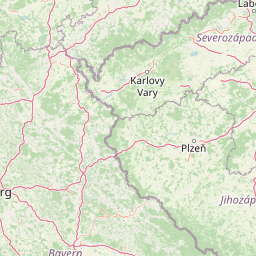
Map view of Prácheň Nature Reserve

Use this park location map to pinpoint Prácheň Nature Reserve in Czechia, understand its exact geographic position, and read its mapped placement within the surrounding landscape more clearly.

Pigeon | © OpenStreetMap contributors

Location context for Prácheň Nature Reserve

Plzeňský kraj

Explore protected area views, terrain features, and forest habitats across the reserve.

Prácheň Photos and Landscape Scenery: Visualizing the Protected Woodland

Visual documentation of Prácheň reveals the rugged forested terrain, deciduous woodland canopies, and historic hilltop features of the protected area. Examining these detailed landscape photographs helps researchers understand the environmental character, slope microclimates, and regional setting of the reserve.

A thick, green, leafy forest with many tall trees and dense undergrowth in the Prácheň nature reserve.

Park atlas

Compare adjacent forest reserves, hill sanctuaries, and regional protected natural areas.

Exploring Parks Near Prácheň and Surrounding Protected Landscapes in Southwestern Czechia

Visitors exploring Prácheň can continue comparing neighboring forest reserves and regional protected landscapes across the surrounding Bohemian hills. Expanding the geographic scope reveals connected conservation areas and helps place local woodland habitats into a broader regional context.
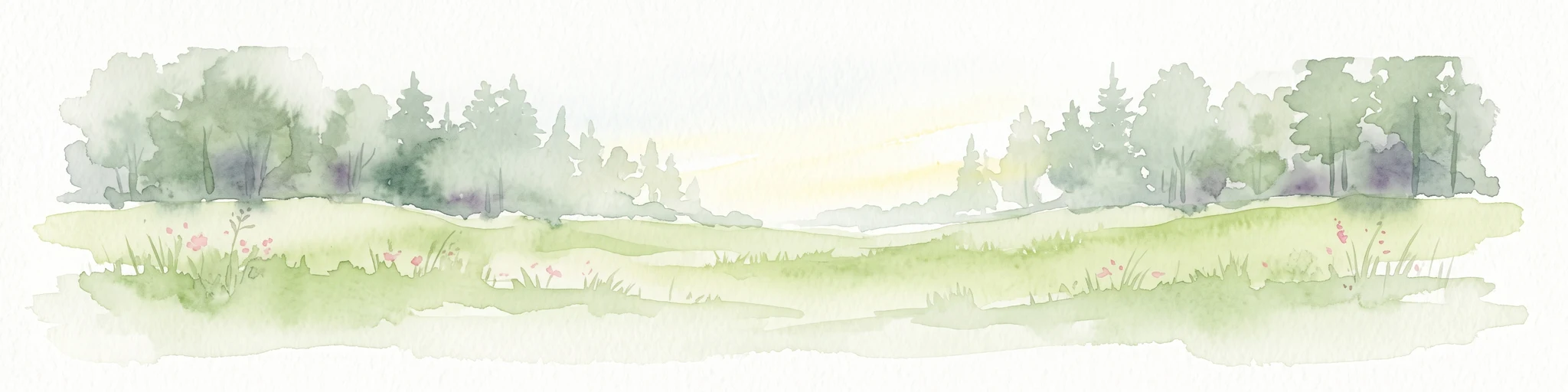
A horizontal watercolor painting showing rolling green hills and distant purple ridges against a white background.
Protected landscapeKlatovy District
About 9.4 km away#1 closest

West

Přírodní park Buděticko: Protected Landscape and Geographic Atlas of Klatovy District

Orchid-rich meadows and riparian terrain in the Bohemian foothills

Přírodní park Buděticko serves as a vital protected landscape in the Klatovy District, characterized by the transition between the Šumava foothills and broader upland plains. This area supports a mosaic of orchid-rich limestone meadows and riparian habitats along the Otava River. Discover the park's geological character and its integration of natural biodiversity with the cultural heritage of southwestern Bohemia.

Area
44 km²
Established
1994
Relief
Upland
Climate
Temperate
A watercolor painting showing a panoramic view of soft rolling green hills, a small stream, and wildflowers in the foreground.
Natural monumentJihočeský kraj
About 15 km away#2 closest

Northeast

Smyslov Natural Monument: Mapping Protected Habitats in the South Bohemian Region

Traditional pastoral landscapes and botanical meadow mosaics

Smyslov stands as a significant natural monument in the Jihočeský kraj, illustrating the traditional ecological structure of the Blatná area. The site is defined by its tight combination of dry, rocky slopes featuring juniper, and shallow depressions hosting moisture-loving vegetation. Explore this distinct protected area to understand its role in conserving rare meadow flora and traditional South Bohemian terrain.

Area
0.078 km²
Established
1990
IUCN
IV
Relief
Lowland
A watercolor painting of soft green rolling hills and small clusters of pine trees against a light sunset sky.
Natural monumentJihočeský kraj
About 16 km away#3 closest

East

Ryšovy Natural Monument and Botanical Protected Area in Jihočeský kraj

Exploring limestone woodland terrain and rare floral habitats

Ryšovy is a notable natural monument in the Czech Republic, defined by its characteristic limestone bedrock and the resulting diverse herb layer. This protected area creates a significant botanical stronghold within the wider landscape of the Jihočeský kraj, featuring a mosaic of woodland patches and sun-exposed clearings that support protected orchids and other rare thermophilous plant species.

Area
0.35 km²
Established
1990
IUCN
IV
Relief
Upland
Natural monumentPlzeňský kraj
About 17 km away#4 closest

Northwest

Velký kámen Natural Monument: Protected Siliceous Outcrops and Regional Geography

Geological landscape within the Plánický hřeben area of Plzeňský kraj.

Velký kámen serves as a notable protected landmark featuring an elongated siliceous rock formation and remnants of natural beech forest. Its location on the V Kopaninách hillside makes it a key feature of the broader regional geography, while its status as both a natural monument and an Eneolithic archaeological site provides a layered perspective on the Bohemian landscape.

Area
0.012 km²
IUCN
IV
Relief
Upland
Scope
Terrestrial
Watercolor illustration of a river flowing through a forested landscape with rolling hills in the background
National parkSouth Bohemian Region
About 23 km away#5 closest

South

Šumava National Park: Czech Republic's Premier Forested National Park and Protected Landscape

Explore the unique glacial lakes, peat bogs, and regional geography.

Šumava National Park, situated in the South Bohemian Region of the Czech Republic, is the nation's largest protected area and a vital component of Central Europe's forest ecosystems. This entry details its expansive terrain, highlighting the significant peat bog complexes and ancient glacial lakes that define its unique landscape. Discover the park's geographic context, mapped boundaries, and its importance as a protected natural asset within the broader regional atlas.

Area
680.64 km²
Established
1991
IUCN
II
Visitors
2M annual
Watercolor painting of a soft, panoramic landscape with rolling green hills, a gentle path or stream, and misty mountain silhouettes in the background under a pale sky.
Natural monumentStrakonice District
About 23 km away#6 closest

Southeast

Na Opukách Natural Monument: Protected Calcareous Landscapes in Strakonice District

Botanical richness and geological geography of a unique Bohemian hilltop reserve

Na Opukách protects a specialized environment of dry grassland and opuka outcrops that remain rare within the wider Strakonice foothills. This site provides a focused look at how specific sedimentary geology supports diverse orchid populations and hardy meadow flora within a predominantly forested regional geography.

Area
0.348 km²
Established
1996
IUCN
IV
Relief
Upland
Watercolor painting of a grassy meadow bordered by a forest line with soft green and muted earth tones.
Nature reserveJihočeský kraj
About 24 km away#7 closest

South

Rašeliniště u Martinala: A Protected Nature Reserve in the Jihočeský kraj Foothills

Mapping transitional bog ecosystems and submontane habitats

Located in the Šumava foothills, Rašeliniště u Martinala is a protected nature reserve defined by its dual-parcel structure of peat-forming wetlands and juniper-rich dry grasslands. This site acts as a key ecological node, supporting a high density of protected species within the Jáchymovský potok drainage basin and representing a refined example of south Bohemian submontane landscape character.

Area
0.095 km²
Established
2011
IUCN
IV
Relief
Upland
A wide watercolor illustration showing a pale landscape with a stream, rocky banks, distant hills, and pink and green grass in the foreground.
Natural monumentJihočeský kraj
About 24 km away#8 closest

East

Michovka Natural Monument: Protected Limestone Landscapes in the South Bohemian Region

A diverse protected area in the Písek District of the Czech Republic.

Located on the outskirts of Brloh u Drhovle, Michovka encompasses a distinctive mix of fishponds, limestone-rich rocky slopes, and rare short-sedge vegetation. This compact protected area provides a vital habitat for endangered wildlife and represents an important segment of the South Bohemian natural terrain.

Area
0.025 km²
Established
1985
IUCN
IV
Relief
Lowland

Common questions about visiting, size, designation, and location context for Prácheň Nature Reserve

Prácheň Nature Reserve FAQs for park facts, access, geography, and protected area context

Find quick answers about Prácheň Nature Reserve, including protected-area facts, park geography, trail and visitor context, and how the park fits into its surrounding country and regional landscape.
MoriAtlas Explorer

Continue Your Protected Areas Search Across the Global Atlas

Deepen your exploration by continuing the structured search for national parks and protected areas worldwide. Utilize the comprehensive filtering capabilities to compare different conservation landscapes and refine your understanding of global park geography. Discover more about the distribution and characteristics of protected natural areas.

Global natural geography