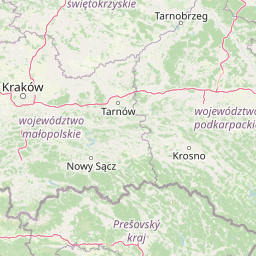
Why Pstroszyce Natura 2000 Site stands out
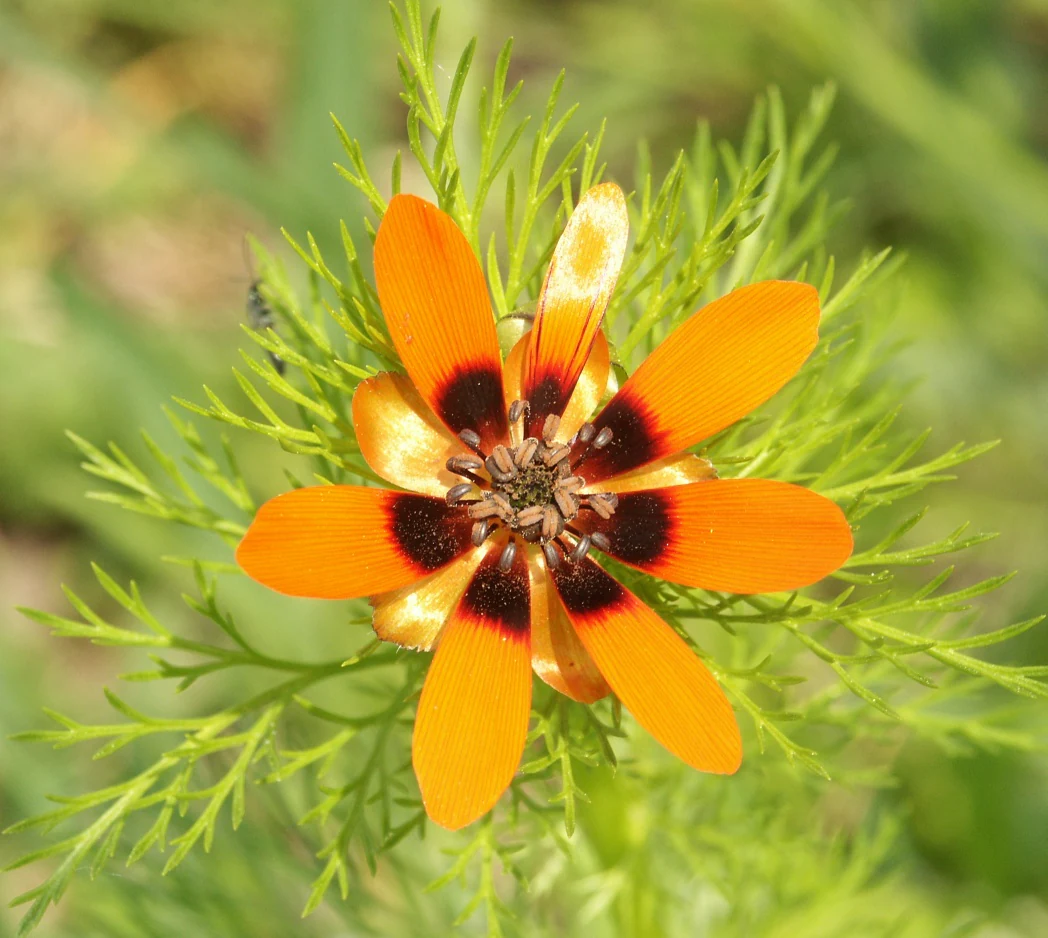
Pstroszyce is best known for preserving one of the characteristic dry, sun-exposed xerothermic grasslands of the Miechów Upland, paired with fragments of oak-hornbeam forest. The site is a stronghold for steppe-like and calcareous-loving plants such as golden flax (Linum flavum), summer pheasant's eye (Adonis aestivalis), Siberian bellflower (Campanula sibirica), and the military orchid (Orchis militaris). Within the regional Natura 2000 framework, it represents the broader effort to protect vanishing warm-loving grassland habitats on Polish limestone uplands.
Pstroszyce Natura 2000 Site history and protected-area timeline
The Pstroszyce area was formally identified and proposed as part of Poland's contribution to the European Union Natura 2000 ecological network in the years leading up to 2011, when it was officially entered into the register of Sites of Community Importance. Its designation reflects the broader recognition during the early twenty-first century that the xerothermic grasslands of the Miechów Upland represented a high conservation priority due to their ecological uniqueness and the rapid loss of similar habitats across central Europe.
The site's history is closely linked to the regional inventory and conservation planning of the Małopolska Voivodeship, where researchers from the Institute of Nature Protection of the Polish Academy of Sciences documented key xerothermic grassland patches and recommended them for formal protection. The 2009 publication on Natura 2000 areas in Małopolska highlighted Pstroszyce among the priority grassland sites of the Miechów region, helping to justify its inclusion in the Natura 2000 network.
Pstroszyce Natura 2000 Site landscape and geographic character
The physical setting of Pstroszyce lies on the Miechów Upland, a limestone plateau characterized by gently undulating terrain shaped by underlying Jurassic limestone bedrock. Shallow, often rocky soils cover much of the surface, and the topography favors sun-exposed slopes and ridges where grasses and forbs dominate. Dry valleys and low escarpment edges create transitions between open grassland and small groves, producing the mosaic of dry meadow and woodland that defines the local landscape.
The site's modest size of under 20 hectares means the landscape is intimate rather than expansive, but the combination of elevation, exposure, and geology produces unusually warm microclimates. Stone-rich substrates, low soil depth, and good drainage contribute to a steppe-like character, distinguishing this terrain from the surrounding more fertile lowlands of the Miechów region.
Pstroszyce Natura 2000 Site ecosystems, habitats, and plant life
The ecological identity of Pstroszyce rests on its protection of two habitat types listed under Annex I of the EU Habitats Directive. The first, xerothermic grassland of the Inuletum ensifoliae type, is a sparse, colorful community of grasses and flowering plants adapted to drought, heat, and shallow calcareous soils. The second, the oak-hornbeam forest (Tilio-Carpinetum), represents the regional deciduous woodland typical of fertile, moderately moist lowland and upland sites, supporting characteristic tree species such as small-leaved lime and hornbeam.
Together, these habitats form a fine-scale ecological mosaic that supports exceptionally high plant diversity for such a small surface area. The grassland component in particular is a refuge for many protected and rare species of calcareous and steppe-like flora, while the forest patches provide ecological contrast and serve as refugia for woodland species. The combination is characteristic of Natura 2000 sites in the Miechów Upland, where protected grasslands and relict broadleaf forest meet.
Pstroszyce Natura 2000 Site wildlife and species highlights
Because Pstroszyce is a small habitat-focused site, it is recognized primarily for its botanical rather than faunal significance. Its open grassland structure, however, also provides habitat for pollinators and grassland-associated invertebrates, while the forest patches host typical woodland bird and small-mammal communities associated with oak-hornbeam woodland in central Poland. Detailed species lists focus on the flora, and source documentation does not provide extensive wildlife data, so fauna-specific details are limited.
Pstroszyce Natura 2000 Site conservation status and protection priorities
Pstroszyce was designated as a Site of Community Importance under the EU Natura 2000 network to safeguard one of the threatened xerothermic grassland ecosystems of the Miechów Upland. Its conservation value lies in the combination of two protected habitat types within a single small area, and in the unusually rich presence of protected plant species for a site of this size. The designation contributes to the broader Polish Natura 2000 strategy of maintaining and restoring calcareous dry grasslands, a habitat type that has declined substantially across Europe in recent decades.
Beyond habitat preservation, the site plays a role in regional ecological connectivity, forming part of a network of small protected grassland patches across the Miechów Upland together with the neighboring Widnica Natura 2000 area. This clustering of reserves is critical for the long-term survival of thermophilic plant species, which depend on the persistence of multiple grassland refugia across the landscape.
Top sights and standout views in Pstroszyce Natura 2000 Site
Pstroszyce stands out as a microcosm of the Miechów Upland's biodiversity, combining two major habitat types within a footprint of around 19 hectares. Its standout feature is the xerothermic grassland, which supports steppe-like species at the northwestern edge of their European range. The site is also notable for the unusually dense presence of protected plant species, including orchids such as Orchis militaris and characteristic calcareous grassland plants like Linum flavum and Campanula sibirica. As part of the Natura 2000 network in Małopolska, Pstroszyce contributes to a regional effort to preserve vanishing dry grassland ecosystems in southern Poland.
Best time to visit Pstroszyce Natura 2000 Site
The site is best appreciated in late spring and early summer, when the xerothermic grassland is in peak bloom and the protected plants such as orchids, bellflowers, and golden flax are visible. Visiting in early summer also highlights the insect and pollinator activity typical of warm dry grasslands. Midsummer retains strong botanical interest, while autumn visits offer a quieter landscape and insight into the structural contrast between grassland and forest patches. The area is generally accessible year-round, though visitors should note that it is a small ecological site rather than a developed visitor attraction.