
Why Ražický rybník Natural Monument stands out
Ražický rybník is best known as a breeding site for protected wetland birds in the South Bohemian pond landscape. The pond and its surrounding waterlogged meadows support nesting populations of species such as the northern lapwing, common redshank, and common snipe, and the area is also recognized for the critically endangered Eurasian golden oriole. The site also features rare aquatic plants along its banks and shallows, including the protected tufted loosestrife and, historically, very rare pondweed species documented within the reservoir itself.
Ražický rybník Natural Monument history and protected-area timeline
The site has been recognized as a protected area since 1 February 1986, when it was declared a přírodní památka by the District National Committee of Písek. Its very early registration number (1001) in the Czech nature conservation database indicates that it was among the first wave of small-scale sites formally protected under the modern Czech system.
Between 2011 and 2012, the reserve underwent a significant habitat restoration focused on the littoral zone of the pond. As part of this project, six new small pools (tůně) were constructed along the shoreline, and woody vegetation was thinned to open up habitat for ground-nesting birds and maintain the wetland character of the margins. The work was funded through the Operational Programme for the Environment, with about 85 percent of the project financed by the European Regional Development Fund, 5 percent by the State Environmental Fund of the Czech Republic, and 10 percent contributed by the city of Písek. The total project cost was approximately 1.5 million Czech crowns.
Ražický rybník Natural Monument landscape and geographic character
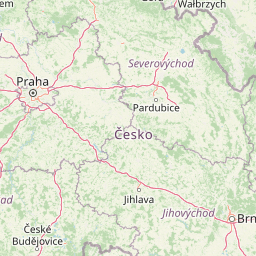
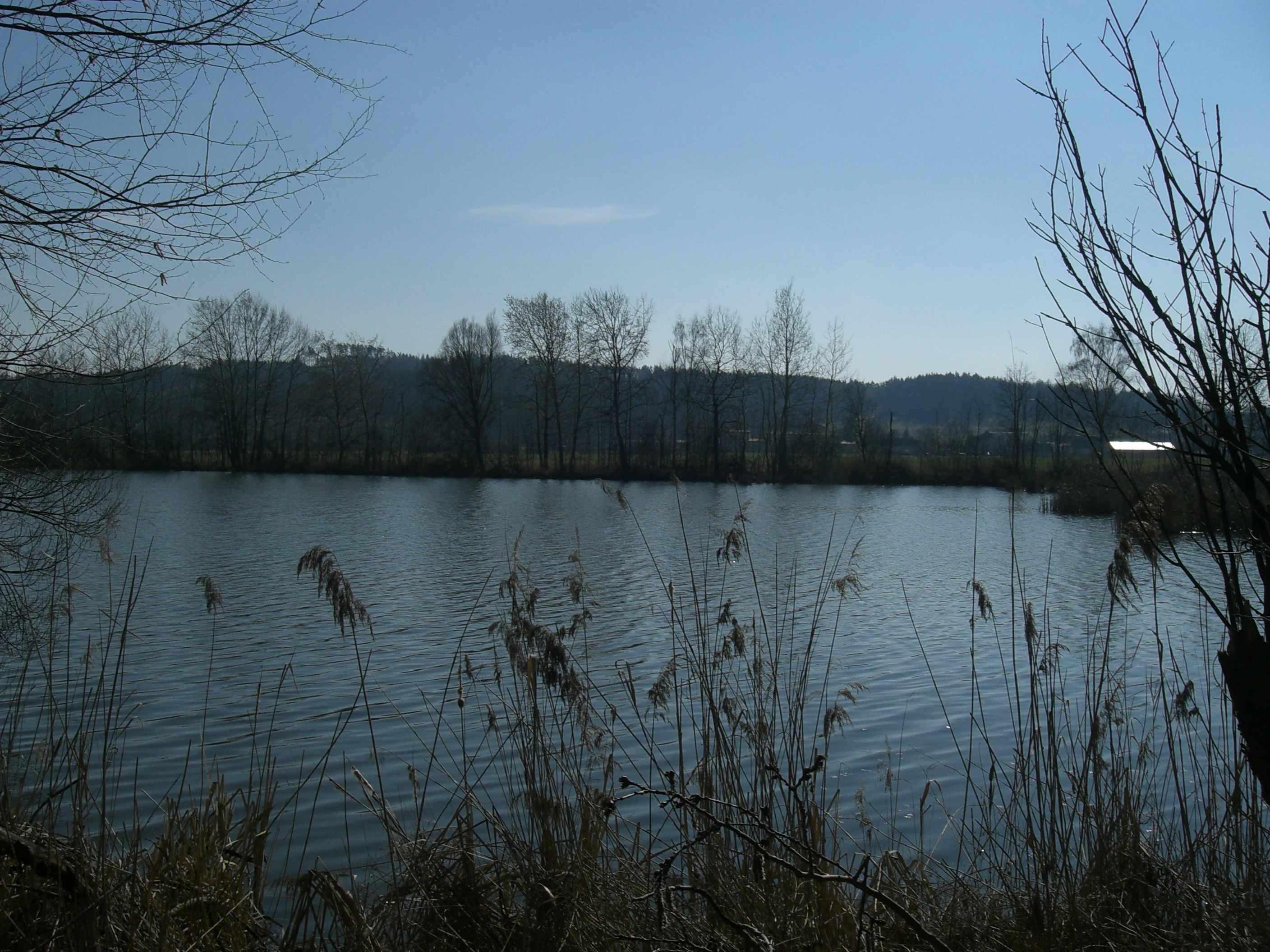
The landscape of Ražický rybník is defined by a single shallow fishpond and the waterlogged meadows that fringe it. The terrain is low-lying, part of the broad Otava river lowland in the Písek District, and sits at roughly 370 meters above sea level. The pond's dam is a visible feature in the local scene, and the area can be reached from a paved road between Ražice and Písek via a field track leading to the dam.
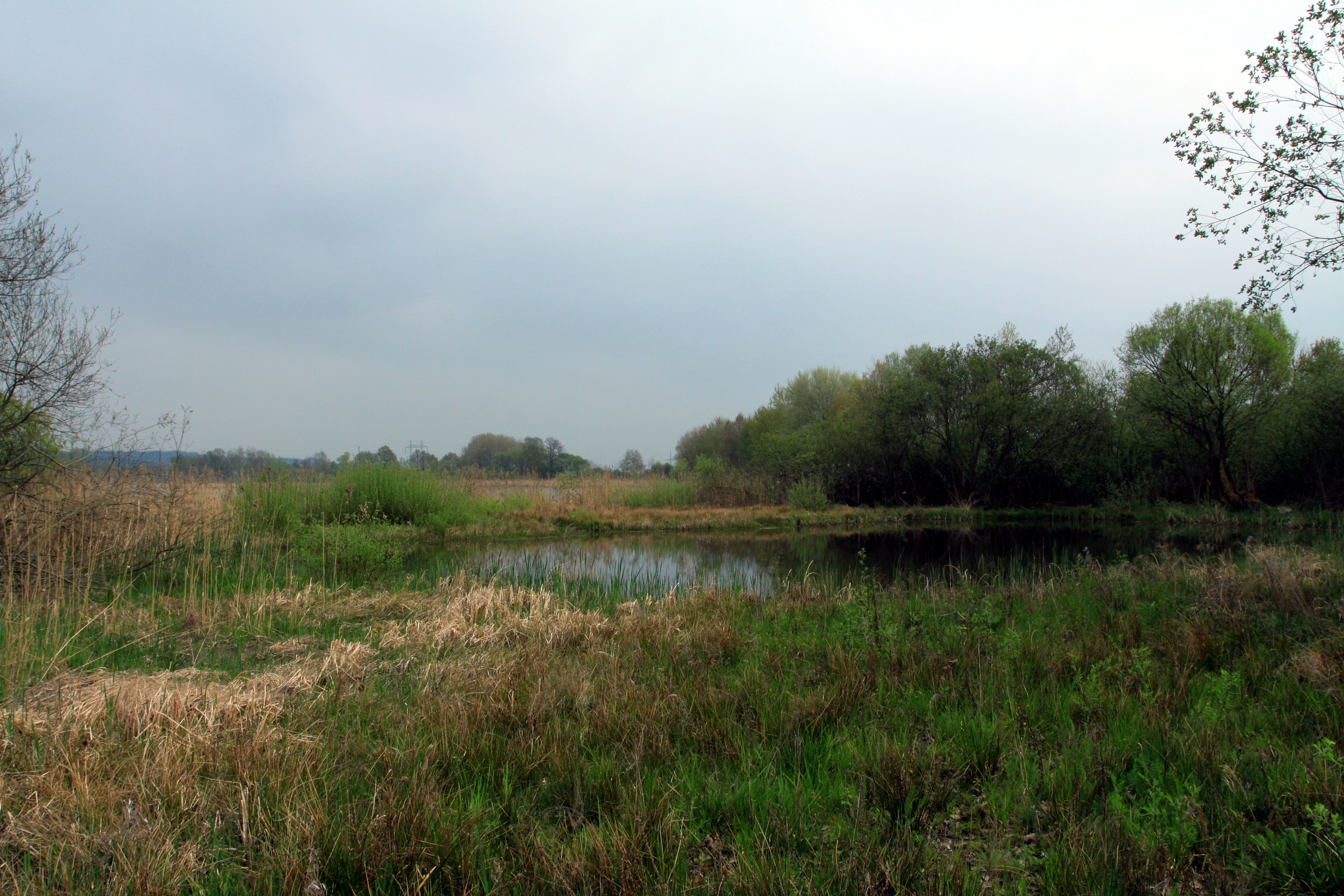
The surrounding land is a mixture of meadows, light woodland strips, and wetland margins, producing a soft, open character rather than a dramatic landscape. During the 2011 to 2012 restoration, six new small pools were dug to break up the shoreline and create additional shallow wetland microhabitats, further diversifying the local terrain from an originally simpler pond-meadow edge into a more varied mosaic of small water bodies and reed-fringed margins.
Ražický rybník Natural Monument ecosystems, habitats, and plant life
Ecologically, Ražický rybník belongs to the South Bohemian pond-meadow wetland system, shaped by long-standing human management of the landscape for fisheries. The combination of open water, littoral shallows, and seasonally waterlogged meadows supports a mosaic of habitats that are scarce at the broader landscape scale.
The water margins host protected plant communities, including stands of tufted loosestrife (Lysimachia thyrsiflora) growing along the banks. The pond itself has historically hosted very rare submerged aquatic plants, including the grass-leaved pondweed (Potamogeton gramineus) and the shining pondweed (Potamogeton lucens), which highlight the ecological quality of the open water habitat.
The construction of six small pools along the shoreline during the 2011-2012 restoration significantly increased the diversity of shallow-water and emergent habitats within the site, reinforcing the natural character of the littoral zone.
Ražický rybník Natural Monument wildlife and species highlights
Ražický rybník's conservation value is driven primarily by its bird fauna, particularly the waders and passerines that breed in and around the pond and its meadows. Nesting species documented on or near the site include the northern lapwing (Vanellus vanellus), the common redshank (Tringa totanus), and the common snipe (Gallinago gallinago), all of which are associated with open, waterlogged grassland and shallow wetland margins.
The site also supports a breeding population of the Eurasian golden oriole (Oriolus oriolus), which is classified as critically endangered in the Czech Republic and gives the area added conservation significance beyond the more typical wetland species. The proximity of the much larger Řežabinec and Řežabinecké tůně reserve means that the broader area functions as a network of complementary breeding sites rather than an isolated patch.
Ražický rybník Natural Monument conservation status and protection priorities
Ražický rybník has been protected since 1986 as a přírodní památka, a conservation category focused on specific habitats or species of interest. The reserve's legal designation emphasizes the importance of its breeding bird populations and associated wetland habitats, which are otherwise increasingly rare in intensively farmed lowlands.
A major conservation intervention took place between 2011 and 2012, when the littoral zone was reshaped through the creation of six new small pools and the selective thinning of woody vegetation. This project aimed to maintain and improve conditions for ground-nesting birds and for aquatic plant communities, demonstrating active management of the site rather than passive protection alone. The work was financed largely through EU structural funds and Czech national environmental funds, with additional support from the city of Písek.
Administratively, the reserve is supervised by the regional office in České Budějovice of the Agency for Nature Conservation and Landscape Protection of the Czech Republic, ensuring standardized monitoring and management coordination across the South Bohemian protected-area network.
Top sights and standout views in Ražický rybník Natural Monument
Ražický rybník combines a small-scale fishpond, waterlogged meadows, and restored wetland margins into a focused refuge for protected waterbirds in the South Bohemian lowlands. Its long-standing formal protection, dating to 1986, and its very early registration number within the Czech system underline how quickly its ecological value was officially recognized.
The reserve's restoration work between 2011 and 2012, which added six new pools and opened up marginal habitat, shows how a modest site can be actively improved for breeding waders and rare aquatic plants such as tufted loosestrife and several rare pondweeds. Positioned next to the larger Řežabinec reserve, Ražický rybník plays a supporting role in one of the most important wetland bird breeding regions in the Czech Republic.
Best time to visit Ražický rybník Natural Monument
The reserve is a working wetland within the South Bohemian fishpond landscape, and its character shifts with the seasons in ways that matter for both scenery and wildlife observation. Spring and early summer are typically the most rewarding periods for birdwatching, when waders such as lapwings and redshanks are actively nesting on the meadows and the restored pools around the shoreline are in use; this is also when wetland vegetation is at its most visible and the surrounding meadows are green and lush.
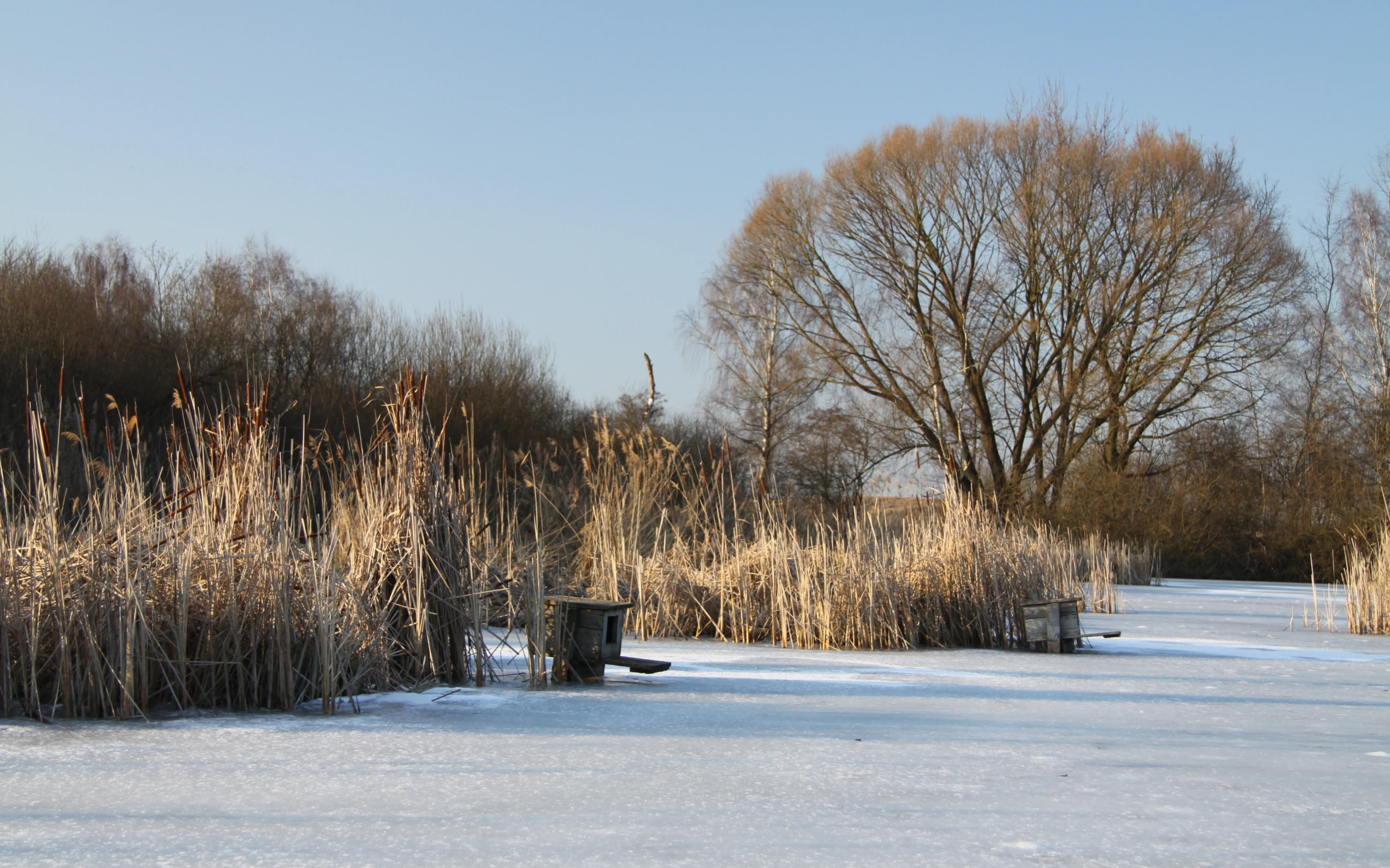
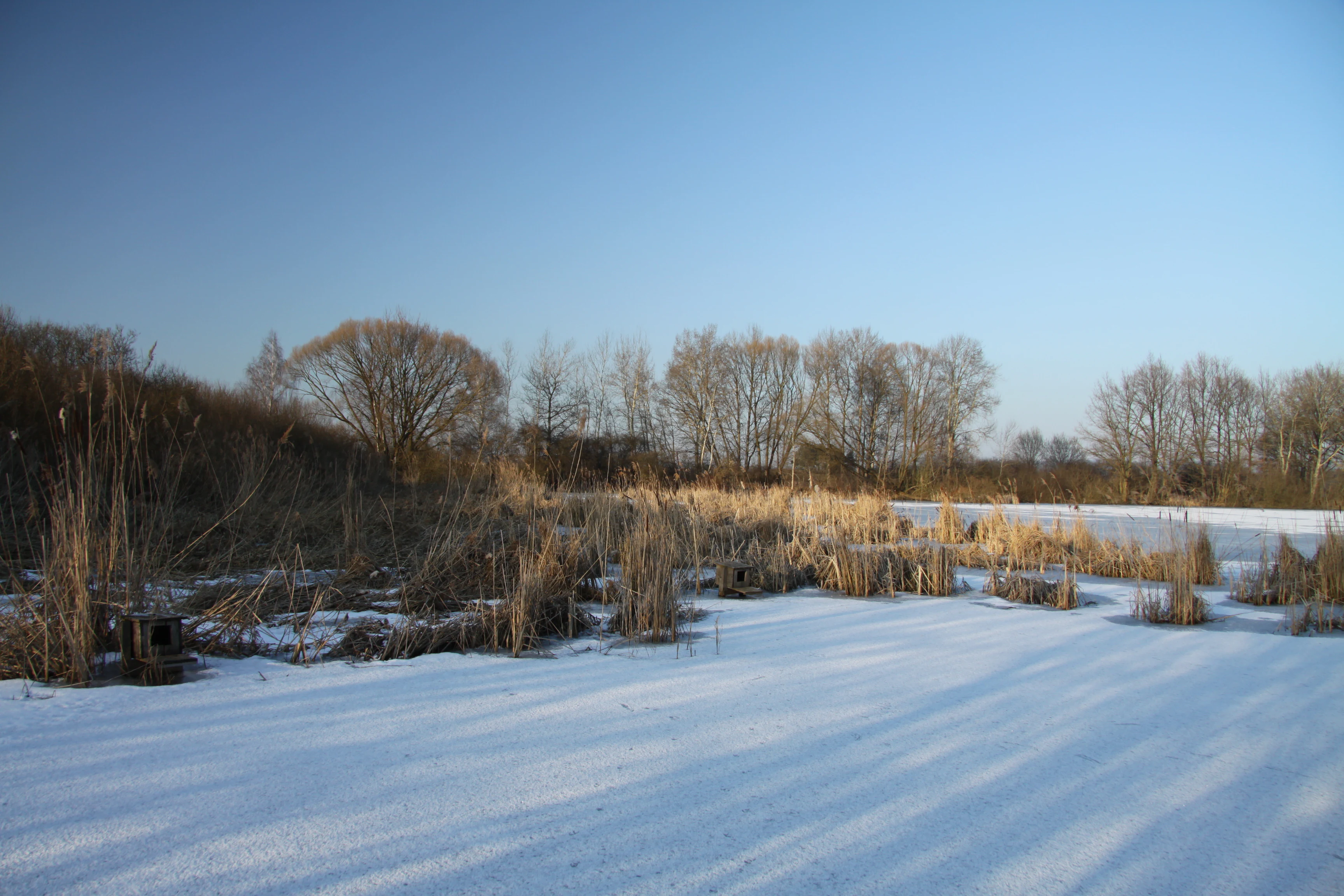
Late autumn and winter, when the pond freezes and the surrounding meadows become damp and muted, give a very different feel and historically have made the pond a notable photographic subject in winter conditions. Access is generally easiest in milder months, when the field track from the Ražice-Písek road toward the dam is in good condition, but the site's quiet, low-lying character means that any season can offer a calm, contemplative view of a traditional Czech pond landscape.