Why Jodłowice Nature Reserve stands out
Jodłowice Nature Reserve is best known for protecting what is considered the northernmost natural stand of European silver fir in this part of Poland. The reserve was established specifically to safeguard this forest community, and the silver fir presence gives the protected area its name and its principal scientific value. Secondary points of recognition include a notable glacial erratic boulder designated as a natural monument, and the presence of a black stork nesting territory within or adjacent to the reserve. Together, these features give the small reserve a layered identity that combines forest biogeography, Quaternary geology, and rare birdlife.##
Jodłowice Nature Reserve history and protected-area timeline
The reserve was established on 20 March 1958 by an order of the Minister of Forestry and the Wood Industry, which formally recognized the area around Jodłowice as a nature reserve under Polish law. The founding designation appeared in the Polish legal gazette, and a subsequent ministerial order of 1 July 1964 amended the original establishment to refine administrative details.
A more recent administrative step occurred on 28 January 2011, when the Regional Director of Environmental Protection in Wrocław issued a new order specifically addressing the Jodłowice reserve. This updated the legal framework for the protected area and reflected the shift in Polish conservation administration following the creation of regional environmental protection authorities.
The original founding act specified a slightly larger area than the reserve covers today, listing 9.66 hectares, while the current recognized size is approximately 9.36 hectares. The reserve has therefore been in continuous legal protection for more than six decades, with its identification firmly tied to the silver fir forest it was created to safeguard.##
Jodłowice Nature Reserve landscape and geographic character
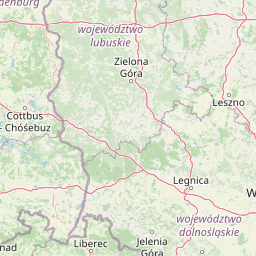
The reserve lies within the Pradolina Wrocławska, a broad glacial valley mesoregion characterized by flat to gently undulating lowland terrain shaped by Pleistocene glaciation. Locally, the protected area consists of lowland forest growing on glacial and post-glacial sediments typical of the wider Wrocław plain south of the Odra river basin.
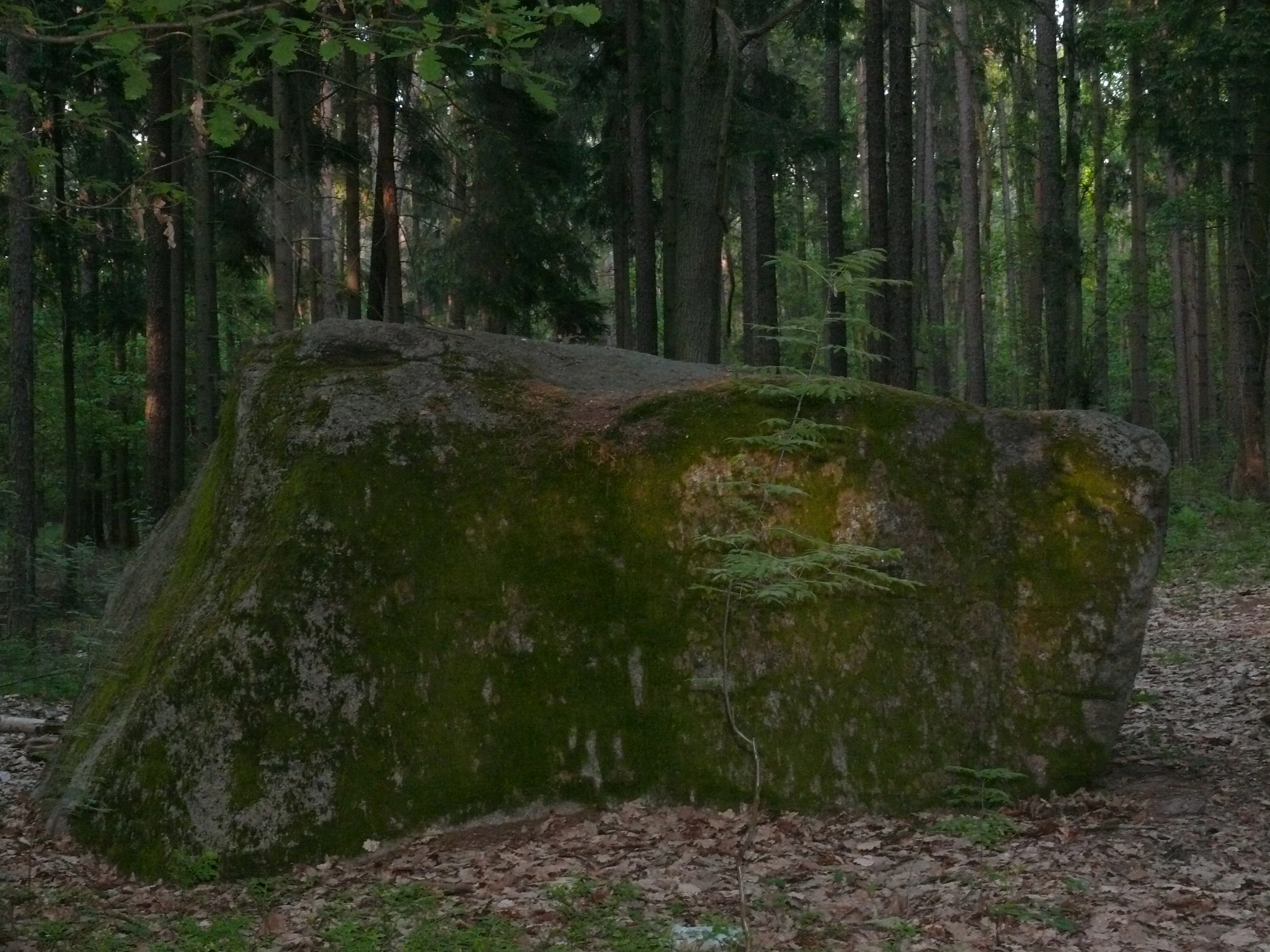
A notable surface feature of the immediate surroundings is a large glacial erratic boulder, a remnant of Ice Age transport that now stands as a natural monument near or within the reserve. Such boulders are characteristic of the northern European lowlands and frequently mark the geological history of forests across Lower Silesia.
Despite its small footprint, the reserve captures a representative slice of lowland woodland landscape in this part of Poland, framed by agricultural land and the gentle valley topography that defines much of the Pradolina Wrocławska. The combination of mature forest, glacial geology, and open surroundings gives the site a layered physical character well beyond its modest size.##
Jodłowice Nature Reserve wildlife and species highlights
The reserve's most distinctive animal feature is the nesting presence of the black stork, a secretive forest-dwelling wading bird that depends on large, undisturbed woodland tracts and clean freshwater foraging sites. The species is highly valued in European conservation and its nesting in or adjacent to a small lowland reserve like Jodłowice marks the area as a locally significant site for rare breeding birdlife.
The mature mixed forest composition, built around silver fir and likely associated broadleaf species, provides the structural diversity and canopy cover that black storks require for nesting. Surrounding wet depressions, ditches, and watercourses of the Pradolina Wrocławska offer potential foraging habitat for the species during the breeding season.
Beyond the black stork, the forest community of the reserve supports the broader fauna typical of lowland mixed woodland in Lower Silesia, including common woodland birds, small mammals, and insects associated with mature coniferous and mixed stands. The combination of fir forest, mature canopy structure, and a glacial boulder landscape provides varied microhabitats across the reserve's modest area.##
Jodłowice Nature Reserve conservation status and protection priorities
Jodłowice Nature Reserve was established specifically to protect a forest community that represents a significant biogeographical outlier, namely a natural silver fir stand near the northern edge of the species' lowland distribution in this part of Poland. By safeguarding this community, the reserve contributes to the conservation of forest genetic resources and habitat continuity for species dependent on mature fir-influenced woodland.
The reserve is legally classified as a forest phytocenotic reserve under active protection, which means that managers may intervene to maintain or restore the forest's characteristic features rather than simply leaving it to passive protection. This active approach is particularly relevant for silver fir, a species whose regeneration can be sensitive to changes in light, ground vegetation, and browsing pressure.
The site's additional features, including a registered erratic boulder natural monument and the presence of a black stork nesting territory, broaden the conservation profile beyond forest botany into Quaternary geology and rare breeding bird protection. Together, these layered values justify the reserve's continued place within the formal network of protected areas in Lower Silesia.
Jodłowice Nature Reserve cultural meaning and human context
Near the reserve stands an old monolithic stone cross, reaching roughly two meters in height, whose exact origins and purpose are not conclusively documented. The cross has on occasion been described in local accounts as a medieval penitential cross, a category of monuments typically associated with specific ritual practices, but the source material emphasizes that no firm evidence directly supports this identification.
Instead, the cross is most accurately understood as a generic early stone wayside or memorial cross whose original context is unknown. The popular habit of classifying any unattributed old stone cross as a penitential cross reflects a common interpretive pattern in regional heritage literature rather than documented historical proof.
Whatever its precise background, the cross and the reserve together form a small local landmark complex where deep-rooted natural heritage and folk-religious cultural heritage sit side by side in the Lower Silesian countryside.##
Top sights and standout views in Jodłowice Nature Reserve
The most compelling highlights of Jodłowice Nature Reserve include the protected silver fir forest making up the core of the reserve, the registered glacial erratic boulder marking the site's geological character, and the nesting presence of the black stork as a stand-out wildlife feature. Each of these elements contributes to a layered identity that distinguishes the reserve from broader forest areas in the region.
Equally notable is the reserve's active conservation status, which signals ongoing stewardship rather than passive protection, and the surrounding landscape of the Pradolina Wrocławska, which frames the reserve in a classic lowland glacial valley setting. The presence of an old stone cross near the protected area adds a quiet cultural marker that complements the natural values without overshadowing them.##
Best time to visit Jodłowice Nature Reserve
The reserve can be appreciated at any time of year, but the late spring months typically bring the freshest expression of the mixed fir forest and the highest activity levels for woodland birds, including the black stork during its breeding season. Late spring and early summer are often the most rewarding window for observing forest structure and birdlife together.
Autumn highlights the textural contrast between mature fir canopy and surrounding lowland landscape, while winter offers the clearest views into the forest interior and into the erratic boulder site, when foliage is at its minimum. Regardless of season, the reserve's quiet, compact character rewards unhurried walks rather than rapid sightseeing.##