Why Modrzewie Nature Reserve stands out
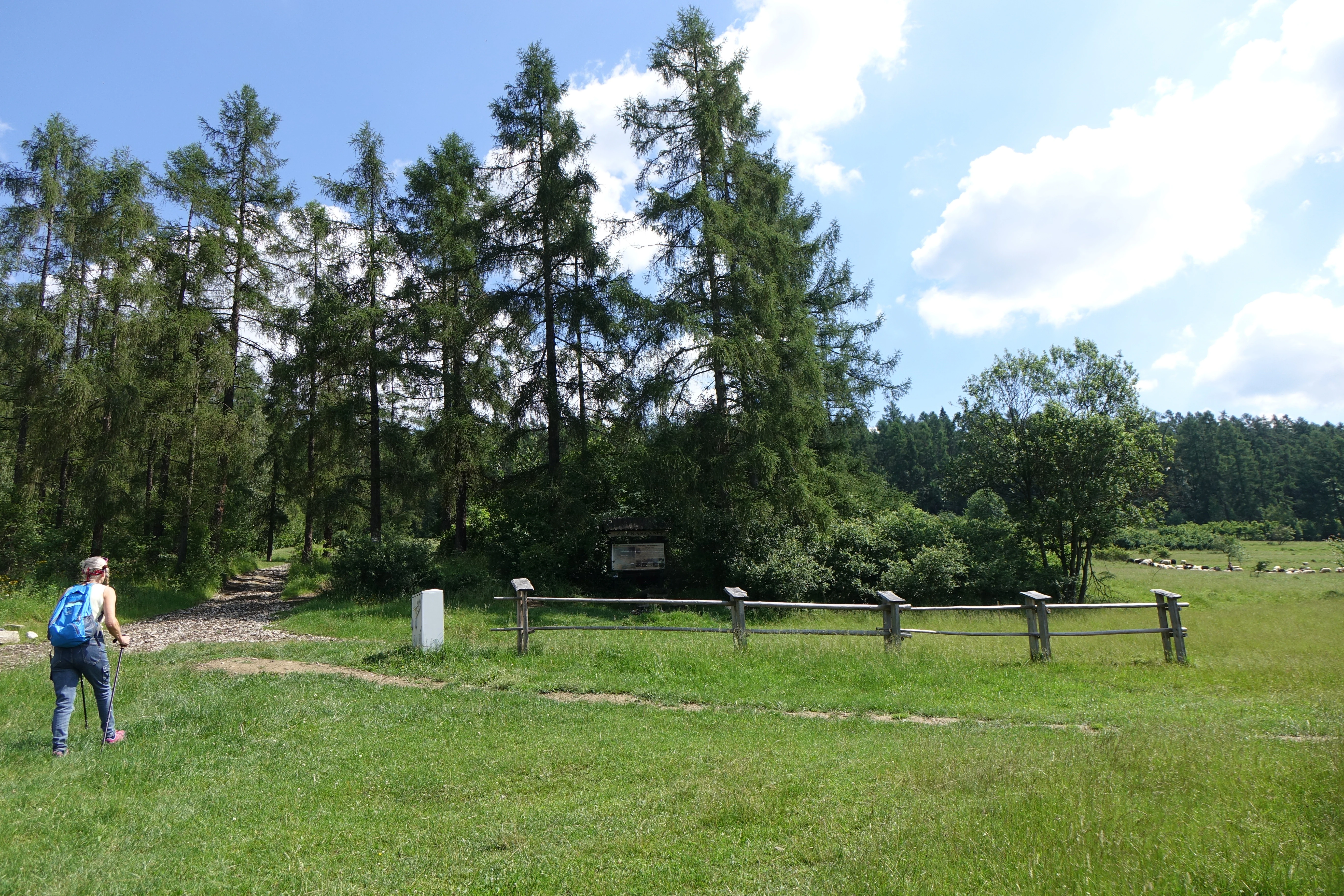
Modrzewie is best known for its old-growth larch stand, one of the few protected Polish larch populations in the Gorce mountains. The reserve was specifically created to safeguard these trees, which represent a relic forest type within the Carpathian landscape. The larch specimens here are notable for their age and size, described in scientific literature as roughly 80 to 100 years old, reaching heights of 20 to 22 meters and displaying trunk diameters of 45 to 50 centimeters. Their exact taxonomic position has been the subject of botanical discussion, as they show intermediate features between Polish larch and European larch, giving the site additional scientific interest beyond its conservation value.
Modrzewie Nature Reserve history and protected-area timeline
The Modrzewie reserve was formally established in 1959 by a Polish legal decree, making it part of the post-war wave of nature reserve designations intended to protect representative forest communities and rare tree populations across the country. Its founding act originally listed an area of 10.43 hectares, which has since been more precisely measured at 10.67 hectares.
The reserve's history is closely tied to the recognition of the local larch stand as a forest type worthy of dedicated protection. Scientific studies carried out in the 1980s described the larch specimens as 80 to 100 years old at the time, growing in a relatively open canopy and reaching significant heights and diameters for the species in this region. These observations reinforced the site's importance as a refugium for larch and informed its continued protection.
In 2015, a yellow-marked tourist hiking trail from Kluszkowce to Lubań was routed through the reserve, increasing public awareness of the site. A formal protection plan was adopted in 2017, placing the reserve under active conservation management, which means specific measures can be taken to maintain and enhance the ecological conditions of the protected forest.
Modrzewie Nature Reserve landscape and geographic character
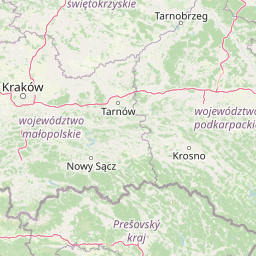
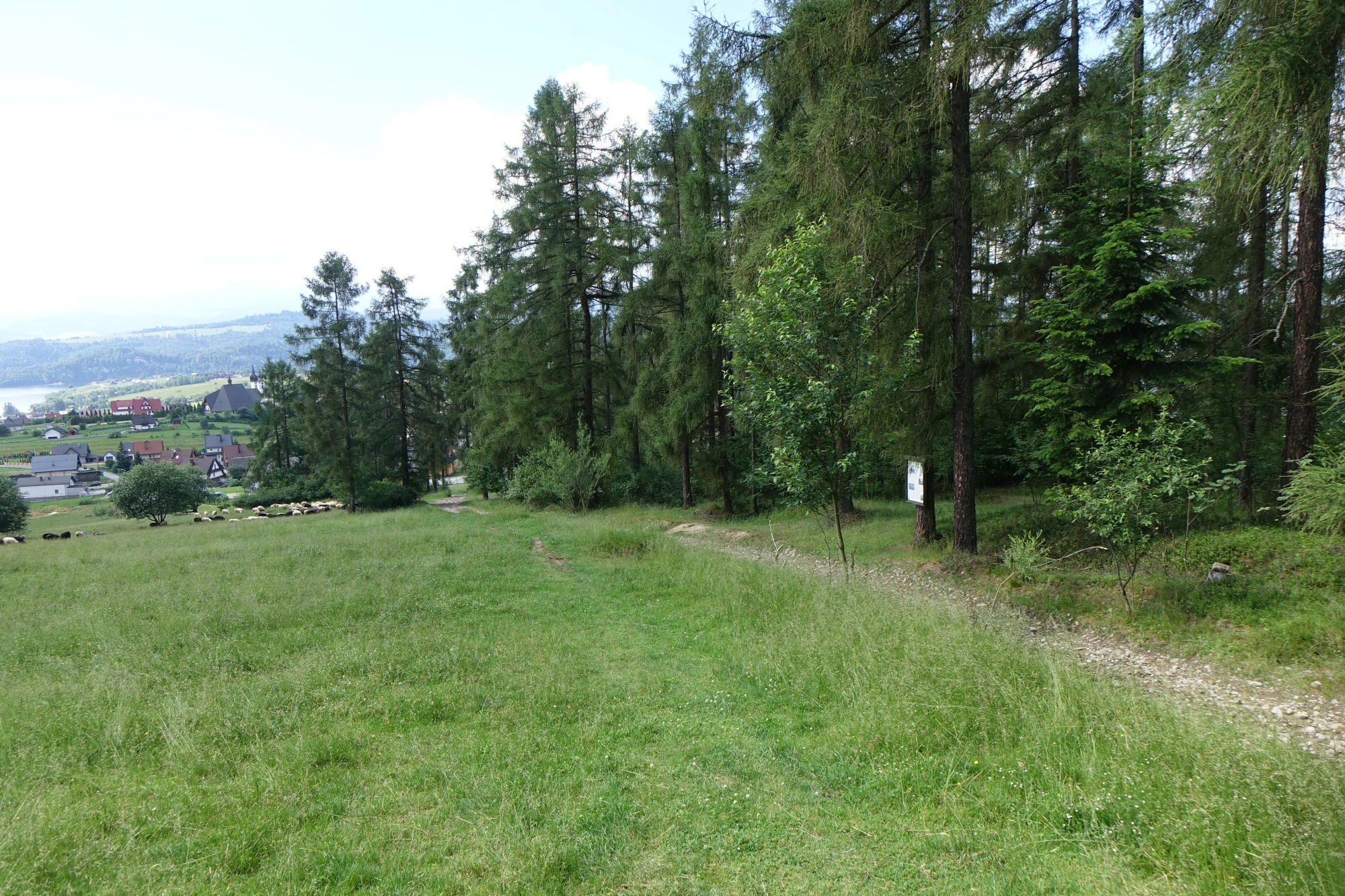
The reserve occupies a clearly defined portion of the lower southern slope of Lubań, a notable peak within the Gorce mountain range. Its elevation range, from about 640 to 670 meters above sea level, places it in the forest belt of the Carpathians, below the higher subalpine zones of Lubań but above the lower valleys.
The terrain is shaped by mountain slope processes, with a gentle to moderate gradient that supports forest development. The site sits within the larger Południowomałopolski Obszar Chronionego Krajobrazu, or South Lesser Poland Protected Landscape Area, meaning the surrounding landscape enjoys broader protections that help maintain the visual and ecological character of the mountains.
A characteristic open meadow known as Za Modrzewie lies near the reserve, contrasting with the closed canopy of the protected larch forest and illustrating the typical Carpathian pattern of alternating forest stands and mountain meadows. The reserve's landscape is therefore not only a forest scene but part of a structured mosaic of woodland, meadow, and mountain terrain typical of the Gorce foothills.
Modrzewie Nature Reserve ecosystems, habitats, and plant life
Modrzewie is fundamentally a forest-type reserve, designed to protect a specific tree community rather than a wide range of habitats. The dominant vegetation is an old-growth larch stand, supplemented by younger spruce and pine that have established in the same area. This combination gives the forest a mixed-conifer character, though larch remains the focal species of conservation.
The site has proven botanically rich despite its compact size. Inventories have recorded 162 species of vascular plants within the reserve, reflecting the diversity of the forest understory, edge communities, and microhabitats found on the mountain slope. Bryological and lichenological surveys have added nine moss species and eight lichen species to the documented flora, confirming that the old larches and associated trees support cryptogamic communities typical of mature Carpathian forests.
The reserve's ecological value is enhanced by its location within a broader protected landscape area and within managed state forests, which together provide a measure of landscape connectivity that benefits species requiring larger territories or that depend on multiple forest types across a mountain slope.
Modrzewie Nature Reserve wildlife and species highlights
Because the source material emphasizes botanical and forest-type conservation, the available documentation focuses heavily on plant communities rather than fauna. The reserve is not presented as a major wildlife sanctuary in the traditional sense, and detailed mammal or bird inventories are not provided. The site's wildlife significance is therefore best understood as the animal communities associated with an old-growth Carpathian larch and mixed-conifer forest, which in similar settings support typical forest birds, small mammals, and forest-dwelling invertebrates.
Modrzewie Nature Reserve conservation status and protection priorities
The primary conservation significance of Modrzewie lies in the protection of an old larch forest stand within the Gorce mountains, a forest type that is relatively uncommon in the region and therefore a priority for preservation. By safeguarding mature trees and the associated understory flora, the reserve maintains a genetic and ecological reference point for larch-dominated forest communities in Polish Carpathian conditions.
The reserve is also part of a layered conservation landscape. It lies within the larger Południowomałopolski Obszar Chronionego Krajobrazu, adding landscape-scale protection around the small core area, and it is managed within the Krościenko Forest District, integrating it into the national system of state forest management. The 2017 protection plan formalized the use of active conservation measures, recognizing that the continued health of the larch stand may require targeted intervention rather than passive protection alone.
From a scientific perspective, the site also has conservation-relevant research value. The larch specimens documented here show intermediate characteristics between Polish larch and European larch, making the reserve an important location for studying taxonomic variation, local adaptation, and the history of larch populations in the Carpathians.
Modrzewie Nature Reserve cultural meaning and human context
The reserve sits within a region of southern Poland where mountain villages, pastoral meadows, and managed forests have long coexisted. The nearby open meadow Za Modrzewie reflects the traditional Carpathian pattern of forest-meadow land use, where rural communities historically mowed mountain clearings for hay while forests were managed for timber and other resources.
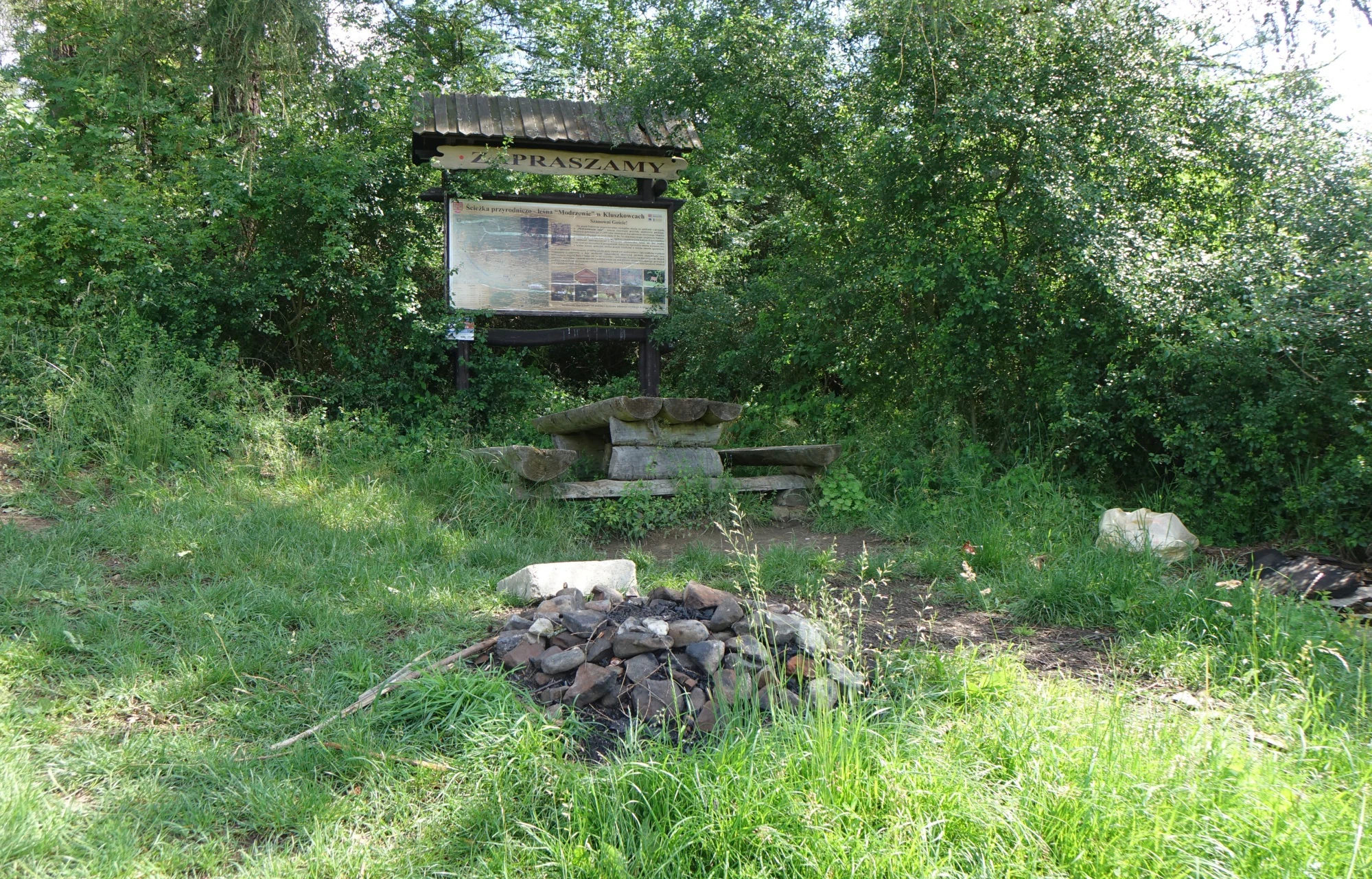
The presence of a forest and nature trail named Modrzewie, along with the integration of the reserve into a marked hiking route connecting Kluszkowce with the summit of Lubań, illustrates how modern conservation in this area combines ecological protection with public access and environmental education. This reflects a broader Polish tradition of using small nature reserves as outdoor classrooms and as part of regional recreational networks.
Top sights and standout views in Modrzewie Nature Reserve
Modrzewie stands out as one of the few protected larch forests in the Gorce mountains, safeguarding mature trees that are unusual for this part of the Carpathians. Its old-growth character, with trees documented as up to roughly a century old and reaching heights above 20 meters, gives the reserve a distinctive profile among Polish floristic reserves.
The reserve is also notable for combining small-scale, focused protection with integration into a broader network of protected areas and recreational infrastructure. The presence of an educational forest trail, a yellow hiking route established in 2015, and an active conservation plan adopted in 2017 make it a site where botanical conservation, scientific research, and public engagement intersect.
Best time to visit Modrzewie Nature Reserve
The reserve is most attractive for visitors during late spring, summer, and early autumn, when the larch and associated forests are in active growth and the surrounding Carpathian meadows are at their most vivid. Late spring brings fresh foliage and flowering understory plants, while early autumn may highlight the color change in the larch canopy, one of the few native European conifers that is deciduous.
Winter visits are possible but should account for mountain conditions on the lower slopes of Lubań, including snow cover and shorter daylight. Visitors interested in botanical observation will generally find the warmer months more rewarding, as the forest trail and hiking route are most comfortable and the understory flora is more visible outside the dormant season.