Why Roztocze National Park stands out
Roztocze National Park is best known for its dense mixed forests of fir, beech, sycamore maple, and other tree species that mark the meeting point of Western European and Eastern European woodland floras. It is also recognized for its active breeding program of Polish konik horses, the semi-wild tarpan-type breed that has come to symbolize the park. Stands of Carpathian beech forest, upland fir mixed forest, and peatland relicts from glacial times add to the park's ecological distinctiveness.
Roztocze National Park history and protected-area timeline
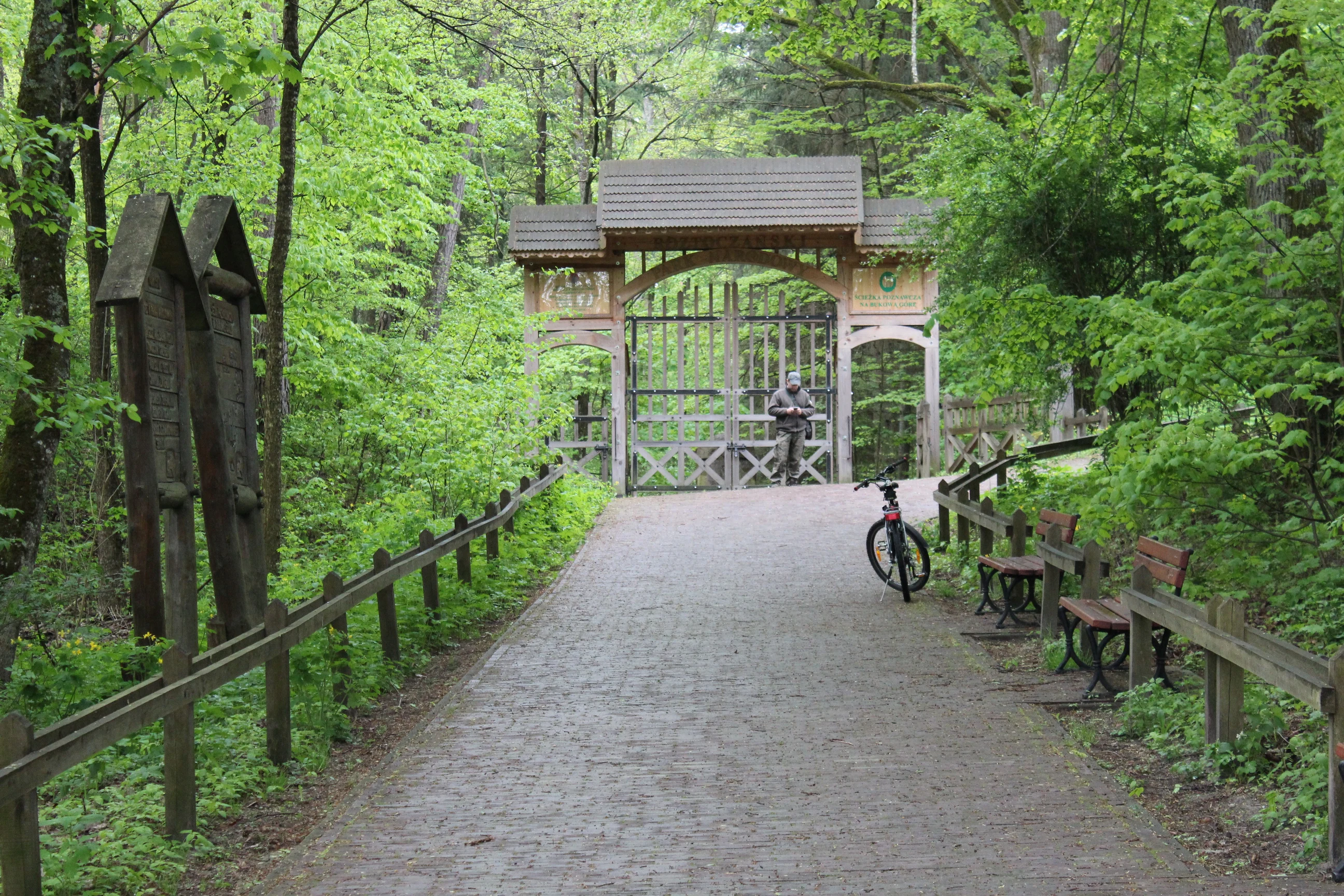
The earliest roots of nature conservation on Roztocze reach back to the sixteenth century, when Chancellor Jan Zamoyski's Ordynacja Zamojska established a large enclosed game reserve within what is now the core of the national park. Encircled by a roughly 30-kilometer palisade and covering the present-day Bukowa Góra strict-protection area and part of the Florianka forest district, this historic zwierzyniec once sheltered red deer, lynx, wild boar, wolves, European wildcats, and the now-extinct tarpan. The reserve was abandoned at the end of the eighteenth or beginning of the nineteenth century, when the animals were either released or given to local residents.
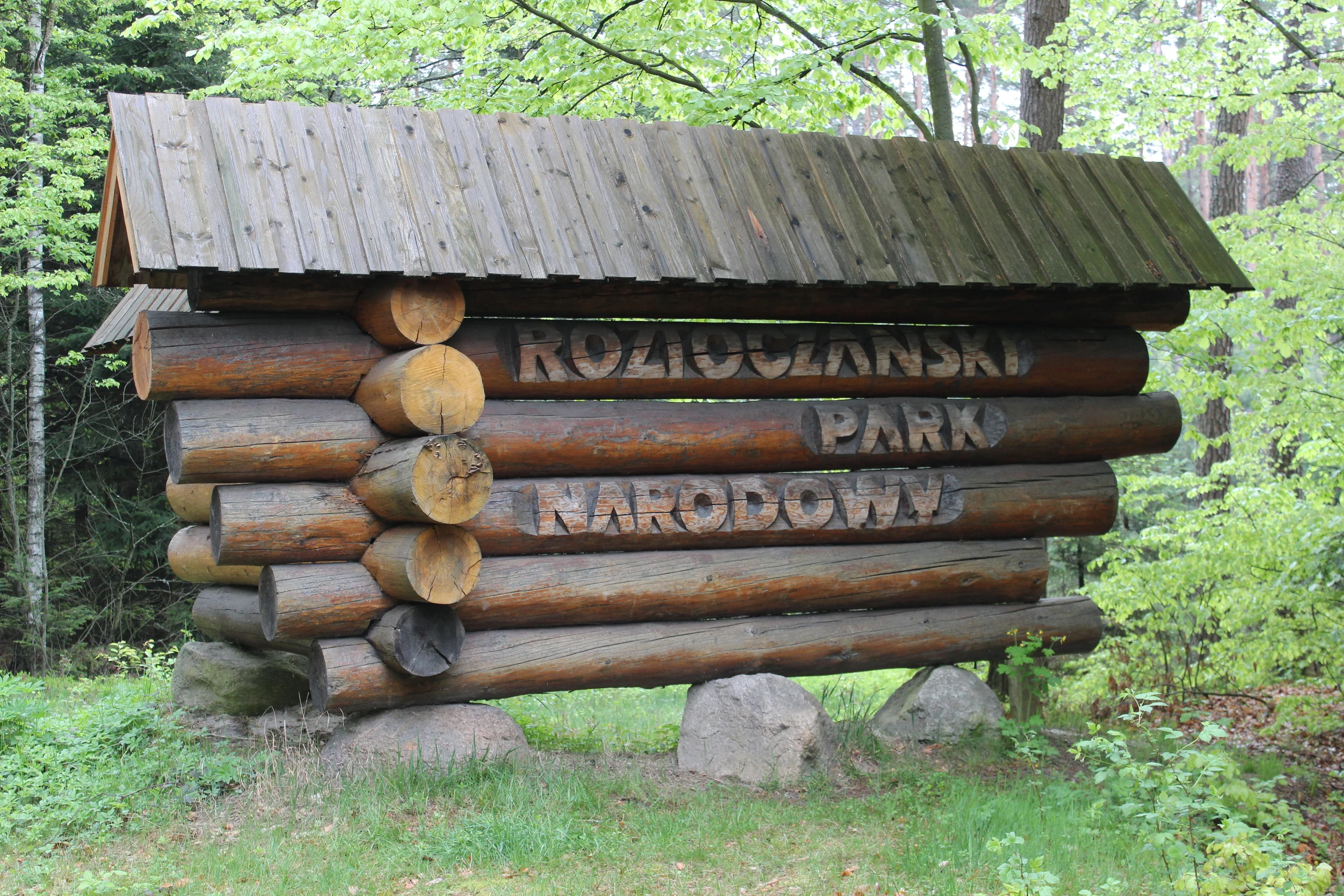
Interest in Roztocze's natural values grew again among twentieth-century scientists and foresters, who gradually established a network of forest and floristic reserves. The first of these, the Bukowa Góra reserve, was created in 1936. By 1974, eleven reserves covering a total of 1,263 hectares were already under formal protection. On 10 May 1974, the Polish government consolidated these earlier protections into a single national park, initially covering 4,801 hectares of former state forest land. Since then the park's core area has been expanded and reorganized, and in 1990 a small section was incorporated into the town of Zwierzyniec when Zwierzyniec received municipal status. In 1982, Professor Mirosław Kownacki initiated the breeding of Polish konik horses around the Echo ponds and on Biała Góra; the project's grazing reserve now covers roughly 180 hectares and has become one of the park's most distinctive cultural-ecological traditions.
Roztocze National Park landscape and geographic character
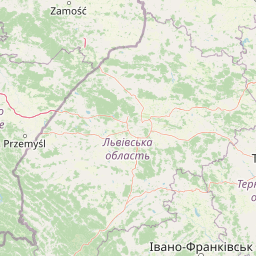
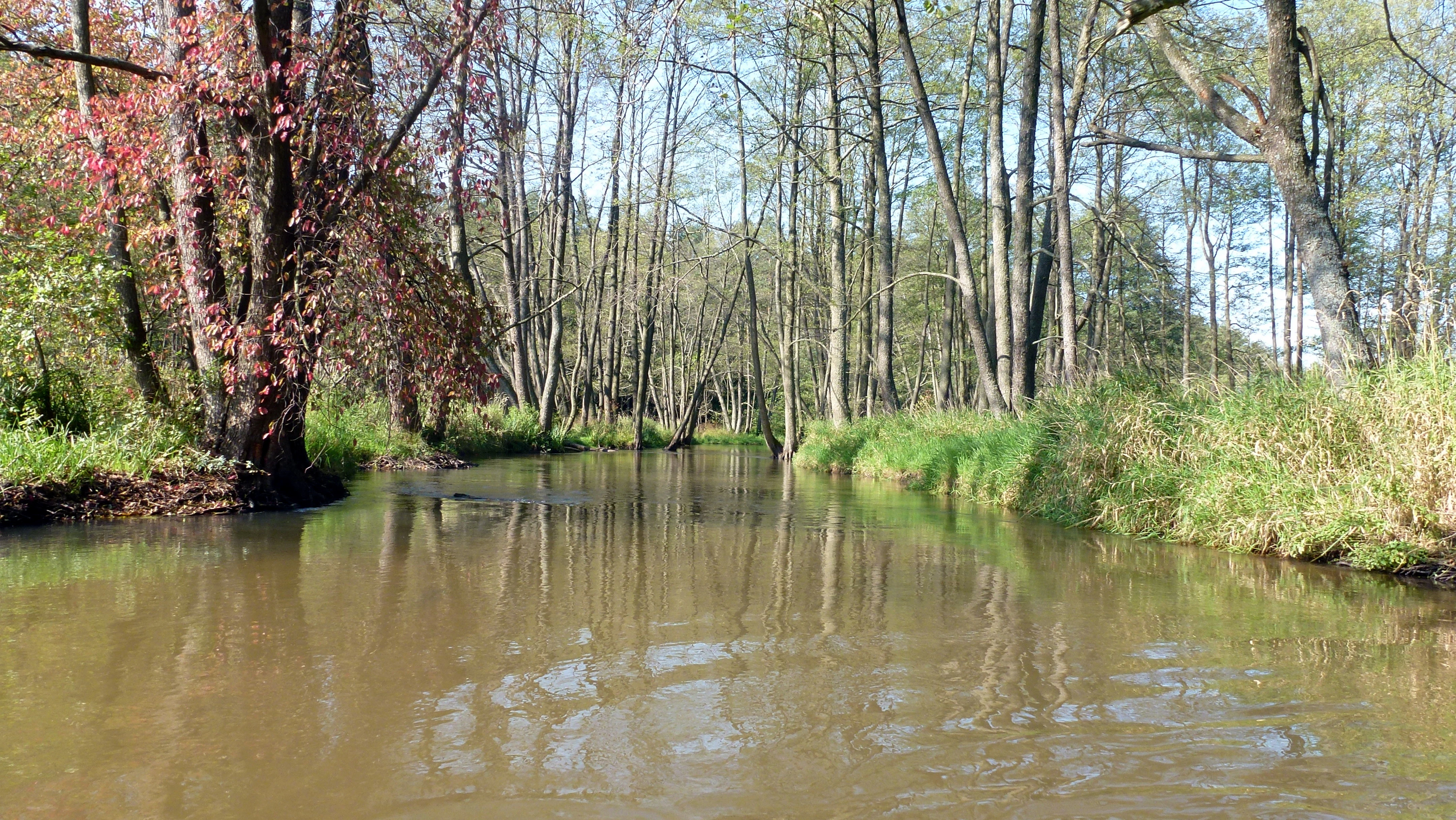
Roztocze National Park occupies part of the Central and Western Roztocze upland, a geological belt where Upper Cretaceous rocks form the main bedrock, with Tertiary deposits along the edge and Quaternary sands in the river valleys. Elevations within the park rise to around 350 meters, giving the terrain a rolling, ridge-like character rather than a sharply mountainous one. The Wieprz River crosses the park, and along with its tributaries shapes a network of sandy-bottomed valleys that cut through the surrounding forests.
The visual character of the park is dominated by tall mixed woodlands that mantle the slopes and ridges, broken only where clearings, ponds, peatlands, or river terraces interrupt the canopy. Stony ridges and gentle valleys alternate across the park, while the Echo ponds and the marshlands around Biała Góra introduce open water and wet meadow habitats. Although the park is not a high-mountain or coastal reserve, its combination of plateau-like terrain, deep forest interiors, and river-carved valleys gives it a quietly scenic and distinctly Central European character.
Roztocze National Park ecosystems, habitats, and plant life
Ecologically, Roztocze National Park represents a transition zone between Western European and Eastern European temperate forests, a meeting point clearly visible in its tree composition of fir, beech, sycamore maple, small-leaved lime, spruce, and yew. Roughly twenty distinct forest communities have been described, with upland fir mixed forest and fertile Carpathian beech forest as the dominant types. Acidophilous lowland beech forest extends the beech zone into lower-lying areas, while oak-lime-hornbeam groves occupy the richest soils and light oak forests appear on warm limestone substrates in the northern section of the park.
Along the sandy valley floors, especially near the Wieprz River, different associations of pine and mixed pine forests occupy the drier terraces. In the most waterlogged depressions, riparian alder forests and raised bogs shelter a remarkable suite of glacial and subarctic relicts, including dwarf birch, northern wintergreen, and string sedge. The park also hosts a north-south mixture of floristic elements: species typical of southeastern Poland such as large-flowered anemone and European baneberry, mountain species like pointed monkshood and Braun's spleenwort, and Atlantic-conditioned indicators such as intermediate sundew, brown moortail, and stiff club-rush. The protected lady's slipper orchid is one of the flagship species among the park's strictly protected plants.
Roztocze National Park wildlife and species highlights
Faunal life in Roztocze National Park is unusually rich for a forested reserve. Invertebrate groups dominate both in numbers and in conservation significance, with snails, millipedes, arachnids, and insects contributing the highest species diversity. Beetles alone account for more than 2,000 recorded species, including notable assemblages from the ground beetle and longhorn beetle families. Orthopterans, ants, and hemipterans also include rare representatives that make the park an important reference site for entomological research in Poland.
Among vertebrates, amphibians such as smooth and crested newts and several toad species inhabit the wetter areas, while reptiles include the European pond turtle and the turquoise color variant of the slow worm. Birdlife is one of the park's most celebrated assets: of more than 190 recorded species, around 130 breed inside the park. These include raptors such as the lesser spotted eagle, honey buzzard, and hobby; forest specialists such as the western capercaillie, hazel grouse, and black stork; woodpeckers including the white-backed and grey-headed species; flycatchers such as the collared and red-breasted flycatcher; and more familiar woodland birds such as the grey wagtail, Eurasian siskin, and stock dove. The Polish konik breeding program, with small herds grazing semi-wild around the Echo ponds and on Biała Góra, contributes a distinctive large-mammal presence to a park that otherwise is dominated by forest wildlife.
Roztocze National Park conservation status and protection priorities
The conservation importance of Roztocze National Park lies in its preservation of a complete cross-section of temperate forest communities at a major biogeographical boundary. Because Roztocze is a contact zone between Western European and Eastern European forest floras, the park's surviving forests of fir, beech, sycamore maple, lime, spruce, and yew together hold a genetic and ecological resource of European significance. Strict-protection areas within the park isolate the oldest and most natural stands from direct human influence, while active and landscape-level protection zones allow for managed forestry and ecological transitions.
The park's raised bogs, alder carrs, and glacial-relict plant communities add a second layer of conservation value. These wetland sites preserve cold-adapted species such as dwarf birch, northern wintergreen, and string sedge, which are rare in lowland Poland and depend on the maintenance of hydrological conditions. The Polish konik breeding program supports the conservation of a rare native horse breed while connecting the park to broader efforts to restore semi-natural grazing processes in European forest landscapes. Education centers in Zwierzyniec and Florianka, along with the surrounding buffer zone, extend the park's conservation reach into the wider Roztocze region.
Roztocze National Park cultural meaning and human context
Roztocze National Park sits within a region layered with Polish historical and cultural memory. The forest at its heart once belonged to the Zamoyski Ordynacja, the great sixteenth-century estate created by Chancellor Jan Zamoyski, whose Zamoyski zwierzyniec shaped the historical landscape that later became the national park. The town of Zwierzyniec, home to the park's directorate in the Plenipotentiary Palace, carries forward this aristocratic-Forestry heritage into the modern era.
The Polish konik horse is the park's official symbol and a living expression of cultural identity linked to traditional rural land use. Once associated with the extinct tarpan, the konik now links the park to debates about rewilding, native breed conservation, and the reintroduction of grazing animals into wooded landscapes. Alongside the educational and museum centers at Zwierzyniec and Florianka, the park forms a regional focal point for forest culture, natural-history research, and traditional Polish attitudes toward woodland stewardship.
Top sights and standout views in Roztocze National Park
Roztocze National Park's standout features include its almost entirely forested terrain, the convergence of Western and Eastern European tree species within a single ridge landscape, and the strict-protection reserves that protect the oldest core forests. Its peat bogs and glacial-relict flora add a distinctive botanical dimension uncommon in lowland Poland, while its breeding of Polish konik horses gives the park an unusually visible large-mammal presence for a forest reserve.
The river valleys of the Wieprz and its tributaries, the Echo ponds with their open-water and meadow setting, and the cultural-historical landscape of the historical Zamoyski estate all contribute additional layers of identity. Together they make the park both a forest ecological stronghold and a reflection of the broader Roztocze region's natural and cultural heritage.
Best time to visit Roztocze National Park
Spring is a rewarding time to experience Roztocze National Park, when woodland plants come into bloom, the Echo ponds and Biała Góra wetlands attract active birdlife, and the forest understory develops its fresh color. Bird song peaks during the breeding season, making spring one of the best periods for observing the park's diverse avifauna, including raptors, woodpeckers, and grouse in display.
Summer brings the fullest expression of the park's forest landscapes, with long days for hiking and exploration, though deeper forest interiors remain shaded. Autumn offers the most visually striking forest experience, as the mixed beech, oak, and fir stands produce a layered seasonal palette, while mushroom foraging has a long tradition in these forests. Winter brings snow cover to the ridge, quieting the landscape and offering a more austere but contemplative character; Polish konik horses and winter-adapted wildlife can be seen more easily against the bare forest backdrop.