
Why Sněženky ve Vysokém lese stands out
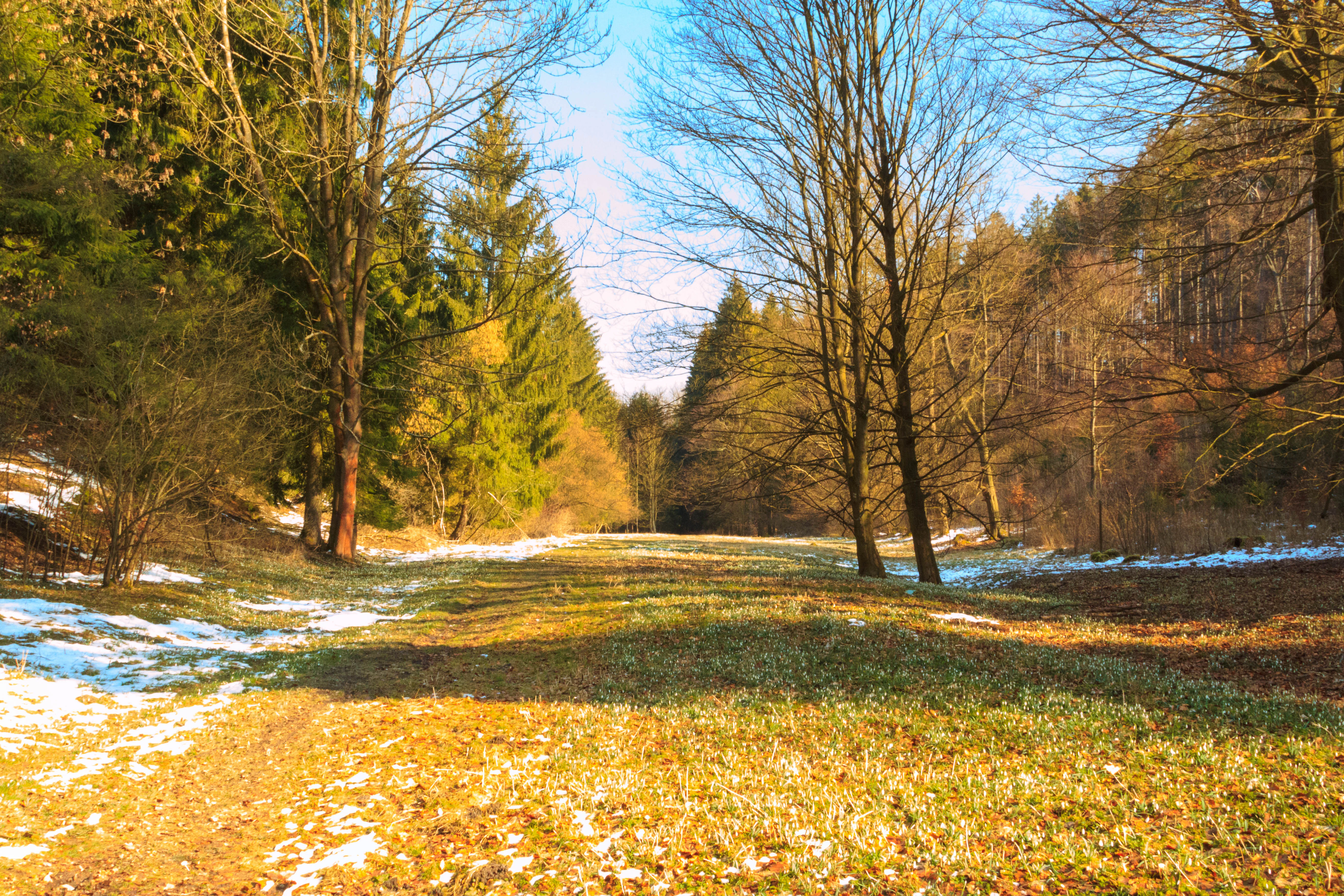
The site is best known for its dense, naturally occurring populations of common snowdrop (Galanthus nivalis), an early-flowering bulbous plant more often seen in garden cultivation than in the wild. The hollow it occupies, nicknamed Sněženkové údolí (Snowdrop Valley), is celebrated locally as one of the most striking spring wildflower locations in eastern Bohemia, with former meadows and ash-sycamore patches turning white during the short snowdrop flowering season. Beyond the snowdrops themselves, the reserve is also notable as a clear example of small-scale species-focused conservation in the Czech protected-area system. The combination of damp ground, the absence of a permanent stream, and the spruce forest setting makes the relatively tiny area ecologically disproportionate to its size.
Sněženky ve Vysokém lese history and protected-area timeline
The conservation history of Sněženky ve Vysokém lese is relatively recent and tightly focused on a single botanical value. Before protection, the area was part of the broader Vysoký les forest used primarily for timber production, dominated by spruce plantations, with small former meadows gradually becoming shaded by self-seeded ash and sycamore.
Recognition of the site's significance for wild common snowdrops led to its formal designation as a přírodní památka (natural monument) on 1 September 1994. The declaration was issued by the District Office in Svitavy, then the responsible authority for protected areas at the district level. Since regional reforms in the Czech Republic, the site has been administered by the Regional Authority of the Pardubice Region, which oversees its ongoing protection.
The reserve has not undergone major landscape transformation since designation; instead, its conservation story is one of maintaining a delicate balance between allowing the open-ish meadow clearings that snowdrops need and managing the encroaching woody growth from the surrounding spruce forest.
Sněženky ve Vysokém lese landscape and geographic character
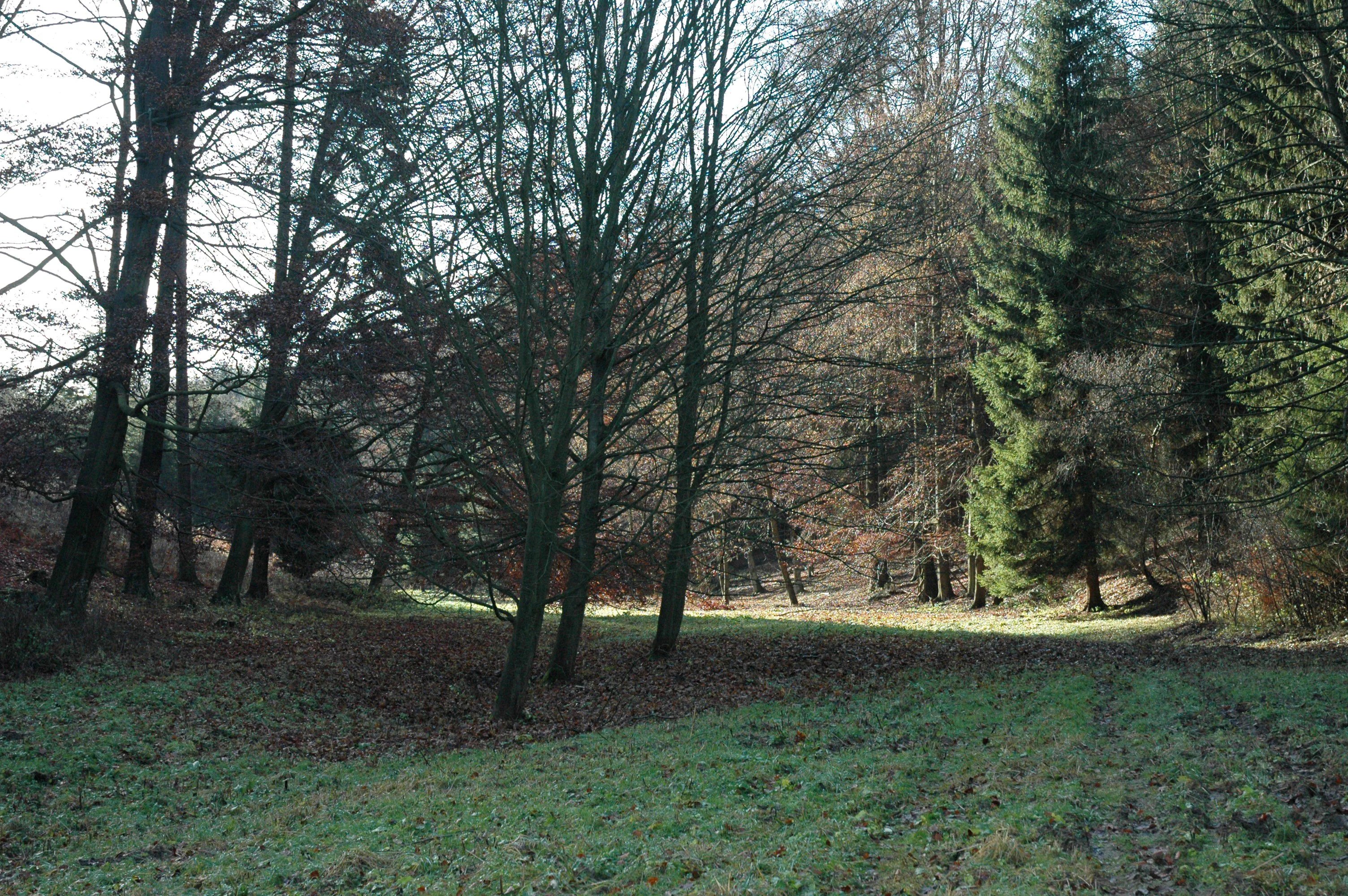
The landscape of Sněženky ve Vysokém lese is modest in scale but visually distinctive, centred on a narrow forested valley rather than on sweeping vistas. The wider woodland, called Vysoký les, is a typical Bohemian coniferous forest dominated by spruce stands, with the protected valley forming one of two parallel north-to-south depressions cutting through it.
Within this setting, the protected section of the valley runs from the northern edge of the forest toward the Demelova chapel lower in the valley. The terrain is gently sloping rather than rugged, with elevations around 540 to 550 metres, and it has the quiet character of a shaded countryside hollow rather than a dramatic gorge.
There is no permanent stream in the reserve. Water appears only seasonally, during the spring snowmelt, when meltwater briefly flows across the surface before seeping into the soil. The underlying geology, dominated by Middle Turonian marlstones and siltstones, helps shape the slow infiltration pattern that maintains the valley's particular moisture conditions.
The cultural landscape feature of the Demelova chapel, lying at one end of the protected section, gives the valley a subtle human dimension, anchoring the natural monument to a recognisable local landmark within the broader forest.
Sněženky ve Vysokém lese ecosystems, habitats, and plant life
Ecologically, Sněženky ve Vysokém lese is a habitat of very specialised character, defined more by moisture and substrate than by diversity of vegetation layers. The reserve protects wet, base-rich ground conditions in a valley where former meadows have become partially colonised by ash and sycamore, with the surrounding spruce woodland providing shelter but also casting shade that influences the understorey.
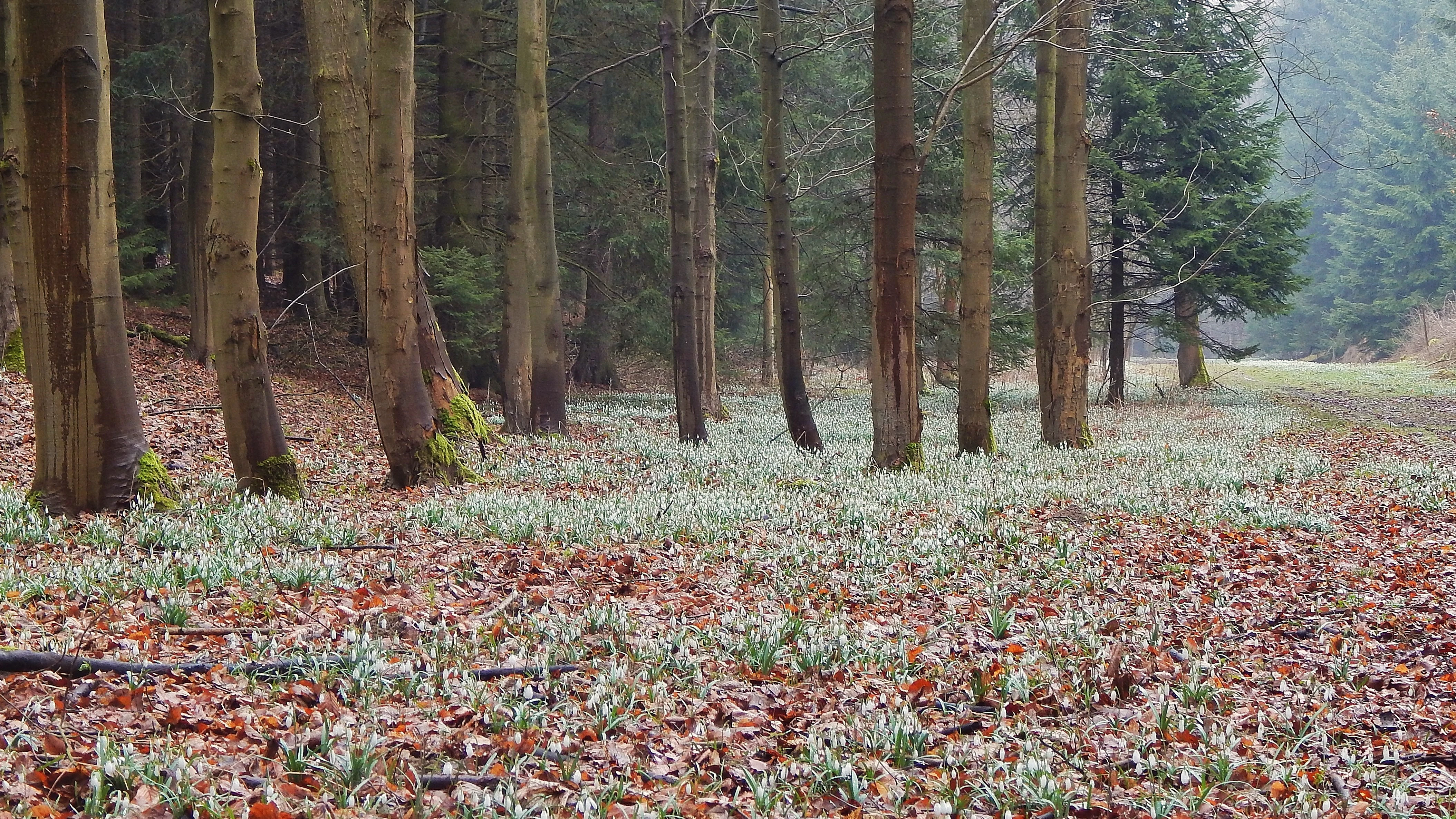
The plant communities present reflect a transition between open meadow species and those of deciduous woodland margins. The snowdrop population, the defining feature of the site, depends on this transitional character: open enough to flower abundantly in late winter and early spring, but sheltered enough to retain moisture during the critical growing period. The surrounding spruce stands, although not the focus of protection, form an important backdrop that moderates temperature and humidity in the valley.
Although the reserve is small, its ecological function is disproportionately significant for snowdrop conservation in the region. By safeguarding a site where this species occurs in exceptional numbers, the protected area helps maintain the genetic and demographic health of wild snowdrop populations in the Bohemian-Moravian Highlands, where they are otherwise scattered and often small.
Sněženky ve Vysokém lese wildlife and species highlights
Fauna is not the primary focus of protection at Sněženky ve Vysokém lese, and the reserve is overwhelmingly a botanical site. The wildlife content supported by the area is typical of small, sheltered Bohemian forest valleys, with the surrounding spruce woodland providing habitat for common forest birds, small woodland mammals, and invertebrate communities associated with damp ground and decaying leaf litter.
In early spring, when the snowdrops are in flower, the valley becomes an active site for early-emerging insects and pollinators that are drawn to the brief but abundant floral display. Later in the year, the mixture of open meadow patches and shaded woodland supports a typical range of woodland-edge invertebrates.
The reserve's wider importance for wildlife lies less in any single charismatic species and more in its role as a small, quiet refuge within a largely commercial spruce forest, offering undisturbed ground conditions that benefit less conspicuous woodland fauna.
Sněženky ve Vysokém lese conservation status and protection priorities
Conservation at Sněženky ve Vysokém lese is narrowly targeted but ecologically significant. The area is classified internationally as IUCN Category IV, a habitat and species management area, reflecting its role as a site managed primarily to support a specific conservation target rather than to preserve a broad landscape or ecosystem.
The principal conservation objective is the protection of common snowdrop (Galanthus nivalis), a species that in the Czech Republic is far more often encountered cultivated in gardens than as a wild plant. The reserve safeguards one of the densest known wild populations in the region, helping to ensure that the species continues to reproduce and disperse naturally in suitable Bohemian-Moravian habitats.
At the national level, the site is officially a přírodní památka (natural monument), a category reserved for smaller protected areas with clearly defined conservation targets. It is registered under code 1688 in the Czech central nature conservation register and is administered by the Pardubice Regional Authority. The relatively small area, only about 2 hectares, makes management practically feasible, focusing on maintaining the open conditions the snowdrops need while preventing excessive encroachment by the surrounding spruce forest.
The reserve also has modest scientific and educational value, illustrating how small, well-chosen sites can play an outsized role in conserving individual wild plant species in otherwise intensively used forest landscapes.
Sněženky ve Vysokém lese cultural meaning and human context
The valley that hosts the natural monument has a mild cultural dimension tied to the local settlement pattern of the Bohemian-Moravian Highlands. The protected section extends toward the Demelova chapel (Demelova kaple), a small local landmark that gives the valley a recognisable cultural reference point and connects the natural monument to the surrounding rural heritage.
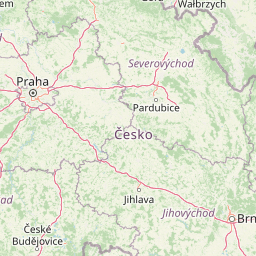
The broader woodland, Vysoký les, sits between the village of Chmelík and the hamlet of Vysoký Les, the latter administratively part of the municipality of Sebranice. The place names themselves reflect the longstanding rural and forestry identity of the area, where forests have been a working part of the local economy for generations.
Top sights and standout views in Sněženky ve Vysokém lese
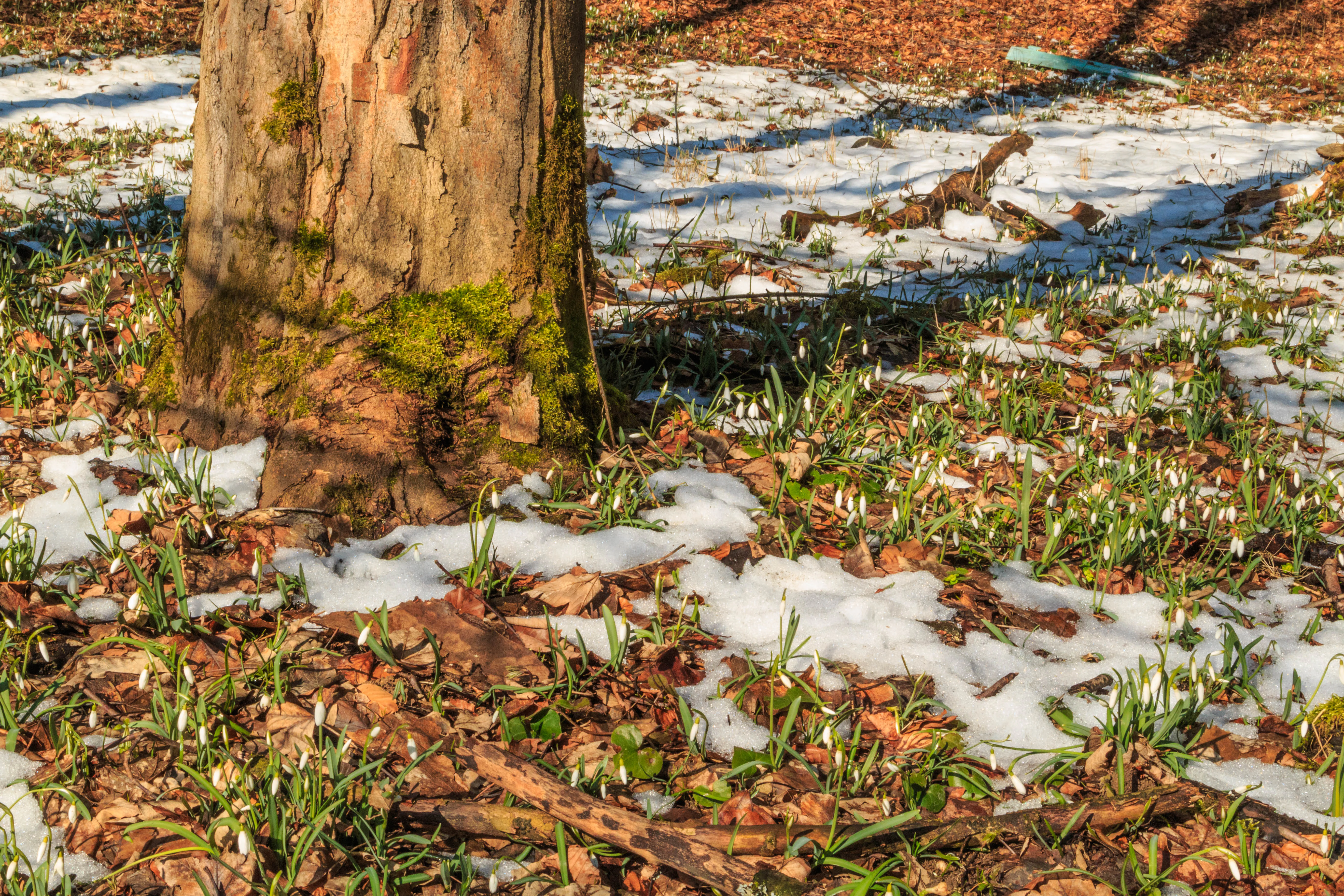
The defining highlight of Sněženky ve Vysokém lese is the annual late-winter and early-spring display of wild common snowdrops along the floor of the Snowdrop Valley. At peak bloom, the former meadows and shaded clearings turn white with Galanthus nivalis, creating a striking seasonal scene within an otherwise muted spruce forest.
Other highlights include the quiet character of the protected forest hollow itself, the small but culturally meaningful Demelova chapel at one end of the reserve, and the example the site sets for narrowly focused species conservation in the Czech Republic, where a tiny area can carry significant botanical value when matched with the right management approach.
Best time to visit Sněženky ve Vysokém lese
The reserve is at its most visually rewarding in late winter and early spring, when the snowdrops are in bloom. Depending on the local snowmelt and seasonal temperatures, this typically occurs from late February through March, occasionally into early April at higher elevations. Visiting outside this short window reveals little of the feature that gives the site its name, although the valley retains a quiet charm through the rest of the year as part of the broader Vysoký les forest.
Because the snowdrop season coincides with often cold and wet ground conditions in the Bohemian-Moravian Highlands, visitors should expect muddy paths and cool weather. The surrounding spruce forest offers some shelter, but the visit is best framed as a short seasonal outing rather than a broader outdoor recreation trip.