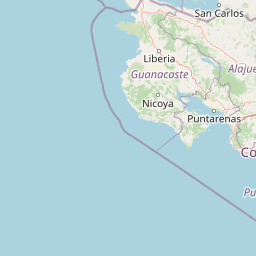
Why Tenorio Volcano National Park stands out
Tenorio Volcano National Park is most renowned for two interconnected natural phenomena. First, the Rio Celeste earned its name from its remarkable celestial blue coloration, a result of geological processes where sulphur emitted from Tenorio Volcano mixes with calcium carbonate in the water, creating an opaque turquoise hue that appears almost supernatural against the surrounding green forest. Second, the park protects Tenorio Volcano itself, an imposing stratovolcano whose geothermal activity also produces thermal springs and small geysers throughout the area. The combination of volcanic landscapes, the uniquely colored river, and the transition from cloud forest to rain forest creates an exceptional natural experience that distinguishes this park from others in Costa Rica's extensive protected area network.
Tenorio Volcano National Park history and protected-area timeline
Tenorio Volcano National Park was originally established in 1976 as part of Costa Rica's growing commitment to protecting its natural heritage. At the time, the protected area encompassed the foundational volcanic landscape while management focused on preserving the forests, watersheds, and wildlife habitats that characterized the region. A significant expansion occurred in 1995 when Tenorio Volcano itself was incorporated into the national park, recognizing that the volcano's geological significance, geothermal features, and ecological values warranted full protected status. This expansion reflected a broader understanding that effective conservation requires protecting complete ecosystems rather than isolated features. The park came under the management of SINAC, Costa Rica's National System of Conservation Areas, which coordinates protection efforts across the country's national parks and conservation areas. In the years following its expansion, Tenorio Volcano National Park has benefited from its connection to adjacent protected lands, including the Tapir Valley Nature Reserve, a former cattle ranch that underwent rewilding beginning in 2004. This partnership has strengthened conservation outcomes in the region, particularly for species requiring larger territories or habitat connectivity.
Tenorio Volcano National Park landscape and geographic character
The physical landscape of Tenorio Volcano National Park is defined by the volcanic origins of the terrain and the ongoing geological processes that continue to shape the environment. Tenorio Volcano itself rises as a stratovolcano, its slopes descending through distinct ecological zones toward the surrounding lowlands. The volcanic substrate creates conditions for geothermal activity, with thermal springs and small geysers occurring where heated groundwater rises toward the surface. The park's drainage system carries water from these volcanic springs and rainfall down through the mountains, feeding the rivers and waterfalls that characterize the terrain. The Rio Celeste represents the park's most striking geological feature, its waters taking on an vivid blue coloration from the interaction between volcanic sulphur emissions and calcium carbonate that precipitates from the mineral-rich water. This optical phenomenon creates a river that appears almost artificially colored, an effect amplified where white硅酸盐 deposits along the riverbed enhance the turquoise appearance. The landscape includes lagoons formed where rivers pool in volcanic depressions, and viewpoints that offer panoramas across the forested volcanic terrain. The combination of volcanic peaks, geothermal features, flowing waters, and forest-covered slopes creates a landscape of significant visual diversity within a relatively compact protected area.
Tenorio Volcano National Park ecosystems, habitats, and plant life
The ecological character of Tenorio Volcano National Park reflects the interaction between volcanic terrain and Costa Rica's tropical biodiversity. The park protects a complete altitudinal gradient from the volcano's upper reaches through cloud forest zones down to tropical rain forest in lower elevations. This vertical sequence creates distinct habitat types that support different species assemblages and ecological processes. The upper elevations receive consistent moisture from cloud cover that frequently envelops the forest canopy, creating the conditions for cloud forest development where epiphytes, mosses, and ferns dominate the vegetation. Below this zone, the rain forest receives higher rainfall and supports more diverse tree species, creating the dense tropical forest that characterizes much of the park. The geothermal features influence ecology in their immediate vicinity, with thermal springs creating unique microhabitats where species have adapted to warmer water temperatures. The rivers and waterfalls provide aquatic habitats while also creating edge environments where different species can exploit the transition between aquatic and terrestrial ecosystems. This combination of volcanic, forest, and aquatic environments creates an ecological system of considerable complexity and diversity.
Tenorio Volcano National Park wildlife and species highlights
Tenorio Volcano National Park provides habitat for notable species that represent Costa Rica's tropical fauna. The tapir, the largest terrestrial mammal in Central America, inhabits the park's forests, using its browsing feeding habits to move through the understory in search of fruit, leaves, and other vegetation. This large herbivore plays an important ecological role as a seed disperser, contributing to forest regeneration throughout its range. The puma, also known as the cougar or mountain lion, occupies the park as a top predator, though its secretive nature means sightings are rare. As a wide-ranging carnivore requiring extensive territories, the puma's presence indicates the park supports sufficient prey base and habitat connectivity to sustain a viable population. Adjacent to the national park, the Tapir Valley Nature Reserve has become significant for the Tapir Valley tree frog, a species discovered in the rewilded wetland within that reserve. This amphibian represents the type of specialized species that can thrive when protected habitats are properly managed, and its presence demonstrates the conservation value of connecting protected areas across the landscape.
Tenorio Volcano National Park conservation status and protection priorities
Tenorio Volcano National Park contributes to regional conservation in northern Costa Rica as part of the Arenal Tempisque Conservation Area, a network designed to protect ecological corridors and representative ecosystems across a significant portion of the country. The park's protection of Tenorio Volcano and its associated geothermal features preserves geological processes that create unique aquatic conditions, most notably the Rio Celeste phenomenon. This protection extends beyond scenic value to encompass the ecological relationships between volcanic activity, water chemistry, and the aquatic organisms that have adapted to these conditions. The park's cloud forest and rain forest habitats store carbon, regulate water cycles, and provide habitat for species ranging from large mammals to countless invertebrates. Management by SINAC ensures that protection goals are integrated with visitor access, maintaining the balance between conservation and the educational value that comes from people experiencing these protected landscapes. The connection to Tapir Valley Nature Reserve demonstrates how national park protection can complement private conservation efforts, with the rewilding of former agricultural land creating habitat that extends the ecological value of the protected landscape.
Tenorio Volcano National Park cultural meaning and human context
Tenorio Volcano National Park exists within a region of Costa Rica where volcanic landscapes have shaped human settlement patterns and land use over generations. The Guanacaste Province where the park is located has historically supported agricultural activities, with cattle ranching being particularly prominent in the surrounding lowlands. This context makes the protected area stand out as forest retained within a landscape otherwise modified for agriculture. The park's proximity to La Fortuna, a major tourism center associated with Arenal Volcano, places it within a region where nature-based tourism has become economically significant. Local communities benefit from the park both through employment in park management and visitor services, and through the broader economic activity generated by tourists who visit the region. While the park itself does not encompass significant archaeological sites or documented indigenous territories, its establishment reflects a national policy shift toward recognizing the economic and environmental value of protecting natural landscapes rather than converting them to agricultural use.
Top sights and standout views in Tenorio Volcano National Park
The Rio Celeste remains the park's signature attraction, offering visitors the chance to see a river of remarkable blue coloration created by natural geological processes. The opportunity to hike to Tenorio Volcano's summit via the Lago Las Dantas Trail provides access to panoramic viewpoints and the experience of traversing the park's elevation gradient from rain forest through cloud forest. The thermal springs and geysers demonstrate the ongoing volcanic activity that shapes the landscape and creates the unique conditions responsible for the Rio Celeste's color. Wildlife observation opportunities, particularly for tapirs moving through forest understory, reward patient visitors who explore the park's trails. The combination of volcanic terrain, uniquely colored waters, waterfalls, and diverse forest ecosystems within a single protected area creates a comprehensive natural experience that represents the best of Costa Rica's protected landscapes.
Best time to visit Tenorio Volcano National Park
Tenorio Volcano National Park can be visited throughout the year, though the character of the experience varies with Costa Rica's seasonal patterns. The dry season from December through April generally offers more comfortable hiking conditions with reduced rainfall and clearer skies, making it easier to appreciate panoramic viewpoints from the volcano's slopes. However, this period may also mean lower water levels in rivers and waterfalls. The green season from May through November brings more frequent rainfall, which maintains the moisture that sustains the cloud forest and keeps waterfalls flowing strongly. The extra humidity also enhances the atmospheric qualities of the forest, with mist and clouds adding to the otherworldly feeling of the landscape. Visitors interested in seeing the Rio Celeste at its most vivid should be aware that water clarity can vary with recent rainfall, as storm runoff can alter the river's transparency and affect the optical phenomenon that creates its blue color. Regardless of season, early morning visits tend to offer the best conditions for wildlife viewing and experiencing the park's landscapes with fewer other visitors on the trails.