

Mori Atlas logo
Wildlife reserveThickwood Hills National Wildlife Area

Tracing the mapped boundaries and transitional landscapes of this Canadian wildlife reserve

Thickwood Hills National Wildlife Area: A Protected Mosaic of Saskatchewan Parkland and Prairie

Thickwood Hills National Wildlife Area represents a vital conservation unit within central Saskatchewan, protecting a concentrated mosaic of wetlands, aspen groves, and native prairie grasslands. Situated along the transition zone between the southern prairies and northern boreal forests, the reserve occupies roughly 299 hectares of glacial terrain. This site provides a focused look at the intersection of diverse habitats that support migratory birds and regional mammals within the Canadian prairie landscape.

national wildlife areaSaskatchewanwetlandsaspen parklandnative prairieboreal-prairie transition

Thickwood Hills National Wildlife Area

Wildlife reserve

Park overview

Structured park overview, official facts, and landscape profile for Thickwood Hills National Wildlife Area

Thickwood Hills National Wildlife Area park facts, protected area profile, and essential visitor context

Review the core facts for Thickwood Hills National Wildlife Area, including designation, size, terrain, visitor scale, habitats, and operating context in one park-focused overview.

About Thickwood Hills National Wildlife Area

Thickwood Hills National Wildlife Area is a federally protected conservation site in the Canadian province of Saskatchewan. It sits in the south-central part of the province, northeast of the community of Blaine Lake, within an agricultural and forested region that transitions between the open prairies to the south and the denser boreal forest shield country to the north.

The reserve protects about 299 hectares of habitat that includes wetlands, trembling aspen parkland, and native grass prairie. This combination of habitat types is characteristic of the so-called parkland belt of Saskatchewan, where woodland, grassland, and wetland ecosystems are closely interwoven. Such landscapes are increasingly rare in heavily cultivated prairie provinces, where most of the original land cover has been converted to farmland. The reserve's small size thus belies its conservation significance, since every hectare of contiguous native habitat can support a disproportionately rich community of plants and animals.

The protected area is one of several modern Canadian National Wildlife Areas, administered by the Canadian Wildlife Service under Environment and Climate Change Canada. Its designation as an IUCN Category IV area indicates that it is managed primarily for the conservation of specific habitats or species, through targeted intervention where necessary rather than strict wilderness preservation.

From an ecological standpoint, the area functions as stepping-stone habitat in a broader working landscape. Wetlands attract breeding, migrating, and staging waterfowl and shorebirds. Aspen groves provide nesting and foraging cover for songbirds, raptors, and mammals. The surviving native grass stands support pollinators and ground-nesting birds. Together, these habitats illustrate the value of preserving small, carefully chosen parcels as part of a regional conservation network.

Quick facts and research context for Thickwood Hills National Wildlife Area

Thickwood Hills National Wildlife Area is a federal Canadian protected area in Saskatchewan, classified as IUCN Category IV (habitat or species management area) and managed by Environment and Climate Change Canada through the Canadian Wildlife Service.

It encompasses roughly 299 hectares of wetlands, trembling aspen parkland, and mixed-grass prairie, located north of Blaine Lake on lands within the Rural Municipalities of Meeting Lake No. 466, Leask No. 464, and Redberry No. 435.

The reserve was formally established on March 12, 2025, originating from units 6 and 7 of the older Prairie National Wildlife Area, which had been created in 1978.

Protection and recognition

Documented terrestrial protection scope and conservation designation records

Thickwood Hills National Wildlife Area Protection Status and International Recognition

Thickwood Hills National Wildlife Area maintains a documented terrestrial protection scope within the official conservation inventory. Official records outline the established protected area designation, management framework, and recognized status details.

Protection details

Protection scope
Terrestrial
Park context

Deeper park guide and search-rich context for Thickwood Hills National Wildlife Area

Thickwood Hills National Wildlife Area history, landscape, wildlife, and travel context

Explore Thickwood Hills National Wildlife Area through its history, landscape character, ecosystems, wildlife, conservation priorities, cultural context, and seasonal travel timing in a structured park guide built for atlas discovery and search intent.

Why Thickwood Hills National Wildlife Area stands out

Thickwood Hills is best known for its compact but ecologically rich mosaic of boreal-parkland and prairie habitats, including wetlands, aspen groves, and native grasslands lying along Saskatchewan's prairie-boreal transition. It is also notable within Canada's protected-area network as one of the new generation of small, scientifically selected National Wildlife Areas created in 2025 from the breakup of the larger, geographically fragmented Prairie National Wildlife Area.

Thickwood Hills National Wildlife Area history and protected-area timeline

The history of Thickwood Hills National Wildlife Area is closely tied to that of the Prairie National Wildlife Area, a larger but loosely organized conservation entity in southern Saskatchewan. The original Prairie National Wildlife Area was established in 1978 and originally comprised 26 distinct units spread across the southern part of the province.

Over the following decades, conservation science and federal management criteria evolved. In October 2020, an extensive scientific review was conducted under the criteria established in 2005 for the creation of National Wildlife Areas. The review concluded that only 7 of the original 26 units still met these updated standards. As a result, a decision was made to replace the single sprawling Prairie National Wildlife Area with five new, smaller, and more ecologically coherent reserves, while removing 19 of the older units from protected status entirely.

The Thickwood Hills area corresponds to former units 6 and 7 of the Prairie National Wildlife Area. On March 12, 2025, the Prairie National Wildlife Area was formally abolished, and Thickwood Hills National Wildlife Area, along with the other successor reserves, was officially established. This brought the site under the direct management of the Canadian Wildlife Service as an IUCN Category IV protected area.

Thickwood Hills National Wildlife Area landscape and geographic character

The landscape of Thickwood Hills National Wildlife Area reflects the transitional geography of central Saskatchewan, where the open prairies to the south gradually give way to the parkland and boreal forest to the north.

The terrain is relatively gentle by Canadian standards, dominated by low rolling landforms shaped by glacial processes. Within the reserve, this rolling land is covered by a mix of three primary habitat types: wetlands, aspen parkland, and native grass prairie. The wetlands include depressional and basin-style features typical of the prairie pothole region, holding water in spring and during wet periods and providing important breeding habitat for waterfowl and amphibians.

The aspen parkland portion of the site is characterized by trembling aspen and associated shrubs, standing as small woodland patches within a broader grassland matrix. The native grass prairie areas contain the kind of mixed-grass vegetation once widespread across this part of the prairies but now heavily reduced by cultivation. The combination of these three habitats within a relatively compact footprint creates a varied visual scene of wetland margins, glossy aspen stands, and open grassy uplands.

Thickwood Hills National Wildlife Area ecosystems, habitats, and plant life

The natural character of Thickwood Hills rests on the way its three principal habitat types interact. Wetlands contribute aquatic and wetland-edge plant communities and serve as anchor habitat for waterbirds, amphibians, and aquatic mammals. Aspen-dominated woodland contributes shade, vertical structure, and nesting cavities, supporting a different community of birds, mammals, and pollinators. Native grass prairie hosts ground-nesting birds, small mammals, and a wide diversity of grassland plants adapted to the semi-arid climate of the southern Canadian prairies.

This habitat mosaic forms part of the larger parkland belt, an ecological region of Saskatchewan known for unusually high biodiversity at the meeting point of prairie, parkland, and boreal influences. Maintaining such interspersion is increasingly recognized as essential for sustaining species that depend on more than one habitat type across their life cycle, including many songbirds and waterfowl.

The reserve's plant communities include characteristic species of open prairie and parkland, including wood lily, Canada buffaloberry, fireweed, paintbrush, pink wintergreen, common bladderwort, blue giant hyssop, and northern gentian. These and other native plants underpin the ecological function of the reserve, providing nectar, seed, and forage resources for the area's fauna.

Thickwood Hills National Wildlife Area wildlife and species highlights

Thickwood Hills National Wildlife Area supports a representative cross-section of the wildlife typical of Saskatchewan's parkland belt. The combination of wetland, woodland, and prairie habitats makes it valuable for both breeding and migratory species.

Among birds, the reserve hosts a diverse community that includes red-necked grebe, ruffed grouse, lesser yellowlegs, yellow warbler, great horned owl, white-throated sparrow, least flycatcher, song sparrow, and common raven. Wet-dependent species such as grebes and shorebirds make particular use of the area's wetland basins, while warblers, sparrows, and flycatchers are more closely tied to the aspen groves and woodland edges.

The mammal community includes moose, American black bear, North American river otter, beaver, muskrat, and American red squirrel, illustrating the area's connection to broader forest and aquatic systems despite its small size. Reptiles and amphibians observed on site include leopard frog, boreal chorus frog, wood frog, and the red-sided garter snake (Thamnophis sirtalis parietalis), reflecting the importance of moist microhabitats and seasonal wetlands for the herpetofauna.

Thickwood Hills National Wildlife Area conservation status and protection priorities

From a conservation standpoint, Thickwood Hills National Wildlife Area represents a deliberate shift toward smaller, scientifically selected protected parcels within Canada's National Wildlife Area system. Its designation as an IUCN Category IV area reflects a management philosophy focused on protecting specific habitats and species rather than strictly preserving wilderness.

The reserve contributes to the conservation of native parkland habitats in Saskatchewan, where most of the original aspen-grassland mosaic has been lost to cultivation. By safeguarding contiguous wetland, aspen, and native grassland cover in a single parcel, the area helps maintain habitat for species that depend on multiple ecosystem types across the year, including waterfowl, songbirds, pollinators, and medium-sized mammals.

Its establishment in 2025, alongside the reorganization of the Prairie National Wildlife Area, also signals a broader institutional commitment to ensuring that protected areas in the Canadian prairies are ecologically defensible and meet current scientific standards. The reserve's future management by the Canadian Wildlife Service will likely focus on habitat monitoring, invasive species control, and continued evaluation of how such small but well-placed reserves contribute to regional biodiversity outcomes.

Top sights and standout views in Thickwood Hills National Wildlife Area

The Thickwood Hills reserve stands out for combining wetlands, aspen parkland, and native grass prairie in a single compact site, offering a working example of Saskatchewan's transitional parkland ecology rather than a single dominant habitat type.

It also has particular institutional significance as one of the new generation of Canadian National Wildlife Areas, created in 2025 from the breakup of the older, more diffuse Prairie National Wildlife Area and managed under modern scientific selection criteria.

Best time to visit Thickwood Hills National Wildlife Area

The most ecologically active periods at Thickwood Hills, like much of Saskatchewan's parkland, are spring and early summer, when wetlands fill and waterfowl, shorebirds, and songbirds are most vocal. Late spring attracts breeding waterfowl and migratory shorebirds, while early summer brings peak songbird activity in the aspen groves.

Late summer and early autumn tend to be quieter for bird song, but can still offer good wildlife viewing as mammals become more active and wetland margins draw staging birds preparing for migration. Winters are cold and snow-covered, with limited public access typical of National Wildlife Areas generally, and the reserve is not set up as a visitor destination.

Monthly climate preview

Long-term monthly temperature and precipitation data for Saskatchewan

Thickwood Hills National Wildlife Area Climate Normals and Temperature Patterns

Representative point measurements for Thickwood Hills National Wildlife Area reveal a wide annual temperature range spanning from severe winter minimums to warm summer maximums alongside varying monthly precipitation. Examining the complete twelve-month climatology profile provides deeper insight into the long-term weather patterns recorded across this protected landscape.
Annual mean2 °C
-16 °C18 °C
Jan-16°
Feb-14°
Mar-6°
Apr
May10°
Jun15°
Jul18°
Aug17°
Sep11°
Oct
Nov-7°
Dec-14°
Warmest month
July

18.1 °C

Coolest month
January

-16.4 °C

Wettest month
June

2.9 mm/day

Driest month
February

0.5 mm/day

Park location guide

Geography guide, regional context, and park location map for Thickwood Hills National Wildlife Area

Thickwood Hills National Wildlife Area park geography, regions, and map view in Canada

Understand where Thickwood Hills National Wildlife Area sits in Canada through a broader geographic reading of the surrounding landscape, nearby location context, and its mapped position within the national park landscape.

How Thickwood Hills National Wildlife Area fits into Canada

Canada is a federal parliamentary constitutional monarchy spanning North America from the Atlantic to the Pacific and Arctic Oceans. With a population of over 41 million, it is officially bilingual in English and French at the federal level. The country gained independence from the United Kingdom through a gradual process culminating in 1982.

Wider geography shaping Thickwood Hills National Wildlife Area in Canada

Canada occupies the northern portion of North America, sharing its longest international border with the United States. The country extends from the Atlantic Ocean to the Pacific Ocean and northward into the Arctic Ocean, giving it the longest coastline of any nation.

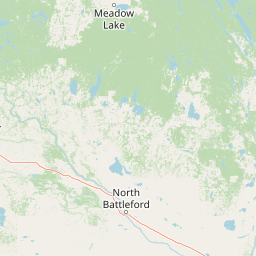
Map view of Thickwood Hills National Wildlife Area

Use this park location map to pinpoint Thickwood Hills National Wildlife Area in Canada, understand its exact geographic position, and read its mapped placement within the surrounding landscape more clearly.

Pigeon | © OpenStreetMap contributors

Location context for Thickwood Hills National Wildlife Area

Saskatchewan
Park atlas

Compare regional habitats and adjacent conservation areas across central Saskatchewan

Parks Near Thickwood Hills National Wildlife Area and Surrounding Protected Landscapes

Browsing other protected areas near Thickwood Hills National Wildlife Area reveals the broader mosaic of central Saskatchewan habitats. Expanding the regional view connects isolated prairie and boreal reserves into a comprehensive landscape comparison.
Wildlife reserveSaskatchewan
About 56 km away#1 closest

West

Scent Grass Lake Migratory Bird Sanctuary: Regional Geography and Wetland Protected Area Maps

Key waterfowl breeding and molting ground in Saskatchewan.

Examine the ecological significance of Scent Grass Lake Migratory Bird Sanctuary, a critical wildlife reserve within the Saskatchewan Aspen Parkland. This protected area offers essential open water and sedge marsh environments for migratory waterfowl, serving as a vital staging and breeding site that maintains regional habitat stability in the Canadian prairies.

Area
6.47 km²
Established
1948
IUCN
IV
Relief
Lowland
National parkSaskatchewan
About 86 km away#2 closest

Northeast

Prince Albert National Park: Saskatchewan National Park and Protected Area Geography

Mapped Landscape Boundaries and Regional Natural Terrain Context

Prince Albert National Park represents a distinct national park entity within Saskatchewan, vital for understanding regional geography and protected landscapes. This page offers detailed insights into its mapped boundaries and the surrounding natural terrain. It is designed to help users comprehend the park's specific protected area identity and its contribution to the broader geographic atlas of Canada's natural spaces.

Area
3,874 km²
Established
1927
IUCN
II
Visitors
287.4K annual
Protected areaSutherland
About 99 km away#3 closest

Southeast

Zugvogelschutzgebiet Sutherland: Regional Geography and Protected Area Context

Historic migratory bird habitat in the Saskatchewan prairie landscape

The Zugvogelschutzgebiet Sutherland protected area serves as an important migratory refuge on the Canadian Prairies. While the site integrates diverse land uses including a zoo and research facilities, its remaining native grasslands continue to provide essential feeding and resting grounds for geese, swans, and ducks. This analysis maps the sanctuary within its broader regional context.

Area
1.3 km²
Established
1924
Relief
Lowland
Climate
Temperate
Wildlife reserveSaskatchewan
About 117 km away#4 closest

Southeast

St. Denis National Wildlife Area: Geographic Profile and Protected Prairie Landscape

A research-focused wildlife reserve in central Saskatchewan.

St. Denis National Wildlife Area represents a critical nexus for prairie ecology, defined by its dense network of shallow ponds and native grassland communities. As a dual-designated National Wildlife and Research Area, this site offers a clear window into the delicate balance of wetland habitats, saline soil conditions, and agricultural landscape integration across Saskatchewan.

Area
3.6 km²
Established
1967
IUCN
IV
Wildlife reserveSaskatchewan
About 141 km away#5 closest

South

Harris Sandhills National Wildlife Area: Saskatchewan Protected Prairie Geography and Map

Mapped wildlife reserve within the Canadian prairie region.

This protected area in Saskatchewan showcases a distinct mosaic of stabilized dunes and native mixed-grass prairie. Understand its geographic significance as a sanctuary for migratory birds and rare prairie species within the expansive plains of Canada. The reserve offers a focused look at small-scale conservation landscapes through its defined physical boundaries and varied topographic features.

Area
3.7 km²
Established
2025
IUCN
IV
Relief
Lowland
Wildlife reserveSaskatchewan
About 165 km away#6 closest

East

Raven Island National Wildlife Area: Geographic Overview and Protected Island Landscape

Essential conservation geography within Saskatchewan

Located in the saline prairie basins of central Saskatchewan, Raven Island National Wildlife Area is a 112-hectare protected habitat. This site plays a strategic role in the Lenore Lake migratory bird complex, preserving crucial island breeding grounds within a gentle prairie landscape. Explore the physical boundaries and ecological context of this Canadian wildlife reserve.

Area
1.12 km²
Established
1982
IUCN
IV
Scope
Terrestrial
Wildlife reserveSaskatchewan
About 289 km away#7 closest

Southwest

Great Sandhills National Wildlife Area: Saskatchewan Protected Dune and Prairie Landscapes

Mapping the natural features and protected boundaries of this significant wildlife reserve.

The Great Sandhills National Wildlife Area represents a vital contemporary conservation effort in southwestern Saskatchewan. It encompasses a compact but biologically dense mosaic of stabilized dune fields, native mixed-grass prairie, and alkaline wetland basins. This protected area stands as a representative example of Canada's evolving strategy to preserve the most ecologically significant parcels of the prairie landscape, offering deep insights into the region's specific terrain and habitat patterns.

Area
4.7 km²
Established
2025
IUCN
IV
Relief
Lowland
Wildlife reserveSaskatchewan
About 302 km away#8 closest

East

Neely Lake Migratory Bird Sanctuary: Boreal Wetland Geography and Protected Landscapes

Essential protected area data for the eastern Saskatchewan boreal fringe

Neely Lake Migratory Bird Sanctuary encompasses a shallow freshwater environment defined by marshy shorelines, wet meadows, and small islands. Situated within the Mid-Boreal Upland, this protected landscape provides crucial stopover habitat for waterfowl moving through the Prairie and Boreal flyways. Gain insight into the terrain, water-body structure, and ecological role of this significant Canadian wildlife reserve.

Area
5.02 km²
Established
1952
IUCN
IV

Common questions about visiting, size, designation, and location context for Thickwood Hills National Wildlife Area

Thickwood Hills National Wildlife Area FAQs for park facts, access, geography, and protected area context

Find quick answers about Thickwood Hills National Wildlife Area, including protected-area facts, park geography, trail and visitor context, and how the park fits into its surrounding country and regional landscape.
MoriAtlas Explorer

Continue Your Protected Areas Search Across the Global Atlas

Deepen your exploration by continuing the structured search for national parks and protected areas worldwide. Utilize the comprehensive filtering capabilities to compare different conservation landscapes and refine your understanding of global park geography. Discover more about the distribution and characteristics of protected natural areas.

Global natural geography