
Mori Atlas logo
Nature reserveUroczyska Puszczy Solskiej

A detailed geographic exploration of complex wetland habitats and mature forest enclaves within the Solska Forest

Uroczyska Puszczy Solskiej Nature Reserve: Mapping Protected Forest and Mire Landscapes in Poland

(Uroczyska Puszczy Solskiej (PLH060034))

Uroczyska Puszczy Solskiej represents a significant protected mosaic in eastern Poland, encompassing a wide range of habitat types within the Równina Biłgorajska mesoregion. This site features a dense network of raised bogs, transitional mires, and swamp forests that demonstrate the intricate relationship between waterlogged soils and diverse woodland cover. Beyond these peat-forming landscapes, the area preserves Carpathian beech stands and rare old-growth forest sections that serve as critical strongholds for large mammal populations and specialized wetland biodiversity.

peatlandsraised bogstransitional miresNatura 2000Special Area of Conservationmixed forests

Uroczyska Puszczy Solskiej

Nature reserve

Park overview

Structured park overview, official facts, and landscape profile for Uroczyska Puszczy Solskiej

Uroczyska Puszczy Solskiej park facts, protected area profile, and essential visitor context

Review the core facts for Uroczyska Puszczy Solskiej, including designation, size, terrain, visitor scale, habitats, and operating context in one park-focused overview.

About Uroczyska Puszczy Solskiej

Uroczyska Puszczy Solskiej is a large, multi-enclave habitat protection area situated in the eastern part of Poland, embedded within the broader Solska Forest, one of the most extensive woodland complexes of the country's southeastern lowlands. The site is formally registered as PLH060034 and was designated under the Natura 2000 network in 2009, reflecting its importance for the conservation of European natural heritage. Its five constituent enclaves together cover around 34,671 hectares, forming a network of forest fragments that together represent the ecological character of the wider region.

The protected zone occupies the Równina Biłgorajska mesoregion, a gently undulating lowland that straddles parts of the Lubelskie and Podkarpackie voivodeships. Despite its modest elevation, the terrain is shaped profoundly by water. A history of glacial and post-glacial processes, combined with river dynamics and stagnant meltwater, has left a landscape of peat-filled depressions, slow-moving streams, spring-fed fens, and forested floodplains. These conditions generate a mosaic where acidic raised bogs stand adjacent to richer mixed forests and fertile beech stands.

The defining environmental character of the area is driven by the diversity of habitats protected within its boundaries. Seventeen habitat types from Annex I of the EU Habitats Directive are documented here, including bog pine forests, raised and transitional mires, the distinctive Carpathian fertile beech forest, mixed fir forests on upland soils, oak-hornbeam groves, and riverside alder-ash forests. Tall-herb and tall-sedge communities, dry inland pine forests, fresh meadows, and trembling-grass Molinia meadows add further structural variety.

Faunal diversity is equally significant. Eighteen Annex II species are recorded in the site, anchored by the large predators that depend on extensive forest cover: the grey wolf and the Eurasian lynx. Wetland-dependent fauna is represented by species such as the fire-bellied toad, the crested newt, and the European pond turtle. Aquatic life includes the brook lamprey, the bullhead, the spined loach, and the weather loach, while rare invertebrates include the Marsh Fritillary butterfly, the Large Copper, the Green Snaketail dragonfly, and the Large Whiteface dragonfly. Mammal diversity is enriched by the Eurasian beaver, the European otter, and three rare bat species: the Western Barbastelle, Bechstein's bat, and the greater mouse-eared bat.

As a whole, Uroczyska Puszczy Solskiej represents one of the most ecologically varied Natura 2000 sites in the Polish lowlands. Its combination of extensive peatlands, old-growth-style forest patches, and resilient populations of large carnivores makes it a cornerstone of regional conservation strategy in eastern Poland.

Quick facts and research context for Uroczyska Puszczy Solskiej

Uroczyska Puszczy Solskiej is a Natura 2000 Special Area of Conservation in eastern Poland, established formally as a protected habitat zone in 2009. It is designated under the code PLH060034 and covers roughly 34,671 hectares across five separate enclaves embedded in the larger Solska Forest complex.

The site lies in the Równina Biłgorajska mesoregion, spanning areas within both the Lubelskie and Podkarpackie voivodeships. Its biodiversity profile is grounded in 17 Annex I habitat types and 18 Annex II species under the EU Habitats Directive, with particular emphasis on peatland ecosystems, mixed and bog forests, and species-rich wetland communities associated with lowland eastern Poland.

Protection and recognition

Documented terrestrial protection scope and official conservation network sources

Uroczyska Puszczy Solskiej Protection Status and Natura 2000 Recognition

Uroczyska Puszczy Solskiej maintains a documented terrestrial protection scope backed by official Natura 2000 recognition sources. Terrestrial protected area records establish the administrative conservation baseline for this landscape without inferring management outcomes.

International recognition

Protection details

Protection scope
Terrestrial
Transboundary protection
No
Park context

Deeper park guide and search-rich context for Uroczyska Puszczy Solskiej

Uroczyska Puszczy Solskiej history, landscape, wildlife, and travel context

Explore Uroczyska Puszczy Solskiej through its history, landscape character, ecosystems, wildlife, conservation priorities, cultural context, and seasonal travel timing in a structured park guide built for atlas discovery and search intent.

Why Uroczyska Puszczy Solskiej stands out

Uroczyska Puszczy Solskiej is best known for its exceptional preservation of peatland and mixed forest habitats in eastern Poland. The area combines raised bogs, transitional mires, swamp coniferous forests, fertile Carpathian beechwoods, oak-hornbeam groves, and riverside floodplain forests into one continuous ecological mosaic, a relatively rare configuration in the lowlands of this part of Europe. The site is also recognized for sustaining populations of large forest mammals such as the grey wolf and the Eurasian lynx, both listed under Annex II of the EU Habitats Directive. Combined with its rich assemblages of bog-dependent dragonflies, amphibians, and cave-roosting bats, the area serves as a key reference site for forest and mire ecology across the Polish lowlands.

Uroczyska Puszczy Solskiej history and protected-area timeline

Uroczyska Puszczy Solskiej was formally created in 2009 as a Special Area of Conservation under Poland's implementation of the European Union Habitats Directive. Its designation as PLH060034 marked the recognition of the site's role within the broader Natura 2000 ecological network, an EU-wide program designed to safeguard threatened habitats and species outside strictly defined national parks.

The area's ecological significance, however, predates its formal designation by many decades. The Solska Forest complex has long been recognized as one of the most important forest landscapes of southeastern Poland, with traditions of forestry, peat harvesting, and local rural land use shaping its current mosaic. The 2012 publication by P. Stachyra, included in the regional compendium of Natura 2000 areas in Podkarpacie, provided a detailed ecological description of the site and contributed substantially to its proper documentation and management framework.

Uroczyska Puszczy Solskiej landscape and geographic character

The landscape of Uroczyska Puszczy Solskiej is shaped by the gentle topography of the Równina Biłgorajska, a lowland mesoregion characterized by glacial and fluvial landforms. The site's terrain is largely flat to gently undulating, with subtle changes in elevation dictated by former meltwater channels, river terraces, and peat-filled depressions. This subdued relief nonetheless produces considerable ecological variation, as small shifts in soil moisture and chemistry give rise to strikingly different vegetation communities.

Water is the defining sculptor of the landscape. Raised bogs and transitional mires occupy the deeper, waterlogged basins, often surrounded by swamp forests of pine and birch. Elsewhere, slow-moving lowland rivers and seasonal floodwaters support alder-ash floodplain forests and tall-herb communities along their banks. Sandy and drier patches within the same area allow the development of dry inland pine forests, creating a finely patterned mosaic of acidic, neutral, and base-rich soils in close proximity.

The forested enclaves themselves include sections of well-developed mature woodland, with mixed fir-beech stands recalling the influence of the nearby Carpathian foothills, alongside classic lowland oak-hornbeam forests and pine-dominated bog margins. The result is a mosaic in which boreal-looking peatlands and more thermophilous deciduous stands coexist within a single coherent protected landscape.

Uroczyska Puszczy Solskiej ecosystems, habitats, and plant life

Ecologically, Uroczyska Puszczy Solskiej is defined by the coexistence of two major habitat complexes: peatland systems and mixed deciduous-coniferous forests. The peatland component is rich and varied, including ombrotrophic raised bogs as well as minerotrophic transitional mires, both of which are sensitive ecosystems requiring long-term hydrological stability. Around these peatlands, swamp coniferous forests (bory bagienne) form protective buffers, while drier pine forests occupy better-drained sandy ridges nearby.

The forest component is equally diverse. Fertile Carpathian beech forests, a habitat more typically associated with mountain landscapes, find suitable conditions in the eastern Polish lowland microclimate of this area. Mixed fir-oak-beech forests represent another distinctive habitat type, while oak-hornbeam groves and riparian alder-ash forests occupy the more mesic and hydrologically dynamic zones. The presence of dry inland pine forests with Cladonia lichens further broadens the structural and ecological spectrum of the site.

Open habitats also contribute to ecological diversity. Fresh meadows and the rare, humidity-sensitive trembling-grass (Molinia) meadows ensure that semi-open communities are part of the network, providing habitat for grassland invertebrates and supporting transitional ecological gradients between open wetland and closed forest.

Uroczyska Puszczy Solskiej wildlife and species highlights

The wildlife profile of Uroczyska Puszczy Solskiej reflects the size and quality of its forest and wetland habitats. The site supports viable populations of large forest carnivores, particularly the grey wolf and the Eurasian lynx, both indicator species for well-connected lowland forest landscapes. Their continued presence underscores the role of the Solska Forest as a refuge for species requiring extensive, undisturbed cover.

Aquatic and wetland fauna is also a major asset. The European pond turtle persists in suitable warm, slow-water habitats, while amphibians include the fire-bellied toad and the crested newt, both dependent on intact wetland complexes. Reptiles, fish, and lampreys contribute to aquatic biodiversity: the brook lamprey, the bullhead, the spined loach, and the weather loach all inhabit the area's streams and small rivers.

Invertebrate diversity is significant for conservation. The Marsh Fritillary butterfly and the Large Copper butterfly occur in suitable meadow and wetland habitats, while the Green Snaketail and the Large Whiteface represent two of the more notable dragonfly species protected under the directive. Mammalian diversity is further enhanced by the Eurasian beaver and the European otter, both of which require healthy wetland and river systems, and by three rare forest bat species: the Western Barbastelle, Bechstein's bat, and the greater mouse-eared bat, which together indicate the presence of mature woodland with suitable roosting trees.

Uroczyska Puszczy Solskiej conservation status and protection priorities

Uroczyska Puszczy Solskiej is designated a Special Area of Conservation under the European Union Natura 2000 network, providing its habitats and species with a legally recognized protection framework. The site's conservation value lies primarily in the combination of extensive, well-preserved peatland habitats and biologically rich mixed forests, both of which are priorities under the EU Habitats Directive.

The presence of seventeen Annex I habitat types, several of which are considered priority or particularly threatened across Europe, gives the site a disproportionate regional conservation significance. Raised bogs, transitional mires, and bog coniferous forests are highly sensitive to drainage, peat extraction, and hydrological disturbance, so the area's protection status is critical for safeguarding their long-term ecological integrity.

The site's conservation importance is further strengthened by its populations of large carnivores, wolves and lynx, which require large, connected forest landscapes and are key indicators of ecosystem health. Combined with the wetland-dependent species and rare bats, these fauna reinforce the site's role as a stronghold for relict and specialist communities that have been lost from much of the surrounding agricultural landscape.

Top sights and standout views in Uroczyska Puszczy Solskiej

The main highlights of Uroczyska Puszczy Solskiej include its extensive raised bogs and transitional mires, its fertile Carpathian beech forests extending into the lowlands, and the unusual coexistence of bog and dry pine forests within a single protected area. The site is among the most ecologically varied Natura 2000 areas in eastern Poland.

Equally notable is the area's wildlife, particularly its breeding populations of grey wolf and Eurasian lynx, its rich dragonfly and butterfly fauna, and the presence of rare bats that depend on old-growth forest structures. For visitors interested in ecology, the site exemplifies how lowland eastern Poland still harbors natural forest and mire complexes of considerable European importance.

Best time to visit Uroczyska Puszczy Solskiej

The seasonal character of Uroczyska Puszczy Solskiej is shaped primarily by its forest and peatland ecology rather than by tourism infrastructure. Spring and early summer are typically the most rewarding periods for observing wetland-dependent species such as amphibians, dragonflies, and butterflies, when warming temperatures and rising water levels activate bog pools and wet meadows.

Late spring is also an attractive period for experiencing the contrast between fresh deciduous foliage and the still-bare bogs and pine stands. Autumn offers a different appeal, with colorful forest canopy and heightened visibility of large mammals. Winter, when snow cover is reliable, can be favorable for tracking signs of wolves, lynx, and deer, though access may be limited by local conditions.
Monthly climate preview

Long-term representative temperature and precipitation averages for Uroczyska Puszczy Solskiej

Uroczyska Puszczy Solskiej Climate Normals and Weather by Month

Representative coordinate records show mean monthly temperatures ranging from sub-zero winter lows to warm summer highs alongside measured precipitation normals. Complete twelve-month climate data provides detailed monthly averages for comprehensive regional study.
Annual mean8 °C
-4 °C20 °C
Jan-4°
Feb-3°
Mar
Apr
May14°
Jun18°
Jul20°
Aug19°
Sep14°
Oct
Nov
Dec-3°
Warmest month
July

19.8 °C

Coolest month
January

-4.3 °C

Wettest month
July

2.7 mm/day

Driest month
January

1.2 mm/day

Park location guide

Geography guide, regional context, and park location map for Uroczyska Puszczy Solskiej

Uroczyska Puszczy Solskiej park geography, regions, and map view in Poland

Understand where Uroczyska Puszczy Solskiej sits in Poland through a broader geographic reading of the surrounding landscape, nearby location context, and its mapped position within the national park landscape.

How Uroczyska Puszczy Solskiej fits into Poland

Poland, officially the Republic of Poland, is a Central European country spanning from the Baltic Sea in the north to the Carpathian Mountains in the south. It borders Germany, Czech Republic, Slovakia, Ukraine, Belarus, Lithuania, and Kaliningrad Oblast. The country has a temperate climate, diverse landscapes, and is known for its rich history, cultural heritage, and strong economic position within the EU.

Wider geography shaping Uroczyska Puszczy Solskiej in Poland

Poland occupies 312,696 km2 in Central Europe, extending from the Baltic Sea coast in the north to the Sudetes and Carpathian Mountains in the south. It borders Germany to the west, Czech Republic and Slovakia to the south, Ukraine and Belarus to the east, and Lithuania and Kaliningrad Oblast to the northeast. The landscape includes lowland plains, uplands, and mountain ranges.

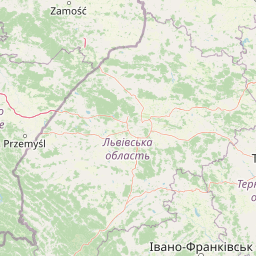
Map view of Uroczyska Puszczy Solskiej

Use this park location map to pinpoint Uroczyska Puszczy Solskiej in Poland, understand its exact geographic position, and read its mapped placement within the surrounding landscape more clearly.

Pigeon | © OpenStreetMap contributors
Park atlas

Compare regional forest reserves, lowland mires, and connected conservation landscapes

Parks near Uroczyska Puszczy Solskiej and surrounding protected areas

Browse other protected areas and regional nature reserves located near Uroczyska Puszczy Solskiej in eastern Poland. Compare surrounding forest ecosystems and lowland habitats to understand broader ecological patterns across the region.
Protected areaPoland
0.2 km away#1 closest

Northwest

Uroczyska Lasów Janowskich: Protected Forest and Wetland Geography in Eastern Poland

Mapping the extensive Natura 2000 lowland forest and peatland complexes

Spanning the Biłgoraj Plain and San River valley, Uroczyska Lasów Janowskich is a notable lowland forest complex in Poland. Its terrain integrates mature oak-hornbeam woods with diverse peatland systems, offering a clear look at how layered conservation strategies protect rare European habitats within a single continuous geographic block.

Area
345.443 km²
Established
2009
Relief
Lowland
Climate
Temperate
Watercolor painting of a lake surrounded by trees and hills under a pale sky
National parkLublin Voivodeship
0.9 km away#2 closest

West

Roztocze National Park: Geographic Insights into Poland's Premier Upland Protected Forest Area

Mapping forest heritage and river valleys in the Lublin Voivodeship.

Roztocze National Park offers a detailed look at one of Poland's most significant upland protected landscapes. Explore the distribution of ancient monument trees, the expansive Wieprz river valley, and the diverse terrain of the Roztocze range. This overview provides a clear understanding of the park's physical boundaries, forest ecosystems, and its role as a critical wildlife corridor within the broader Lublin Voivodeship geography.

Area
84.83 km²
Established
1974
IUCN
II
Visitors
134K annual
Watercolor painting of a tranquil wetland landscape with a river flowing through lush green trees and soft, rolling hills in the background.
National parkLublin Voivodeship
0.9 km away#3 closest

North

Roztoczański Park Narodowy: Mapping the Protected Upland Ridges and Forest Ecosystems

Geographic overview of the Lublin Voivodeship wilderness zone.

The Roztoczański Park Narodowy preserves a vital expanse of temperate mixed forest across the Roztocze upland. This protected area features a unique intersection of Western and Eastern European flora, sheltered within a landscape of geological ridges, winding river valleys, and rare peat bogs. The park represents a key study in regional conservation through its strictly managed forest reserves and the restoration of the Polish konik horse.

Area
84.83 km²
Established
1974
Visitors
134K annual
Relief
Upland
Nature reserveLublin Voivodeship
About 1.7 km away#4 closest

Northwest

Kacze Błota Nature Reserve: Mapping the Protected Peatland Landscapes of Lublin Voivodeship

A study of high bogs and sandy dune forest terrain.

Kacze Błota is a protected nature reserve in Poland known for its sequence of transition mires and boggy coniferous woods. Positioned on the northern slopes of the Roztocze region, this site preserves unique plant species within its waterlogged depressions and acid-soil sandy ridges. The area remains a crucial example of historical landscape preservation in the Lublin Voivodeship, bridging the gap between upland forests and lowland river basins.

Area
1.679 km²
Established
1988
Relief
Lowland
Climate
Temperate
Nature reservePoland
About 3.2 km away#5 closest

East

Rezerwat przyrody Minokąt Nature Reserve: Geography, Forest Terrain, and Mapping

Protected Carpathian forest within the Roztocze landscape

Located in the Narol commune, Rezerwat przyrody Minokąt protects a rare, mature Carpathian fir-beech forest ecosystem. The reserve provides a critical study in regional geography, characterized by rolling upland terrain and fertile woodland soils that anchor the broader Roztocze Protected Landscape Area and regional conservation efforts.

Area
0.231 km²
Established
1996
Relief
Upland
Scope
Terrestrial
Protected landscapeLublin Voivodeship
About 8.8 km away#6 closest

North

Szczebrzeszyński Park Krajobrazowy: Protected Area Mapping in the Lublin Voivodeship

Highland forests, loess gullies, and protected peatland habitats

The Szczebrzeszyński Park Krajobrazowy forms a critical part of the regional Roztocze protected network. Its geography combines high-altitude forested hills, the deeply carved Piekiełko ravine system, and open bog woodland, providing a comprehensive mapped overview of the Western Roztocze highlands.

Area
193.71 km²
Established
1991
Relief
Upland
Climate
Temperate
Nature reservePoland
About 10 km away#7 closest

Northeast

Rezerwat przyrody Debry Nature Reserve: Geography, Forest Ecology, and Protected Boundaries

Exploring the Carpathian-linked landscapes of the Polish Roztocze

Rezerwat przyrody Debry stands as a significant nature reserve in eastern Poland, known for protecting a mosaic of upland fir and fertile beech forest communities. The landscape features deep, characteristic erosional incisions that host a rich array of montane plant species. This area is essential for understanding the regional distribution of protected forest ecosystems and the complex relief of the Roztocze plateau.

Area
1.796 km²
Established
1983
Relief
Upland
Climate
Temperate
Protected areaPodkarpackie Voivodeship
11 km away#8 closest

East

Uroczyska Roztocza Wschodniego: Protected Area and Forested Ridge Geography

Extensive forest sanctuary in the Podkarpackie Voivodeship

Uroczyska Roztocza Wschodniego comprises vast, compact forest tracts on the Eastern Roztocze, defined by high-value woodland communities including beech and oak-hornbeam forests. The area functions as a critical protected landscape that supports diverse fauna and complex hydrological corridors within a significant regional conservation network.

Area
58.1 km²
Established
2011
Relief
Upland
Climate
Temperate

Common questions about visiting, size, designation, and location context for Uroczyska Puszczy Solskiej

Uroczyska Puszczy Solskiej FAQs for park facts, access, geography, and protected area context

Find quick answers about Uroczyska Puszczy Solskiej, including protected-area facts, park geography, trail and visitor context, and how the park fits into its surrounding country and regional landscape.
MoriAtlas Explorer

Continue Your Protected Areas Search Across the Global Atlas

Deepen your exploration by continuing the structured search for national parks and protected areas worldwide. Utilize the comprehensive filtering capabilities to compare different conservation landscapes and refine your understanding of global park geography. Discover more about the distribution and characteristics of protected natural areas.

Global natural geography