Mori Atlas logo
National parkWind Cave National Park

Discover the mapped boundaries and regional geography of this vital US national park.

Wind Cave National Park: Protected Landscape Identity and Geographic Context in Custer County

Wind Cave National Park stands as a significant protected landscape within Custer County, United States. This dedicated national park offers a unique opportunity for geographic exploration, allowing users to understand its specific place within the broader regional atlas and its distinct mapped boundaries. Delve into the protected area's context, examining its landscape identity and its contribution to the natural geography of the United States for a richer, map-driven discovery experience.

Cave SystemMixed Grass PrairieBoxwork FormationsGeological WonderBreathing CaveBison Conservation

Wind Cave National Park

National park

Park overview

Structured park overview, official facts, and landscape profile for Wind Cave National Park

Wind Cave National Park park facts, protected area profile, and essential visitor context
Review the core facts for Wind Cave National Park, including designation, size, terrain, visitor scale, habitats, and operating context in one park-focused overview.

About Wind Cave National Park

Wind Cave National Park occupies a distinctive place in American conservation history as the first cave to receive national park status and one of the earliest protected areas in the national park system. The park's dual character above and below ground creates a remarkable conservation portfolio, combining significant geological resources with one of the last remaining examples of Great Plains grassland ecosystem. The cave system itself represents a geological wonder, having formed over millions of years through the dissolution of Mississippian limestone and subsequent deposition of various sedimentary layers. The park's surface lands preserve a prairie ecosystem that has become increasingly rare in North America, with the mixed grass prairie representing a transition between the shortgrass plains to the west and the tallgrass prairies to the east. This ecological diversity supports a remarkable array of wildlife species, from large mammals like bison and elk to smaller creatures like prairie dogs and black-footed ferrets. The park's proximity to other significant Black Hills destinations, including Jewel Cave National Monument, Custer State Park, and Mount Rushmore, makes it a central feature of the region's conservation landscape.

Quick facts and research context for Wind Cave National Park

Wind Cave National Park is located in Custer County, South Dakota, approximately 10 miles north of the town of Hot Springs. The park was established on January 9, 1903, making it the sixth national park in the United States and the first cave anywhere in the world to receive national park designation. The cave system contains approximately 168 miles of explored passages, ranking it as the sixth longest cave globally and third longest in the United States. The park protects the largest remaining natural mixed grass prairie in the United States and serves as the southern terminus of the South Dakota Centennial Trail. The park's bison herd is one of only four free-roaming and genetically pure herds remaining on public lands in North America, and it is currently brucellosis-free.

Park context

Deeper park guide and search-rich context for Wind Cave National Park

Wind Cave National Park history, landscape, wildlife, and travel context
Explore Wind Cave National Park through its history, landscape character, ecosystems, wildlife, conservation priorities, cultural context, and seasonal travel timing in a structured park guide built for atlas discovery and search intent.

Why Wind Cave National Park stands out

Wind Cave National Park is best known for its extraordinary underground cave system featuring the world's most extensive display of boxwork calcite formations. These distinctive honeycomb-like structures, formed through the dissolution of gypsum and anhydrite lenses within the limestone, create intricate geometric patterns that cover cave walls and ceilings. The cave also contains exceptional frostwork formations, helictite bushes, moonmilk, and calcite rafts. The phenomenon of the cave breathing, where air rushes in or out of the entrance depending on atmospheric pressure changes, remains one of the most notable characteristics that distinguishes this cave system. Above ground, the park protects the largest remaining contiguous tract of unspoiled mixed grass prairie in the United States, representing a rare glimpse of the ecosystem that once covered much of the Great Plains.

Wind Cave National Park history and protected-area timeline

Wind Cave holds deep cultural significance for the Lakota people and other indigenous nations who have long known of the cave's existence in the Black Hills region. The Lakota name Washun Niya translates to Wind or Whirlwind, and the cave features prominently in their oral traditions as the sacred site where humans first emerged from the underworld in their creation mythology. The first documented discovery by Euro-American settlers occurred in 1881 when brothers Tom and Jesse Bingham heard wind rushing from a small opening in the ground, leading to the cave's current name. From 1889 onward, the McDonald family developed the cave for tourism, with Alvin McDonald particularly devoted to its exploration and documentation. The cave opened to visitors in 1892, with early tours conducted by candlelight through challenging passages. President Theodore Roosevelt established the park as the sixth national park in the United States in 1903, cementing its importance in the national conservation movement. Explorers Jan and Herb Conn made significant contributions to understanding the cave's extent during the 1960s, and exploration continues to this day with the cave system now exceeding 168 miles of mapped passages.

Wind Cave National Park landscape and geographic character

The landscape of Wind Cave National Park presents a striking combination of underground geological wonders and surface prairie terrain characteristic of the Black Hills region. The cave system itself consists of three levels located within the Mississippian Pahasapa Limestone, with the passages formed through karst processes that created solution fissures, sinkholes, and extensive cave chambers over geological time. The distinctive boxwork formations, first identified in this cave, consist of calcite fins that protrude from the cave walls in geometric patterns, created when gypsum and anhydrite within the limestone were replaced by calcite. The surface landscape features rolling prairie hills covered in mixed grass vegetation, with ponderosa pine forests appearing in the park's higher elevations. The terrain reflects the geological history of the region, with ancient seabed deposits, erosion surfaces, and Laramide uplift creating the contemporary topography. Several hiking trails traverse the prairie landscape, offering views of the grasslands and opportunities to observe wildlife against the backdrop of the Black Hills formation.

Wind Cave National Park ecosystems, habitats, and plant life

The ecological character of Wind Cave National Park reflects the transition between eastern and western North American biomes, creating a diverse habitat that supports species from both traditions. The mixed grass prairie represents the largest remaining example of this ecosystem type in the United States, with native grasses including big bluestem, little bluestem, and switchgrass dominating the grassland communities. Ponderosa pine forests occur in draws and on north-facing slopes, adding structural diversity to the landscape. The prairie supports an impressive array of wildlife species, from large grazing mammals to small mammals and numerous bird species. The park's position in the Black Hills creates a unique island of mountain and forest habitat surrounded by plains, making it an important refuge for species that require more mesic conditions than the surrounding grasslands provide. The cave system itself supports specialized cave-adapted organisms, though the cave is not known for extensive biological communities due to its relatively dry conditions and limited organic input.

Wind Cave National Park wildlife and species highlights

Wind Cave National Park supports a remarkable diversity of wildlife, with the park's location at the crossroads of eastern and western species distributions creating an eclectic faunal community. The park is home to one of the last remaining free-roaming and genetically pure bison herds in North America, part of a conservation success story that has seen the species recovered from the brink of extinction. Elk roam the park's grasslands and forests, representing one of the few populations in the region. Prairie dog colonies dot the landscape, creating complex social communities that support predators like coyotes, badgers, and black-footed ferrets. The endangered black-footed ferret, once thought extinct, has been reintroduced to the park as part of recovery efforts for this species. Whooping cranes pass through the park during migration, though the population is considered non-self-sustaining. Additional species include cougars, bobcats, red foxes, raccoons, skunks, minks, and pronghorn, creating a complete predator-prey community typical of healthy Great Plains ecosystems.

Wind Cave National Park conservation status and protection priorities

Wind Cave National Park represents multiple conservation milestones, from its role as the world's first cave national park to its ongoing protection of rare prairie ecosystems and endangered species. The park's bison conservation program maintains one of only four genetically pure herds remaining on public lands in North America, preserving the species' genetic integrity for future generations. The cave system itself receives protection as one of the world's most significant geological resources, with its boxwork formations representing a global conservation priority for cave and karst environments. The mixed grass prairie protects what remains of an ecosystem that has been largely converted to agriculture across its historic range. Endangered species recovery efforts, particularly for the black-footed ferret, rely on the park's grassland habitats as essential components of recovery strategies. The park's designation as an International Union for Conservation of Nature Category II protected area reflects its management philosophy emphasizing both natural resource protection and opportunities for public enjoyment and education.

Wind Cave National Park cultural meaning and human context

The cultural landscape of Wind Cave National Park encompasses thousands of years of human history, with the Black Hills holding deep significance for multiple indigenous nations. The Lakota people consider Wind Cave sacred, associating it with their creation story and the emergence of the first humans from the underworld. This spiritual connection predates European settlement and continues to inform contemporary tribal relationships with the landscape. Following the Fort Laramie Treaties of 1851 and 1868, the Black Hills region experienced systematic dispossession of Lakota lands, with the Dawes Act of 1877 opening the territory to settlers. The cave's discovery by Euro-American settlers in 1881 initiated a period of tourism development that would eventually lead to national park designation. The park's cultural resources thus reflect both indigenous heritage and the later history of American settlement and conservation. The park also contains evidence of Civilian Conservation Corps work from the 1930s, representing another layer of human engagement with the landscape.

Top sights and standout views in Wind Cave National Park

Wind Cave National Park offers visitors a rare combination of underground exploration and surface recreation within a landscape of profound ecological and cultural significance. The cave tours, limited to protect the resource while allowing public access, showcase the extraordinary boxwork formations that make this cave system unique among world caves. The surface trails traverse the largest remaining mixed grass prairie in the United States, with opportunities to observe bison, elk, and prairie dogs in their natural habitat. The park's position within the Black Hills places it adjacent to other significant destinations, including Jewel Cave National Monument, where explorers have mapped over 200 miles of passages. The park's status as the southern terminus of the South Dakota Centennial Trail connects it to a regional network of long-distance hiking opportunities. The visitor center exhibits provide context for understanding the cave's geology, the park's natural history, and the human history that shaped the landscape.

Best time to visit Wind Cave National Park

Wind Cave National Park can be visited throughout the year, though each season offers distinct advantages for experiencing the park's resources. Summer months bring warm surface temperatures ideal for hiking the prairie trails and observing wildlife activity, while cave temperatures remain a constant cool temperature year-round, providing comfortable conditions underground regardless of season. Spring and fall offer moderate temperatures and often smaller crowds, making these seasons particularly appealing for those seeking a more tranquil experience. Winter visits provide a different perspective on the prairie landscape, with snow creating a starkly beautiful environment and fewer visitors on the trails. The cave system itself can be toured year-round, with advance reservations recommended during peak summer months. Wildlife viewing opportunities vary seasonally, with bison typically visible throughout the year and elk most active during dawn and dusk hours. The park's campground operates year-round, though services are limited during winter months.
Park location guide

Geography guide, regional context, and park location map for Wind Cave National Park

Wind Cave National Park park geography, regions, and map view in United States of America
Understand where Wind Cave National Park sits in United States of America through a broader geographic reading of the surrounding landscape, nearby location context, and its mapped position within the national park landscape.

How Wind Cave National Park fits into United States of America

The United States of America is a federal presidential republic and one of the world's largest countries by area and population. It consists of 50 states across a vast territory spanning multiple time zones, with its capital in Washington, D.C. and largest city in New York City. The nation has a diverse economy, influential political system, and significant cultural and military presence globally.

Wider geography shaping Wind Cave National Park in United States of America

The United States occupies a vast territory in North America, bordered by Canada to the north and Mexico to the south. The 48 contiguous states stretch from the Atlantic to the Pacific Ocean, while Alaska occupies the northwestern region and Hawaii is an archipelago in the Pacific. The country encompasses diverse terrain including the Rocky Mountains, Appalachian Mountains, Great Plains, and extensive river systems.

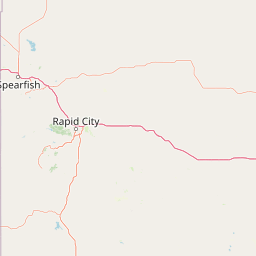
Map view of Wind Cave National Park

Use this park location map to pinpoint Wind Cave National Park in United States of America, understand its exact geographic position, and read its mapped placement within the surrounding landscape more clearly.

Pigeon | © OpenStreetMap contributors

Location context for Wind Cave National Park

Custer CountySouth Dakota
Park atlas

Map the Surrounding Landscapes and Protected Area Geography of the Black Hills Region

Discover National Parks and Protected Areas Near Wind Cave National Park
Explore additional national parks and protected areas near Wind Cave National Park, tracing the mapped geography and diverse landscapes of the Black Hills region. Compare different protected area types, cave systems, and surface ecosystems to understand the rich biodiversity and geological formations of this significant conservation landscape.
National parkSouth Dakota

Badlands National Park: South Dakota's Premier National Park for Atlas Exploration

Explore mapped terrain and protected landscape boundaries.

Badlands National Park stands as a key protected area within the geography of South Dakota, offering a distinct natural landscape for detailed atlas exploration. This National Park's unique terrain and mapped boundaries provide crucial context for understanding regional geography and conservation landscapes. Engage with structured information that highlights the park's geographic identity, making it an essential destination for those seeking to map and comprehend protected natural areas.

Area
982.4 km²
Established
1939
IUCN
II
Visitors
1M annual
National parkNorth Dakota

Theodore Roosevelt National Park: Mapped Protected Landscape in North Dakota

Explore the geography and protected natural boundaries.

Theodore Roosevelt National Park represents a distinct protected landscape within North Dakota, offering a valuable entry point for exploring its unique geographic setting. This page provides a concentrated view of the park's mapped boundaries and its contribution to regional natural context. It is designed for users seeking detailed atlas-level information and a clear understanding of the park's protected-area status and geographic significance within the United States.

Area
285.08 km²
Established
1978
IUCN
II
Visitors
668.7K annual
National parkColorado

Rocky Mountain National Park: National Park Protected Landscape in Colorado

Explore its mapped boundaries and regional geographic context.

Rocky Mountain National Park is a designated National Park within Colorado, crucial for understanding the distribution and geographic context of protected areas in the United States. This detail page provides an atlas-oriented perspective, emphasizing the park's mapped boundaries and its place within the natural landscape of the region. It is designed to facilitate a clear understanding of the park's protected status and its contribution to the atlas of natural landscapes, offering factual insights for geographic discovery.

Area
1,074.28 km²
Established
1915
IUCN
II
Visitors
4.2M annual
National parkWyoming

Yellowstone National Park: US National Park Protected Landscape & Geographic Atlas

Explore mapped boundaries and regional natural landscape context.

Yellowstone National Park represents a significant protected landscape within Wyoming, designated as a US national park. This entry offers detailed insight into its geographic scope, mapped boundaries, and the unique natural terrain that defines it. Understand its role in regional geography and discover its protected-area identity through a structured atlas exploration, providing context for its conservation landscape.

Area
8,983.18 km²
Established
1872
IUCN
II
Visitors
4.7M annual
National parkUnited States of America

Grand Teton National Park: Protected Landscape and Geographic Atlas Exploration

Explore the mapped terrain and regional park geography.

Grand Teton National Park is a protected landscape offering rich geographic discovery opportunities within the United States of America. This detailed entry facilitates an atlas-style exploration of its mapped boundaries, the surrounding regional geography, and its identity as a significant national park. Understand the specific landscape context and discover its placement within the broader natural terrain of North America.

Area
1,300 km²
Established
1929
IUCN
II
Visitors
2.8M annual
National parkMontrose County

Black Canyon of the Gunnison National Park: Protected Area Geography and Mapped Landscape

Explore the natural terrain and protected boundaries in Montrose County.

Black Canyon of the Gunnison National Park is a national park defined by its profound geological features and its status as a protected landscape. Located within Montrose County, it offers a distinct geographic profile for atlas-based exploration. Users can understand the park's mapped boundaries, its relation to the surrounding regional geography, and the unique natural terrain that defines this protected area, contributing to a structured discovery of its natural landscape identity.

Area
124.4 km²
Established
1999
IUCN
II
Visitors
357.1K annual
National parkColorado

Great Sand Dunes National Park and Preserve: Colorado's Unique Mapped Landscape

Explore the natural terrain and protected boundaries.

Great Sand Dunes National Park and Preserve offers a unique protected landscape within Colorado, characterized by its distinct natural terrain and extensive dune fields. This destination provides valuable context for atlas exploration, detailing the park's mapped boundaries and its specific geographic setting. Understand its significance as a protected area and appreciate the unique natural features that define its landscape for a richer geographic discovery.

Area
603.1 km²
Established
2004
IUCN
V
Visitors
432.5K annual
National parkSaskatchewan

Grasslands National Park: Saskatchewan Protected Landscape Atlas

Discover its mapped boundaries and regional geographic context.

Grasslands National Park represents a vital component of protected lands in Saskatchewan, Canada, offering rich opportunities for atlas-based geographic exploration. This detail page provides specific insights into the park's mapped boundaries, its natural terrain, and its role as a national park within the broader regional geography. Understand how this protected landscape fits into the larger atlas of Canadian conservation areas and discover its unique geographic identity.

Area
907 km²
Established
1981
IUCN
II
Visitors
19.7K annual

Common questions about visiting, size, designation, and location context for Wind Cave National Park

Wind Cave National Park FAQs for park facts, access, geography, and protected area context
Find quick answers about Wind Cave National Park, including protected-area facts, park geography, trail and visitor context, and how the park fits into its surrounding country and regional landscape.
MoriAtlas Explorer

Continue Your Protected Areas Search Across the Global Atlas

Deepen your exploration by continuing the structured search for national parks and protected areas worldwide. Utilize the comprehensive filtering capabilities to compare different conservation landscapes and refine your understanding of global park geography. Discover more about the distribution and characteristics of protected natural areas.

Global natural geography