Why Wzgórza Strzelińskie stands out
Wzgórza Strzelińskie is best known for its combination of deciduous forest habitats and traditional semi-natural meadow systems set within a hilly Silesian landscape. The area is particularly associated with well-preserved acidophilus and fertile beech forests, Central European oak-hornbeam woodlands, and rare siliciclastic cliff communities that host specialized vegetation. It is also recognized for the presence of several threatened fauna species, including bats such as Bechstein's bat and the western barbastelle, amphibians like the fire-bellied toad and crested newt, and specialized butterflies dependent on traditional meadow management. Together, these features give the site a strong reputation as a representative biodiversity area for the lower Silesian hill country.
Wzgórza Strzelińskie history and protected-area timeline
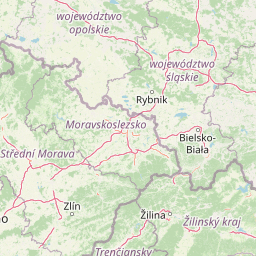
Wzgórza Strzelińskie was designated as a Natura 2000 special area of habitat conservation to ensure long-term safeguarding of natural habitats and populations of threatened animal species within the Lower Silesian Voivodeship. Its identification reflects the European Union's broader Natura 2000 framework for protecting habitat types and species of community interest across member states, with the site being formally registered under the code PLH020074.
The site encompasses habitat types and species whose long-term survival depends on the continuation of low-intensity land use, particularly extensive meadow management and the preservation of mature forest stands. Its recognition acknowledges the ecological value of the Wzgórza Niemczańsko-Strzelińskie mesoregion as a refuge for habitat types that have become fragmented elsewhere in the region.
Wzgórza Strzelińskie landscape and geographic character
The landscape of Wzgórza Strzelińskie is shaped by the gentle hill country of the Wzgórza Niemczańsko-Strzelińskie mesoregion, where rounded ridges, valley systems, and diverse woodland cover define the terrain. Elevations vary across the area, producing a varied physical setting where valley floors and slope benches support distinct vegetation communities. Small streams and springs shape many of the lower sections, often bordered by floodplain forests and moist woodland patches.
A signature feature of the site is the presence of siliciclastic rock walls and outcrops that rise from the forested slopes. These rocky exposures add relief and visual character to an otherwise soft hill landscape and host specialized vegetation communities adapted to shallow soils and exposure. The combination of forest, meadow, and cliff creates a layered scenery typical of Lower Silesian hill country.
Wzgórza Strzelińskie ecosystems, habitats, and plant life
Ecologically, Wzgórza Strzelińskie captures a diversity of habitat types within a relatively compact area. The protected complex includes lowland and montane fresh meadows used under extensive management, silicate cliff habitats, and a series of forest communities ranging from acidic beech forests to fertile beech forests, oak-hornbeam forests, and acidophilous oak forests. This mosaic reflects the interaction of soils, elevation, light availability, and historical land use.
Riparian habitats play a significant role. Willow-poplar and alder floodplain forests, ash-alder gallery forests, and spring-fed alder carrs occupy valley bottoms and watercourse corridors. These humid microenvironments support moisture-loving plants and provide refuge for amphibians and other moisture-dependent fauna. Floodplain oak-elm-ash forests of the Ficario-Ulmetum type represent a more specialized riverine habitat within the larger site.
The presence of the Androsacion vandelii cliff communities highlights the geological variation of the area. Such vegetation is tied closely to specific rock substrates and microclimates, and contributes to the botanical distinctiveness of the site on a regional scale.
Wzgórza Strzelińskie wildlife and species highlights
The site was specifically designated to protect a number of threatened animal species other than birds. Among the invertebrates of conservation concern is the large copper butterfly (Lycaena dispar), along with the dusky large blue (Maculinea nausithous), a butterfly closely tied to traditional meadow habitats. These species rely on the extensive meadows and flower-rich grassland edges maintained across parts of the site.
Amphibians include the fire-bellied toad (Bombina bombina) and the crested newt (Triturus cristatus), both associated with small water bodies, wet depressions, and moist forest environments. Their presence indicates that ponds, slow streams, and wet microhabitats within the broader landscape remain functional for sensitive pond-breeding species.
Forest-dependent fauna is represented by several bat species of conservation interest, including Bechstein's bat (Myotis bechsteinii), the greater mouse-eared bat (Myotis myotis), Geoffroy's bat (Myotis emarginatus), and the western barbastelle (Barbastella barbastellus). These bats depend on mature deciduous forests with old trees and structured understories, underlining the importance of woodland continuity across the site.
The hermit beetle (Osmoderma eremita), a saproxylic beetle tied to large veteran trees, is also listed among the protected species. Its presence reinforces the ecological value of old-growth features and dead wood habitats scattered across the forested portions of Wzgórza Strzelińskie.
Wzgórza Strzelińskie conservation status and protection priorities
Wzgórza Strzelińskie is integrated into the European Natura 2000 network as a special area of habitat conservation, with the explicit objective of long-term protection of natural habitats and populations of threatened animal species other than birds. The site's designation recognizes that several of the habitat types present, including specific types of beech forest, oak woodland, meadows, and riparian forests, are of community interest and require active safeguarding to maintain their viability across the region.
The conservation significance of the area is closely tied to the preservation of habitat heterogeneity. Open, extensively managed meadows are essential to maintain populations of meadow-dependent butterflies, while continuity of mature deciduous forest is critical for the bats and saproxylic insects listed for protection. Riparian forest systems provide structural connectivity that supports population flow across the landscape.
Because the site falls under Natura 2000, its management is guided by the broader EU framework for habitat protection, including requirements related to preventing habitat deterioration and maintaining the favorable conservation status of protected species. The combination of habitat diversity, traditional land use patterns, and relatively intact forest cover gives Wzgórza Strzelińskie strong conservation value within the Lower Silesian context.
Wzgórza Strzelińskie cultural meaning and human context
Wzgórza Strzelińskie lies in a region historically shaped by traditional rural land use, including long-established patterns of extensive meadow mowing and careful forest management that have helped maintain the area's mosaic of habitats. The Lower Silesian hill country in which the site sits carries a layered cultural and historical heritage, with rural settlements, agricultural traditions, and small-scale forestry contributing to the long-term character of the landscape.
The maintenance of these traditional land use patterns remains closely linked to the cultural identity of local communities, whose practices have shaped the ecological conditions that the Natura 2000 designation now seeks to protect.
Top sights and standout views in Wzgórza Strzelińskie
Wzgórza Strzelińskie stands out for its combination of protected beech forests, oak-hornbeam woodlands, riparian forest corridors, and extensively used meadows, set against the rolling terrain of the Silesian hill country. The presence of siliciclastic rock walls with Androsacion vandelii vegetation adds a distinctive geological and botanical element.
A second major highlight is the site's role in conserving rare fauna such as Bechstein's bat, the western barbastelle, the fire-bellied toad, the crested newt, the large copper butterfly, and the hermit beetle. Together, these features establish Wzgórza Strzelińskie as a representative biodiversity site within the Natura 2000 network of southwestern Poland.
Best time to visit Wzgórza Strzelińskie
Spring and early summer are typically a rewarding time to experience woodland and meadow habitats in this part of Lower Silesia, when fresh green foliage and flowering meadows are at their most expressive and the activity of amphibians and insects peaks. Late spring to early summer is also favorable for observing meadow-dependent butterflies, while warmer evenings in this period can offer chances to encounter bat activity near mature forest stands.
Late summer and early autumn provide a different character, with mature deciduous foliage, visible mast in beech and oak forests, and quieter meadow conditions after the main mowing cycle. Cooler temperatures and reduced insect activity shift the focus toward woodland scenery, valley landscapes, and the broader geological features of the hill country.