
Mori Atlas logo
National parkZapatera Archipelago National Park

Mapping the protected boundaries and regional geography of this vital Nicaraguan national park.

Zapatera Archipelago National Park: Nicaragua National Park Atlas and Protected Landscape

Zapatera Archipelago National Park represents a significant protected area within Nicaragua's diverse geography. As a national park, it offers critical insights into the region's natural landscapes and mapped terrain. This entry provides essential context for understanding the park's place within the atlas, focusing on its protected boundaries and its role in the broader geographic framework of Central America.

volcanic islandsLake NicaraguaCentral Americanational parkprotected areaisland ecosystems

Zapatera Archipelago National Park

National park

Park overview

Structured park overview, official facts, and landscape profile for Zapatera Archipelago National Park

Zapatera Archipelago National Park park facts, protected area profile, and essential visitor context
Review the core facts for Zapatera Archipelago National Park, including designation, size, terrain, visitor scale, habitats, and operating context in one park-focused overview.

About Zapatera Archipelago National Park

Zapatera Archipelago National Park protects a group of volcanic islands situated in Lake Nicaragua, the massive freshwater lake that dominates southwestern Nicaragua and forms part of the country's most significant hydrological system. The archipelago includes Zapatera Island as the largest and most prominent landmass, Isla el Muerto as a secondary island, and several smaller islets that complete the island cluster. These islands were formed through volcanic processes and their terrain reflects the geological history of volcanic activity in the Lake Nicaragua basin. The park's designation as a national park reflects Nicaragua's commitment to preserving the natural heritage represented by these islands, including their unique ecosystems, scenic values, and biodiversity. The lake setting creates a distinctive protected-area character, with the islands functioning as freshwater archipelago habitats rather than the coastal or mountain environments that dominate many other Central American protected areas.

Quick facts and research context for Zapatera Archipelago National Park

Zapatera Archipelago National Park is situated in the southern portion of Lake Nicaragua in southwestern Nicaragua. The protected area encompasses Zapatera Island as its primary landmass, along with the smaller Isla el Muerto and additional islets. The islands are of volcanic origin, rising from the waters of Central America's largest lake. The park is part of Nicaragua's system of protected areas designed to preserve the ecological and scenic values of the archipelago.

Park context

Deeper park guide and search-rich context for Zapatera Archipelago National Park

Zapatera Archipelago National Park history, landscape, wildlife, and travel context
Explore Zapatera Archipelago National Park through its history, landscape character, ecosystems, wildlife, conservation priorities, cultural context, and seasonal travel timing in a structured park guide built for atlas discovery and search intent.

Why Zapatera Archipelago National Park stands out

Zapatera Archipelago National Park is best known for its volcanic island setting within Lake Nicaragua. The archipelago stands out as a lake-based protected area featuring islands of volcanic origin, distinct from Nicaragua's more common continental mountain and forest protected zones. Zapatera Island serves as the park's central focus, with its natural landscapes and island ecosystems providing the primary basis for the park's protected status and ecological significance.

Zapatera Archipelago National Park history and protected-area timeline

The specific establishment date and administrative history of Zapatera Archipelago National Park are not detailed in the available source material. The park exists as part of Nicaragua's broader framework of national parks and protected areas, which began developing substantially in the late twentieth century as the country established its system of environmental protection. The archipelago itself has historical significance as part of the Lake Nicaragua region, though detailed records of the park's creation and evolution are not provided in the current source.

Zapatera Archipelago National Park landscape and geographic character

The landscape of Zapatera Archipelago National Park is defined by its island setting within Lake Nicaragua. The islands feature volcanic terrain with elevations rising from the lake surface, creating a contrast between the open waters of the lake and the landforms of the islands. The terrain includes the characteristic shapes of volcanic islands, with slopes and ridgelines that mark the islands' geological origins. The surrounding lake waters form an essential part of the park's landscape character, with the archipelago appearing as a cluster of green islands set against the expanse of Central America's largest lake. The islets and smaller landforms add to the diversity of the island group.

Zapatera Archipelago National Park ecosystems, habitats, and plant life

The nature of Zapatera Archipelago National Park reflects its unique position as a lake-based island ecosystem. The islands support vegetation communities adapted to the island environment and the lacustrine setting. The freshwater lake environment surrounding the islands provides habitat conditions distinct from terrestrial or coastal ecosystems, while the islands themselves offer terrestrial habitats for various species. The combination of island land environments with the extensive lake ecosystem creates a diverse natural setting within the protected area.

Zapatera Archipelago National Park wildlife and species highlights

Specific wildlife details for Zapatera Archipelago National Park are not provided in the available source material. The island and lake setting would be expected to support birdlife associated with freshwater habitats and island environments, as well as terrestrial species adapted to the island ecosystems. However, detailed records of specific wildlife present in the park are not available from the current source.

Zapatera Archipelago National Park conservation status and protection priorities

Zapatera Archipelago National Park functions as a protected area within Nicaragua's national park system. The park's conservation purpose centers on preserving the volcanic island ecosystems and the natural values of the archipelago within Lake Nicaragua. The protected status provides legal framework for maintaining the islands' ecological integrity and preventing activities that could degrade their natural features. As a national park, it represents the country's recognition of the archipelago's significance as a natural area worthy of formal protection.

Zapatera Archipelago National Park cultural meaning and human context

The Zapatera Archipelago carries cultural significance within the context of Lake Nicaragua's regional history. The islands are named Zapatera, a name with roots in the region's Spanish colonial history and potentially reflecting historical uses or perceptions of the islands. The Lake Nicaragua basin has been an area of human settlement and activity for centuries, with the islands forming part of the cultural landscape of the region. While detailed indigenous heritage information is not provided in the current source, the lake and its islands have been part of the cultural geography of southwestern Nicaragua.

Top sights and standout views in Zapatera Archipelago National Park

Zapatera Archipelago National Park's primary highlight is its distinctive character as a volcanic island archipelago protected within a freshwater lake. The park offers a protected-area experience centered on island environments rather than the continental forests or coastal zones that dominate much of Central America's protected lands. The visual contrast between the lake's waters and the volcanic island landscapes provides a unique scenic quality. The archipelago's composition of multiple islands and islets creates a varied landscape within a compact area.

Best time to visit Zapatera Archipelago National Park

Specific guidance on the best time to visit Zapatera Archipelago National Park is not provided in the available source material. Visitors to Lake Nicaragua and the islands would generally experience the tropical climate characteristic of southwestern Nicaragua, with considerations related to the wet and dry seasons typical of the region affecting travel conditions.
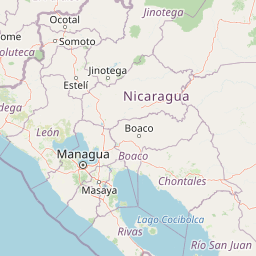

Park location guide

Geography guide, regional context, and park location map for Zapatera Archipelago National Park

Zapatera Archipelago National Park park geography, regions, and map view in Nicaragua
Understand where Zapatera Archipelago National Park sits in Nicaragua through a broader geographic reading of the surrounding landscape, nearby location context, and its mapped position within the national park landscape.

How Zapatera Archipelago National Park fits into Nicaragua

Nicaragua is a Central American country spanning 130,375 km² with a population of approximately 6.7 million. It borders Honduras, Costa Rica, the Caribbean Sea, and the Pacific Ocean. The official language is Spanish, and the currency is the Córdoba. Known for its agricultural productivity and cultural diversity, Nicaragua has a history dating back to indigenous civilizations before Spanish conquest in the 16th century.

Wider geography shaping Zapatera Archipelago National Park in Nicaragua

Nicaragua occupies a strategic position in Central America, bordered by Honduras to the north, the Caribbean Sea to the east, Costa Rica to the south, and the Pacific Ocean to the west. The country also shares maritime borders with El Salvador and Colombia. The terrain includes coastal plains, volcanic highlands, and interior valleys. Lake Managua and Lake Nicaragua are major freshwater bodies.

Common questions about visiting, size, designation, and location context for Zapatera Archipelago National Park

Zapatera Archipelago National Park FAQs for park facts, access, geography, and protected area context
Find quick answers about Zapatera Archipelago National Park, including protected-area facts, park geography, trail and visitor context, and how the park fits into its surrounding country and regional landscape.
MoriAtlas Explorer

Continue Your Protected Areas Search Across the Global Atlas

Deepen your exploration by continuing the structured search for national parks and protected areas worldwide. Utilize the comprehensive filtering capabilities to compare different conservation landscapes and refine your understanding of global park geography. Discover more about the distribution and characteristics of protected natural areas.

Global natural geography