
Mori Atlas logo
Wildlife reserveZugvogelschutzgebiet Mississippi Lake

Mapping the wetland landscape and migratory bird sanctuary at the mouth of the Mississippi River

Zugvogelschutzgebiet Mississippi Lake: A Protected Wildlife Reserve in Eastern Ontario

(Mississippi Lake Migratory Bird Sanctuary)

Zugvogelschutzgebiet Mississippi Lake stands as a critical federally protected wildlife reserve situated along the southwestern shores of Mississippi Lake in Ontario. This sanctuary serves as a key autumn staging point for migratory waterfowl, centering on the shallow, nutrient-rich expanse of Ewan Bay. The landscape is defined by the hydrologic intersection of river inflow and lake basin, creating a vital mosaic of marsh, meadow, and open water habitats that support seasonal wildlife movements.

waterfowl sanctuarymigratory bird sanctuarywetland conservationduck migrationautumn staging areaOntario wetlands

Zugvogelschutzgebiet Mississippi Lake

Wildlife reserve

Park overview

Structured park overview, official facts, and landscape profile for Mississippi Lake Migratory Bird Sanctuary

Mississippi Lake Migratory Bird Sanctuary park facts, protected area profile, and essential visitor context

Review the core facts for Mississippi Lake Migratory Bird Sanctuary, including designation, size, terrain, visitor scale, habitats, and operating context in one park-focused overview.

About Mississippi Lake Migratory Bird Sanctuary

The Mississippi Lake Migratory Bird Sanctuary is a federally designated bird protection reserve occupying a small footprint on the southwestern shore of Mississippi Lake in eastern Ontario. Although its area is modest, its ecological importance is disproportionate because it sits at the mouth of the Mississippi River, a zone where river, lake, and marsh converge into exactly the kind of shallow, productive habitat that migratory waterfowl seek out before long autumn flights.

Administratively, the sanctuary operates under the Canadian Wildlife Service. It was established in 1959, during a period when Canada was actively formalizing a national network of migratory bird sanctuaries to protect the country's most strategic waterfowl habitats. The site was chosen because the Ewan Bay area, with its mix of open water, emergent marsh, and sheltered shoreline, repeatedly concentrated large numbers of ducks during autumn.

The migratory bird sanctuary designation overlaps substantially with the Mississippi Lake National Wildlife Area, a separate but complementary protection status created in 1977. The dual designation reflects the layered nature of Canadian conservation: a wildlife area provides broader habitat management authority for species and habitat, while the migratory bird sanctuary focuses specifically on the protection of birds during a vulnerable life-cycle window. Together, the two layers stack legal protection over essentially the same landscape and ensure that key ecological functions are not lost to incidental disturbance or change of use.

The surrounding region is part of the broader Ottawa Valley landscape, an area shaped by glacial history, mixed forest, lakes, and a network of rivers that drain toward the Ottawa River. The Mississippi River itself, despite sharing its name with the much larger North American Mississippi, is a distinct Ontario watercourse that flows through Lanark County and ultimately joins the Ottawa system. Within this context, the Mississippi Lake sanctuary functions as one node in a network of stopover habitats used by waterfowl as they progress southward each fall.

Quick facts and research context for Mississippi Lake Migratory Bird Sanctuary

The Mississippi Lake Migratory Bird Sanctuary sits in Ontario, Canada, roughly 12 km south-southwest of the small town of Carleton Place and near the community of Innisville. It was established in 1959, covers about 2.84 square kilometers, and is managed by the Canadian Wildlife Service. The protected zone centers on Ewan Bay and the surrounding wetlands at the mouth of the Mississippi River, and it largely overlays the 1977 Mississippi Lake National Wildlife Area.

Protection and recognition

Examining documented terrestrial protection parameters and official records

Zugvogelschutzgebiet Mississippi Lake Protection Status and Records

Zugvogelschutzgebiet Mississippi Lake maintains a documented terrestrial protection status within global conservation databases. Official records outline management parameters and administrative classifications associated with the protected landscape.

Protection details

Protection scope
Terrestrial
Transboundary protection
No
WDPA ID
66270
Park context

Deeper park guide and search-rich context for Mississippi Lake Migratory Bird Sanctuary

Mississippi Lake Migratory Bird Sanctuary history, landscape, wildlife, and travel context

Explore Mississippi Lake Migratory Bird Sanctuary through its history, landscape character, ecosystems, wildlife, conservation priorities, cultural context, and seasonal travel timing in a structured park guide built for atlas discovery and search intent.

Why Mississippi Lake Migratory Bird Sanctuary stands out

The sanctuary is best known as a refuge for migratory waterfowl, especially ducks, that use the Ewan Bay wetlands during the autumn migration. Its value lies in providing sheltered, food-rich shallow habitat at a moment of the year when waterfowl are under intense energetic stress. The combination of lake edge, bay, marsh, and river-mouth hydrology makes the site unusually attractive for dabbling and diving ducks at the same time each fall. Beyond the ducks themselves, the reserve is recognized for its status within Ontario's wetland hierarchy, where Ewan Bay is classified as a provincially significant wetland. That dual recognition, federal migratory bird sanctuary plus provincially important wetland, underscores the site's role as a confirmed, science-backed node within the broader landscape of southern Ontario migratory habitat.

Mississippi Lake Migratory Bird Sanctuary history and protected-area timeline

The Mississippi Lake Migratory Bird Sanctuary was formally established in 1959 as part of Canada's wider effort to protect key waterfowl habitats under national wildlife legislation. The selection of the site was driven by the repeated autumn concentration of ducks in the Ewan Bay area and its adjacent wetlands, where Mississippi River inflow creates a productive mosaic of sheltered open water and emergent marsh.

In 1977, a complementary designation was added when the area was set aside as the Mississippi Lake National Wildlife Area, applying an additional habitat and species management framework to most of the same lands. The overlapping sanctuary and wildlife area designations have together produced a layered protection regime, with the sanctuary focusing on migratory bird conservation and the wildlife area broadening the mandate to include broader habitat and species protection objectives. The site has remained under Canadian Wildlife Service administration since its establishment, with seasonal public access restrictions designed to limit disturbance during the peak autumn migration window.

Mississippi Lake Migratory Bird Sanctuary landscape and geographic character

The sanctuary occupies a low-relief lakeshore setting on the southwestern margin of Mississippi Lake, where the Mississippi River flows into the broader lake basin. The terrain is shaped by the hydrology of the river mouth rather than dramatic relief: shallow bays, gradual sediment deposits, and gently sloping shorelines define the local land-water interface. Water levels, sediment transport, and seasonal ice cover all influence the rhythm of the bay across the year.

Ewan Bay is the geographic centerpiece of the reserve. It is a shallow bay inflected by river inflow, which creates conditions favorable to emergent vegetation, submerged aquatic plants, and seasonal invertebrate blooms. Around the bay, the landscape transitions into fringing marsh, wet meadow, shrub thicket, and eventually upland mixed forest characteristic of the broader Ottawa Valley region. The mosaic of open water, emergent wetland, and adjacent forest provides structural diversity that supports a wide range of wildlife, not only waterfowl but also other wetland-dependent species.

The wider setting is typical of southern Ontario's glacial landscape: rolling terrain, mixed hardwood and softwood stands, agricultural land beyond the protected perimeter, and a chain of lakes and rivers linked to the Ottawa drainage system. The Mississippi Lake sanctuary does not feature cliffs, dunes, or large mountain ridges; its character is instead defined by quiet shoreline, reflective water surfaces, and the slow seasonal transition between open water, marsh, and ice.

Mississippi Lake Migratory Bird Sanctuary ecosystems, habitats, and plant life

The ecological identity of the Mississippi Lake Migratory Bird Sanctuary is built around its wetland complex. Shallow open water, emergent marsh, fringing wet meadow, and adjacent upland forest together create a layered habitat where different life stages of bird, fish, amphibian, and invertebrate communities can each find usable space. The Mississippi River inflow keeps the bay well-oxygenated and nutrient-enriched, supporting the aquatic plant and invertebrate base that waterfowl depend on during their autumn staging period.

Vegetation in and around Ewan Bay reflects this hydrology. Submerged aquatic plants grow in the shallow bay, emergent species occupy the marsh fringe, and shrubs and tolerant hardwoods line the upland edge. This zonation is common in healthy Great Lakes-St. Lawrence lowland wetlands and contributes to the bay's productivity. The mosaic also buffers birds against disturbance and predation by providing alternating open water and concealed edges, a feature that makes the site especially attractive during the energy-demanding pre-migration period.

Beyond waterfowl habitat, the sanctuary supports wetland-dependent biodiversity more broadly. Aquatic invertebrates form a key trophic link, while amphibians and certain mammals use the wet meadow and shrub fringe. The surrounding forest adds habitat for songbirds and other non-waterfowl species. The dual designation as a migratory bird sanctuary and a provincially significant wetland reflects this broader ecological value beyond waterfowl alone.

Mississippi Lake Migratory Bird Sanctuary wildlife and species highlights

Wildlife at the Mississippi Lake Migratory Bird Sanctuary is dominated by migratory waterfowl, particularly ducks, which use Ewan Bay as a staging area during the autumn migration. The bay's combination of shallow feeding habitat and sheltered shoreline makes it attractive both for dabbling ducks, which tip up in shallow water to feed on plants and invertebrates, and for diving ducks that exploit slightly deeper zones.

The species recorded as autumn visitors include a diverse set of dabbling and diving ducks. Among the dabblers, mallards and American black ducks appear in significant numbers, while blue-winged teal, green-winged teal, and wood ducks make seasonal use of the bay. Ring-necked ducks, which are technically diving ducks but often behave like dabblers in shallow water, are also noted visitors. The hooded merganser adds a fish-and-invertebrate feeding dimension to the duck community, complementing the more plant-focused species.

Although ducks are the headline wildlife group at the sanctuary, the broader wetland mosaic supports additional species. Songbirds use the shrub and forest edge habitats, raptors hunt the open water and adjacent clearings, and amphibians inhabit the marsh zone. The wildlife profile of the reserve is therefore best understood not as a single-species story but as a stopover that supports the energetic needs of waterfowl while also functioning as year-round habitat for resident wetland and forest species.

Mississippi Lake Migratory Bird Sanctuary conservation status and protection priorities

Conservation significance is the defining feature of the Mississippi Lake Migratory Bird Sanctuary. The site was established specifically because Ewan Bay and its adjacent wetlands were identified as one of the more reliable autumn staging areas for migratory ducks in this part of Ontario. Protecting that function means limiting physical disturbance, maintaining water quality, and preserving the integrity of emergent marsh and shallow-water feeding zones during the critical pre-migration weeks.

The dual designation of the area is critical to its conservation logic. As a Migratory Bird Sanctuary under federal wildlife legislation, the site receives targeted protection focused on migratory birds, including seasonal access restrictions that reduce human disturbance during peak migration. As a National Wildlife Area, it benefits from a broader habitat and species management framework that allows active stewardship of wetland vegetation, hydrology, and associated wildlife communities. The two designations effectively stack protection over the same lands, ensuring that disturbance pressures from recreation, development, or land-use change are weighed against the site's documented ecological value.

Recognition of Ewan Bay as a provincially significant wetland adds a third conservation layer. This classification reflects an assessment of the bay's hydrological function, biological productivity, and representativeness within Ontario's broader wetland inventory. Together, the federal sanctuary, the federal wildlife area, and the provincial wetland significance designation frame the site as a high-confidence conservation area rather than a token reserve, justifying the limited footprint and the seasonal closures that protect its core function.

Mississippi Lake Migratory Bird Sanctuary cultural meaning and human context

The Mississippi Lake Migratory Bird Sanctuary sits in a region long shaped by the relationship between people and the lakes and rivers of the Ottawa Valley. The Mississippi River, despite its shared name with the more famous North American river, is an Ontario watercourse with its own history of Indigenous land use, early European settlement, logging, and later cottage recreation. Communities such as Innisville and Carleton Place grew around the lake and river system, and the surrounding countryside combines forested tracts with active farmland.

This history of human use is relevant to conservation because it explains why protections like the migratory bird sanctuary were layered onto a landscape that was never remote or unused. The sanctuary does not sit in an uninhabited wilderness; it sits in a working landscape, and the seasonal restrictions on access reflect an effort to maintain the bay's function as waterfowl habitat within a populated, actively used region. The presence of a managed visitor area with a picnic space, walking trail, and boat ramp for the rest of the year illustrates the balancing act between quiet, low-impact public enjoyment and tight protection during the migration window.

Top sights and standout views in Mississippi Lake Migratory Bird Sanctuary

The sanctuary's signature feature is Ewan Bay, a shallow bay at the mouth of the Mississippi River that combines open water with surrounding marsh. It is the reason the protected area exists.

The autumn duck migration is the second headline: a dependable, multi-species concentration of dabbling ducks, diving ducks, and mergansers staging for the southern leg of their journey.

The sanctuary also stands out for its layered protection, combining a Migratory Bird Sanctuary, a National Wildlife Area, and a provincially significant wetland designation in a single small footprint along Mississippi Lake.

Best time to visit Mississippi Lake Migratory Bird Sanctuary

The most ecologically important time at the Mississippi Lake Migratory Bird Sanctuary is autumn, when migratory ducks use Ewan Bay as a staging area before continuing south. This is also, however, the season when public access is most restricted, between mid-September and mid-December, when the sanctuary itself is closed and only direct access to Mississippi Lake via the McIntyre Creek boat ramp is permitted.

Outside that autumn window, the site offers its limited visitor amenities: a picnic area, walking trail, boat ramp, and washrooms. Late spring and summer bring different wildlife dynamics, including resident songbirds, amphibians, and the gradual ripening of wetland vegetation, while winter shifts the landscape into a frozen, low-activity phase. Visitors interested in the migratory function of the reserve should be aware that the most ecologically dramatic period is deliberately the most restricted, a deliberate trade-off that places waterfowl protection above casual recreation during the most sensitive weeks of the year.

Monthly climate preview

Measured long term temperature and monthly precipitation averages across representative park coordinates

Zugvogelschutzgebiet Mississippi Lake Climate Normals and Annual Temperature Rhythm

Historical NASA Power climatology records outline the measured annual temperature progression and monthly precipitation patterns across representative coordinates in Zugvogelschutzgebiet Mississippi Lake. Reviewing the complete twelve month statistical profile provides deeper analytical context for long term climatic conditions at this protected location.
Annual mean6 °C
-10 °C21 °C
Jan-10°
Feb-9°
Mar-2°
Apr
May13°
Jun18°
Jul21°
Aug20°
Sep16°
Oct
Nov
Dec-5°
Warmest month
July

21 °C

Coolest month
January

-10 °C

Wettest month
June

2.8 mm/day

Driest month
February

1.5 mm/day

Park location guide

Geography guide, regional context, and park location map for Mississippi Lake Migratory Bird Sanctuary

Mississippi Lake Migratory Bird Sanctuary park geography, regions, and map view in Canada

Understand where Mississippi Lake Migratory Bird Sanctuary sits in Canada through a broader geographic reading of the surrounding landscape, nearby location context, and its mapped position within the national park landscape.

How Mississippi Lake Migratory Bird Sanctuary fits into Canada

Canada is a federal parliamentary constitutional monarchy spanning North America from the Atlantic to the Pacific and Arctic Oceans. With a population of over 41 million, it is officially bilingual in English and French at the federal level. The country gained independence from the United Kingdom through a gradual process culminating in 1982.

Wider geography shaping Mississippi Lake Migratory Bird Sanctuary in Canada

Canada occupies the northern portion of North America, sharing its longest international border with the United States. The country extends from the Atlantic Ocean to the Pacific Ocean and northward into the Arctic Ocean, giving it the longest coastline of any nation.

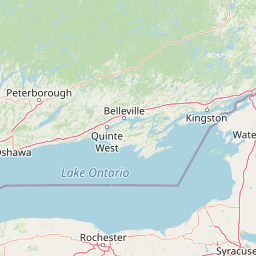
Map view of Mississippi Lake Migratory Bird Sanctuary

Use this park location map to pinpoint Mississippi Lake Migratory Bird Sanctuary in Canada, understand its exact geographic position, and read its mapped placement within the surrounding landscape more clearly.

Pigeon | © OpenStreetMap contributors

Location context for Mississippi Lake Migratory Bird Sanctuary

Ontario
Recorded earthquake history

Explore Historical Earthquake Records for Zugvogelschutzgebiet Mississippi Lake

Access the documented history of seismic events occurring in the vicinity of Zugvogelschutzgebiet Mississippi Lake. This MoriAtlas collection offers a transparent view of recorded earthquake data, including magnitudes and epicentre locations relative to the park, for those interested in the regional seismic landscape.

Zugvogelschutzgebiet Mississippi Lake Earthquakes

Catalogued events

1 event

Strongest magnitude

Magnitude 4.2

Most recent event

Oct 11, 1983

This history includes earthquakes recorded inside the park or within 50 km of its borders

Park atlas

Compare adjacent wetlands, lake basins, and regional conservation landscapes

Explore Other Parks Near Zugvogelschutzgebiet Mississippi Lake and Regional Protected Areas

Browsing other parks near Zugvogelschutzgebiet Mississippi Lake reveals connected wetland habitats and regional protected areas across the surrounding landscape. Comparing these protected environments provides deeper context into eastern Ontario wildlife corridors and regional watershed geography.
Wildlife reserveOntario
About 32 km away#1 closest

Southeast

Rideau Migratory Bird Sanctuary: Protected Wildlife Reserve and Regional Waterfowl Habitat

Riparian conservation zones along the Rideau River in Ontario

The Rideau Migratory Bird Sanctuary protects a strategically important riparian corridor within Ontario. This federal wildlife reserve provides essential refuge for migratory birds along the Rideau River system, offering a specialized look at the region's diverse wetland margins and floodplain geography.

Area
7.52 km²
Established
1957
Watercolor painting of green hills, islands, and a body of water under a pale yellow sky
National parkOntario
66 km away#2 closest

South

Thousand Islands National Park: Exploring Ontario's Protected Landscape Geography

Discover the mapped terrain and regional context of this national park.

Uncover the protected landscape identity of Thousand Islands National Park, a key national park located in Ontario. This resource focuses on its geographic setting, mapped boundaries, and overall atlas context, providing a clear understanding of its role as a protected area. Explore how its unique terrain contributes to the regional geography and the broader national park network, offering valuable insight for landscape-focused discovery.

Area
24.4 km²
Established
1904
IUCN
II
Visitors
109.3K annual
Wildlife reserveOntario
About 132 km away#3 closest

Southwest

Prince Edward Point National Wildlife Area: Protected Geography and Migration Hub

Coastal woodland and shoreline terrain in southeastern Ontario

Prince Edward Point National Wildlife Area is a federal reserve located on a narrow peninsula extending into Lake Ontario. This area features a diverse landscape of forest patches, open meadows, and jagged lakefront, providing critical refuge for migrating bird species. As a long-standing center for ornithological research, the site remains an essential node for understanding the regional migration patterns and natural heritage of the Great Lakes basin.

Area
5.6 km²
Established
1980
IUCN
Ia
Relief
Lowland
A soft watercolor painting depicting a wide, marshy wetland scene with gentle green hills in the distance and reflections on the water surface.
Wildlife reserveQuebec
About 136 km away#4 closest

East

Réserve nationale de faune du lac-Saint-François: A Protected Wetland Landscape in Quebec

Explore wildlife reserve boundaries, riparian habitats, and St. Lawrence River geography.

This protected area safeguards a diverse freshwater wetland complex along the St. Lawrence River. Covering marshes, cedar stands, and mixed hardwood forests, the reserve provides a critical sanctuary for migratory species. The geography of the site offers a unique look at transition zones between open water and inland plains, serving as a key node for bird conservation in Quebec.

Area
15.21 km²
Established
1978
IUCN
III
Relief
Lowland
Wildlife reserveOntario
About 158 km away#5 closest

Southwest

Wellers Bay National Wildlife Area: Coastal and Island Geography in Ontario

An important Great Lakes barrier beach protected reserve

Wellers Bay National Wildlife Area contains a rare collection of undeveloped shorelines, including the Baldhead peninsula and offshore islands. This protected area offers a deep look into the littoral processes of Lake Ontario, providing crucial sanctuary for waterbirds and endangered species within a fragile, compact, and natural woodland environment.

Area
0.74 km²
Established
1978
IUCN
Ia
Scope
Terrestrial
Marine protected areaNew York
About 173 km away#6 closest

South

Lake Ontario National Marine Sanctuary: Geographic Atlas and Protected Area Overview

Mapping freshwater maritime heritage and coastal New York landscapes.

Spanning the southeastern waters of Lake Ontario, this marine protected area safeguards dozens of historic shipwrecks and vital Indigenous cultural sites. This atlas entry provides geographic context on the sanctuary boundaries, submerged archaeological zones, and the surrounding New York freshwater environment.

Area
4,460 km²
Established
2024
IUCN
V
Relief
Lowland
A soft, painterly watercolor illustration showing a shallow waterway, green grassy islands, and soft rolling hills in the distance.
Nature reserveQuebec
187 km away#7 closest

East

Îles de la Paix Migratory Bird Sanctuary: Protected Island Geography and Wetland Maps

A vital riverine habitat within the St. Lawrence River basin

Examine the unique river-island topography of the Îles de la Paix Migratory Bird Sanctuary in Quebec. This protected area offers a rare glimpse into a dynamic landscape of marshes and flooded forests, serving as a critical node in the St. Lawrence River migratory flyway near the Montreal metropolitan region.

Area
10.92 km²
Established
1972
IUCN
III
Relief
Lowland
A soft, watercolor painting of a calm river winding through a green landscape with trees and rolling hills in the background.
Wildlife reserveQuebec
About 189 km away#8 closest

East

Réserve nationale de faune des îles de la Paix: Geography of an Island Wetland Refuge

A protected wildlife corridor in southwestern Quebec

The Réserve nationale de faune des îles de la Paix comprises a cluster of islands and protected wetlands in the St. Lawrence River. This site provides critical nesting and staging grounds within a managed habitat system, connecting forested terrestrial areas with expansive aquatic zones essential for migratory bird species.

Area
1.87 km²
Established
1977
IUCN
Ia
Relief
Lowland

Common questions about visiting, size, designation, and location context for Mississippi Lake Migratory Bird Sanctuary

Mississippi Lake Migratory Bird Sanctuary FAQs for park facts, access, geography, and protected area context

Find quick answers about Mississippi Lake Migratory Bird Sanctuary, including protected-area facts, park geography, trail and visitor context, and how the park fits into its surrounding country and regional landscape.
MoriAtlas Explorer

Continue Your Protected Areas Search Across the Global Atlas

Deepen your exploration by continuing the structured search for national parks and protected areas worldwide. Utilize the comprehensive filtering capabilities to compare different conservation landscapes and refine your understanding of global park geography. Discover more about the distribution and characteristics of protected natural areas.

Global natural geography