Mori Atlas logo
Protection category

Understanding regional geography where historical land use sustains ecological, cultural, and scenic integrity.

Austria Protected Landscape/Seascape Areas: Exploring IUCN Category V Conservation Landscapes

The Protected Landscape/Seascape category in Austria recognizes regions where the long-term interaction between human communities and the natural environment has created landscapes with profound ecological and cultural value. These areas serve as vital conservation zones where sustainable stewardship and traditional practices support biodiversity, scenic quality, and heritage. Explore the geography of these lived-in landscapes to understand how land use patterns and conservation goals remain mutually supportive within the Austrian Alps and surrounding regions.

Austria Protected Landscape/Seascape Areas: Exploring IUCN Category V Conservation Landscapes
Parks in this category

Explore category-filtered protected areas shaped by long-term human and natural interaction in Austria.

Austria Protected Landscape and Seascape Parks Directory

Browse official Protected Landscape and Seascape protected areas across Austria featuring traditional alpine farming, subalpine forests, and ecological reserves. Filtered national park inventory supports structured comparison of managed regional terrain.
Protected landscapeCarinthiaMountain

Nock Mountains National Park

A protected alpine landscape and UNESCO Biosphere Reserve in the Austrian Alps

Discover the geographic character of Nock Mountains National Park, where the Gurktal Alps transition into sweeping, grass-covered dome summits. This protected area offers a look at a unique Tertiary land surface that survived the last Ice Age, supporting a mosaic of larch forests, alpine pastures, and high-altitude lakes that define the regional geography of southern Austria.

184 km²1987AlpineModerate access
Country pattern

Exploring Category V conservation landscapes and traditional alpine environments across Austria

Protected Landscape/Seascape Protected Areas in Austria

Category V protected areas designate lived-in environments where long-term interactions between human communities and nature shape distinctive ecological and scenic values. Alpine regions across Austria illustrate how cultural heritage, pastoral traditions, and biodiversity remain deeply intertwined within protected landscapes.

Matching parks

1

These parks and protected areas currently define how Protected Landscape/Seascape appears across Austria.

Category focus

A protected area where the long-term interaction of people and nature has created a distinct landscape or seascape with significant ecological, cultural, and scenic value.

Representative parks

Nock Mountains National Park
Management profile

People and nature

Protected Landscape/Seascape

IUCN Category V recognizes that some of the world's most valuable conservation landscapes are not places without people, but places shaped by a long and continuing interaction between people and nature. In these areas, biodiversity, cultural identity, local livelihoods, scenic quality, and historical land-use patterns are often deeply intertwined. The category is used where safeguarding the integrity of that interaction is itself essential to conservation. Category V is therefore especially relevant to lived-in landscapes and seascapes whose value depends on continuity, stewardship, and the maintenance of characteristic ecological and cultural patterns over time.

Definition

A Protected Landscape/Seascape is a protected area where the interaction of people and nature over time has produced an area of distinct character with significant ecological, biological, cultural, and scenic value, and where safeguarding the integrity of this interaction is vital to protecting and sustaining the area and its associated nature conservation and other values. The category is not defined by the absence of human presence, but by the quality and significance of a long-evolved relationship between communities, land or sea use, and nature.

Key characteristics

Category V areas are often recognizable as coherent lived-in landscapes or seascapes with strong identity and visible continuity between ecological systems and human practice. They may include traditional agricultural mosaics, terraced valleys, pastoral uplands, island seascapes, cultural coastlines, forest-agriculture patterns, or mixed landscapes where settlement, heritage, biodiversity, and scenic values reinforce one another. The conservation interest often lies not only in habitats or species, but also in the texture of the whole place: its land-use patterns, cultural memory, local management traditions, landscape form, ecological connectivity, and visual character. These areas are frequently more socially inhabited and economically active than stricter categories, but their management seeks to keep use compatible with long-term landscape quality and biodiversity.

Management focus

Management in Category V is usually integrative, collaborative, and place-based. Rather than separating conservation from human life, it aims to guide land and sea use so that ecological, scenic, and cultural values remain mutually supportive. This may involve planning controls, support for traditional management practices, restoration of degraded features, visitor management, heritage protection, sustainable local economies, and governance arrangements that work across public authorities, private owners, communities, and civil society. Because these places are often dynamic rather than static, management is less about freezing a landscape in time and more about steering change in ways that maintain its defining character, ecological function, and social meaning.

Protection purpose

The purpose of Category V is to conserve landscapes and seascapes where nature and people have shaped one another over time in ways that produce high ecological, cultural, and scenic value, and to keep that relationship viable into the future through careful stewardship.

Management objective

Typical objectives include maintaining the characteristic quality and identity of a landscape or seascape, sustaining biodiversity associated with traditional land or sea uses, supporting communities and stewardship practices compatible with conservation, protecting scenic and cultural heritage values, guiding development away from forms that would degrade landscape integrity, encouraging sustainable tourism and local economies, and strengthening long-term resilience of the whole area as a living conservation landscape.

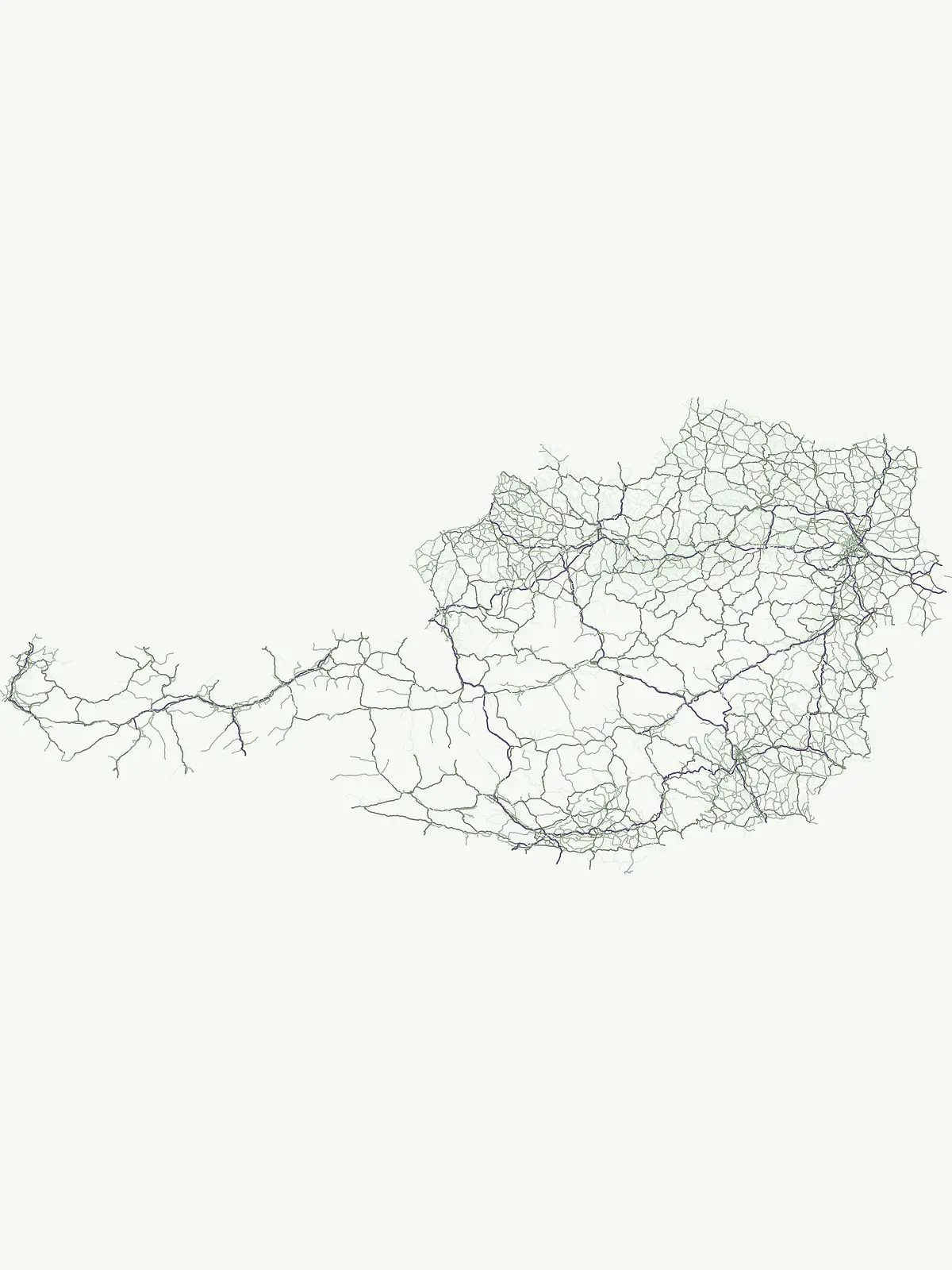
Global context

Wider background behind Protected Landscape/Seascape

This reference block covers the broader history and global examples that define Protected Landscape/Seascape as an IUCN management category, rather than the country-specific park pattern shown elsewhere on the page.

Category history

Category V grew out of a broadening conservation understanding that not all valuable protected places are 'untouched' nature. In many parts of the world, especially in Europe and other long-settled regions, biodiversity and scenic identity are closely tied to long histories of farming, grazing, fishing, woodland use, settlement, and cultural adaptation. Conservation policy gradually moved toward recognizing that these lived-in landscapes could be worthy of protected status in their own right. The IUCN category system formalized this through Category V, giving international legitimacy to protected areas where the continuity of human-nature interaction is central rather than incidental. The category has become especially important for regional identity, connectivity, buffer functions, and conservation at the scale of working landscapes.

Global examples

Examples commonly linked with Category V include traditional mountain valleys, terraced agricultural regions, coastal cultural landscapes, island seascapes, mixed pastoral-woodland systems, and nationally designated protected landscapes where both biodiversity and long-shaped cultural scenery are central. In Europe in particular, many regional parks, protected landscapes, and protected seascapes align with Category V when their management focuses on maintaining a valued human-shaped landscape with strong ecological and cultural significance.

More categories

Compare national conservation classifications and national park designations across Austria

Explore Other IUCN Protected Area Categories in Austria

Examine additional Austria protected area categories beyond regional landscapes to evaluate contrasting conservation mandates. Reviewing multiple IUCN classifications reveals the complete regulatory spread of national parks and management zones.

IUCN category ii

National Park

A large natural or near-natural protected area managed to safeguard ecological processes, characteristic species, and ecosystems while also supporting education, recreation, and compatible visitor use.

Example parks

Hohe Tauern, Kalkalpen National Park, Neusiedler See-Seewinkel National Park, Danube-Auen National Park, Gesäuse National Park, Thayatal National Park

IUCN category iv

Habitat/Species Management Area

A protected area managed mainly to protect particular species or habitats, often through targeted, regular, or adaptive conservation interventions.

Example parks

Hundsheimer Berg, Spitzerberg

Explore mapped geography, the spread of protected landscapes, and country-level park context across Austria.

Frequently Asked Questions About National Parks in Austria and Protected Area Geography

Gain comprehensive insights into the national parks and diverse protected areas of Austria, mapping their locations and understanding their significant role within the Central European landscape. These frequently asked questions provide essential geographic context for exploring Austria's alpine regions, river ecosystems, and other key conservation efforts across the federal republic.
MoriAtlas Explorer

Continue Exploring Austria's Protected Landscapes and National Parks

Deepen your understanding of Austria's natural heritage by continuing to explore its national parks and protected landscapes. Examine the mapped geographic context and regional park distributions to uncover more about the country's diverse conservation areas. This structured approach enhances your atlas-based discovery of Austria's natural terrain.