Why Al Wohoosh Desert Conservation Reserve stands out
Al Wohoosh is best known for its protection of desert biodiversity in an unexpected urban setting, preserving critical habitat for both resident and migratory species in the Arabian Peninsula. The reserve features distinctive Prosopis cineraria forest communities growing within sand dune systems, a rare sight in the heavily developed UAE. It provides crucial refuge for threatened gazelle species including the Arabian gazelle and mountain gazelle, as well as serving as a migratory pathway for birds including steppe eagles and the vulnerable gregarious lapwing. The reserve also protects populations of Leptien's mastigure, a specialized desert reptile adapted to inter-dune plain environments.
Al Wohoosh Desert Conservation Reserve history and protected-area timeline
The Al Wohoosh Desert Conservation Reserve was established in 2014 through royal decree number 22 issued by Sheikh Mohammed bin Rashid Al Maktoum, the ruler of Dubai and Vice President of the United Arab Emirates. The declaration came under the framework of law number 11 of 2003, which governs the establishment and management of protected areas within the Emirate of Dubai. The decree placed the desert area under the protection and governance of Dubai Municipality, formalizing conservation measures for the region. The name Al Wohoosh derives from the Arabic phrase محمية الوحوش الصحراوية, meaning sanctuary of monsters of the desert, a reference to the predatory animals that historically roamed the area before modern development transformed much of the surrounding landscape. The establishment of this reserve represents a deliberate effort by Dubai's leadership to preserve pockets of natural desert ecosystem within one of the world's most rapidly urbanizing cities.
Al Wohoosh Desert Conservation Reserve landscape and geographic character
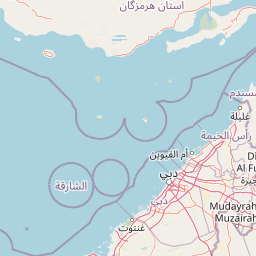
The Al Wohoosh Desert Conservation Reserve encompasses typical desert terrain characteristic of the eastern Arabian Peninsula. The landscape features expansive sand dunes and undulating terrain typical of the Gulf of Oman desert and semi-desert ecoregion. The reserve contains three primary habitat types: sand and dune areas supporting forest of Prosopis ciaris, expanses of sand and dunes where Leptadenia pyrotechnica dominates, and inter-dune plains separating the dune systems. The terrain is relatively flat but characterized by the natural movement of sand, creating ever-changing dune formations. The reserve sits along the border with Al Bataeh municipality in the Emirate of Sharjah, creating a cross-emirate conservation corridor. The landscape supports sparse but meaningful vegetation adapted to extreme temperature variations, with winter minimum temperatures dropping to around 10°C and summer maximums reaching approximately 45°C.
Al Wohoosh Desert Conservation Reserve ecosystems, habitats, and plant life
The ecological character of Al Wohoosh centers on desert adapted plant communities and the specialized fauna that depends on them. The reserve supports approximately 50 plant species, including notable trees such as Prosopis cineraria, Acacia tortilis (umbrella acacia), Ziziphus spina-christi, Salvadora persica, Calotropis procera (apple of Sodom), and Heliotropium kotschyi. These species form distinct community patterns across the reserve's habitat zones, with Prosopis cineraria forming forest patches in dune areas while Leptadenia pyrotechnica dominates other dune sections. The inter-dune plains provide open habitat supporting different ecological functions. The plant communities provide critical shelter and food resources for the reserve's animal inhabitants, creating a functional desert ecosystem despite the harsh environmental conditions including extreme temperature ranges and limited rainfall concentrated in the winter months of February and March.
Al Wohoosh Desert Conservation Reserve wildlife and species highlights
Al Wohoosh Desert Conservation Reserve supports over 90 animal species across multiple taxonomic groups, representing significant biodiversity for a desert protected area. The mammal community includes gazelles, desert foxes, hedgehogs, and wild hares, with two gazelle species of particular conservation concern: the Arabian gazelle and mountain gazelle, both classified as threatened. The bird population features both resident species and migratory visitors, including great grey shrike, desert crow, steppe eagle, and Asian desert warbler among the more commonly observed species. Migratory birds of conservation concern passing through the reserve include the gregarious lapwing, sacred falcon, and greater spotted eagle. Reptile diversity is particularly noteworthy, with the interdunal plains in the northern half of the reserve supporting Leptien's mastigure, a specialized spiny-tailed lizard adapted to desert conditions. Additional reptile species include desert monitor lizard, worm lizard, Arabian desert gecko, Arabian toad-headed agama, and Arabian sandfish.
Al Wohoosh Desert Conservation Reserve conservation status and protection priorities
Al Wohoosh represents a meaningful conservation initiative within one of the world's most urbanized emirates, protecting desert biodiversity that might otherwise be lost to development. The reserve provides critical habitat for threatened species including the Arabian gazelle and mountain gazelle among mammals, and the gregarious lapwing, sacred falcon, and greater spotted eagle among birds. The protected area maintains ecological connectivity with surrounding desert landscapes across the Sharjah border, supporting broader regional conservation objectives. The variety of habitat types within the 15 square kilometer area, from Prosopis forest dunes to inter-dune plains, supports the approximately 140 total species documented in the reserve. Dubai Municipality manages the reserve under the legal framework established by law number 11 of 2003, providing institutional continuity for long-term protection. The presence of tourist facilities in the northern section, operated by authorized tour companies, suggests a balance between conservation objectives and controlled public access.
Al Wohoosh Desert Conservation Reserve cultural meaning and human context
The Al Wohoosh Desert Conservation Reserve exists within the broader cultural context of the UAE's relationship with its desert heritage. The Arabic name محمية الوحوش الصحراوية translates to sanctuary of monsters of the desert, reflecting historical awareness of the area's wildlife and specifically the predatory animals that historically inhabited the region. This naming tradition connects the modern protected area to older Bedouin knowledge and utilization of desert landscapes across the Arabian Peninsula. The reserve's location along the border between Dubai and Sharjah emirates also reflects the traditional land use patterns that preceded modern administrative boundaries. While the reserve is now managed under contemporary conservation frameworks, it preserves elements of the natural environment that were once part of the everyday landscape for desert communities in the region.
Top sights and standout views in Al Wohoosh Desert Conservation Reserve
The Al Wohoosh Desert Conservation Reserve stands out for preserving substantial desert biodiversity within the urban shadow of Dubai, offering a rare glimpse of Arabian desert ecosystems. The Prosopis cineraria forest growing within the dune system represents a particularly distinctive landscape feature, creating unexpected green canopy in what might be assumed to be barren sand. The reserve's significance for migratory birds, including steppe eagles and vulnerable species like the gregarious lapwing, makes it an important stopover point in regional flyway conservation. Threatened gazelle populations including the Arabian gazelle persist within the protected area, maintaining viable populations of species that have declined across much of their historic range. The reptile community, particularly the Leptien's mastigure in the interdunal plains, demonstrates the specialized adaptations desert fauna have developed for survival in extreme conditions.
Best time to visit Al Wohoosh Desert Conservation Reserve
The optimal time to experience Al Wohoosh Desert Conservation Reserve aligns with the cooler winter months from November through March, when daytime temperatures are more comfortable for outdoor exploration and wildlife activity is higher. February and March represent the wettest period with average rainfall of 32-40mm per month, which can briefly transform the desert landscape with temporary blooms and increased green coverage. Summer months from June through August bring extreme heat with maximum temperatures around 42°C, making daytime visits impractical and limiting wildlife activity to dawn and dusk hours. The dry season from June through October sees minimal precipitation averaging just 2-7mm monthly, creating stark desert conditions. For wildlife viewing, early morning hours offer the best chances to observe gazelles and birds before temperatures rise, while migratory species are most reliably present during the winter months.