Mori Atlas logo
Nature reserveDubai Desert Conservation Reserve

Navigate the unique natural terrain and conservation context of this protected nature reserve.

Dubai Desert Conservation Reserve: Mapped Boundaries and Protected Landscape Geography in Dubai

The Dubai Desert Conservation Reserve represents a key protected landscape within the United Arab Emirates, situated in the emirate of Dubai. This nature reserve offers valuable insight into the region's natural terrain and conservation efforts, discoverable through its mapped boundaries and geographic setting. Explore how this protected area contributes to the broader atlas of natural landscapes in Dubai and the surrounding region.

desert conservationprotected areaArabian OryxUAE wildernesssand duneswildlife reserve

Dubai Desert Conservation Reserve

Nature reserve

Park overview

Structured park overview, official facts, and landscape profile for Dubai Desert Conservation Reserve

Dubai Desert Conservation Reserve park facts, protected area profile, and essential visitor context

Review the core facts for Dubai Desert Conservation Reserve, including designation, size, terrain, visitor scale, habitats, and operating context in one park-focused overview.

About Dubai Desert Conservation Reserve

The Dubai Desert Conservation Reserve represents a unique example of desert conservation in one of the world's most rapidly developing urban environments. Located within the emirate of Dubai, this 225-square-kilometer protected area encompasses diverse desert terrain including sand dunes, gravel plains, and inland sabkha areas. The reserve was established through Emiri decree in 2002 as a deliberate effort to preserve a portion of Dubai's natural desert heritage amid intensive urban development. It constitutes approximately 5% of the emirate's total land area and serves as a living laboratory for desert ecosystem management and wildlife conservation in the Arabian Peninsula. The reserve operates with a dual mandate of protecting native biodiversity while promoting sustainable tourism that contributes to conservation funding. Visitors to the reserve can experience guided desert activities, wildlife viewing, and cultural experiences that highlight the traditional Bedouin relationship with this arid landscape. The management approach emphasizes habitat restoration, species reintroduction, and environmental education alongside controlled tourism operations.

Quick facts and research context for Dubai Desert Conservation Reserve

The Dubai Desert Conservation Reserve spans 225 square kilometers in the emirate of Dubai, making it one of the largest protected desert areas in the UAE. It was formally established in 2002 through Emiri decree and represents a significant commitment by Dubai to preserve its natural heritage despite rapid urbanization. The reserve is distinguished by its successful Arabian Oryx conservation program, which has established the largest free-roaming herd of this species in the United Arab Emirates. The ecosystem supports a variety of desert-adapted wildlife including Arabian gazelles, sand gazelles, and numerous bird, reptile, and insect species.

Protection and recognition

Documenting the terrestrial boundary and conservation framework of the desert reserve

Dubai Desert Conservation Reserve Protection Status and Designation Framework

Geographic records outline the terrestrial protection status and formal boundaries established for the Dubai Desert Conservation Reserve. Analytical records of official designation frameworks provide essential context for understanding the management scope and structural governance of protected desert ecosystems.

Protection details

Protection scope
Terrestrial
Transboundary protection
No
Park context

Deeper park guide and search-rich context for Dubai Desert Conservation Reserve

Dubai Desert Conservation Reserve history, landscape, wildlife, and travel context

Explore Dubai Desert Conservation Reserve through its history, landscape character, ecosystems, wildlife, conservation priorities, cultural context, and seasonal travel timing in a structured park guide built for atlas discovery and search intent.

Why Dubai Desert Conservation Reserve stands out

The Dubai Desert Conservation Reserve is best known for its successful Arabian Oryx conservation program, which has reintroduced this iconic species into the wild and now maintains the largest free-roaming herd in the UAE. The reserve is also renowned as one of the last pristine desert wilderness areas remaining in Dubai, offering a stark contrast to the modern urban landscape of the city. Its distinctive sand dunes and traditional desert landscape provide habitat for a range of adapted species including Arabian gazelles and sand gazelles. The integration of luxury sustainable tourism through the Al Maha Desert Resort and Spa has also made the reserve famous as a destination that combines wilderness protection with high-end visitor experiences.

Dubai Desert Conservation Reserve history and protected-area timeline

The Dubai Desert Conservation Reserve was formally established by Emiri decree on January 9, 2002, representing a landmark commitment by Dubai's leadership to preserve the emirate's natural desert heritage. The reserve was created in recognition that rapid urban development was threatening to eliminate the traditional desert landscape and its associated wildlife. At the time of establishment, the reserve encompassed approximately 225 square kilometers of land, representing about 5% of Dubai's total territory. The creation of the reserve marked a shift toward proactive environmental stewardship in the UAE, moving beyond simply designating protected areas to actively managing habitat and reintroducing extirpated species. The Arabian Oryx reintroduction program became a flagship conservation initiative, drawing on international expertise in captive breeding and wildlife management. Over the years, the reserve has developed partnerships with conservation organizations and implemented monitoring programs to track wildlife populations and ecosystem health.

Dubai Desert Conservation Reserve landscape and geographic character

The Dubai Desert Conservation Reserve encompasses the classic desert landscape of the Arabian Peninsula, characterized by expansive sand dunes that shift with wind patterns, gravel-covered plains, and occasional inland sabkha salt flats. The terrain varies from towering red dunes in some areas to more gently undulating sandy expanses in others. The reserve sits at an elevation of approximately 50 meters above sea level, with the landscape shaped by ancient river systems and the persistent action of wind-blown sand. Vegetation is sparse but adapted to the extreme aridity, with drought-resistant plants and shrubs providing critical habitat for desert wildlife. The visual character of the reserve contrasts dramatically with the modern urban skyline of Dubai, offering visitors a glimpse of the desert environment that once covered the entire region. The color palette of the landscape shifts throughout the day as the sun moves across the sky, with golden, orange, and deep red hues dominating the dunes.

Dubai Desert Conservation Reserve ecosystems, habitats, and plant life

The desert ecosystem of the reserve is remarkably adapted to extreme conditions of high temperatures, minimal rainfall, and limited vegetation. Despite the harsh environment, the reserve supports a diversity of life adapted to survive in arid conditions. The vegetation communities include drought-resistant species such as ghaf trees, desert shrubs, and various grasses that can survive on minimal moisture. These plants provide critical forage and shelter for the reserve's wildlife, forming the base of the desert food web. The reserve's location in the Arabian Peninsula places it along migratory bird routes, adding seasonal avian diversity to the resident species. The ecosystem operates on delicate water cycles, with groundwater and rare rainfall events driving brief periods of increased productivity. Conservation efforts focus on maintaining the natural processes that sustain this fragile system, including protecting soil stability, managing vegetation, and ensuring wildlife populations remain in balance with available resources.

Dubai Desert Conservation Reserve wildlife and species highlights

The Dubai Desert Conservation Reserve is home to a remarkable collection of desert-adapted wildlife species, with the Arabian Oryx serving as the flagship conservation species. The reserve supports the largest free-roaming herd of Arabian Oryx in the United Arab Emirates, a remarkable achievement for a species that was once driven to extinction in the wild across the Arabian Peninsula. Reintroduction programs have successfully established a sustainable population that now roams freely across the reserve's terrain. Beyond the oryx, the reserve supports populations of Arabian gazelles and sand gazelles, graceful antelope species that have evolved specific adaptations for desert survival. The avifauna includes both resident desert birds and seasonal migrants, with various raptor species, ground birds, and smaller songbirds present. Reptiles such as lizards and snakes occupy important ecological niches, while diverse insect communities form the foundation of the desert food web. The wildlife community demonstrates the resilience of desert ecosystems when given proper protection and management.

Dubai Desert Conservation Reserve conservation status and protection priorities

The Dubai Desert Conservation Reserve represents a significant conservation achievement in an urbanized region, demonstrating that wilderness protection can coexist with modern development. The reserve's flagship conservation success has been the Arabian Oryx program, which has progressed from captive breeding to establishing a thriving free-roaming population. This reintroduction effort has contributed to broader regional conservation goals for this iconic species. The reserve implements integrated management approaches that combine habitat protection, wildlife monitoring, and sustainable tourism operations. Tourism activities within the reserve are carefully controlled to minimize disturbance to wildlife while generating revenue that supports conservation programs. Educational components help visitors understand the ecological value of desert environments, challenging perceptions that deserts are barren or unimportant. The reserve also contributes to regional biodiversity conservation by maintaining genetic connectivity for wildlife populations and preserving traditional desert ecosystems.

Dubai Desert Conservation Reserve cultural meaning and human context

The Dubai Desert Conservation Reserve occupies a landscape with deep connections to Bedouin heritage and traditional Arabian desert culture. For centuries, the desert regions of what is now Dubai supported nomadic communities who moved with their herds across the terrain, living in harmony with the challenging environment. The reserve's landscape preserves elements of this traditional relationship between humans and the desert, though modern management has necessarily adapted these interactions. The presence of the Al Maha Desert Resort and Spa within the reserve reflects a contemporary approach to desert hospitality that draws on traditional aesthetics while providing modern luxury. The reserve provides opportunities for visitors to engage with desert culture through activities that may include traditional Emirati experiences, though the primary focus remains on wilderness conservation rather than cultural interpretation.

Top sights and standout views in Dubai Desert Conservation Reserve

The Dubai Desert Conservation Reserve stands out as one of the last pristine desert wilderness areas in Dubai, offering a rare opportunity to experience traditional Arabian desert landscapes within minutes of a modern city. The successful Arabian Oryx reintroduction program represents a conservation milestone, with the reserve now home to the largest free-roaming herd of this species in the UAE. The dramatic sand dunes provide exceptional opportunities for wildlife observation, desert photography, and guided nature experiences. The integration of conservation with sustainable luxury tourism through the Al Maha resort demonstrates a model for generating conservation funding while providing high-quality visitor experiences. The reserve serves as an educational resource for understanding desert ecosystems and the importance of protecting biodiversity in arid environments.

Best time to visit Dubai Desert Conservation Reserve

The Dubai Desert Conservation Reserve can be visited year-round, though the cooler winter months from November through March typically offer the most comfortable conditions for outdoor activities. During this period, daytime temperatures are moderate and suitable for desert exploration, wildlife viewing, and guided nature walks. Summer months from June through September bring extreme heat that limits daytime activities but may suit visitors seeking quieter experiences. The reserve's wildlife is most active during early morning and evening hours regardless of season, making dawn and dusk excursions particularly rewarding for wildlife observation. The landscape's character changes with the seasons, with occasional rainfall in winter potentially bringing brief periods of enhanced vegetation and increased wildlife activity.
Monthly climate preview

Decadal average temperature ranges and dry-season dynamics across the protected Dubai desert

Dubai Desert Conservation Reserve Climate Normals and Weather by Month

Long-term measurements at a representative elevation of 153 meters show extreme thermal ranges, where average maximums exceed 46 degrees Celsius alongside trace precipitation. Comparing the complete monthly climate averages provides a structured view of the annual temperature and precipitation cycles across the desert habitat.
Annual mean28 °C
19 °C37 °C
Jan19°
Feb20°
Mar23°
Apr28°
May33°
Jun35°
Jul37°
Aug37°
Sep34°
Oct30°
Nov25°
Dec21°
Warmest month
July

36.8 °C

Coolest month
January

18.6 °C

Wettest month
January

0.6 mm/day

Driest month
September

0.1 mm/day

Park location guide

Geography guide, regional context, and park location map for Dubai Desert Conservation Reserve

Dubai Desert Conservation Reserve park geography, regions, and map view in United Arab Emirates

Understand where Dubai Desert Conservation Reserve sits in United Arab Emirates through a broader geographic reading of the surrounding landscape, nearby location context, and its mapped position within the national park landscape.

How Dubai Desert Conservation Reserve fits into United Arab Emirates

The UAE is a federation of seven emirates established as an independent nation in December 1971, formerly part of the British Trucial States. It has transformed from a desert region reliant on pearling and trade into a modern, affluent country with a diversified economy based on oil, trade, and services. The country borders Oman and Saudi Arabia and has maritime borders with Qatar, Iran, and Oman.

Wider geography shaping Dubai Desert Conservation Reserve in United Arab Emirates

The UAE is situated on the eastern Arabian Peninsula, bordering Oman to the east and northeast, and Saudi Arabia to the southwest. The country has coastlines along the Persian Gulf to the north and west and the Gulf of Oman to the east. The terrain is predominantly desert with scattered oases, and there are mountainous areas in the eastern emirates near the Oman border.

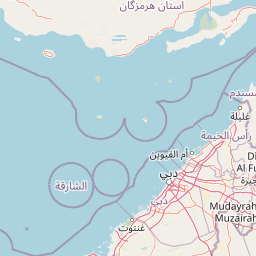
Map view of Dubai Desert Conservation Reserve

Use this park location map to pinpoint Dubai Desert Conservation Reserve in United Arab Emirates, understand its exact geographic position, and read its mapped placement within the surrounding landscape more clearly.

Pigeon | © OpenStreetMap contributors

Location context for Dubai Desert Conservation Reserve

Dubai
Park atlas

Compare protected landscapes, desert ecosystems, and conservation efforts across the surrounding region.

Discover Related National Parks and Protected Areas Near Dubai Desert Conservation Reserve

After exploring the Dubai Desert Conservation Reserve, discover other significant protected areas and national parks that share similar desert ecosystems or regional geographic context. Compare mapped terrain, trace the spread of protected zones, and understand broader conservation efforts across the Arabian Peninsula.
Nature reserveDubai
About 27 km away#1 closest

West

Al Marmoom Desert Conservation Reserve: Nature Reserve and Desert Landscape in Dubai

Mapped Geography and Protected Area Context

Explore the Al Marmoom Desert Conservation Reserve, a designated nature reserve located near Dubai. This protected area is crucial for understanding the region's desert geography and landscape. MoriAtlas provides detailed mapping and geographic context, allowing for in-depth study of its protected boundaries and its significance within the UAE's conservation landscape.

Area
0.4 km²
Established
2018
Relief
Lowland
Climate
Arid
Nature reserveEmirate of Dubai
About 32 km away#2 closest

North

Al Wohoosh Desert Conservation Reserve Nature Reserve: Mapped Protected Landscape

Desert terrain and geographic context in the Emirate of Dubai.

Delve into the Al Wohoosh Desert Conservation Reserve, a key protected natural area situated in the Emirate of Dubai. This entry focuses on its mapped geography, showcasing the desert landscape and its protected boundaries. Gain structured insights into its role as a nature reserve and its contribution to understanding regional conservation landscapes and mapped terrain.

Area
15.06 km²
Established
2014
Relief
Lowland
Climate
Arid
Nature reserveDubai
About 52 km away#3 closest

Northwest

Ras Al Khor Nature Reserve: Explore Dubai's Key Protected Landscape and Geographic Features

Mapped natural reserve boundaries and regional context in Dubai.

Delve into Ras Al Khor, a protected nature reserve offering a unique perspective on Dubai's natural geography. This detail entry focuses on its status as a protected landscape, providing clear atlas-style information about its mapped extent and its role within the regional environmental context. Understand the geographic significance of Ras Al Khor as a key area for exploring conservation landscapes within the UAE.

Area
13 km²
Established
1998
Visitors
90K annual
Relief
Lowland
Nature reserveUnited Arab Emirates
About 76 km away#4 closest

East

Khor Kalba Nature Reserve: UAE Coastal Wetland and Mangrove Ecosystem Discovery

Mapped boundaries and regional landscape context for this Sharjah nature reserve.

Khor Kalba Nature Reserve showcases a rare and ecologically significant mangrove ecosystem on the eastern coast of the United Arab Emirates. This protected area features a dynamic intertidal landscape of creeks and lagoons vital for coastal conservation. Understanding its unique halophytic vegetation and bird habitats provides critical insight into the UAE's efforts to preserve its limited natural wetland environments and their distinctive geography.

IUCN
IV
Scope
Terrestrial
National parkUnited Arab Emirates
About 88 km away#5 closest

Northeast

Wadi Wurayah National Park National Park: Mapped Protected Landscape and Geographic Context

Explore the mapped boundaries and regional geography of Wadi Wurayah National Park.

Wadi Wurayah National Park stands as a significant national park, offering a focused area for exploring protected lands. This page provides essential details about its landscape characteristics and geographic positioning, framed for atlas-driven discovery. Understand the park's protected-area identity and its contribution to regional geographic context, making it a valuable entry for anyone mapping natural landscapes or investigating conservation areas.

Nature reserveAd Dakhiliyah Governorate
About 262 km away#6 closest

Southeast

Jebel Akhdar Mountains Nature Reserve: An Atlas of Oman's High Altitude Protected Landscapes

Geographic analysis of the Ad Dakhiliyah mountain massif

The Jebel Akhdar Mountains represent a critical protected nature reserve defined by dramatic limestone cliffs, deep wadis, and centuries of terraced agriculture. This elevated massif within the Ad Dakhiliyah Governorate sustains a rare montane ecology that serves as a cornerstone of regional Omani geography and environmental conservation.

Established
2011
Relief
Mountain
Climate
Arid
Access
Moderate access
Nature reserveMuscat Governorate
About 269 km away#7 closest

Southeast

Ad Dimaniyat Islands Nature Reserve: Protected Archipelago and Marine Biodiversity Map

Archipelago landscape and marine protected area in Muscat Governorate.

The Ad Dimaniyat Islands represent a critical nature reserve composed of nine distinct islands in the Gulf of Oman. The archipelago is known for its rare coral formations, nesting beaches for endangered sea turtles, and its role as a breeding site for various seabird species. This protected landscape combines complex underwater reef habitats with rocky and sandy terrain, forming a significant ecological zone within the Muscat Governorate.

Area
1 km²
Relief
Lowland
Access
Moderate access
Scope
Marine
Nature reserveMuscat Governorate
About 317 km away#8 closest

Southeast

Qurm Nature Reserve: Protected Mangrove Ecosystems and Coastal Geography in Muscat

Coastal wetlands and avian habitats of the Gulf of Oman

Qurm Nature Reserve serves as a critical protected landscape within the Muscat Governorate, preserving expansive mangrove forests and intricate tidal channels. The reserve functions as a hub for coastal biodiversity, supporting numerous migratory bird species and maintaining ecological health within a major urban center. Explore the mapped boundaries and natural features of this significant wetland protected area.

Area
1.72 km²
Established
1975
IUCN
IV
Relief
Lowland

Common questions about visiting, size, designation, and location context for Dubai Desert Conservation Reserve

Dubai Desert Conservation Reserve FAQs for park facts, access, geography, and protected area context

Find quick answers about Dubai Desert Conservation Reserve, including protected-area facts, park geography, trail and visitor context, and how the park fits into its surrounding country and regional landscape.
MoriAtlas Explorer

Continue Your Protected Areas Search Across the Global Atlas

Deepen your exploration by continuing the structured search for national parks and protected areas worldwide. Utilize the comprehensive filtering capabilities to compare different conservation landscapes and refine your understanding of global park geography. Discover more about the distribution and characteristics of protected natural areas.

Global natural geography