Mori Atlas logo
Nature reserveKhor Kalba Nature Reserve

Discover the mapped boundaries and unique landscape of this vital UAE nature reserve.

Khor Kalba Nature Reserve: Protected Coastal Wetland and Mangrove Ecosystem Atlas

Khor Kalba Nature Reserve represents a crucial protected coastal wetland and one of the United Arab Emirates' few remaining mangrove ecosystems. This protected area centers around intricate tidal creeks and shallow lagoons, forming a unique landscape where specialized halophytic vegetation thrives. Its ecological significance is underscored by its role as a critical habitat for migratory birds, offering a distinctive natural environment within the arid Arabian Peninsula.

Mangrove ecosystemCoastal wetlandUAE protected areaEastern coast SharjahTidal creeksHalophytic vegetation

Khor Kalba Nature Reserve

Nature reserve

Park overview

Structured park overview, official facts, and landscape profile for Khor Kalba Nature Reserve

Khor Kalba Nature Reserve park facts, protected area profile, and essential visitor context
Review the core facts for Khor Kalba Nature Reserve, including designation, size, terrain, visitor scale, habitats, and operating context in one park-focused overview.

About Khor Kalba Nature Reserve

Khor Kalba Nature Reserve represents a coastal protection area in the eastern UAE that encompasses mangrove forests and associated tidal creek systems. The reserve is located near the town of Kalba along the Sharjah coast, an area where the Arabian Gulf meets the mainland coastline. Mangroves in this region grow in the shallow, tidal waters where salt and fresh water mix, creating a specialized habitat that few plant species can tolerate. The ecological importance of such mangrove areas in the UAE context derives from their role as nurseries for fish and crustaceans, their function as filtering systems for coastal waters, and their value as resting and feeding sites for migratory bird species that follow the Arabian Gulf coastline.

Quick facts and research context for Khor Kalba Nature Reserve

Khor Kalba is situated along the eastern coast of the UAE near the town of Kalba in Sharjah emirate. The reserve protects a coastal ecosystem characterized by mangrove forests growing in tidal creek systems. This type of habitat is relatively rare in the UAE and represents an important ecological zone for coastal bird species and marine life that use the shallow waters and tidal channels.

Park context

Deeper park guide and search-rich context for Khor Kalba Nature Reserve

Khor Kalba Nature Reserve history, landscape, wildlife, and travel context
Explore Khor Kalba Nature Reserve through its history, landscape character, ecosystems, wildlife, conservation priorities, cultural context, and seasonal travel timing in a structured park guide built for atlas discovery and search intent.

Why Khor Kalba Nature Reserve stands out

Khor Kalba is best known for its mangrove forest ecosystem, one of the few remaining mangrove areas in the UAE. The reserve protects tidal creeks and coastal wetlands that provide critical habitat for migratory birds and support a distinctive coastal environment where salt-tolerant vegetation thrives in the intertidal zone.

Khor Kalba Nature Reserve landscape and geographic character

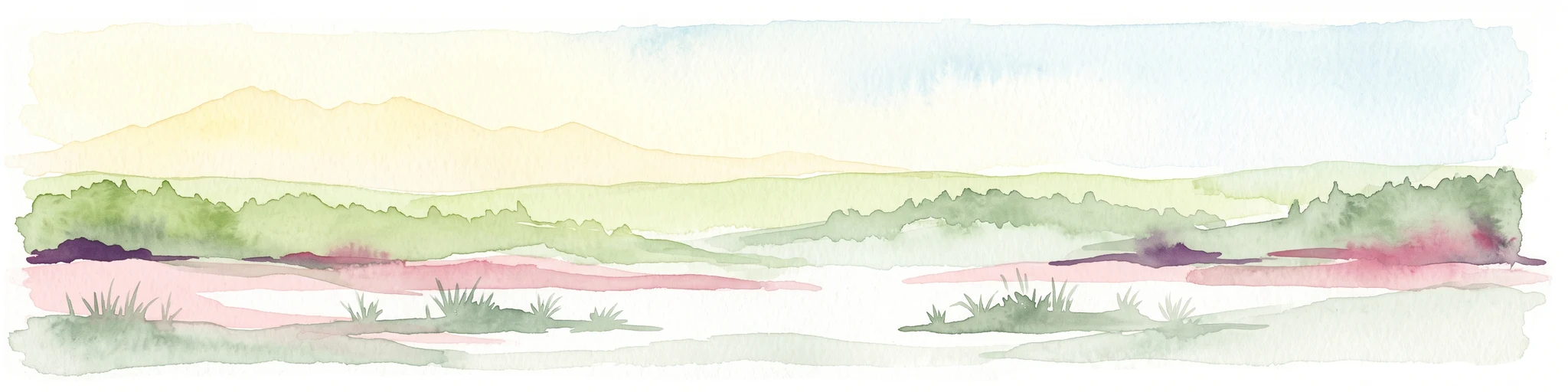
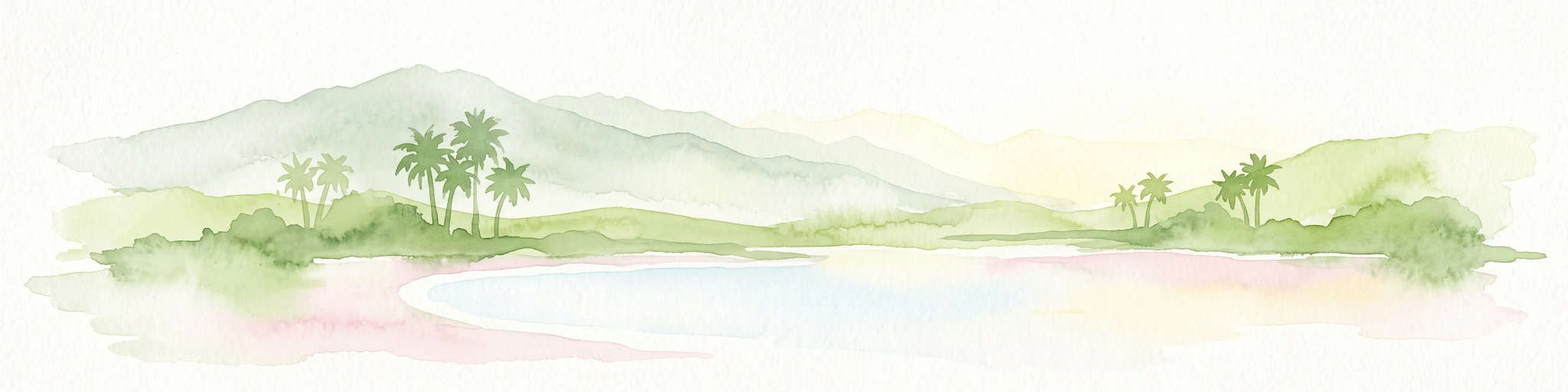
The landscape of Khor Kalba consists of coastal tidal creeks and shallow lagoon areas lined with mangrove vegetation. The terrain is flat and low-lying, typical of coastal wetland environments along the Arabian Gulf. The mangrove trees grow in waters that are exposed at low tide and submerged at high tide, creating a dynamic intertidal environment. The surrounding coastline features the characteristic arid coastal plains of the eastern UAE, with the reserve's wetlands providing a stark contrast to the generally barren terrain typical of this region.

Khor Kalba Nature Reserve ecosystems, habitats, and plant life

The nature of Khor Kalba revolves around its mangrove ecosystem, which is unusual in the UAE context where such coastal wetland habitats are limited. The mangroves serve as a foundation species for the entire coastal ecosystem, creating sheltered conditions that support a range of dependent species. The mix of saline tidal waters with occasional freshwater input from inland runoff creates conditions for specialized halophytic vegetation. The tidal dynamics of the creek system create regularly flooded root zones where mangrove trees have evolved specialized adaptations to survive in saline, waterlogged soils.

Khor Kalba Nature Reserve wildlife and species highlights

Khor Kalba's mangrove environment supports birdlife, particularly species that utilize coastal wetland habitats along the Gulf migration route. The tidal creeks and shallow waters provide feeding grounds for wading birds and shorebirds. Fish and crustaceans use the mangrove creeks as nursery areas, with species adapted to variable salinity levels found in the creek systems. The structure of the mangrove roots creates sheltered microhabitats for small marine organisms.

Khor Kalba Nature Reserve conservation status and protection priorities

Khor Kalba represents one of the significant mangrove protection efforts in the UAE, where coastal development has reduced natural mangrove coverage over decades. The reserve status provides legal protection for this coastal ecosystem, recognizing the ecological value of maintaining mangrove habitat in a region where such environments are limited. Mangrove conservation in the Gulf region carries importance for coastal protection, carbon sequestration, and biodiversity maintenance in an otherwise arid landscape.

Top sights and standout views in Khor Kalba Nature Reserve

Khor Kalba stands out as a rare example of a functioning mangrove ecosystem in the UAE, representing coastal wetland protection in a region where such habitats have been significantly reduced. The reserve demonstrates the ecological value of protecting tidal creek systems and the biodiversity they support. Its location in Sharjah emirate makes it part of the UAE's broader efforts to establish protected areas that preserve the country's limited natural habitats.
Park location guide

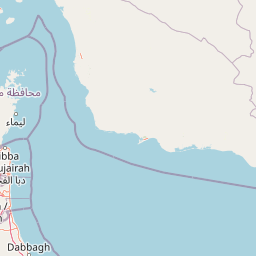
Geography guide, regional context, and park location map for Khor Kalba Nature Reserve

Khor Kalba Nature Reserve park geography, regions, and map view in United Arab Emirates
Understand where Khor Kalba Nature Reserve sits in United Arab Emirates through a broader geographic reading of the surrounding landscape, nearby location context, and its mapped position within the national park landscape.

How Khor Kalba Nature Reserve fits into United Arab Emirates

The UAE is a federation of seven emirates established as an independent nation in December 1971, formerly part of the British Trucial States. It has transformed from a desert region reliant on pearling and trade into a modern, affluent country with a diversified economy based on oil, trade, and services. The country borders Oman and Saudi Arabia and has maritime borders with Qatar, Iran, and Oman.

Wider geography shaping Khor Kalba Nature Reserve in United Arab Emirates

The UAE is situated on the eastern Arabian Peninsula, bordering Oman to the east and northeast, and Saudi Arabia to the southwest. The country has coastlines along the Persian Gulf to the north and west and the Gulf of Oman to the east. The terrain is predominantly desert with scattered oases, and there are mountainous areas in the eastern emirates near the Oman border.

Common questions about visiting, size, designation, and location context for Khor Kalba Nature Reserve

Khor Kalba Nature Reserve FAQs for park facts, access, geography, and protected area context
Find quick answers about Khor Kalba Nature Reserve, including protected-area facts, park geography, trail and visitor context, and how the park fits into its surrounding country and regional landscape.
MoriAtlas Explorer

Continue Your Protected Areas Search Across the Global Atlas

Deepen your exploration by continuing the structured search for national parks and protected areas worldwide. Utilize the comprehensive filtering capabilities to compare different conservation landscapes and refine your understanding of global park geography. Discover more about the distribution and characteristics of protected natural areas.

Global natural geography