Mori Atlas logo
Nature reserveAl Marmoom Desert Conservation Reserve

Discover the mapped geography and protected area boundaries of this UAE nature reserve.

Al Marmoom Desert Conservation Reserve: Protected Desert Landscape in Dubai, UAE

Al Marmoom Desert Conservation Reserve stands as a key protected landscape within the emirate of Dubai, United Arab Emirates. This nature reserve offers a unique opportunity to explore a distinct desert terrain and its geographic context. Understanding its mapped boundaries and regional setting provides essential insight for anyone interested in protected areas and landscape discovery within the UAE's geography.

Desert ConservationWetland EcosystemBirdwatchingArchaeological SiteCyclingStargazing

Al Marmoom Desert Conservation Reserve

Nature reserve

Park overview

Structured park overview, official facts, and landscape profile for Al Marmoom Desert Conservation Reserve

Al Marmoom Desert Conservation Reserve park facts, protected area profile, and essential visitor context
Review the core facts for Al Marmoom Desert Conservation Reserve, including designation, size, terrain, visitor scale, habitats, and operating context in one park-focused overview.

About Al Marmoom Desert Conservation Reserve

Al Marmoom Desert Conservation Reserve represents a pioneering approach to nature conservation in the United Arab Emirates as the country's first unfenced protected area. Located within the vast desert landscape of Saih Al Salam in the Emirate of Dubai, the reserve encompasses approximately 40 hectares of desert shrubland and includes an extensive network of man-made lakes spanning about 10 kilometers in length. The reserve comprises roughly ten percent of Dubai's total land area, making it one of the most significant conservation spaces in the emirate. The Al Qudra Lakes form the central ecological feature of the reserve, creating a rare desert wetland environment that supports remarkable biodiversity in an otherwise arid landscape. The reserve has been developed not only as a conservation area but also as a destination for sustainable ecotourism, with the Marmoom Biosphere Centre intended to serve as a hub for ecosystem management research and environmental education in the region. The combination of natural habitat preservation, archaeological significance, and recreational facilities makes Al Marmoom a multifaceted protected area that reflects Dubai's efforts to balance urban development with environmental stewardship.

Quick facts and research context for Al Marmoom Desert Conservation Reserve

Al Marmoom Desert Conservation Reserve is situated in the Emirate of Dubai, United Arab Emirates, near the city of Dubai. The protected area spans roughly 40 hectares of desert shrubland and includes approximately 10 kilometers of lake ecosystems, notably the Al Qudra Lakes complex. Established in January 2018, it was the first unfenced nature conservation reserve in the UAE and comprises about ten percent of Dubai's total land area. The reserve is managed by Dubai Municipality and houses the Saruq Al Hadid Archaeological Site, an extensive Iron Age metallurgical center discovered in 2002.

Park context

Deeper park guide and search-rich context for Al Marmoom Desert Conservation Reserve

Al Marmoom Desert Conservation Reserve history, landscape, wildlife, and travel context
Explore Al Marmoom Desert Conservation Reserve through its history, landscape character, ecosystems, wildlife, conservation priorities, cultural context, and seasonal travel timing in a structured park guide built for atlas discovery and search intent.

Why Al Marmoom Desert Conservation Reserve stands out

Al Marmoom is best known for its unique desert wetland ecosystem created around the Al Qudra Lakes, which provide critical habitat for significant bird populations including flocks of 300 to 500 flamingos and over 360 bird species, of which 158 are migratory. The reserve is also distinguished by housing the Saruq Al Hadid Archaeological Site, where excavations have revealed an extensive Iron Age metallurgical production center with artifacts spanning the Upper Palaeolithic and Neolithic periods. Additionally, the reserve features an 84-kilometer cycling track, one of the world's largest, and offers exceptional stargazing opportunities due to minimal light pollution in the desert setting.

Al Marmoom Desert Conservation Reserve history and protected-area timeline

Al Marmoom Desert Conservation Reserve was officially established in January 2018, marking a significant milestone in the United Arab Emirates' approach to environmental protection as the nation's first unfenced nature conservation reserve. The creation of the reserve followed growing public concern about environmental degradation in the area, particularly regarding pollution from tourist activities and the deaths of birds and fish in the lakes. Prior to its designation as a protected area, the site had long been a popular destination for Dubai residents seeking outdoor recreation, including camping, barbecuing, and picnicking. The formalization of the reserve introduced regulatory measures to manage human impact on the sensitive desert ecosystem while still allowing controlled access for visitors. Dubai Municipality assumed management responsibility, implementing restrictions on leisure activities that had previously contributed to environmental fouling. The reserve also contains the Saruq Al Hadid Archaeological Site, discovered in 2002 by the Ruler of Dubai, Sheikh Mohammed bin Rashid Al Maktoum, who noticed unusual dune formations during a helicopter flight over the area. Excavations have revealed continuous human occupation from the Upper Palaeolithic and Neolithic eras through the Iron Age.

Al Marmoom Desert Conservation Reserve landscape and geographic character

Al Marmoom Desert Conservation Reserve occupies a distinctive desert landscape characterized by vast expanses of desert shrubland punctuated by an extensive network of man-made lakes and wetlands. The Al Qudra Lakes form the most prominent feature, creating an atypical wetland environment within the arid desert setting of Saih Al Salam. The reserve spans approximately 40 hectares of desert terrain alongside about 10 kilometers of lake surfaces, representing a remarkable transformation of the desert environment into a thriving aquatic ecosystem. Notable lakes within the reserve include Love Lake, shaped as two intertwined hearts, Crescent Moon Lake, and the Expo 2020 Lake. The landscape features observation platforms for wildlife viewing, as well as dedicated areas for stargazing and sunset observation. The terrain maintains its natural desert character while incorporating the engineered wetland areas that have become vital habitats for numerous bird species and other wildlife.

Al Marmoom Desert Conservation Reserve ecosystems, habitats, and plant life

The ecological character of Al Marmoom Desert Conservation Reserve is defined by its unique desert wetland ecosystem, a rare habitat type within the UAE's arid climate. The reserve supports 39 identified plant species, 26 species of reptiles, and nine species of mammals across its desert shrubland and lake environments. The wetland areas provide critical sanctuary for 19 animal species that are considered endangered, highlighting the reserve's conservation significance. The Al Qudra Lakes host impressive concentrations of birdlife, including flocks of 300 to 500 flamingos that represent one of the most visible and characteristic species of the reserve. Overall, more than 360 bird species have been recorded within the reserve, with 158 of these being migratory species that utilize the wetlands as a stopover or wintering site. The desert environment also supports notable species including the Egyptian nightjar and the giant skipper butterfly, with the latter representing a species native to the island of Socotra off Yemen.

Al Marmoom Desert Conservation Reserve wildlife and species highlights

Al Marmoom Desert Conservation Reserve supports remarkable wildlife diversity despite its desert setting, with the wetland habitats serving as crucial refuge for numerous species. The bird population is particularly notable, with more than 360 species recorded including impressive flocks of 300 to 500 flamingos that congregate around the Al Qudra Lakes. Of these bird species, 158 are migratory, utilizing the reserve as a vital stopover point along their migration routes. The reserve provides sanctuary for 19 animal species classified as endangered, representing a significant conservation achievement. Reptile diversity includes 26 identified species adapted to the desert environment, while nine mammal species have been documented within the reserve. Notable species observed at Al Marmoom include the Egyptian nightjar, a nocturnal bird species, and the giant skipper butterfly, a species with connections to the island of Socotra off the coast of Yemen. The combination of desert shrubland and wetland habitats creates a diverse ecological mosaic that supports species adapted to both arid and aquatic environments.

Al Marmoom Desert Conservation Reserve conservation status and protection priorities

Al Marmoom Desert Conservation Reserve represents a significant conservation achievement for the United Arab Emirates as the nation's first unfenced nature reserve, demonstrating a commitment to preserving desert ecosystems while balancing human recreation. The reserve's designation in 2018 was driven by the need to protect sensitive habitats from the environmental impacts of unregulated tourism, including pollution and habitat degradation that had caused deaths among bird and fish populations. The protected status provides crucial sanctuary for 19 endangered animal species, highlighting the reserve's role in regional biodiversity conservation. The wetland ecosystems created around the Al Qudra Lakes have become vital habitat for hundreds of bird species, including significant populations of flamingos and numerous migratory species. Dubai Municipality manages the reserve with a focus on sustainable ecotourism and ecosystem management, with the Marmoom Biosphere Centre intended to serve as a facility for research into sustainable development practices. The reserve also supports active conservation programs, including bird breeding initiatives, and represents a model for integrating environmental protection with public access in the Gulf region.

Al Marmoom Desert Conservation Reserve cultural meaning and human context

Al Marmoom Desert Conservation Reserve contains the significant Saruq Al Hadid Archaeological Site, which provides profound cultural depth to the protected area. Discovered in 2002 by the Ruler of Dubai, Sheikh Mohammed bin Rashid Al Maktoum, the site was identified from unusual dune formations visible from the air during a helicopter flight. Excavations have revealed an extensive Iron Age metallurgical center, representing one of the most significant archaeological discoveries in the region. Evidence of human occupation spans from the Upper Palaeolithic and Neolithic eras through the Iron Age, indicating continuous human presence over millennia. Archaeological findings include bronze, copper, and iron work, encompassing tools, weapons, gold jewelry, beads, pottery, stoneware, and seals. The discovery of metalworker's tools and unfinished items confirms the site functioned as a production center for metal goods. A collection of artifacts from the site is housed at the Saruq Al-Hadid Archaeology Museum located in the Shindaga Heritage area of Dubai, housed in a traditional barjeel building constructed in 1928 that originally belonged to Sheikh Juma bin Maktoum bin Hasher Al Maktoum.

Top sights and standout views in Al Marmoom Desert Conservation Reserve

Al Marmoom Desert Conservation Reserve offers a distinctive combination of natural and cultural attractions that set it apart from typical desert protected areas. The Al Qudra Lakes wetland complex provides a rare desert birdwatching experience, with impressive flamingo flocks and over 360 bird species including 158 migratory varieties. The 84-kilometer cycling track ranks among the world's largest and provides access to diverse landscapes throughout the reserve. The Saruq Al Hadid Archaeological Site offers a unique window into ancient regional history, with artifacts revealing Iron Age metallurgical production spanning thousands of years. Stargazing opportunities are exceptional due to minimal light pollution, with regular astronomy events held by the Dubai Astronomy Group. The reserve features uniquely shaped lakes including Love Lake with its heart-shaped design and Crescent Moon Lake. The ongoing development includes a planned 5,000 megawatt solar power plant to support sustainable operations.

Best time to visit Al Marmoom Desert Conservation Reserve

The optimal time to visit Al Marmoom Desert Conservation Reserve falls during the cooler winter months from November through March, when temperatures are more comfortable for outdoor activities such as cycling, wildlife observation, and stargazing. During these months, the desert environment is more inviting and wildlife activity around the lakes tends to be higher as migratory birds arrive. The summer months bring extreme heat that can make outdoor exploration challenging, though early morning and evening hours remain viable for some activities. Regardless of season, the reserve offers year-round opportunities for birdwatching, with flamingos present throughout the year and different migratory species arriving at various times. Star gazing events are particularly popular during clear winter skies, though the desert's low humidity provides good viewing conditions in other seasons as well.
Park location guide

Geography guide, regional context, and park location map for Al Marmoom Desert Conservation Reserve

Al Marmoom Desert Conservation Reserve park geography, regions, and map view in United Arab Emirates
Understand where Al Marmoom Desert Conservation Reserve sits in United Arab Emirates through a broader geographic reading of the surrounding landscape, nearby location context, and its mapped position within the national park landscape.

How Al Marmoom Desert Conservation Reserve fits into United Arab Emirates

The UAE is a federation of seven emirates established as an independent nation in December 1971, formerly part of the British Trucial States. It has transformed from a desert region reliant on pearling and trade into a modern, affluent country with a diversified economy based on oil, trade, and services. The country borders Oman and Saudi Arabia and has maritime borders with Qatar, Iran, and Oman.

Wider geography shaping Al Marmoom Desert Conservation Reserve in United Arab Emirates

The UAE is situated on the eastern Arabian Peninsula, bordering Oman to the east and northeast, and Saudi Arabia to the southwest. The country has coastlines along the Persian Gulf to the north and west and the Gulf of Oman to the east. The terrain is predominantly desert with scattered oases, and there are mountainous areas in the eastern emirates near the Oman border.

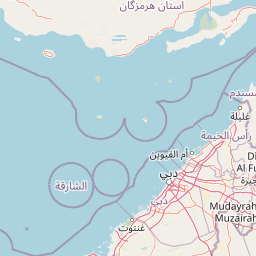
Map view of Al Marmoom Desert Conservation Reserve

Use this park location map to pinpoint Al Marmoom Desert Conservation Reserve in United Arab Emirates, understand its exact geographic position, and read its mapped placement within the surrounding landscape more clearly.

Pigeon | © OpenStreetMap contributors

Location context for Al Marmoom Desert Conservation Reserve

Dubai
Park atlas

Trace nearby protected landscapes and compare unique wetland ecosystems across the surrounding desert geography.

Discover Other Protected Areas Near Al Marmoom Desert Conservation Reserve and the Dubai Desert Region
After exploring Al Marmoom Desert Conservation Reserve, browse a curated list of nearby protected areas and related desert landscapes within the United Arab Emirates. Compare geographic features, conservation efforts, and the diverse ecological zones that define the wider regional context of these significant natural reserves.
Nature reserveDubai

Dubai Desert Conservation Reserve: Nature Reserve, Mapped Geography, and Protected Landscape Context

Explore the natural terrain and conservation atlas of this UAE protected area.

This page details the Dubai Desert Conservation Reserve, a designated nature reserve situated within the geographic scope of Dubai, United Arab Emirates. Dive into its mapped boundaries, understand its role as a protected landscape, and gain insight into its unique natural terrain. MoriAtlas provides structured data to explore the park's place within regional geography and the broader atlas of protected areas.

Area
225 km²
Established
2003
Relief
Lowland
Climate
Arid
Nature reserveEmirate of Dubai

Al Wohoosh Desert Conservation Reserve Nature Reserve: Mapped Protected Landscape

Desert terrain and geographic context in the Emirate of Dubai.

Delve into the Al Wohoosh Desert Conservation Reserve, a key protected natural area situated in the Emirate of Dubai. This entry focuses on its mapped geography, showcasing the desert landscape and its protected boundaries. Gain structured insights into its role as a nature reserve and its contribution to understanding regional conservation landscapes and mapped terrain.

Area
15.06 km²
Established
2014
Relief
Lowland
Climate
Arid
Nature reserveDubai

Ras Al Khor Nature Reserve: Explore Dubai's Key Protected Landscape and Geographic Features

Mapped natural reserve boundaries and regional context in Dubai.

Delve into Ras Al Khor, a protected nature reserve offering a unique perspective on Dubai's natural geography. This detail entry focuses on its status as a protected landscape, providing clear atlas-style information about its mapped extent and its role within the regional environmental context. Understand the geographic significance of Ras Al Khor as a key area for exploring conservation landscapes within the UAE.

Area
13 km²
Established
1998
Visitors
90K annual
Relief
Lowland
Wildlife reserve

Al Saleel National Park: A Protected Acacia Forest Wildlife Reserve in Oman

Explore its unique landscape and protected area geography.

Al Saleel National Park in Oman is distinguished by its exceptional acacia forest ecosystem, a scarce habitat type across the Arabian Peninsula. Covering 220 square kilometers, this wildlife reserve serves as a crucial sanctuary for at-risk species like the Arabian gazelle and the endemic Omani wild cat. Its landscape offers a compelling study of arid zone forest ecology and protected area management, providing valuable context for understanding Oman's commitment to natural heritage and conservation within its regional geography.

Area
220 km²
Climate
Arid
Scope
Terrestrial
Water
No major water
National parkBalochistan

Hingol National Park: Pakistan's Unique Protected Landscape and Geological Atlas

Discover dramatic rock formations and coastal geography.

Hingol National Park stands as a monumental protected landscape within Balochistan, Pakistan, offering an unparalleled atlas view of geological diversity. Renowned for its hoodoos like the Princess of Hope and the Balochistan Sphinx, the park also features active mud volcanoes and striking coastal semi-desert terrain. The confluence of the Hingol River with the Arabian Sea creates important wetland habitats. This national park provides a rich context for exploring unique natural formations and regional geography, making it a significant point of discovery within Pakistan's protected areas.

Area
6,100 km²
Established
1988
IUCN
II
Relief
Mixed relief
National parkIran

Kavir National Park: A Major Protected Desert Landscape in Iran

Explore its arid terrain, conservation significance, and mapped boundaries.

Kavir National Park stands as a significant protected area within Iran, encompassing a vast 4,000 square kilometer expanse of desert and steppe landscapes on the western flank of the Kavir Desert. Designated as a national park, it plays a crucial role in preserving one of the Middle East's most extensive arid ecosystems and serves as a critical sanctuary for endangered species, including the Asiatic cheetah and Persian leopard. Its stark, open terrain offers a profound example of Iran's natural heritage and provides essential data for understanding regional geography and protected land distribution.

Area
4,000 km²
Established
1982
IUCN
II
Relief
Lowland
Protected areaSaudi Arabia

'Uruq Bani Ma'arid Protected Area: Saudi Arabian Landscape and Geographic Context

Mapped protected area boundaries and regional geography.

Delve into the specific protected area identity of 'Uruq Bani Ma'arid. This entry provides essential geographic context, detailing its mapped boundaries and its role within the diverse landscape of Saudi Arabia. Understand how this protected land fits into the broader atlas of the Arabian Peninsula, focusing on its unique regional geography and mapped terrain.

Area
12,765 km²
Relief
Mixed relief
Climate
Arid
Access
Highly restricted
National parkTehran Province

Sorkheh Hesar National Park: Protected Mountain Forest Landscape Near Tehran

Explore its mapped terrain and regional protected area context.

Sorkheh Hesar National Park stands as a significant protected forest area within Tehran Province, Iran. Spanning 9,380 hectares, this mountainous national park is characterized by its unique semi-arid climate and crucial role in conserving threatened species, including the Persian fallow deer and Persian leopard. The Jajrood River flows through its landscape, enhancing biodiversity and supporting a rich forest ecosystem. Its proximity to Tehran makes it a notable example of urban-adjacent conservation, offering valuable insights into protected land management and regional geography.

Area
93.8 km²
Established
1980
IUCN
II
Climate
Arid

Common questions about visiting, size, designation, and location context for Al Marmoom Desert Conservation Reserve

Al Marmoom Desert Conservation Reserve FAQs for park facts, access, geography, and protected area context
Find quick answers about Al Marmoom Desert Conservation Reserve, including protected-area facts, park geography, trail and visitor context, and how the park fits into its surrounding country and regional landscape.
MoriAtlas Explorer

Continue Your Protected Areas Search Across the Global Atlas

Deepen your exploration by continuing the structured search for national parks and protected areas worldwide. Utilize the comprehensive filtering capabilities to compare different conservation landscapes and refine your understanding of global park geography. Discover more about the distribution and characteristics of protected natural areas.

Global natural geography