Why Dubai Desert Conservation Reserve stands out
The Dubai Desert Conservation Reserve is best known for its successful Arabian Oryx conservation program, which has reintroduced this iconic species into the wild and now maintains the largest free-roaming herd in the UAE. The reserve is also renowned as one of the last pristine desert wilderness areas remaining in Dubai, offering a stark contrast to the modern urban landscape of the city. Its distinctive sand dunes and traditional desert landscape provide habitat for a range of adapted species including Arabian gazelles and sand gazelles. The integration of luxury sustainable tourism through the Al Maha Desert Resort and Spa has also made the reserve famous as a destination that combines wilderness protection with high-end visitor experiences.
Dubai Desert Conservation Reserve history and protected-area timeline
The Dubai Desert Conservation Reserve was formally established by Emiri decree on January 9, 2002, representing a landmark commitment by Dubai's leadership to preserve the emirate's natural desert heritage. The reserve was created in recognition that rapid urban development was threatening to eliminate the traditional desert landscape and its associated wildlife. At the time of establishment, the reserve encompassed approximately 225 square kilometers of land, representing about 5% of Dubai's total territory. The creation of the reserve marked a shift toward proactive environmental stewardship in the UAE, moving beyond simply designating protected areas to actively managing habitat and reintroducing extirpated species. The Arabian Oryx reintroduction program became a flagship conservation initiative, drawing on international expertise in captive breeding and wildlife management. Over the years, the reserve has developed partnerships with conservation organizations and implemented monitoring programs to track wildlife populations and ecosystem health.
Dubai Desert Conservation Reserve landscape and geographic character
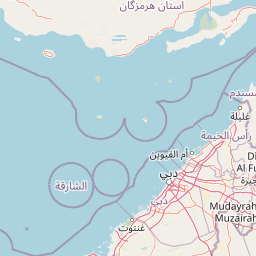
The Dubai Desert Conservation Reserve encompasses the classic desert landscape of the Arabian Peninsula, characterized by expansive sand dunes that shift with wind patterns, gravel-covered plains, and occasional inland sabkha salt flats. The terrain varies from towering red dunes in some areas to more gently undulating sandy expanses in others. The reserve sits at an elevation of approximately 50 meters above sea level, with the landscape shaped by ancient river systems and the persistent action of wind-blown sand. Vegetation is sparse but adapted to the extreme aridity, with drought-resistant plants and shrubs providing critical habitat for desert wildlife. The visual character of the reserve contrasts dramatically with the modern urban skyline of Dubai, offering visitors a glimpse of the desert environment that once covered the entire region. The color palette of the landscape shifts throughout the day as the sun moves across the sky, with golden, orange, and deep red hues dominating the dunes.
Dubai Desert Conservation Reserve ecosystems, habitats, and plant life
The desert ecosystem of the reserve is remarkably adapted to extreme conditions of high temperatures, minimal rainfall, and limited vegetation. Despite the harsh environment, the reserve supports a diversity of life adapted to survive in arid conditions. The vegetation communities include drought-resistant species such as ghaf trees, desert shrubs, and various grasses that can survive on minimal moisture. These plants provide critical forage and shelter for the reserve's wildlife, forming the base of the desert food web. The reserve's location in the Arabian Peninsula places it along migratory bird routes, adding seasonal avian diversity to the resident species. The ecosystem operates on delicate water cycles, with groundwater and rare rainfall events driving brief periods of increased productivity. Conservation efforts focus on maintaining the natural processes that sustain this fragile system, including protecting soil stability, managing vegetation, and ensuring wildlife populations remain in balance with available resources.
Dubai Desert Conservation Reserve wildlife and species highlights
The Dubai Desert Conservation Reserve is home to a remarkable collection of desert-adapted wildlife species, with the Arabian Oryx serving as the flagship conservation species. The reserve supports the largest free-roaming herd of Arabian Oryx in the United Arab Emirates, a remarkable achievement for a species that was once driven to extinction in the wild across the Arabian Peninsula. Reintroduction programs have successfully established a sustainable population that now roams freely across the reserve's terrain. Beyond the oryx, the reserve supports populations of Arabian gazelles and sand gazelles, graceful antelope species that have evolved specific adaptations for desert survival. The avifauna includes both resident desert birds and seasonal migrants, with various raptor species, ground birds, and smaller songbirds present. Reptiles such as lizards and snakes occupy important ecological niches, while diverse insect communities form the foundation of the desert food web. The wildlife community demonstrates the resilience of desert ecosystems when given proper protection and management.
Dubai Desert Conservation Reserve conservation status and protection priorities
The Dubai Desert Conservation Reserve represents a significant conservation achievement in an urbanized region, demonstrating that wilderness protection can coexist with modern development. The reserve's flagship conservation success has been the Arabian Oryx program, which has progressed from captive breeding to establishing a thriving free-roaming population. This reintroduction effort has contributed to broader regional conservation goals for this iconic species. The reserve implements integrated management approaches that combine habitat protection, wildlife monitoring, and sustainable tourism operations. Tourism activities within the reserve are carefully controlled to minimize disturbance to wildlife while generating revenue that supports conservation programs. Educational components help visitors understand the ecological value of desert environments, challenging perceptions that deserts are barren or unimportant. The reserve also contributes to regional biodiversity conservation by maintaining genetic connectivity for wildlife populations and preserving traditional desert ecosystems.
Dubai Desert Conservation Reserve cultural meaning and human context
The Dubai Desert Conservation Reserve occupies a landscape with deep connections to Bedouin heritage and traditional Arabian desert culture. For centuries, the desert regions of what is now Dubai supported nomadic communities who moved with their herds across the terrain, living in harmony with the challenging environment. The reserve's landscape preserves elements of this traditional relationship between humans and the desert, though modern management has necessarily adapted these interactions. The presence of the Al Maha Desert Resort and Spa within the reserve reflects a contemporary approach to desert hospitality that draws on traditional aesthetics while providing modern luxury. The reserve provides opportunities for visitors to engage with desert culture through activities that may include traditional Emirati experiences, though the primary focus remains on wilderness conservation rather than cultural interpretation.
Top sights and standout views in Dubai Desert Conservation Reserve
The Dubai Desert Conservation Reserve stands out as one of the last pristine desert wilderness areas in Dubai, offering a rare opportunity to experience traditional Arabian desert landscapes within minutes of a modern city. The successful Arabian Oryx reintroduction program represents a conservation milestone, with the reserve now home to the largest free-roaming herd of this species in the UAE. The dramatic sand dunes provide exceptional opportunities for wildlife observation, desert photography, and guided nature experiences. The integration of conservation with sustainable luxury tourism through the Al Maha resort demonstrates a model for generating conservation funding while providing high-quality visitor experiences. The reserve serves as an educational resource for understanding desert ecosystems and the importance of protecting biodiversity in arid environments.
Best time to visit Dubai Desert Conservation Reserve
The Dubai Desert Conservation Reserve can be visited year-round, though the cooler winter months from November through March typically offer the most comfortable conditions for outdoor activities. During this period, daytime temperatures are moderate and suitable for desert exploration, wildlife viewing, and guided nature walks. Summer months from June through September bring extreme heat that limits daytime activities but may suit visitors seeking quieter experiences. The reserve's wildlife is most active during early morning and evening hours regardless of season, making dawn and dusk excursions particularly rewarding for wildlife observation. The landscape's character changes with the seasons, with occasional rainfall in winter potentially bringing brief periods of enhanced vegetation and increased wildlife activity.