Why Auyuittuq National Park stands out
Auyuittuq National Park is best known for its extraordinary Arctic mountain landscape and the iconic Akshayuk Pass, a renowned backpacking corridor that threads through dramatic glacial valleys between the Weasel and Owl rivers. The park contains some of the most impressive granite peaks in the Arctic, including Mount Asgard and Mount Thor, which have become legendary among mountaineers and adventure travelers. The Penny Ice Cap dominates the park's interior, feeding numerous glaciers including the Coronation Glacier. The combination of massive granite walls rising from glacial valleys, extensive ice fields, and deep fjords creates one of the most visually striking Arctic landscapes in North America. Despite the harsh environment, the park supports a resilient ecosystem including polar bears, beluga whales, narwhals, and migratory bird populations.
Auyuittuq National Park history and protected-area timeline
The establishment of Auyuittuq National Park represents a significant chapter in Canada's protected areas history. The park was first designated in 1972 under the name Baffin Island National Park, making it one of the earlier national park establishments in the Canadian Arctic. In 1975, Parks Canada initiated a process to rename the park to better reflect the local Inuit cultural context and the distinctive character of the landscape. After careful consideration of various proposals, the name Auyuittuq was selected, derived from the Inuktitut language and translating to "the land that never melts." This name captures the essence of the region's persistent ice and snow cover even during the brief summer season. The park operated as a national park reserve from 1972 until 2000, when it was upgraded to full national park status, reflecting Canada's commitment to permanent conservation protection for this Arctic wilderness area.
Auyuittuq National Park landscape and geographic character
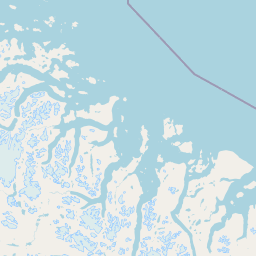
The landscape of Auyuittuq National Park is defined by its dramatic mountainous terrain and extensive glacial features. The Baffin Mountains rise sharply from the surrounding terrain, with peaks reaching elevations that create stunning vertical relief. Mount Asgard is particularly notable for its twin granite domes and massive 800-metre face, while Mount Thor presents an impressive 1,250-metre vertical wall that ranks among the tallest cliff faces in the world. Between these peaks, deep glacial valleys have been carved over successive ice ages, now occupied by rivers such as the Weasel River and Owl River that flow through the Akshayuk Pass. The Penny Ice Cap covers approximately 6,000 square kilometres of the park's interior, a remnant of the continental ice sheets that once covered much of North America. This ice cap sits atop Precambrian granite bedrock and feeds numerous glaciers that descend toward the coast. Along the shoreline, deep narrow fjords cut into the land, providing dramatic transitions between mountain terrain and marine environments. The Akshayuk Pass corridor is famous for its consistently high winds, which can exceed 175 kilometres per hour, shaping the vegetation and creating a distinctive character for this穿越区域的通道.
Auyuittuq National Park ecosystems, habitats, and plant life
The Arctic ecosystem of Auyuittuq National Park is characterized by extreme environmental conditions that limit biological productivity but support specialized species adapted to polar conditions. Vegetation is sparse and low-growing, consisting primarily of tundra plants that hug the ground to avoid harsh winds. Species such as mountain avens, various saxifrages, Arctic willow, dwarf birch, and heather form intricate communities in sheltered locations. Many plants grow in dense clumps that create warmer microclimates around themselves, allowing them to survive the prolonged cold temperatures. The plant communities transition from coastal salt-tolerant species near the fjords to alpine tundra communities at higher elevations near the ice cap. Marine environments along the coastline support significantly more life than the terrestrial portions of the park, with the productive waters of the Davis Strait and adjacent fjords providing habitat for various marine mammals and fish species.
Auyuittuq National Park wildlife and species highlights
Despite the seemingly inhospitable Arctic environment, Auyuittuq National Park supports a diverse array of wildlife species adapted to polar conditions. The park's location along migration routes for marine mammals makes the coastal waters particularly important, with beluga whales, narwhals, and occasional bowhead whales appearing seasonally. Polar bears are resident in the coastal areas, where they hunt seals and scavenge along the ice edge. On land, Arctic foxes and red foxes are the primary mammalian predators, preying on the small rodent populations including lemmings and voles. Arctic hares are common throughout the tundra areas. The bird population includes both resident and migratory species, with snowy owls, peregrine falcons, rough-legged hawks, and gyrfalcons hunting over the terrain. Waterfowl including snow geese and Canada geese use the park during migration seasons. Barren-ground caribou herds occasionally traverse the area, though they are not permanent residents. The park's marine margins provide critical habitat for seals and walruses that haul out on coastal ice and rocky shorelines.
Auyuittuq National Park conservation status and protection priorities
Auyuittuq National Park represents Canada's commitment to preserving representative samples of Arctic ecosystems for future generations. The park protects a landscape that exemplifies the polar terrain of eastern Arctic Canada, including unique geological features, glacial systems, and the ecological communities that have adapted to these extreme conditions. The designation of this area as a national park ensures long-term protection for the cultural and natural values of the Cumberland Peninsula, including the traditional Inuit relationship with the land. Parks Canada manages the park with recognition of its ecological sensitivity, requiring visitors to register and attend orientation sessions before entering the backcountry. The limited visitor numbers reflect both the logistical challenges of accessing this remote location and the management approach that prioritizes wilderness preservation over high-volume tourism. Research and monitoring programs within the park contribute to understanding climate change impacts on Arctic ecosystems.
Auyuittuq National Park cultural meaning and human context
The lands within Auyuittuq National Park have been inhabited by Inuit peoples for thousands of years, with the cultural landscape reflecting millennia of human activity in this Arctic environment. The selection of the Inuktitut name Auyuittuq for the park in 1976 acknowledged the deep cultural connections between the Inuit of the Cumberland Peninsula and this northern landscape. Traditional place names, travel routes, and seasonal hunting and fishing areas are embedded throughout the park's geography, representing Indigenous knowledge systems that have evolved over generations of living in close relationship with the Arctic environment. The contemporary communities of Pangnirtung and Qikiqtarjuaq maintain strong connections to the park lands, with residents continuing traditional activities in the surrounding areas. These communities serve as gateways for park visitors and play essential roles in the park's management through collaborative planning processes. The cultural context emphasizes that national parks in Canada's North are managed with recognition of Indigenous rights and the ongoing presence of Inuit communities in these landscapes.
Top sights and standout views in Auyuittuq National Park
The Akshayuk Pass remains the park's signature backcountry experience, offering hikers the opportunity to traverse a dramatic valley corridor flanked by towering granite peaks and glacial features. Mount Asgard and Mount Thor are internationally recognized among climbing and hiking enthusiasts for their exceptional granite formations. The Penny Ice Cap provides access to glacial environments that offer insight into Arctic glaciology and landscape formation. Coastal fjords such as Pangnirtung Fiord showcase the dramatic meeting point of mountain and sea that characterizes this Arctic coastline. Wildlife viewing opportunities, particularly for marine mammals along the coast and migratory birds during appropriate seasons, add biological richness to the landscape-focused attractions. The experience of traveling through a landscape that remains genuinely remote and wild, far from the development and infrastructure common in more accessible parks, represents a distinctive highlight for those who make the journey to this northern preserve.
Best time to visit Auyuittuq National Park
The optimal visiting window for Auyuittuq National Park occurs during the brief Arctic summer, typically from mid-June through late August, when temperatures rise above freezing and continuous daylight transforms the landscape. July and August offer the warmest conditions and the most accessible hiking routes, though weather remains highly variable and conditions can change rapidly. During this period, temperatures may reach comfortable levels in the valleys but can remain cool and windy, particularly in exposed areas like the Akshayuk Pass. The midnight sun provides extended daylight hours for hiking and exploration. Late summer may bring the first autumn conditions, including snow at higher elevations and the return of colder temperatures. Winter visits are possible but require specialized equipment and expertise for the extreme cold, darkness, and challenging travel conditions that characterize the Arctic winter. Spring and fall transitions are generally considered poor seasons for visitation due to variable weather, limited services, and challenging trail conditions.