
Why Northeast Greenland National Park stands out
Northeast Greenland National Park is renowned for its extraordinary size and its status as one of Earth's last great wilderness areas. The park protects what is estimated to be 40% of the world's musk oxen population, between 5,000 and 15,000 individuals, making it globally significant for this iconic Arctic species. Its coastal waters support significant populations of polar bears and walrus, while the ice-free terrain provides critical habitat for Arctic wildlife. The park encompasses the Franz Josef Fjord system and extends to the northernmost land reaches of Greenland, offering a landscape of dramatic glacier-carved fjords, polar desert environments, and the northernmost terrestrial ecosystems on the planet.
Northeast Greenland National Park history and protected-area timeline
The park was originally established on May 22, 1974, carved from the northern, practically uninhabited portion of the former Ittoqqortoormiit Municipality in East Greenland. In 1988, the park underwent a significant expansion, adding 272,000 square kilometers to its territory when the northeastern section of the former Avannaa county (North Greenland) was incorporated, bringing the park to its present size. In January 1977, the park received designation as an international biosphere reserve, recognition of its exceptional ecological value. The park remains under oversight of the Greenland Department of Environment and Nature, with the Sirius Patrol serving as the park's policing agency based at Daneborg. Historical research camps on the ice sheet — Eismitte and North Ice — famous from early 20th-century Greenland expeditions — fall within the boundaries of the present-day park.
Northeast Greenland National Park landscape and geographic character
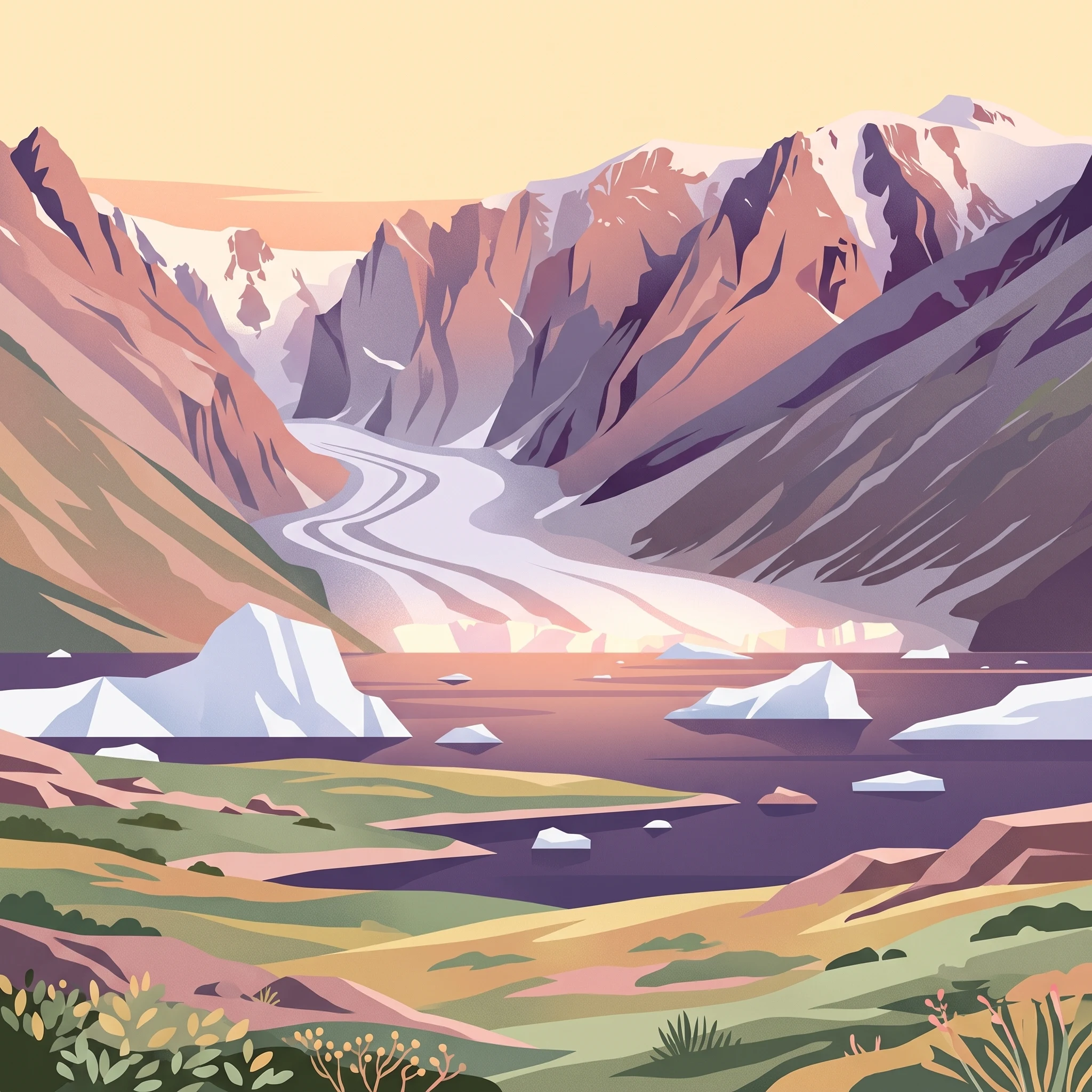
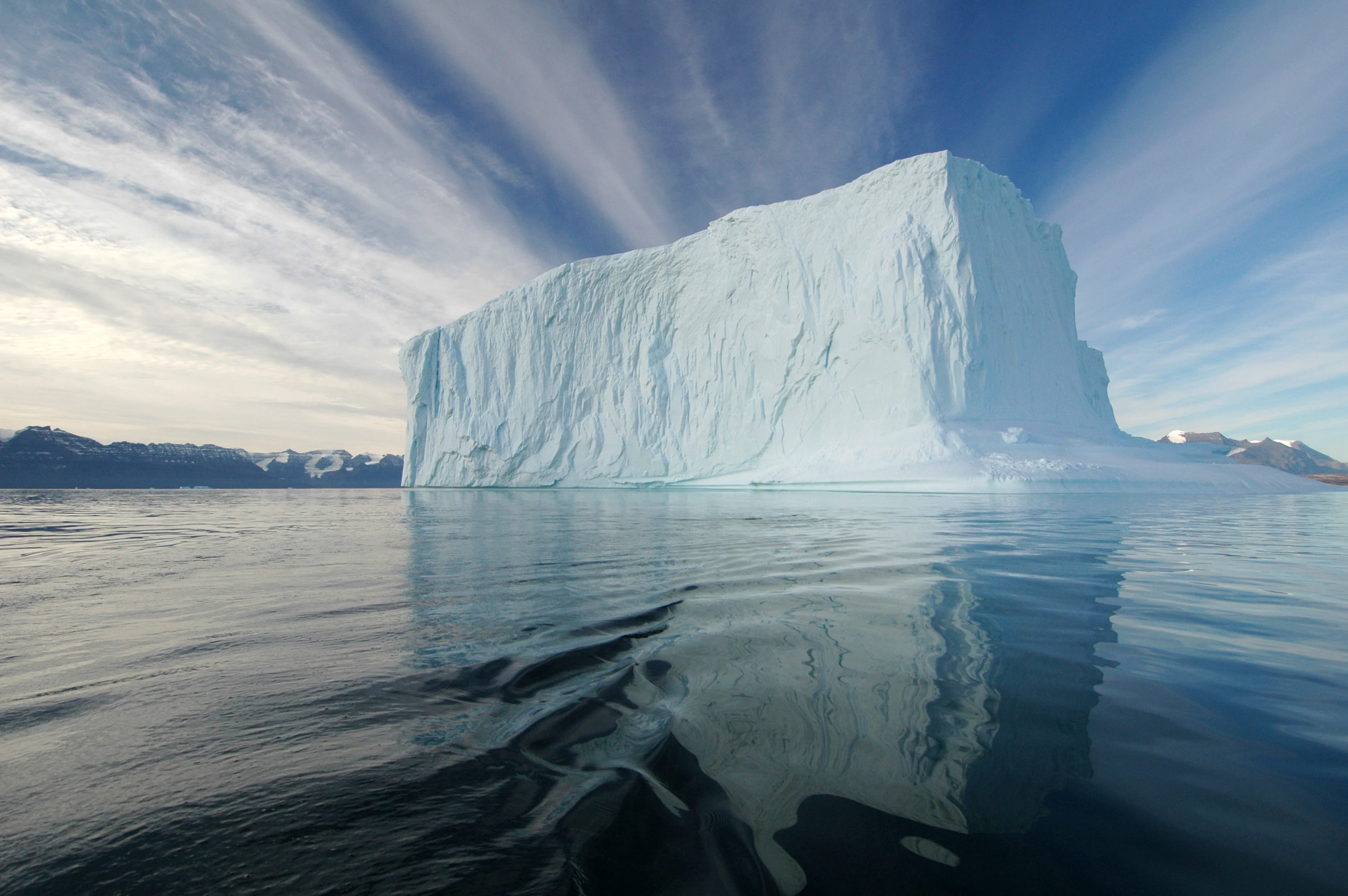
The park's geography presents a striking contrast between its ice-covered interior and its rugged coastal terrain. The vast interior is dominated by the Greenland Ice Sheet, one of Earth's two major ice caps, but the coastal regions and northern areas feature extensive ice-free terrain. Peary Land in the far north represents one of the most northerly land areas on the planet. The coastline is characterized by dramatic fjords, including the renowned Franz Josef Fjord, where glacier-carved walls rise sharply from the sea, often tinted orange by reflected sunlight. The landscape includes polar desert environments, mountain ranges, coastal lowlands, and numerous islands along the southeastern coast such as Ymer Island. The terrain reflects the powerful erosive action of ancient glaciers, creating a landscape of steep cliffs, U-shaped valleys, and scattered islands that dot the maritime approach to this remote coast.
Northeast Greenland National Park ecosystems, habitats, and plant life
This Arctic park protects some of the most significant wildlife populations in the high Arctic. The park supports an estimated 5,000 to 15,000 musk oxen — approximately 40% of the global population — making it critically important for the survival of this species. The coastal regions provide essential habitat for substantial populations of polar bears and walrus, while the marine environment supports ringed seal, bearded seal, harp seal, and hooded seal, as well as narwhal and beluga whale. The terrestrial ecosystem includes Arctic fox, stoat, collared lemming, Arctic hare, and a small but significant population of Greenland wolf. The park's designation as an international biosphere reserve reflects recognition of these ecological values and the need to preserve this Arctic ecosystem in its entirety.
Northeast Greenland National Park wildlife and species highlights
The park's wildlife represents one of its most remarkable attributes, with populations of Arctic megafauna that are globally significant. Musk oxen thrive in the ice-free coastal areas and northern terrain, representing one of the largest remaining herds on Earth. Polar bears den along the coastlines and hunt among the pack ice, while walrus congregate on coastal haul-outs in significant numbers. Marine mammals including several seal species, narwhal, and beluga whale inhabit the surrounding waters. The bird population is diverse and includes great northern diver, barnacle goose, pink-footed goose, common eider, king eider, gyrfalcon, snowy owl, sanderling, rock ptarmigan, and raven — species adapted to the harsh Arctic conditions and dependent on the coastal and terrestrial habitats the park protects.
Northeast Greenland National Park conservation status and protection priorities
As the world's largest national park and the first created in the Kingdom of Denmark, Northeast Greenland National Park represents a commitment to protecting one of Earth's last great wilderness areas. Its designation as an international biosphere reserve in 1977 reflects recognition of its outstanding ecological significance. The park protects habitat essential for species that are globally threatened elsewhere, particularly musk oxen, polar bears, and Arctic marine mammals. The park's strict protection status (IUCN Category II) ensures preservation of this vast Arctic ecosystem in its natural state for future generations. The extremely low visitor numbers — exceeding only 500 yearly — mean that the park remains among the most undisturbed protected areas on Earth.
Northeast Greenland National Park cultural meaning and human context
The park has no permanent human population, though historical research camps including Eismitte and North Ice — famous from early 20th-century Greenland expeditions — fall within its boundaries. A small number of seasonal research stations are maintained, including Daneborg (headquarters of the Sirius Patrol), Danmarkshavn weather station, Station Nord military base, Mestersvig military outpost with its gravel runway, Zackenberg research station, and Summit Camp on the ice sheet. These installations represent the only human presence in this vast wilderness, with the Sirius Patrol responsible for park enforcement and monitoring.
Top sights and standout views in Northeast Greenland National Park
The park's extraordinary scale offers an Arctic wilderness experience unmatched anywhere else on the planet. Its protection of approximately 40% of the world's musk oxen population represents one of the most significant conservation achievements for this species. The dramatic glacial landscapes of Franz Josef Fjord and other coastal fjords provide visual drama of exceptional quality. As the northernmost national park in the world, it offers access to ecosystems found nowhere else. The park's status as an international biosphere reserve and its extremely limited human footprint ensure that these Arctic landscapes remain among the most pristine on Earth.
Best time to visit Northeast Greenland National Park
The brief Arctic summer from June to August offers the most accessible visiting window, when temperatures rise enough for limited outdoor activity and wildlife is most active. During this period, the midnight sun provides continuous daylight, allowing extended exploration of the landscape. The winter months from November to February bring extreme cold and complete darkness, while shoulder seasons offer opportunities for aurora borealis viewing. The park's extreme remoteness and limited access mean visits require substantial planning and are typically conducted through organized scientific expeditions or specialized adventure tourism operators.