Why Forlandet National Park stands out
Forlandet National Park is distinguished by holding the world's most northerly range of seals and the world's most northerly population of common guillemots. These biological superlatives make the park globally significant for understanding Arctic marine ecosystems and seabird breeding biology. The park's coastal cliffs support substantial seabird colonies, while its waters provide critical habitat for marine mammals. The presence of walrus colonies on the island's shores adds to the park's remarkable wildlife significance, with photographed colonies documenting regular use of the coastal areas.
Forlandet National Park history and protected-area timeline
Forlandet National Park was established on June 1, 1973, through a royal resolution by the Norwegian government. This designation came during a period of growing environmental awareness in Norway and internationally, when the ecological significance of Arctic regions was increasingly recognized. The park was created to protect the natural values of Prins Karls Forland, which had long been recognized for its wildlife importance but lacked formal protected status.
The inclusion of the surrounding marine waters within the park boundary reflected an innovative approach to protected area management that acknowledged the interdependence of terrestrial and marine ecosystems. This holistic view was relatively advanced for its time and has since become more widely adopted in marine and coastal protected area planning. The establishment of the park also preceded the broader conservation framework that would later formalize Svalbard's protection regime, positioning Forlandet as an early example of Norway's commitment to Arctic conservation.
The park's historical dimension extends beyond its institutional creation to include evidence of human presence in the region. Archaeological remains from Norwegian and Russian hunters and whalers found within the park testify to centuries of human activity in these Arctic waters, representing a cultural layer that coexists with the park's natural values.
Forlandet National Park landscape and geographic character
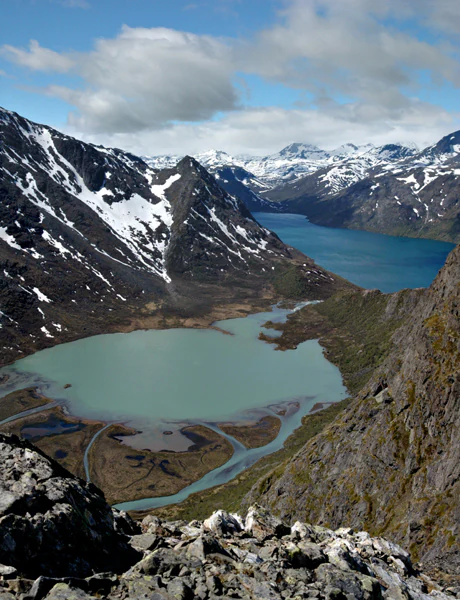
Prins Karls Forland presents a landscape characteristic of High Arctic islands, where terrain is shaped by glacial processes and the relentless action of cold Arctic waters. The island's topography features rocky shores, coastal cliffs, and interior areas that reflect the geological history of the Svalbard archipelago. The marine waters surrounding the island create a distinctive coastal environment where sea ice dynamics influence the seasonal character of the landscape.
The coastal cliffs are among the park's most visually striking features, serving as the substrate for dense seabird colonies. These vertical rock faces provide nesting sites protected from terrestrial predators, while the waters below offer foraging opportunities for birds and marine mammals alike. The interaction between land and sea defines the park's visual character, with the boundary between rocky shore and open water being a central element of the landscape experience.
The absence of significant tree cover reflects the extreme Arctic conditions, with the landscape dominated by mosses, lichens, and sparse vegetation adapted to the short growing season. This minimalist vegetation creates a distinctive visual palette of greens, grays, and browns that varies with the seasons, from the brief summer bloom to the extended period of winter dormancy when snow and ice transform the island's appearance.
Forlandet National Park ecosystems, habitats, and plant life
The ecological character of Forlandet National Park is defined by its position at the northern extreme of multiple species' ranges, creating conditions where wildlife exists at the limits of its ecological tolerance. The park's marine environment supports diverse pinniped species, with the waters around Prins Karls Forland serving as important habitat for seal populations that have adapted to year-round Arctic conditions. The biological significance of these populations extends to their status as the world's most northerly seal populations.
The terrestrial and coastal environments host remarkable seabird colonies, with the common guillemot population representing the northernmost breeding population of this species anywhere in the world. The cliffs and coastal areas provide nesting habitat, while the surrounding waters offer foraging grounds. The ecosystem functions as an integrated unit where marine productivity supports the bird populations that in turn influence nutrient cycling and ecological dynamics throughout the protected area.
The Forlandsøyane area within the park has been specifically recognized for its wetland values, receiving Ramsar designation in 1985. This recognition reflects the importance of coastal wetlands and shallow marine areas for waterfowl, migratory birds, and the broader ecological functions that these habitats support. The combination of Ramsar wetland status and Important Bird Area designation by BirdLife International underscores the international recognition of the park's ecological significance.
Forlandet National Park wildlife and species highlights
Forlandet National Park supports wildlife populations of global significance, particularly for species at the northern edge of their ranges. The seal populations in the park's waters represent the most northerly populations of these marine mammals documented anywhere in the world, a distinction that highlights the exceptional nature of the Arctic ecosystem. Species present include various phocids adapted to Arctic conditions, with the cold waters providing adequate habitat despite the extreme seasonal variations in temperature and ice cover.
Seabird populations are particularly notable, with the common guillemot breeding population holding the distinction of being the world's most northerly. The coastal cliffs provide nesting habitat for dense colonies, with the vertical rock faces offering protection and proximity to productive feeding waters. Additional breeding populations of significance include barnacle geese, common eiders, and black guillemots, each contributing to the park's importance as a bird area recognized by BirdLife International.
Walrus colonies regularly haul out on the island's shores, providing opportunities to observe these distinctive marine mammals in their natural Arctic habitat. The presence of walruses adds to the park's significance as a location where multiple Arctic marine mammal species can be observed in relatively close proximity. The combination of seal, seabird, and walrus populations creates an exceptional wildlife viewing context within the Arctic ecosystem.
Forlandet National Park conservation status and protection priorities
Forlandet National Park serves as a critical component of Svalbard's protected area network, contributing to the preservation of one of the world's relatively intact Arctic ecosystems. The park's designation as an IUCN Category II protected area reflects its primary objective of ecosystem conservation, while the additional recognition of Forlandsøyane as a Ramsar Wetland demonstrates international acknowledgment of the area's wetland values. The Important Bird Area designation by BirdLife International further underscores the site's significance for avian conservation.
The multiple conservation designations reflect different aspects of the park's ecological importance, from marine ecosystem protection to seabird breeding habitat preservation. This layered recognition provides varying levels of protection and management focus, creating a comprehensive conservation framework. The governance by the Norwegian Directorate for Nature Management ensures that management activities align with both national protected area policies and international conservation commitments.
The significance of the park extends to its role in understanding climate change impacts on Arctic ecosystems. As a relatively pristine environment with documented wildlife populations at the edge of their ranges, the park provides baseline conditions against which changes can be measured and understood. Conservation of this northernmost ecosystem carries importance for understanding global biodiversity patterns and the resilience of Arctic species.
Forlandet National Park cultural meaning and human context
The human dimension of Forlandet National Park is visible in the archaeological remains found throughout the area, representing evidence of historical hunting and whaling activity by Norwegian and Russian operators. These historical traces reflect the long history of human engagement with Svalbard's resources, predating modern conservation frameworks by centuries. The presence of such remains adds a cultural layer to the park's values, connecting the contemporary protected landscape to generations of human use and occupation.
Svalbard's unique political status as a territory governed by Norway under the Svalbard Treaty has implications for how protected areas like Forlandet are managed and accessed. The international dimension of Svalbard's governance reflects the broader Arctic context where multiple nations have interests in northern regions. Within this framework, Forlandet National Park represents Norway's commitment to preserving the archipelago's natural heritage while maintaining the international character that distinguishes Arctic governance.
Top sights and standout views in Forlandet National Park
Forlandet National Park offers the rare opportunity to experience Arctic wilderness at its most extreme, where wildlife populations exist at the absolute northern limits of their ranges. The park's combination of marine and terrestrial protection creates a comprehensive Arctic ecosystem where seals, seabirds, and walruses can be observed in a relatively undisturbed setting. The dramatic coastal cliffs hosting dense seabird colonies present iconic Arctic scenery, while the surrounding waters support marine mammals in an environment shaped by the rhythms of polar seasons.
The park's multiple international designations, including Ramsar Wetland and Important Bird Area status, reflect the global significance of its ecological values. These recognitions underscore that Forlandet is not merely a Norwegian national park but a site of international conservation importance. The opportunity to observe the world's most northerly seal populations and common guillemots represents a unique scientific and experiential resource, making the park significant for research, education, and appreciation of Arctic natural values.
Best time to visit Forlandet National Park
The visitation character of Forlandet National Park is fundamentally shaped by Svalbard's extreme Arctic seasons, which dramatically influence what visitors can experience and how they can access the protected area. The summer months bring the midnight sun, with continuous daylight allowing extended exploration and wildlife observation opportunities. This period coincides with the peak of seabird breeding activity and the most accessible wildlife viewing conditions, though the absence of darkness can require adjustment for those unfamiliar with polar day conditions.
The winter months bring extended darkness, fundamentally transforming the character of a visit and limiting access options. Wildlife viewing during this period shifts toward species that remain active during the polar night, with marine mammals potentially more visible at certain haul-out locations. The seasonal sea ice conditions also influence what areas are accessible and what marine wildlife might be present. Understanding these seasonal dynamics helps frame appropriate expectations for a visit to one of the world's northernmost protected areas.