Why Sirmilik National Park stands out
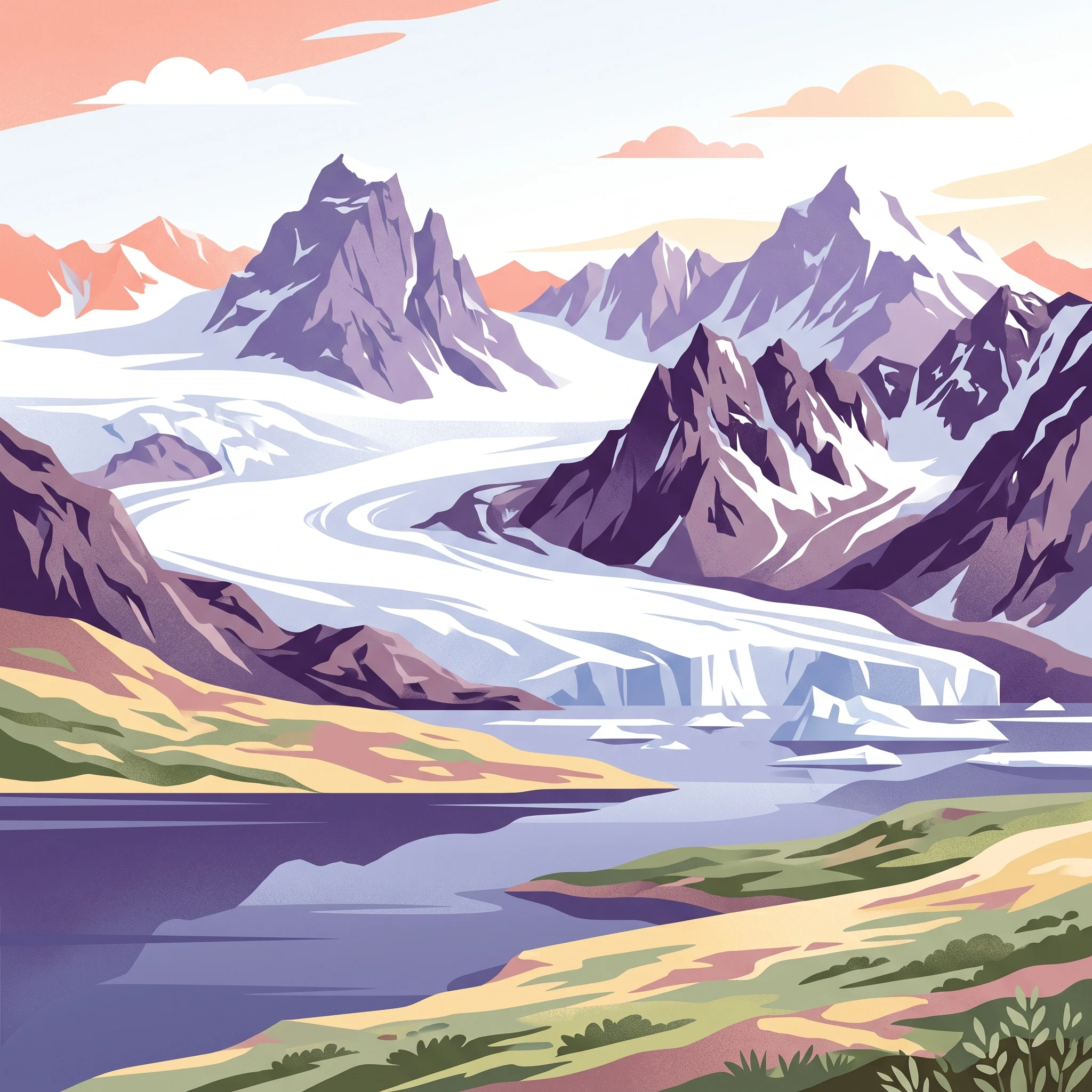
Sirmilik National Park is renowned for its extraordinary seabird colonies, particularly on Bylot Island where hundreds of thousands of thick-billed murres and black-legged kittiwakes nest on dramatic coastal cliffs. The park is one of eight Canadian national parks that contain polar bears, with the north shore of Bylot Island serving as a significant polar bear maternity denning area. The dramatic Arctic landscape of glaciers, ice caps, and the Byam Martin Mountains defines the park's visual identity, while the wetlands support significant populations of migratory birds including one of the largest greater snow goose colonies in the Arctic.
Sirmilik National Park history and protected-area timeline
The Sirmilik region has been inhabited by the Inuit for thousands of years, with archaeological evidence confirming continuous human presence in the area long before European contact. European exploration began in the 1610s when British explorers William Baffin and Robert Bylot surveyed the area while searching for the Northwest Passage, giving their names to Baffin Island and Bylot Island respectively. They documented key geographic features including Lancaster Sound in 1616, and subsequent exploration by John Ross in 1818 further confirmed the cartographic work of these early navigators. The Canadian Government conducted extensive aerial mapping of Northern Canada from the 1930s until the late 1950s, thoroughly documenting the region's geography. The area was first protected as a bird sanctuary in 1965 due to its significant seabird colonies, managed by the Canadian Wildlife Service. Sirmilik officially became Canada's 42nd national park in 2001, with the Inuit continuing their traditional hunting and fishing activities in the area as their ancestors did. The park gained additional cultural prominence through its inclusion in the 2011 National Parks Project, resulting in a short film directed by Zacharias Kunuk.
Sirmilik National Park landscape and geographic character
The physical landscape of Sirmilik National Park is defined by its Arctic mountain environment within the Arctic Cordillera, featuring the Byam Martin Mountains that traverse Bylot Island from east to west. These mountains are composed of ancient Archean-Aphebian igneous crystalline rock and Proterozoic metasedimentary and metamorphic rocks, including distinctive gneiss formations. Sharp peaks and ridges divided by deep glacier-filled valleys characterize the range, with elevations reaching nearly 2,000 meters at Angilaaq Mountain. The Borden Peninsula extends northward for 225 kilometers, with the Hartz Mountains in the northern portion rising over 914 meters above sea level. Throughout the park, evidence of past glaciation is visible in the form of extensive glaciers, icefields, and the unique hoodoo formations created by differential erosion. The coastal landscapes are equally dramatic, with vertical cliffs rising to 457 meters along Navy Board Inlet and the north shore facing Lancaster Sound. The marine components include Oliver Sound, a long narrow fjord flanked by towering cliffs and glaciers to the south of Pond Inlet, as well as the waters of Baillarge Bay.
Sirmilik National Park ecosystems, habitats, and plant life
The ecological character of Sirmilik encompasses a diversity of Arctic habitats including coastal wetlands, tundra uplands, marine environments, and glacial zones. Wetlands comprise approximately 10 percent of the park's area and support abundant vegetation including water sedge, white cottongrass, and tall cottongrass, along with various moss species. The southern Arctic environment supports approximately 360 documented plant species, considered notable for their rarity and productivity in this harsh environment. Upland areas on hillslopes and terraces feature Arctic heather, mountain avens, Arctic poppy, mountain sorrel, along with various grasses and shrubs including Arctic willow and northern bilberry. The marine waters of Lancaster Sound and surrounding areas form part of the Lancaster Sound Marine Region, supporting productive ecosystems that sustain significant populations of marine mammals and migratory fish species.
Sirmilik National Park wildlife and species highlights
Sirmilik National Park supports remarkable Arctic wildlife diversity across its terrestrial, wetland, and marine environments. The park is one of only eight Canadian national parks containing polar bears, with the north shore of Bylot Island serving as an important maternity denning area where females give birth in snow dens during winter. Marine mammals include beluga whales, narwhals that migrate through the area, walruses, and various seal species. On land, Arctic foxes, Arctic hares, Peary caribou, and Arctic wolves roam the islands and peninsula. The birdlife is particularly spectacular, with over 70 species recorded in the park and approximately 40 known to breed. The seabird colonies at Baillarge Bay and on Bylot Island are among the most significant in the Arctic, with an estimated 300,000 thick-billed murres and 80,000 black-legged kittiwakes nesting on the island's rugged cliffs. The park supports one of the largest greater snow goose colonies in the Arctic, with population estimates making these birds the most abundant herbivores on the island. Over 100,000 birds are reported to pass through the park during summer months.
Sirmilik National Park conservation status and protection priorities
Sirmilik National Park plays a critical role in protecting some of Canada's most significant Arctic ecosystems and biodiversity. The park was originally designated as a bird sanctuary in 1965 specifically to protect its remarkable seabird colonies, and Bylot Island within the park was declared a Migratory Bird Sanctuary due to the extraordinary concentrations of breeding and migratory birds. The protection of polar bear maternity denning areas along Lancaster Sound makes the park especially important for this threatened species in Canada. The representation of both the Northern Eastern Arctic Lowlands Natural Region and the Lancaster Sound Marine Region within the park ensures protection of key Arctic biomes. The Inuit continue to practice traditional hunting and fishing within the park boundaries, maintaining the cultural connection between humans and this Arctic landscape while operating under the park's conservation framework.
Sirmilik National Park cultural meaning and human context
The Sirmilik region has been continuously inhabited by the Inuit for thousands of years, with the park area containing significant archaeological evidence of this long human presence. The Inuit people of the Canadian Arctic have maintained a deep cultural connection to this landscape, referring to northern Baffin Island as Sirmilik long before the area received its protected status. While Bylot Island itself is uninhabited today, Inuit from Pond Inlet and other communities regularly travel to the island for seasonal hunting activities, maintaining an Inuit seasonal hunting camp southwest of Cape Graham Moore. The name Sirmilik, meaning "place of glaciers" in Inuktitut, reflects the cultural understanding of this glaciated Arctic landscape. The park's establishment in 2001 recognized both the ecological significance and the cultural importance of the area, allowing for the continuation of traditional activities while ensuring long-term conservation of the Arctic environment.
Top sights and standout views in Sirmilik National Park
Sirmilik National Park offers visitors access to one of the most spectacular Arctic wilderness areas in North America, with its dramatic combination of glaciers, ice caps, and the Byam Martin Mountains creating a landscape of exceptional beauty. The extraordinary seabird colonies on Bylot Island, with hundreds of thousands of nesting murres and kittiwakes, represent one of the most impressive bird spectacle areas in the Arctic. The opportunity to observe polar bears in their natural Arctic environment, particularly along Lancaster Sound where maternity dens are located, makes this park uniquely significant. The park's three distinct components of Bylot Island, the Borden Peninsula, and the Oliver Sound fjord system provide diverse landscapes to explore, from coastal cliffs to interior mountain terrain.
Best time to visit Sirmilik National Park
The optimal time to experience Sirmilik National Park is during the brief Arctic summer, typically from late July through early August, when average maximum temperatures reach around 10 degrees Celsius and the landscape is accessible. The spring transition in this polar maritime climate does not fully end until mid-June, meaning the summer season is remarkably short. Visitors during this period can witness the extraordinary bird migrations, with over 100,000 birds passing through the area, and observe marine wildlife including beluga whales and seals in the surrounding waters. The winter months are extremely harsh, with average maximum temperatures around -30 degrees Celsius in January, and the park receives very few visitors during the cold season. The dramatic change between seasons defines the character of this Arctic environment, with the brief summer offering the only practical window for most visitors to experience the park's natural wonders.