
Mori Atlas logo
National parkAulavik National Park

Understand the mapped boundaries and regional geographic context of Aulavik National Park.

Aulavik National Park: Northwest Territories National Park Protected Landscape and Geography

Aulavik National Park stands as a significant protected area within the Northwest Territories, offering a unique focal point for understanding Canada's vast natural geography. This page provides an atlas-driven perspective on Aulavik National Park, highlighting its role as a National Park and its place within the region's mapped landscapes. Explore the core identity of this protected area and its contribution to the broader geographic context of the Northwest Territories for detailed landscape discovery.

Arctic wildernessPolar desertMuskox habitatRemote national parkNorthern CanadaBanks Island

Aulavik National Park

National park

Park overview

Structured park overview, official facts, and landscape profile for Aulavik National Park

Aulavik National Park park facts, protected area profile, and essential visitor context
Review the core facts for Aulavik National Park, including designation, size, terrain, visitor scale, habitats, and operating context in one park-focused overview.

About Aulavik National Park

Aulavik National Park represents one of Canada's most isolated and ecologically distinct protected areas, located on Banks Island in the far northern Northwest Territories. The park encompasses approximately 12,274 square kilometres of Arctic Lowlands at the northern terminus of this large island in the Beaufort Sea. Established in 1992, the park protects a polar desert environment that experiences extremely low precipitation, high winds, and temperatures that define the extreme edge of terrestrial life in North America. The landscape is characterized by tundra vegetation, coastal wetlands along the northern shore facing the McClure Strait, and an upland plateau in the southern regions that rises to 450 metres above sea level. The park is completely treeless, a consequence of both latitude and the arid polar desert conditions that prevent tree growth. Access to the park is exclusively by air, with visitors chartering aircraft to one of four designated landing sites, reflecting the remote and challenging nature of this Arctic wilderness. The park holds deep cultural significance, with the Inuvialuktun name "Aulavik" translating to "place where people travel," acknowledging the long history of human occupation and movement through these lands.

Quick facts and research context for Aulavik National Park

Aulavik National Park occupies the northern third of Banks Island in Canada's Arctic, making it one of the most remote national parks in the world. The park was established in 1992 and is managed by Parks Canada as an IUCN Category II protected area. It features a polar desert climate with approximately 300 millimetres of annual precipitation and frequent high winds. The landscape consists primarily of Arctic Lowlands with a southern upland plateau, completely devoid of trees. The park contains two major bays, Castel Bay and Mercy Bay, and is situated south of the McClure Strait, the legendary Arctic waterway that Captain Robert McClure navigated while searching for the lost Franklin expedition in the 1850s. With only 34 visitors recorded in 2022-23, the park experiences some of the lowest visitation numbers of any Canadian national park.

Park context

Deeper park guide and search-rich context for Aulavik National Park

Aulavik National Park history, landscape, wildlife, and travel context
Explore Aulavik National Park through its history, landscape character, ecosystems, wildlife, conservation priorities, cultural context, and seasonal travel timing in a structured park guide built for atlas discovery and search intent.

Why Aulavik National Park stands out

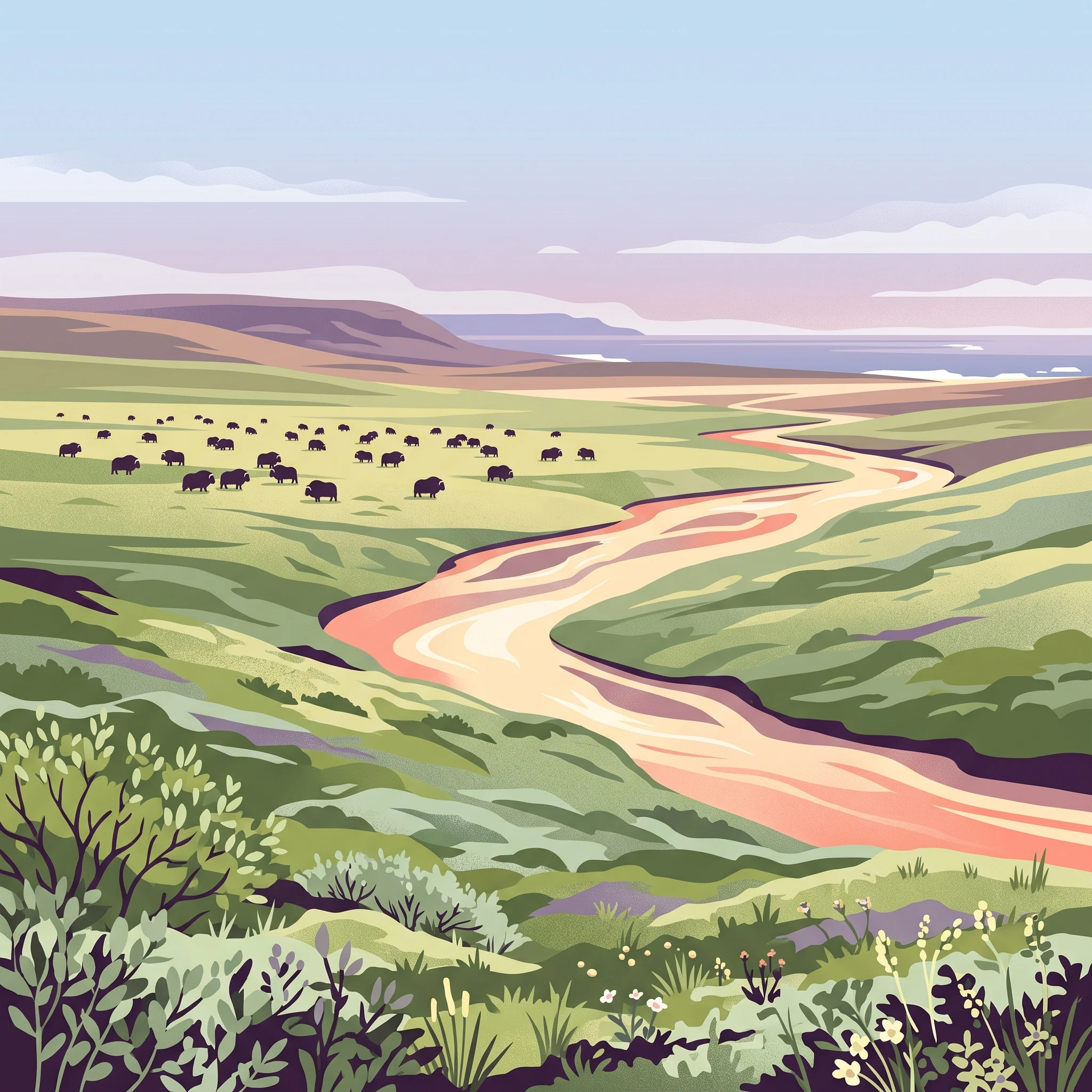
Aulavik National Park is most famously known for sheltering the highest concentration of muskoxen on Earth, with an estimated 68,000 to 80,000 individuals on Banks Island, roughly twenty percent of which reside within the park boundaries. The park also protects critical habitat for the endangered Peary caribou, a subspecies adapted to Arctic conditions. The Thomsen River, one of the most northerly navigable rivers in North America, provides the park's central waterway and offers unique paddling opportunities through a remote polar desert landscape. The region's historical significance as the search ground for the Franklin expedition, particularly Mercy Bay where Captain Robert McClure spent two winters stranded aboard HMS Investigator, adds profound human heritage to the natural wonder.

Aulavik National Park history and protected-area timeline

The human history of Aulavik National Park spans thousands of years, beginning with Pre-Dorset culture peoples who inhabited what is now Banks Island before the arrival of the Thule culture in the southern regions. The Little Ice Age subsequently cooled the climate sufficiently that Banks Island was likely abandoned for a period until the Inuvialuit arrived in the seventeenth century, establishing the cultural lineage that continues in the region today. The most dramatic chapter in the park's human history occurred between 1850 and 1853, when Captain Robert McClure and the crew of HMS Investigator became trapped in Mercy Bay while searching for the lost expedition of Sir John Franklin. McClure spent two winters frozen in the ice, ultimately abandoning his ship and crossing the sea-ice to join another vessel, HMS Resolute. The Mercy Bay area later attracted Copper Inuit from Victoria Island who came to salvage materials left by McClure's party and to hunt the abundant caribou and muskox that grazed the tundra. In the twentieth century, the region experienced a fur trade renaissance focused on fox trapping, which drew hunters from as far as the Mackenzie Delta and Alaska's North Slope, ultimately leading to the establishment of Sachs Harbour as the only permanent community on Banks Island.

Aulavik National Park landscape and geographic character

The landscape of Aulavik National Park is defined by its position at the northern extreme of Banks Island, a large island in Canada's Arctic Archipelago. The park protects a portion of the Arctic Lowlands, a vast flat to gently rolling terrain that characterizes much of Canada's northern coastal regions. In the southern portions of the park, an upland plateau rises to approximately 450 metres above sea level, providing the highest terrain within the protected area. The park's northern boundary faces the McClure Strait, a legendary Arctic waterway that separates Banks Island from the Arctic Ocean and has been a significant barrier and passage for Arctic exploration throughout history. Two major bays punctuate the coast: Castel Bay and Mercy Bay, each offering sheltered coastal environments along the wild Arctic shore. The Thomsen River, one of the most northerly navigable rivers in North America, flows through the park's interior, providing a central corridor for exploration and ecological connectivity. The entire park is completely treeless, with vegetation limited to low-growing tundra species adapted to the harsh Arctic conditions.

Aulavik National Park ecosystems, habitats, and plant life

The nature of Aulavik National Park represents a polar desert ecosystem of remarkable ecological specialization. Despite the arid conditions, with only approximately 300 millimetres of annual precipitation, the park supports surprising biological diversity given its extreme latitude. The park contains approximately 150 species of flowering plants, representing a significant floral inventory for such a northern environment. Vegetation consists primarily of lichens, mosses, graminoids, and low-growing Arctic flowering plants that blanket the tundra during the brief summer growing season. The coastal zones along the McClure Strait support wetlands and marine-influenced habitats where marine mammals congregate on the ice and along the shore. The absence of trees creates a landscape of extraordinary openness, where the flat Arctic Lowlands stretch to the horizon in all directions, interrupted only by the gentle rise of the southern plateau and the occasional wetland depression.

Aulavik National Park wildlife and species highlights

Aulavik National Park supports exceptional Arctic wildlife populations, most notably the world's highest concentration of muskoxen, with an estimated 68,000 to 80,000 individuals on Banks Island, approximately twenty percent of which occupy the park itself. These shaggy, ancient-looking mammals graze the tundra in herds, providing the park's most iconic wildlife spectacle. The park also protects critical habitat for the endangered Peary caribou, a distinct subspecies adapted to survive in Arctic conditions, alongside the more common barren-ground caribou that migrates through the region seasonally. The park's bird population includes both year-round residents and seasonal migrants, with rock ptarmigan and ravens being the only species that remain throughout the Arctic winter. Forty-three bird species make seasonal use of the area, while birds of prey including snowy owls, rough-legged hawks, gyrfalcons, and peregrine falcons hunt the abundant lemming populations. Small mammals include Arctic foxes, both brown and northern collared lemmings, and Arctic hares, while wolves hunt the caribou and muskox populations. The coastal waters support marine mammals including polar bears, ringed seals, bearded seals, beluga whales, and bowhead whales that utilize the ice-covered northern waters.

Aulavik National Park conservation status and protection priorities

Aulavik National Park represents a critical conservation designation in Canada's protected area network, safeguarding one of Earth's most intact Arctic polar desert ecosystems. The park's designation as an IUCN Category II protected area reflects its purpose of preserving natural landscapes and the ecological processes that sustain them. Most significantly, the park protects the world's largest population of muskoxen, a species that has recovered from near-extermination in the nineteenth and twentieth centuries to become a thriving Arctic species. The protection of endangered Peary caribou habitat represents another crucial conservation priority, as this subspecies faces significant range contraction and population decline across its limited Arctic distribution. The park's isolation and extremely low visitation rates contribute to its conservation value, ensuring that the Arctic ecosystem remains largely free from human disturbance. The polar desert environment, while appearing fragile, demonstrates remarkable ecological resilience in the face of extreme conditions, and the protected status ensures these processes continue undisturbed.

Aulavik National Park cultural meaning and human context

The cultural context of Aulavik National Park is deeply rooted in the Inuvialuit and earlier indigenous peoples who have inhabited Banks Island for centuries. The park's name, Aulavik, comes from the Inuvialuktun language and means "place where people travel," a name that acknowledges the traditional importance of movement and resource harvesting across this landscape. Prior to the Inuvialuit, the Pre-Dorset and Thule cultures occupied the island, leaving archaeological evidence of their presence in the region. The dramatic historical episode of the Franklin expedition search brought Captain Robert McClure and his crew to Mercy Bay, where they spent two winters trapped in ice between 1850 and 1853, ultimately abandoned their ship, and joined another vessel in one of the Arctic's most remarkable survival stories. The Copper Inuit from Victoria Island later visited the Mercy Bay area to salvage materials from McClure's abandoned ship and to hunt the abundant caribou and muskox that supported their communities. In the twentieth century, the fur trade drew people from across the Northwest Territories and even from Alaska, leading to the establishment of Sachs Harbour as the island's only community.

Top sights and standout views in Aulavik National Park

Aulavik National Park offers extraordinary Arctic wilderness experiences for the very limited number of visitors who venture to this remote protected area. The Thomsen River provides a unique paddling corridor through the polar desert, offering one of the most northerly canoeing experiences in North America. Observing the massive herds of muskoxen grazing on the tundra represents a wildlife experience found nowhere else on Earth in such concentrations. The historical significance of Mercy Bay, where Captain McClure's HMS Investigator remains a subject of archaeological interest, provides a connection to one of the great Arctic exploration stories. The park's complete treelessness creates an unparalleled sense of openness and solitude, where the landscape stretches to the horizon in all directions under the Arctic sky. The opportunity to witness polar bears, bowhead whales, and other Arctic marine mammals along the northern coast adds further distinction to this remarkable wilderness area.

Best time to visit Aulavik National Park

Visiting Aulavik National Park requires careful timing to experience the brief Arctic summer when conditions are most hospitable. The optimal visiting window spans from mid-June through August, when temperatures rise enough to permit outdoor activities and the tundra bursts into a short but spectacular flowering season. During this period, the midnight sun provides nearly continuous daylight, allowing extended exploration of the landscape. However, visitors should be prepared for the ever-present possibility of high winds and the Arctic's characteristic variable weather. The winter months bring extreme cold, complete darkness, and ice-covered terrain that makes access and exploration essentially impossible for all but the most specialized expeditions. Spring and autumn transitions are brief and offer unpredictable conditions. Given the park's fly-in only access and extreme remoteness, planning requires significant advance preparation through Parks Canada, with most visitors arriving during the short summer window to experience one of Earth's most isolated and distinctive protected areas.
Park location guide

Geography guide, regional context, and park location map for Aulavik National Park

Aulavik National Park park geography, regions, and map view in Canada
Understand where Aulavik National Park sits in Canada through a broader geographic reading of the surrounding landscape, nearby location context, and its mapped position within the national park landscape.

How Aulavik National Park fits into Canada

Canada is a federal parliamentary constitutional monarchy spanning North America from the Atlantic to the Pacific and Arctic Oceans. With a population of over 41 million, it is officially bilingual in English and French at the federal level. The country gained independence from the United Kingdom through a gradual process culminating in 1982.

Wider geography shaping Aulavik National Park in Canada

Canada occupies the northern portion of North America, sharing its longest international border with the United States. The country extends from the Atlantic Ocean to the Pacific Ocean and northward into the Arctic Ocean, giving it the longest coastline of any nation.

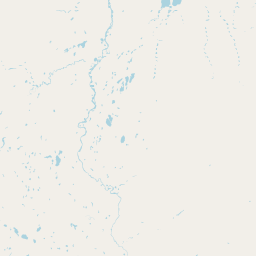
Map view of Aulavik National Park

Use this park location map to pinpoint Aulavik National Park in Canada, understand its exact geographic position, and read its mapped placement within the surrounding landscape more clearly.

Pigeon | © OpenStreetMap contributors

Location context for Aulavik National Park

Northwest Territories
Park atlas

Map the surrounding Arctic landscapes and compare other remote Canadian protected areas, tracing their geographic spread and conservation value.

Discover More Arctic National Parks and Protected Areas Near Aulavik National Park
Explore other national parks and protected areas across Canada's Arctic, discovering their unique geographic context, from vast tundra to significant marine territories. Compare these remote conservation landscapes and protected ecosystems, tracing their spread and regional significance alongside Aulavik National Park.
National parkNorthwest Territories

Tuktut Nogait National Park: Northwest Territories Protected Landscape Atlas

Explore its mapped boundaries and regional geography.

Delve into Tuktut Nogait National Park, a protected national park situated within the vast geography of the Northwest Territories. This entry provides a focused view of the park's specific identity, its defined protected area boundaries, and its contribution to the regional landscape atlas. Understanding Tuktut Nogait National Park means grasping its geographic context and its role as a key natural landscape within the broader Canadian protected area network, ideal for detailed map-based study.

Area
18,100 km²
Established
1998
IUCN
II
Visitors
12 annual
National parkNunavut

Qausuittuq National Park: Explore Nunavut's Protected National Park Landscape and Geography

Mapped protected area boundaries and regional geographic context.

Delve into Qausuittuq National Park, a key protected area in Nunavut offering rich opportunities for geographic exploration. This destination provides detailed mapping of its protected boundaries and a comprehensive overview of its landscape context within the Arctic region. Discover how Qausuittuq National Park contributes to the mapped protected lands of Canada, ideal for users seeking structured geographic data and atlas-style discovery.

Area
11,000 km²
Established
2015
IUCN
II
Relief
Upland
National parkYukon

Ivvavik National Park: Yukon National Park Protected Landscape and Geography

Explore mapped boundaries and regional context.

Ivvavik National Park is a designated national park within Yukon, representing a significant protected landscape. This page offers a focused exploration of its geographic identity, mapped boundaries, and its place within the broader atlas of Canada's natural areas. Understand Ivvavik National Park as a defined entity contributing to the regional geography and protected land distribution of Yukon.

Area
10,168 km²
Established
1984
IUCN
II
Visitors
179 annual
National parkYukon

Vuntut National Park: Yukon National Park Protected Area Map Exploration

Understanding its mapped protected boundaries and regional geography.

Delve into the specifics of Vuntut National Park, a designated national park situated within the Yukon region. This detail offers a focused look at its protected landscape identity, providing critical context for its geographic boundaries and role as a mapped natural area. Users can explore the core attributes of Vuntut National Park to enrich their understanding of its contribution to the protected lands atlas and regional geography.

Area
4,345 km²
Established
1995
IUCN
II
Relief
Lowland
National parkNunavut

Sirmilik National Park: Nunavut National Park Atlas and Protected Landscape Map

Explore the geographic boundaries and regional context of Sirmilik National Park.

This entry provides detailed insights into Sirmilik National Park, a designated national park situated in Nunavut, Canada. It serves as a focal point for understanding the park's specific geography, its mapped protected landscape, and its role within the regional atlas. Users can explore the park's defined boundaries and its contribution to the broader landscape context of Nunavut, making it an essential destination for detailed geographic discovery.

Area
22,200 km²
Established
2001
IUCN
II
Visitors
6 annual
National parkNorthwest Territories

Thaidene Nëné National Park Reserve: Northwest Territories National Park Atlas Overview

Mapped geography and protected landscape context.

Investigate Thaidene Nëné National Park Reserve, a key national park within the Northwest Territories. This detailed entry focuses on its protected area status, mapped geographic boundaries, and regional landscape context, crucial for understanding its role in the broader atlas of conservation lands.

Area
14,070 km²
Established
2019
IUCN
II
Relief
Highland
National parkNorthwest Territories

Nááts'ihch'oh National Park Reserve: Mapped Protected Landscape in Northwest Territories

Explore its geographic boundaries and regional context.

Gain a structured understanding of Nááts'ihch'oh National Park Reserve, a significant protected national park within the Northwest Territories. This detail provides context for its geographical placement and the extent of its protected landscape, vital for anyone exploring the region's natural areas through maps and atlas data.

Area
4,850 km²
Established
2014
IUCN
II
Visitors
109 annual
National parkNunavut

Quttinirpaaq National Park: A Detailed Look at its Protected Landscape and Nunavut Geography

Mapped boundaries and regional context for this significant Arctic national park.

Gain a comprehensive understanding of Quttinirpaaq National Park, a protected national park located in the expansive region of Nunavut, Canada. This resource delves into the park's geographic identity, its mapped contours, and its position within the broader arctic landscape context. It is designed to support atlas-based exploration and a detailed appreciation of this protected area's unique setting within Northern Canada's geography.

Area
37,775 km²
Established
1988
IUCN
II
Visitors
7 annual

Common questions about visiting, size, designation, and location context for Aulavik National Park

Aulavik National Park FAQs for park facts, access, geography, and protected area context
Find quick answers about Aulavik National Park, including protected-area facts, park geography, trail and visitor context, and how the park fits into its surrounding country and regional landscape.
MoriAtlas Explorer

Continue Your Protected Areas Search Across the Global Atlas

Deepen your exploration by continuing the structured search for national parks and protected areas worldwide. Utilize the comprehensive filtering capabilities to compare different conservation landscapes and refine your understanding of global park geography. Discover more about the distribution and characteristics of protected natural areas.

Global natural geography