Mori Atlas logo
National parkVuntut National Park

Discover the mapped protected area boundaries and regional geographic context of Vuntut National Park.

Vuntut National Park: Yukon's Protected National Park Landscape and Geography

(Parc national Vuntut)

Vuntut National Park represents a significant protected natural area within the Yukon region, offering unique insights into Canada's mapped landscapes. This national park detail page provides users with a focused view of Vuntut National Park's geographic setting, helping to understand its protected boundaries and its place within the broader atlas of Canadian conservation areas. Explore the inherent geographic identity and landscape context that define this specific protected natural site.

Arctic wildernessNorthern YukonIndigenous heritageRemote national parkCaribou habitatLake ecosystems

Vuntut National Park

National park

Park overview

Structured park overview, official facts, and landscape profile for Vuntut National Park

Vuntut National Park park facts, protected area profile, and essential visitor context
Review the core facts for Vuntut National Park, including designation, size, terrain, visitor scale, habitats, and operating context in one park-focused overview.

About Vuntut National Park

Vuntut National Park represents one of Canada's most remote and ecologically significant protected wilderness areas, located in the far northern reaches of Yukon territory near the Alaska border. The park was established in 1995 as a direct result of the Vuntut Gwitchin First Nation Final Agreement, a modern treaty that ensured indigenous peoples could continue their traditional relationship with the land while establishing formal protection. This establishment model makes Vuntut distinctive among Canadian national parks, as it explicitly recognizes and protects Vuntut Gwitchin history, culture, and ongoing traditional use of the landscape. The park encompasses a substantial portion of the North Yukon Natural Region, preserving representative arctic and subarctic ecosystems that have remained largely free from industrial development or extensive human modification. The landscape is characterized by extensive lake systems, wetlands, rolling tundra, and the broad valleys carved by ancient glacial activity. This terrain provides critical habitat for numerous species adapted to harsh arctic conditions, including the economically and culturally important Porcupine caribou herd that migrates through the region. The park remains essentially unmodified by modern infrastructure, with no maintained trails, visitor centers, or developed camping areas. This deliberate absence of development reflects both the extreme logistical challenges of operating in the far north and the park's primary purpose of preserving wilderness character and traditional use patterns.

Quick facts and research context for Vuntut National Park

Vuntut National Park is situated in northern Yukon, Canada, near the community of Old Crow. The park was established in 1995 through the Vuntut Gwitchin First Nation Final Agreement, making it unique among Canadian parks for its indigenous partnership in establishment. Covering 4,345 square kilometers, it encompasses the North Yukon Natural Region, characterized by numerous lakes, wetlands, and arctic tundra. The park is open year-round but has no developed facilities, trails, or visitor infrastructure. Access requires careful planning, typically by aircraft or boat in summer and aircraft or overland travel in winter. Sport fishing is prohibited within the park boundaries.

Park context

Deeper park guide and search-rich context for Vuntut National Park

Vuntut National Park history, landscape, wildlife, and travel context
Explore Vuntut National Park through its history, landscape character, ecosystems, wildlife, conservation priorities, cultural context, and seasonal travel timing in a structured park guide built for atlas discovery and search intent.

Why Vuntut National Park stands out

Vuntut National Park is best known for its extraordinary remoteness and pristine Arctic wilderness character, representing one of Canada's most untouched northern landscapes. The park protects critical habitat for the Porcupine caribou herd, a culturally and ecologically significant species for the Vuntut Gwitchin First Nation. Its landscape of glacial lakes, wetlands, and tundra provides essential breeding and calving grounds for migratory birds and supports populations of grizzly bears, moose, wolves, and muskoxen. The park is also notable for its deep connection to Vuntut Gwitchin history and culture, with the land having been used by indigenous peoples for generations. The combination of ecological significance, cultural heritage, and extreme isolation makes Vuntut a distinctive protected area within Canada's national park system.

Vuntut National Park history and protected-area timeline

Vuntut National Park was established in 1995 through the Vuntut Gwitchin First Nation Final Agreement, a comprehensive land claims and self-government treaty between the Vuntut Gwitchin First Nation and the governments of Canada and Yukon. This agreement marked a significant milestone in Canadian indigenous land rights and conservation policy, as it created a national park while simultaneously preserving the indigenous people's connection to their traditional territory. The creation of the park fulfilled three core purposes as outlined in the agreement: to conserve, protect, and present to Canadians a portion of the North Yukon Natural Region, to recognize Vuntut Gwitchin history and culture, and to protect the traditional and current use of the park by the Vuntut Gwitchin. Prior to this establishment, the land had been used by the Vuntut Gwitchin for generations as part of their seasonal migration routes, hunting grounds, and sacred landscape. The establishment process represented a collaborative approach to protected area creation that centered indigenous knowledge and rights, setting a precedent for subsequent park designations in Canada's north. The park remains governed under the framework of the final agreement, with Parks Canada managing the area in consultation with the Vuntut Gwitchin First Nation.

Vuntut National Park landscape and geographic character

The landscape of Vuntut National Park exemplifies the characteristic terrain of the North Yukon Natural Region, shaped by glacial processes and the harsh dynamics of arctic environments. The park contains an extensive network of lakes, with the name "Vuntut" itself deriving from the Gwich'in term meaning "among the lakes," reflecting the prominence of this water-centered landscape. The terrain consists of glacial till plains, lake-dotted wetlands, and rolling tundra that stretches toward distant horizon. The region's lakes were formed through a combination of glacial scouring and the obstruction of drainage patterns by glacial deposits, creating a landscape of interconnected water bodies, marshes, and islands. The vegetation across the park transitions from wetland sedge communities in lower-lying areas to tundra moss and lichen on more exposed terrain, with scattered willow and shrub birch in protected microclimates. The flat to gently rolling topography is punctuated by occasional eskers and other glacial landforms that provide subtle relief to the otherwise expansive arctic plain. This landscape supports the ecological processes that sustain the park's wildlife populations, including seasonal flooding that creates important habitat for waterfowl and fish species.

Vuntut National Park ecosystems, habitats, and plant life

Vuntut National Park protects a representative sample of North Yukon natural environments, encompassing ecosystems that have remained relatively free from direct human modification. The park's wetland systems, representing one of the most extensive lake networks in northern Yukon, provide critical habitat for migratory waterfowl and support productive fisheries that sustain populations of Arctic char and other cold-water species. The tundra ecosystems across the park support specialized plant communities adapted to the short growing season, extreme temperature variations, and limited precipitation that characterize the Arctic environment. These habitats include expansive sedge meadows in wetter areas, dry heath communities on better-drained slopes, and specialized riparian corridors along water bodies. The interconnected relationship between the lake systems, wetlands, and surrounding tundra creates a productive ecosystem that supports the large mammal populations for which the region is known. The Porcupine caribou herd relies on the park's terrain for calving and summer foraging, making this area essential for the survival of this ecologically and culturally significant population.

Vuntut National Park wildlife and species highlights

Vuntut National Park supports remarkable biodiversity relative to its harsh Arctic setting, with the park protecting habitat for numerous species characteristic of northern Yukon ecosystems. The Porcupine caribou herd represents one of the most significant wildlife populations in the region, utilizing the park's tundra and wetland areas for calving and summer grazing. Large mammals present in the park include grizzly bears, black bears, moose, wolves, wolverines, and muskoxen, each occupying distinct ecological niches within the Arctic ecosystem. The predator community, comprising wolves, bears, and wolverines, maintains natural population dynamics through hunting and scavenger relationships with ungulate and small mammal prey. Bird species are particularly well-represented, with raptors including peregrine falcons and gyrfalcons nesting on cliff ledges, while golden eagles soar over the tundra seeking prey. Waterfowl and shorebirds utilize the extensive lake systems during the brief summer breeding season, taking advantage of the productive wetland habitats. Small mammals including Arctic fox, lynx, pine marten, muskrats, and ground squirrels complete the mammal community, while mink hunt along water margins.

Vuntut National Park conservation status and protection priorities

Vunted National Park holds significant conservation importance as a protected area within Canada's national park system, representing one of the most intact arctic ecosystems remaining in the country. The park was established specifically to conserve the North Yukon Natural Region, preserving representative landscapes and ecological processes that have continued with minimal human interference. The protection of the Porcupine caribou herd's habitat represents a particular conservation priority, as this population faces pressures from climate change, development, and industrial activity throughout its range. The park's designation as an IUCN Category II protected area reflects its primary mandate of preserving natural landscapes while allowing for sustainable traditional use by the Vuntut Gwitchin people. This management approach recognizes that indigenous harvesting practices, when conducted sustainably, are compatible with long-term ecosystem preservation. The park also connects ecologically to adjacent protected areas, with Ivvavik National Park to the west and the Arctic National Wildlife Refuge in Alaska to the south, creating a transboundary conservation network that protects wildlife migration corridors and ecological processes that operate across international boundaries.

Vuntut National Park cultural meaning and human context

Vuntut National Park is deeply intertwined with the history, culture, and identity of the Vuntut Gwitchin First Nation, whose traditional territory encompasses the park area and surrounding regions. The Gwich'in people have inhabited this landscape for generations, developing intimate knowledge of the land, its seasonal rhythms, and the animal populations upon which their survival depended. The establishment of the park as part of the Vuntut Gwitchin First Nation Final Agreement represents a model of indigenous partnership in conservation, recognizing that the Vuntut Gwitchin hold inherent rights to their traditional lands and possess irreplaceable knowledge about the region's ecology. Traditional activities including hunting, fishing, and seasonal migration continue within the park under the framework of the final agreement, ensuring that indigenous relationships with the landscape are preserved alongside formal wilderness protection. The park's name itself, derived from the Gwich'in language, reflects the enduring presence of indigenous peoples in naming and understanding this landscape. This cultural dimension distinguishes Vuntut from many other Canadian national parks, where indigenous connections have often been overlooked or marginalized in management approaches.

Top sights and standout views in Vuntut National Park

Vuntut National Park stands as one of Canada's most remote and rarely visited wilderness areas, offering a genuinely wild Arctic experience for the extremely limited number of visitors who reach its shores each year. The park provides exceptional opportunities for wilderness solitude and immersion in landscapes that remain essentially untouched by modern development. The ecological significance of the area, particularly its role in protecting critical habitat for the Porcupine caribou herd and supporting populations of large predators and raptors, makes it important for biodiversity conservation at a continental scale. The park's establishment through a modern indigenous land claim demonstrates a progressive approach to protected area management that honors both ecological preservation and indigenous rights. Visitors who do reach Vuntut encounter a landscape of countless lakes, expansive tundra, and the raw beauty of the far north, with wildlife viewing opportunities for those patient enough to explore the terrain. The transboundary connection to Ivvavik National Park and the Arctic National Wildlife Refuge creates one of the largest continuous protected areas in North America, preserving ecological processes across the Canada-United States border.

Best time to visit Vuntut National Park

The optimal time to visit Vuntut National Park is during the summer months from June through August, when temperatures are mildest and wildlife viewing opportunities are most accessible. This brief window corresponds with the peak of the growing season, the breeding period for migratory birds, and the time when caribou are most visible on the tundra. Summer访问 also offers the most practical access options, with aircraft and boat travel being the primary means of reaching the park. The park remains open year-round, but winter conditions present extreme challenges including limited daylight, temperatures well below freezing, and the logistical difficulty of overland travel across snow and ice. The Vuntut Gwitchin traditionally occupied this landscape seasonally, moving with the cycles of wildlife and weather, and visitors who respect the park's remote character and come prepared for wilderness conditions can experience a landscape that remains profoundly unchanged from generations past.
Park location guide

Geography guide, regional context, and park location map for Vuntut National Park

Vuntut National Park park geography, regions, and map view in Canada
Understand where Vuntut National Park sits in Canada through a broader geographic reading of the surrounding landscape, nearby location context, and its mapped position within the national park landscape.

How Vuntut National Park fits into Canada

Canada is a federal parliamentary constitutional monarchy spanning North America from the Atlantic to the Pacific and Arctic Oceans. With a population of over 41 million, it is officially bilingual in English and French at the federal level. The country gained independence from the United Kingdom through a gradual process culminating in 1982.

Wider geography shaping Vuntut National Park in Canada

Canada occupies the northern portion of North America, sharing its longest international border with the United States. The country extends from the Atlantic Ocean to the Pacific Ocean and northward into the Arctic Ocean, giving it the longest coastline of any nation.

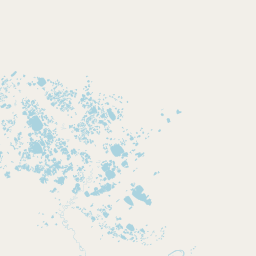
Map view of Vuntut National Park

Use this park location map to pinpoint Vuntut National Park in Canada, understand its exact geographic position, and read its mapped placement within the surrounding landscape more clearly.

Pigeon | © OpenStreetMap contributors

Location context for Vuntut National Park

Yukon
Park atlas

Browse additional remote protected landscapes and Canadian Arctic wilderness regions for geographic comparison.

Explore Other National Parks and Protected Areas Near Vuntut National Park
Continue your atlas exploration by tracing other protected areas in the remote northern Yukon territory and surrounding Canadian Arctic region, offering diverse conservation landscapes. Discover additional national parks and regional protected areas to compare their unique geographic features, ecological significance, and wilderness character near Vuntut National Park.
National parkYukon

Ivvavik National Park: Yukon National Park Protected Landscape and Geography

Explore mapped boundaries and regional context.

Ivvavik National Park is a designated national park within Yukon, representing a significant protected landscape. This page offers a focused exploration of its geographic identity, mapped boundaries, and its place within the broader atlas of Canada's natural areas. Understand Ivvavik National Park as a defined entity contributing to the regional geography and protected land distribution of Yukon.

Area
10,168 km²
Established
1984
IUCN
II
Visitors
179 annual
National parkAlaska

Gates of the Arctic National Park and Preserve: Alaska's Remote Protected Landscape

Explore mapped park boundaries and regional geographic context.

Delve into the protected landscape of Gates of the Arctic National Park and Preserve, a vast national park situated in Alaska. This entry offers a detailed perspective on its geographic setting, focusing on mapped boundaries and its significance as a protected area. Understand the scale and natural context of this remote wilderness for comprehensive atlas-based exploration.

Area
34,287 km²
Established
1978
IUCN
V
Visitors
11.9K annual
National parkAlaska

Denali National Park and Preserve: Detailed Protected Landscape and Map Exploration in Alaska

Explore its mapped boundaries and Alaskan regional geography.

Understand Denali National Park and Preserve as a distinct protected landscape within Alaska's vast geography. This park detail page offers insights into its mapped boundaries, natural terrain, and its contribution to the regional atlas of protected areas. Discover the geographic context that defines this significant national park, providing a foundation for detailed map-based exploration and understanding of its conservation significance.

Area
24,464 km²
Established
1917
IUCN
V
Visitors
427.6K annual
National parkNorthwest Territories

Tuktut Nogait National Park: Northwest Territories Protected Landscape Atlas

Explore its mapped boundaries and regional geography.

Delve into Tuktut Nogait National Park, a protected national park situated within the vast geography of the Northwest Territories. This entry provides a focused view of the park's specific identity, its defined protected area boundaries, and its contribution to the regional landscape atlas. Understanding Tuktut Nogait National Park means grasping its geographic context and its role as a key natural landscape within the broader Canadian protected area network, ideal for detailed map-based study.

Area
18,100 km²
Established
1998
IUCN
II
Visitors
12 annual
National parkAlaska

Wrangell, St. Elias National Park and Preserve: Alaska's Expansive National Park Geography

Mapped protected lands and regional landscape context.

Dive into the detailed geography of Wrangell, St. Elias National Park and Preserve, a prominent national park located in Alaska. This resource focuses on its extensive mapped boundaries and its role as a protected landscape, offering insights valuable for understanding regional geography and the distribution of natural areas.

Area
53,320.6 km²
Established
1980
IUCN
II
Visitors
79.5K annual
National parkNorthwest Arctic Borough

Kobuk Valley National Park: Protected National Park with Regional Geography Context

Explore mapped boundaries and natural terrain within Northwest Arctic Borough.

Kobuk Valley National Park serves as a primary protected landscape within the Northwest Arctic Borough, Alaska. This entry facilitates detailed atlas exploration of its specific geography, mapped protected boundaries, and the natural terrain that defines its character as a designated national park. Understand its place within the broader regional landscape for comprehensive geographic discovery.

Area
7,084.9 km²
Established
1980
IUCN
II
Visitors
17.6K annual
National parkNorthwest Territories

Nááts'ihch'oh National Park Reserve: Mapped Protected Landscape in Northwest Territories

Explore its geographic boundaries and regional context.

Gain a structured understanding of Nááts'ihch'oh National Park Reserve, a significant protected national park within the Northwest Territories. This detail provides context for its geographical placement and the extent of its protected landscape, vital for anyone exploring the region's natural areas through maps and atlas data.

Area
4,850 km²
Established
2014
IUCN
II
Visitors
109 annual
National parkYukon

Kluane National Park and Reserve: Yukon National Park Protected Area and Landscape Geography

Explore mapped boundaries and regional context for this Yukon national park.

Kluane National Park and Reserve represents a vital protected national park within Yukon. This detail page focuses on its geographic identity and mapped features, offering insight into its regional landscape context and its role within the broader Canadian protected areas atlas. Discover the park's specific topography and its location within Yukon.

Area
22,013 km²
Established
1972
IUCN
II
Visitors
47.1K annual

Common questions about visiting, size, designation, and location context for Vuntut National Park

Vuntut National Park FAQs for park facts, access, geography, and protected area context
Find quick answers about Vuntut National Park, including protected-area facts, park geography, trail and visitor context, and how the park fits into its surrounding country and regional landscape.
MoriAtlas Explorer

Continue Your Protected Areas Search Across the Global Atlas

Deepen your exploration by continuing the structured search for national parks and protected areas worldwide. Utilize the comprehensive filtering capabilities to compare different conservation landscapes and refine your understanding of global park geography. Discover more about the distribution and characteristics of protected natural areas.

Global natural geography