Why Ivvavik National Park stands out
Ivvavik National Park is best known for its extraordinary significance as a protected calving ground for the Porcupine caribou herd, one of the largest migratory caribou populations in North America. The park is also renowned for the Firth River, which holds distinction as Canada's oldest river and offers what many consider one of the great wilderness rafting experiences in the world. The remote Arctic landscape provides habitat for Dall sheep at their northernmost extension in Canada, while the coastal marshes and river deltas support remarkable concentrations of wildlife including grizzly bears, wolves, and waterfowl. Ivvavik's status as Canada's first national park established through a modern land claims agreement gives it additional historical and cultural significance within the Canadian park system.
Ivvavik National Park history and protected-area timeline
Ivvavik National Park emerged from the landmark Inuvialuit Final Agreement, a comprehensive land claims settlement negotiated between the Canadian government and the Inuvialuit of the Northern Yukon during the early 1980s. The agreement, signed in 1984, represented a pioneering approach to protected area establishment in Canada, demonstrating how modern land claims processes could incorporate conservation objectives alongside indigenous rights recognition. Initially designated as Northern Yukon National Park upon its creation, the park was renamed Ivvavik in 1992 using a word from the Inuvialuktun language that encapsulates the area's fundamental importance as a nursery or birthplace for wildlife, particularly the Porcupine caribou herd that migrates to the region each spring to give birth. This renaming reflected the Inuvialuit perspective on the land's meaning and purpose. The park's establishment also addressed historical tensions over resource development in the region, particularly concerns about potential oil and gas exploration that had raised worries about impacts on the caribou calving grounds and other ecological values. Gold mining had occurred historically along the Firth River and at Sheep Creek, and the park's creation ended such activities within its boundaries while providing a framework for recognizing the historical relationship between the Inuvialuit people and this Arctic landscape.
Ivvavik National Park landscape and geographic character
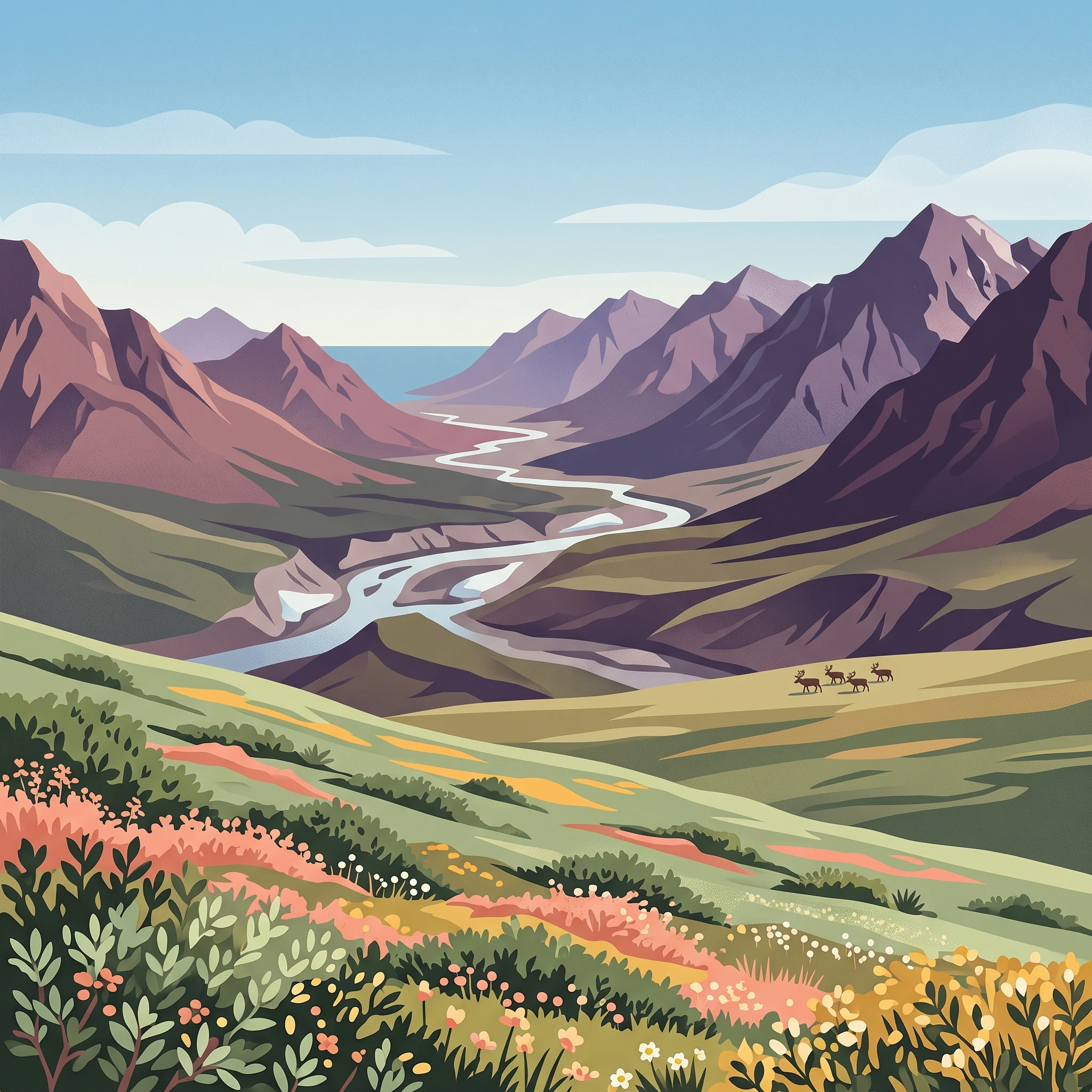
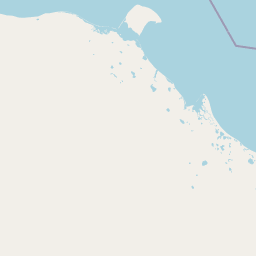
Ivvavik National Park encompasses a dramatic Arctic landscape characterized by the British Mountains, a parallel mountain range that extends east to west along the northern Yukon coast before merging with the Brooks Range in adjacent Alaska. These mountains provide a striking backdrop to the park's diverse terrain, which includes alpine tundra, river valleys, coastal marshes, and delta wetlands where the Firth River meets the Beaufort Sea. The Firth River, flowing north from its headwaters in the British Mountains, represents a remarkable hydrological feature recognized as the oldest river in Canada. The river originates from year-round aufeis formations, which are layered ice accumulations that persist throughout the summer in the river's upper reaches. After descending from the mountains, the Firth River flows through extensive canyon areas before spreading into a broad delta where it enters the Beaufort Sea just west of Herschel Island. The landscape also includes areas of permafrost-affected terrain and the distinctive rocky formations that characterize Arctic tundra environments.
Ivvavik National Park ecosystems, habitats, and plant life
The ecological character of Ivvavik National Park reflects the harsh but biologically significant Arctic tundra environment of northern Yukon. The park protects a portion of the critical calving grounds used by the Porcupine caribou herd, an animal population of profound importance to both ecological function and indigenous cultural continuity in the region. The vegetation across the park consists primarily of tundra plant communities adapted to the short growing season and extreme cold of Arctic conditions. The coastal zone where the Firth River delta meets the Beaufort Sea creates productive wetland habitats that support abundant waterfowl and other wildlife during the brief summer months. The river system itself contains significant populations of Arctic char, with some of the longest stocks of Dolly Varden char in western Canada inhabiting the Firth River. The park's position adjacent to the Arctic National Wildlife Refuge in Alaska creates a transboundary ecological corridor that allows wildlife movements across international boundaries.
Ivvavik National Park wildlife and species highlights
Ivvavik National Park supports a remarkable diversity of Arctic wildlife, with the coastal marshes, river valleys, and mountain terrain providing habitat for numerous species adapted to northern conditions. The park is particularly important for the Porcupine caribou herd, whose spring migration to the area's calving grounds represents one of the most significant wildlife movements in North America. Grizzly bears and black bears roam the park's interior, while the coastal areas provide territory for Yukon wolves. The park supports Dall sheep at their northernmost extension in Canada, particularly in the Sheep Creek area, making this a notable location for observing this species at the edge of its range. Other mammals present include moose, lemmings, muskoxen, and wolverines. The birdlife includes gyrfalcons and numerous waterfowl species that utilize the coastal wetlands during migration. The Firth River holds significant populations of Dolly Varden char, a species of char that supports both ecological function and recreational fishing opportunities within the park.
Ivvavik National Park conservation status and protection priorities
Ivvavik National Park represents a significant conservation achievement in northern Canada, protecting both critical wildlife habitat and a landscape of exceptional wilderness character. The park's establishment through the Inuvialuit Final Agreement set a precedent for collaborative conservation that integrates indigenous knowledge and rights into protected area management. Protecting the calving grounds of the Porcupine caribou herd addresses one of the most pressing conservation needs in Arctic North America, as this herd faces pressures from climate change, development, and other factors affecting its traditional range. The park's extreme remoteness and limited annual visitation contribute to its conservation value by minimizing human disturbance to sensitive wildlife populations and intact ecological processes. The restriction on visitor numbers reflects a management philosophy that prioritizes ecological integrity over recreation access, a distinctive approach within the Canadian national parks system.
Ivvavik National Park cultural meaning and human context
The cultural context of Ivvavik National Park is deeply intertwined with the Inuvialuit people, whose traditional territory encompasses the park and surrounding regions of northern Yukon and the Beaufort Sea coast. The Inuvialuit Final Agreement, which led to the park's creation in 1984, recognized the Inuvialuit's indigenous rights and their historical relationship with the land. The park contains numerous cultural sites of continuing importance to local indigenous communities, reflecting thousands of years of human occupation and use of this Arctic landscape. The choice of the name Ivvavik, meaning nursery or birthplace, represents an indigenous perspective on the land's significance rather than a geographic or administrative designation. This cultural framing emphasizes the living connection between the Inuvialuit people and the wildlife populations, particularly caribou, that have sustained their communities throughout history.
Top sights and standout views in Ivvavik National Park
The Firth River stands as Ivvavik's most celebrated feature, offering wilderness rafting through dramatic canyon landscapes and considered one of the great rivers of the world for this experience. The park provides exceptional wildlife viewing opportunities in a setting of complete Arctic wilderness, with chances to observe grizzly bears, Dall sheep, wolves, and waterfowl in their natural habitat. The Porcupine caribou herd's spring calving creates one of the most remarkable wildlife spectacles in northern North America. The park's extreme remoteness and limited access contribute to an authentic wilderness experience unavailable in more developed protected areas. The Aufeis formations along the Firth River's upper reaches represent a distinctive geological feature rarely accessible to visitors in other regions.
Best time to visit Ivvavik National Park
The brief Arctic summer provides the only practical window for visiting Ivvavik National Park, with the optimal period extending from late June through early August. During this time, temperatures range from cool to mild by Arctic standards, wildlife is more active and visible, and the river conditions permit rafting activities that represent the park's most popular recreational pursuit. The extremely limited precipitation and long summer days characteristic of Arctic regions create favorable conditions for wilderness exploration. Winter visitation is essentially impossible due to the severe cold, darkness, and lack of infrastructure. Access is always by charter aircraft from Inuvik, and visitors must obtain permits for all activities including fishing, with strict catch limits in place to protect the Dolly Varden char populations.