

Mori Atlas logo
National parkNááts'ihch'oh National Park Reserve

Understand the mapped boundaries and geographic context of this protected natural area.

Nááts'ihch'oh National Park Reserve: Northwest Territories Protected Landscape and Atlas Discovery

Nááts'ihch'oh National Park Reserve is a designated national park in the Northwest Territories, Canada, offering a distinct protected landscape for geographic exploration. This entry provides structured details for understanding its mapped boundaries, regional context, and overall atlas significance. Discover the unique geographic identity of this protected area within the broader Northwest Territories landscape.

National Park ReserveNorthwest TerritoriesMackenzie MountainsBoreal ForestAlpine TundraDene Cultural Heritage

Nááts'ihch'oh National Park Reserve

National park

Park overview

Structured park overview, official facts, and landscape profile for Nááts'ihch'oh National Park Reserve

Nááts'ihch'oh National Park Reserve park facts, protected area profile, and essential visitor context
Review the core facts for Nááts'ihch'oh National Park Reserve, including designation, size, terrain, visitor scale, habitats, and operating context in one park-focused overview.

About Nááts'ihch'oh National Park Reserve

Nááts'ihch'oh National Park Reserve represents one of Canada's newest protected areas, established in 2014 to preserve a distinctive portion of the Mackenzie Mountains and the upper South Nahanni River watershed. The reserve lies entirely within the Sahtú Settlement Area, the traditional territory of the Shúhtaot'ine or Mountain Dene people, for whom the area holds profound personal and cultural importance. The landscape is characterized by rugged mountain terrain, deep river valleys, and ecological zones ranging from boreal forest on lower slopes to alpine tundra at higher elevations. The park shares a border with Nahanni National Park Reserve to the south, though the two areas are administered separately, reflecting the different Indigenous land claims and settlement areas involved. The creation of the reserve followed more than a decade of negotiations between the federal government and Sahtu Dene and Métis organizations, addressing both conservation objectives and concern over industrial development in the region. The reserve explicitly prohibits new mining operations while respecting existing mineral claims, balancing ecological protection with established economic interests.

Quick facts and research context for Nááts'ihch'oh National Park Reserve

Nááts'ihch'oh National Park Reserve is located in the Northwest Territories of Canada, encompassing the upper watershed of the South Nahanni River within the Mackenzie Mountains. The reserve was established through federal legislation under the National Parks Act on December 18, 2014, following negotiations with Sahtu Dene and Métis communities. It covers 4,850 square kilometres and is governed by Parks Canada in coordination with local Indigenous land corporations. The nearest community is Tulita, located nearby on the banks of the North Nahanni River. The highest peaks within the reserve reach approximately 2,456 metres, with Nááts'ihch'oh (Mount Wilson) standing at 2,245 metres.

Park context

Deeper park guide and search-rich context for Nááts'ihch'oh National Park Reserve

Nááts'ihch'oh National Park Reserve history, landscape, wildlife, and travel context
Explore Nááts'ihch'oh National Park Reserve through its history, landscape character, ecosystems, wildlife, conservation priorities, cultural context, and seasonal travel timing in a structured park guide built for atlas discovery and search intent.

Why Nááts'ihch'oh National Park Reserve stands out

Nááts'ihch'oh is best known for its namesake mountain, a visually striking peak that the Shúhtaot'ine describe as standing like a porcupine quill, a name carrying deep cultural and spiritual significance. The reserve protects critical habitat for boreal woodland caribou and represents the northernmost Canadian population of Rocky Mountain goats in its montane zones. The South Nahanni River, known as Tehjeh Deé in the Dene language, flows through the park offering paddling opportunities through challenging rock gardens, while the Broken Skull River provides a more accessible alternative route. The landscape combines deep river valleys, alpine tundra, and forested slopes that support diverse wildlife including grizzly bears, wolves, moose, Dall sheep, and numerous smaller mammals.

Nááts'ihch'oh National Park Reserve history and protected-area timeline

The establishment of Nááts'ihch'oh National Park Reserve followed a prolonged negotiation process beginning in the early 2000s. In February 2003, the Government of Canada announced the withdrawal of approximately 7,600 square kilometres of land from industrial development to enable the creation of a protected area. The formal intention to establish a park reserve was announced in April 2008 by Federal Environment Minister John Baird, who characterized the agreement as protecting Canada's North for future generations. Negotiations between the federal government and Sahtu Dene and Métis land corporations focused on developing an impact and benefit plan for the reserve. The region had faced increasing industrial pressure from roads, pipelines, mineral exploration, and oil and gas development, and the Dene and Métis communities sought to ensure their interests were protected while preserving their relationship with the land. Three boundary scenarios were proposed, with mining interests favouring the option that left 70 percent of mineral potential outside the park while retaining substantial habitat protection. In March 2012, federal, Dene, and Métis representatives signed the impact and benefit plan. Prime Minister Stephen Harper visited the area in August 2012 to announce the reserve's boundaries, and the protected area was formally established through legislation passed in December 2014, becoming Canada's eighth national park reserve.

Nááts'ihch'oh National Park Reserve landscape and geographic character

The landscape of Nááts'ihch'oh National Park Reserve is defined by its position within the Mackenzie Mountains, a remote and rugged mountain range in the northwestern Canadian interior. The terrain is dominated by steep-sided valleys carved by the South Nahanni River and its tributaries, with the Broken Skull River merging with the main watercourse within the park boundaries. The highest peaks reach approximately 2,456 metres, with Nááts'ihch'oh (Mount Wilson) standing at 2,245 metres at the northern end of the reserve. This distinctive mountain, from which the park takes its name, features a sharp pointed profile that the Shúhtagot'ine (Slavey language) speakers describe as resembling a porcupine quill. The landscape transitions from boreal forest on lower valley floors through subalpine zones to alpine tundra and rock outcrops at higher elevations. The South Nahanni River flows through the park in a series of rapids and the challenging rock garden section that paddlers can navigate from Moose Ponds (Nááts'ı̨hch'oh Tué) at the river's upper extent.

Nááts'ihch'oh National Park Reserve ecosystems, habitats, and plant life

The ecological character of Nááts'ihch'oh spans multiple biomes typical of the northern Canadian mountain environment. The lower elevations support boreal forest composed of coniferous species adapted to the subarctic climate, while higher slopes give way to alpine tundra and exposed rock. The river valleys provide riparian corridors that differ from the surrounding terrain, offering diverse habitat conditions. The protected area encompasses significant portions of the upper South Nahanni watershed, connecting with the adjacent Nahanni National Park Reserve to create a larger conservation complex. The montane zones contain the northernmost Canadian population of Rocky Mountain goats, a notable ecological distinction. The watershed provides important habitat for species that depend on clean water and intact river systems, supporting the broader ecological function of the region.

Nááts'ihch'oh National Park Reserve wildlife and species highlights

The wildlife of Nááts'ihch'oh includes numerous iconic North American species characteristic of the boreal and mountain environments. Large mammals present include American black bears, grizzly bears, gray wolves, boreal woodland caribou, and moose. The montane areas support Dall sheep and Rocky Mountain goats, with the latter representing the northernmost population of this species in Canada. Smaller mammals found throughout the reserve include Arctic hares, beavers, collared pikas, hoary marmots, muskrats, porcupines, and snowshoe hares. Carnivores in the region include Canada lynx, red fox, American marten, American mink, ermine, and wolverines. North American river otters hunt fish in the riverine habitats. This assemblage of species reflects the ecological diversity of the Mackenzie Mountains region, from valley-bottom riparian zones through forested slopes to alpine areas.

Nááts'ihch'oh National Park Reserve conservation status and protection priorities

Nááts'ihch'oh National Park Reserve contributes to Canada's protected areas network by preserving a significant portion of the upper South Nahanni watershed and associated mountain ecosystems. The reserve was created following extended negotiations that balanced conservation objectives with the region's mineral potential and existing industrial interests. The final boundary configuration protects approximately 70 percent of grizzly bear habitat and 44 percent of woodland caribou summer calving grounds within the park, while leaving 70 percent of the region's mineral potential available for potential future development outside the protected area. The reserve prohibits the opening of new mines but respects existing mineral claims, reflecting a compromise approach to industrial activity. The creation of the park fulfills Canada's commitment to establishing protected areas in the North and works in conjunction with the adjacent Nahanni National Park Reserve to create a larger conservation landscape spanning the South Nahanni watershed.

Nááts'ihch'oh National Park Reserve cultural meaning and human context

Nááts'ihch'oh holds profound cultural significance for the Shúhtaot'ine (Mountain Dene), a Sahtu group of the Tulita District whose traditional territory encompasses the park area. The mountain for which the reserve is named, Nááts'ihch'oh (Mount Wilson), is credited with great powers in Shúhtaot'ine tradition and forms an important part of the cultural landscape. The entire region has been long travelled and valued for hunting and its wealth of natural resources. The park creation process involved negotiations with Sahtu Dene and Métis land corporations established under the Sahtu land claim agreement, resulting in an impact and benefit plan that addresses Indigenous interests in the protected area. The South Nahanni River is known as Tehjeh Deé in the Dene language, reflecting the deep historical connection between the Shúhtaot'ine and this waterway that runs through the heart of the reserve.

Top sights and standout views in Nááts'ihch'oh National Park Reserve

Nááts'ihch'oh National Park Reserve offers paddling opportunities on the South Nahanni River through its renowned rock garden section, accessible from Moose Ponds at the river's upper extent, while the Broken Skull River provides a less technically demanding alternative. The reserve protects habitat for boreal woodland caribou and supports the northernmost population of Rocky Mountain goats in Canada. The sacred mountain Nááts'ihch'oh, with its distinctive porcupine-quill shape, anchors the cultural identity of the reserve and the Shúhtaot'ine people. Visitors can explore deep river valleys, alpine tundra, and diverse ecosystems within the Mackenzie Mountains, adjacent to but separate from the more established Nahanni National Park Reserve.

Best time to visit Nááts'ihch'oh National Park Reserve

The optimal season for visiting Nááts'ihch'oh National Park Reserve aligns with the short subarctic summer, typically from mid-June through September, when conditions are most suitable for backcountry travel and paddling. The summer months offer extended daylight, relatively mild temperatures in the valley bottoms, and snow-free conditions on lower elevation trails. Wildlife viewing opportunities are strongest during this period as animals are more active in the warmer months. Winter visits would require specialized cold-weather equipment and preparation for extreme conditions, while spring and fall transitions feature rapidly changing weather and less predictable access. The remote location and limited infrastructure mean that most visitors plan their trips well in advance, with the peak season concentrating on the warmest weeks of the year.
Park location guide

Geography guide, regional context, and park location map for Nááts'ihch'oh National Park Reserve

Nááts'ihch'oh National Park Reserve park geography, regions, and map view in Canada
Understand where Nááts'ihch'oh National Park Reserve sits in Canada through a broader geographic reading of the surrounding landscape, nearby location context, and its mapped position within the national park landscape.

How Nááts'ihch'oh National Park Reserve fits into Canada

Canada is a federal parliamentary constitutional monarchy spanning North America from the Atlantic to the Pacific and Arctic Oceans. With a population of over 41 million, it is officially bilingual in English and French at the federal level. The country gained independence from the United Kingdom through a gradual process culminating in 1982.

Wider geography shaping Nááts'ihch'oh National Park Reserve in Canada

Canada occupies the northern portion of North America, sharing its longest international border with the United States. The country extends from the Atlantic Ocean to the Pacific Ocean and northward into the Arctic Ocean, giving it the longest coastline of any nation.

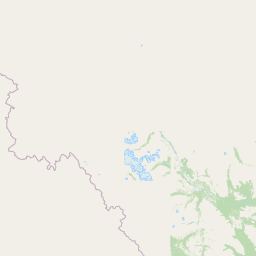
Map view of Nááts'ihch'oh National Park Reserve

Use this park location map to pinpoint Nááts'ihch'oh National Park Reserve in Canada, understand its exact geographic position, and read its mapped placement within the surrounding landscape more clearly.

Pigeon | © OpenStreetMap contributors

Location context for Nááts'ihch'oh National Park Reserve

Northwest Territories
Park atlas

Compare protected areas across the Mackenzie Mountains region, mapping the diverse subarctic landscapes and conservation zones.

Explore Nearby National Parks and Protected Areas Surrounding Nááts'ihch'oh National Park Reserve
Beyond Nááts'ihch'oh National Park Reserve, browse other national parks and protected areas within the vast Mackenzie Mountains and the wider Northwest Territories. This exploration allows for rich geographic comparison, revealing how different protected landscapes connect and contribute to regional conservation efforts.
National parkNorthwest Territories

Nahanni National Park Reserve National Park: Protected Landscape and Geographic Mapping

Explore the mapped terrain and protected area boundaries in Northwest Territories.

Navigate the protected landscape of Nahanni National Park Reserve, a designated national park within the Northwest Territories. This entry provides detailed insight into the park's mapped geographic boundaries and its role as a significant protected area. Understanding its place within the regional atlas allows for a deeper appreciation of its natural terrain and conservation significance, offering factual context for geographic exploration.

Area
30,050 km²
Established
1972
IUCN
II
Visitors
1.1K annual
National parkYukon

Kluane National Park and Reserve: Yukon National Park Protected Area and Landscape Geography

Explore mapped boundaries and regional context for this Yukon national park.

Kluane National Park and Reserve represents a vital protected national park within Yukon. This detail page focuses on its geographic identity and mapped features, offering insight into its regional landscape context and its role within the broader Canadian protected areas atlas. Discover the park's specific topography and its location within Yukon.

Area
22,013 km²
Established
1972
IUCN
II
Visitors
47.1K annual
National parkAlaska

Glacier Bay National Park and Preserve: Alaska National Park Geographic Atlas

Mapped protected area context within Alaska's natural landscapes.

Glacier Bay National Park and Preserve serves as a vital protected landscape in Alaska, offering deep insights into regional geography and park boundaries. This detail page provides an atlas-centric view of the park, focusing on its role as a protected natural area and its unique position within the geographic tapestry of Alaska. Engage with structured data that illuminates the park's mapped terrain and its significance as a conservation landscape.

Area
13,045 km²
Established
1980
IUCN
V
Visitors
545.8K annual
National parkNorthwest Territories

Tuktut Nogait National Park: Northwest Territories Protected Landscape Atlas

Explore its mapped boundaries and regional geography.

Delve into Tuktut Nogait National Park, a protected national park situated within the vast geography of the Northwest Territories. This entry provides a focused view of the park's specific identity, its defined protected area boundaries, and its contribution to the regional landscape atlas. Understanding Tuktut Nogait National Park means grasping its geographic context and its role as a key natural landscape within the broader Canadian protected area network, ideal for detailed map-based study.

Area
18,100 km²
Established
1998
IUCN
II
Visitors
12 annual
National parkAlaska

Wrangell, St. Elias National Park and Preserve: Alaska's Expansive National Park Geography

Mapped protected lands and regional landscape context.

Dive into the detailed geography of Wrangell, St. Elias National Park and Preserve, a prominent national park located in Alaska. This resource focuses on its extensive mapped boundaries and its role as a protected landscape, offering insights valuable for understanding regional geography and the distribution of natural areas.

Area
53,320.6 km²
Established
1980
IUCN
II
Visitors
79.5K annual
National parkYukon

Vuntut National Park: Yukon National Park Protected Area Map Exploration

Understanding its mapped protected boundaries and regional geography.

Delve into the specifics of Vuntut National Park, a designated national park situated within the Yukon region. This detail offers a focused look at its protected landscape identity, providing critical context for its geographic boundaries and role as a mapped natural area. Users can explore the core attributes of Vuntut National Park to enrich their understanding of its contribution to the protected lands atlas and regional geography.

Area
4,345 km²
Established
1995
IUCN
II
Relief
Lowland
National parkNorthwest Territories

Wood Buffalo National Park: Mapped Protected Landscape and Geographic Context

Explore Canada's Wood Buffalo National Park mapped boundaries.

Wood Buffalo National Park serves as a critical protected area, offering a detailed view of its mapped boundaries and regional geographic setting within Northwest Territories. As a national park, it represents a significant natural landscape to explore. This entry provides structured information ideal for understanding the park's specific location and its role in the broader atlas of protected lands.

Area
44,741 km²
Established
1922
IUCN
II
Visitors
2.4K annual
National parkYukon

Ivvavik National Park: Yukon National Park Protected Landscape and Geography

Explore mapped boundaries and regional context.

Ivvavik National Park is a designated national park within Yukon, representing a significant protected landscape. This page offers a focused exploration of its geographic identity, mapped boundaries, and its place within the broader atlas of Canada's natural areas. Understand Ivvavik National Park as a defined entity contributing to the regional geography and protected land distribution of Yukon.

Area
10,168 km²
Established
1984
IUCN
II
Visitors
179 annual

Common questions about visiting, size, designation, and location context for Nááts'ihch'oh National Park Reserve

Nááts'ihch'oh National Park Reserve FAQs for park facts, access, geography, and protected area context
Find quick answers about Nááts'ihch'oh National Park Reserve, including protected-area facts, park geography, trail and visitor context, and how the park fits into its surrounding country and regional landscape.
MoriAtlas Explorer

Continue Your Protected Areas Search Across the Global Atlas

Deepen your exploration by continuing the structured search for national parks and protected areas worldwide. Utilize the comprehensive filtering capabilities to compare different conservation landscapes and refine your understanding of global park geography. Discover more about the distribution and characteristics of protected natural areas.

Global natural geography