

Mori Atlas logo
National parkBendidee National Park

Explore the geographic boundaries and mapped terrain of this Australian national park.

Bendidee National Park: A Protected Landscape within the Goondiwindi Region

Bendidee National Park represents a significant protected area within Australia's natural heritage, situated in the Goondiwindi Region. This detail page offers an atlas-centric view, highlighting the park's mapped geographic boundaries and its role as a distinct protected landscape. Users can explore the context of Bendidee National Park for structured discovery of Australia's conservation lands and regional geography.

National ParkQueenslandBrigalow BeltBelah WoodlandEndangered EcosystemDarling Downs

Bendidee National Park

National park

Park overview

Structured park overview, official facts, and landscape profile for Bendidee National Park

Bendidee National Park park facts, protected area profile, and essential visitor context
Review the core facts for Bendidee National Park, including designation, size, terrain, visitor scale, habitats, and operating context in one park-focused overview.

About Bendidee National Park

Bendidee National Park occupies a modest but significant position among Queensland's protected areas, preserving a vanishing slice of the state's western downs landscape. The park is situated in the Goondiwindi Region, a rural area characterized by broad agricultural plains and scattered remnant vegetation. Its establishment in 1979 reflected growing recognition that the brigalow-belah woodlands of the Brigalow Belt South had suffered catastrophic loss, with much of the original vegetation cleared for grazing and cropping. The park sits within the Macintyre River and Weir River catchments, connecting its conservation role to broader watershed health in the region. Bendidee State Forest provides a contiguous forested buffer to the north, extending the protected habitat corridor through otherwise largely cleared agricultural land. The park's accessibility from Goondiwindi makes it a destination for visitors seeking to experience this increasingly rare ecosystem type, though its small size and remote location mean it remains less visited than larger national parks in Queensland's portfolio.

Quick facts and research context for Bendidee National Park

Bendidee National Park is located in southern Queensland, Australia, near the town of Goondiwindi. The park occupies 9.3 square kilometres of the Brigalow Belt South bioregion, protecting remnant brigalow-belah woodland at an elevation of 245 metres. Established in 1979 and managed by the Queensland Parks and Wildlife Service, the area is recognized for its conservation of critically endangered plant communities. The park supports five rare or threatened species, including the endangered Bull oak jewel butterfly, and provides habitat for approximately 30 amphibian and reptile species along with more than 89 invertebrate species.

Park context

Deeper park guide and search-rich context for Bendidee National Park

Bendidee National Park history, landscape, wildlife, and travel context
Explore Bendidee National Park through its history, landscape character, ecosystems, wildlife, conservation priorities, cultural context, and seasonal travel timing in a structured park guide built for atlas discovery and search intent.

Why Bendidee National Park stands out

Bendidee National Park is best known for protecting one of the last remaining stands of brigalow-belah plant communities in Queensland. This distinctive semi-arid woodland ecosystem, characterized by dense brigalow (Acacia harpophylla) interspersed with belah (Casuarina cristata), has been drastically reduced by pastoral and agricultural development across the Darling Downs region. The park also harbours a remarkable concentration of rare and threatened fauna, particularly the endangered Bull oak jewel butterfly (Hypochrysops piceata), which depends on specific host plants found within the remnant woodland. The park's significance is amplified by its population of the legless lizard (Paradelma orientalis) and Dwyer's Hooded Snake (Parasuta dwyeri), both species with restricted distributions in Queensland's interior.

Bendidee National Park history and protected-area timeline

Bendidee National Park was established in 1979 through the formal declaration of what was then recognized as a significant remaining example of brigalow-belah woodland in Queensland. The creation of the park reflected broader conservation priorities emerging in the 1970s across Australia, as protected area networks expanded to include remnant vegetation in agricultural landscapes. The Brigalow Belt South bioregion, which encompasses the park, had by this time lost the vast majority of its original vegetation cover to pastoral expansion and cropping development. The decision to protect the Bendidee area represented an acknowledgment that even small, isolated remnants held ecological value for biodiversity conservation. The park came under the management authority of the Queensland Parks and Wildlife Service, which continues to administer the protected area and conduct ongoing monitoring of its biodiversity values. The adjacent Bendidee State Forest was retained as state forest, creating a buffer zone that extends the effective conservation area beyond the national park boundary.

Bendidee National Park landscape and geographic character

The landscape of Bendidee National Park reflects the character of the western Darling Downs, an area of gently undulating terrain dominated by fertile clay soils supporting semi-arid woodland. The park's elevation of approximately 245 metres places it within the higher ground of the region, with the terrain supporting the dense, low-growing brigalow-belah communities that define the area's ecological character. The vegetation forms a distinctive semi-open woodland with brigalow trees creating dense, dark green canopy patches interspersed with the lighter, more open stands of belah. The ground layer varies between dense shrubby undergrowth in brigalow dominated areas and more open patches where belah predominates. While the park lacks dramatic topographic features such as mountains or prominent water bodies, its landscape value lies in the integrity of the remnant vegetation and its contrast with the extensively cleared surrounding agricultural land.

Bendidee National Park ecosystems, habitats, and plant life

The ecological significance of Bendidee National Park centres on its preservation of brigalow-belah plant communities that once formed a dominant vegetation type across extensive areas of inland Queensland and New South Wales. The brigalow-belah woodland represents a distinctive semi-arid ecosystem adapted to the seasonal climate of the Darling Downs, with brigalow (Acacia harpophylla) forming dense, almost impenetrable thickets in some areas while belah (Casuarina cristata) creates more open canopy woodland in others. This complex vegetation structure provides diverse microhabitats for wildlife, supporting the rich biodiversity recorded within the park. The Brigalow Belt South bioregion is recognized as a biodiversity hotspot within Australia, with the remnant protected areas like Bendidee serving as critical refuges for species that have been displaced from cleared agricultural lands. The park's position within both the Macintyre River and Weir River catchment areas connects its ecological values to broader landscape-level conservation objectives.

Bendidee National Park wildlife and species highlights

Bendidee National Park supports a notably diverse fauna community relative to its small size, with particular significance attached to the presence of rare and threatened species. The park is home to five rare or threatened species, demonstrating the conservation value of preserving even small remnant vegetation patches within agricultural landscapes. The endangered Bull oak jewel butterfly (Hypochrysops piceata) represents a particular priority species, dependent on specific host plants within the brigalow-belah woodland for its survival. The reptile community includes the legless lizard (Paradelma orientalis) and Dwyer's Hooded Snake (Parasuta dwyeri), both species with limited distributions in Queensland. A total of 30 amphibian and reptile species have been recorded within the park, alongside more than 89 invertebrate species, indicating the ecological complexity of the remnant woodland ecosystem. Bird watching is identified as a permitted activity within the park, reflecting the avian diversity supported by the varied vegetation structure.

Bendidee National Park conservation status and protection priorities

The conservation significance of Bendidee National Park derives primarily from its role in preserving one of the last remaining examples of brigalow-belah woodland in Queensland. This vegetation community is listed as critically endangered in Queensland due to the extensive clearing that has occurred across the Brigalow Belt South bioregion, with estimates suggesting that less than 10% of the original brigalow-belah woodland remains. The park thus serves as a genetic reservoir and habitat refuge for species adapted to this increasingly rare ecosystem type. The presence of multiple threatened species, including the endangered Bull oak jewel butterfly, elevates the park's conservation importance beyond simply protecting vegetation. The park's management by Queensland Parks and Wildlife Service focuses on maintaining the ecological integrity of the remnant communities and monitoring the status of threatened species populations. The connection to adjacent Bendidee State Forest creates a larger contiguous conservation area that enhances the effective habitat available for wildlife persistence.

Bendidee National Park cultural meaning and human context

Bendidee National Park is situated within the traditional lands of the Gamilaraay people, an Aboriginal nation that historically inhabited much of the Darling Downs region in southern Queensland. The broader Goondiwindi area and the Brigalow Belt carry cultural significance for Aboriginal communities, though detailed documentation of specific cultural values associated with the park area is limited in the available source material. The landscape of the Darling Downs has been subject to extensive modification since European settlement, with the brigalow-belah woodlands cleared for pastoral and agricultural use. The park represents a remnant of the pre-colonial landscape that would have supported traditional Aboriginal land management practices. The protected area now serves as a living record of an ecosystem that existed across this region before widespread European modification.

Top sights and standout views in Bendidee National Park

The defining highlight of Bendidee National Park is its role as a conservation refuge for the endangered brigalow-belah woodland ecosystem, one of the most heavily cleared vegetation types in Queensland. Visitors can walk through remnant woodland that represents a snapshot of the pre-colonial Darling Downs landscape, now rare even in protected areas. The park supports the endangered Bull oak jewel butterfly, a visually striking species that depends on the park's intact vegetation communities. Wildlife viewing opportunities include legless lizards, Dwyer's Hooded Snake, and diverse birdlife within a compact and accessible setting. The park provides a serene environment for nature appreciation, bird watching, and walking in a landscape that feels distinctly different from the cleared agricultural country surrounding the reserve.

Best time to visit Bendidee National Park

The best time to visit Bendidee National Park is during the cooler months of autumn and spring in Queensland, from approximately April through May and September through November. During these seasons, daytime temperatures are moderate and comfortable for walking and outdoor activities, while the vegetation remains green and vibrant following seasonal rains. Summer months in the Goondiwindi region can bring intense heat, making outdoor exploration less pleasant and potentially uncomfortable. Winter brings milder days but can result in cool nights, though this season still offers good conditions for visiting. The park can be visited year-round for those interested in experiencing its ecological values, though the shoulder seasons provide the most comfortable conditions for extended walking and wildlife observation.
Park location guide

Geography guide, regional context, and park location map for Bendidee National Park

Bendidee National Park park geography, regions, and map view in Australia
Understand where Bendidee National Park sits in Australia through a broader geographic reading of the surrounding landscape, nearby location context, and its mapped position within the national park landscape.

How Bendidee National Park fits into Australia

Australia is a constitutional monarchy and federal parliamentary democracy comprising six states and ten territories. With a population of nearly 28 million, it is one of the world's most urbanised countries, with most people concentrated on the eastern seaboard. The country has a high Human Development Index and is known for its cultural diversity, ancient Aboriginal heritage, and unique wildlife.

Wider geography shaping Bendidee National Park in Australia

Australia occupies the entire Australian continent, the island of Tasmania, and numerous smaller islands. It is the world's flattest and driest inhabited continent, featuring vast deserts in the interior (the Outback), tropical rainforests along the eastern coast, and a coastline bordering the Indian and Pacific Oceans.

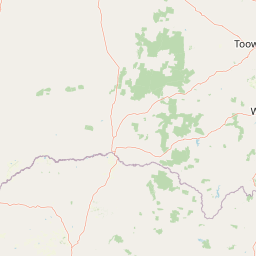
Map view of Bendidee National Park

Use this park location map to pinpoint Bendidee National Park in Australia, understand its exact geographic position, and read its mapped placement within the surrounding landscape more clearly.

Pigeon | © OpenStreetMap contributors

Location context for Bendidee National Park

Goondiwindi RegionQueensland
Park atlas

Compare protected landscapes in the Brigalow Belt South bioregion and the wider Darling Downs, mapping regional park spread.

Explore Other National Parks and Protected Areas Near Bendidee National Park, Queensland
Continue your atlas exploration from Bendidee National Park by browsing other national parks and protected areas within Queensland's Brigalow Belt South bioregion. Discover adjacent conservation landscapes, compare their ecological significance, and map the spread of remnant semi-arid woodlands across the Darling Downs region.
National parkQueensland

Wondul Range National Park: Queensland Protected Area and Landscape Mapping

Discover the geographic context and mapped boundaries.

Wondul Range National Park offers a unique protected landscape within Queensland, Australia, serving as a key point for geographic and atlas-based exploration. Delve into its specific regional context, understand its mapped park boundaries, and appreciate its role as a designated national park. This entry provides detailed insights into its natural geography and protected-area significance for comprehensive landscape discovery.

Area
35.55 km²
Established
1992
IUCN
II
Scope
Terrestrial
National parkQueensland

Southwood National Park: Queensland Protected Area and National Park Atlas Entry

Mapped protected landscape and regional geographic context for Southwood National Park.

Southwood National Park serves as a vital component of Queensland's protected lands network, offering a focused view for atlas exploration. Users can examine its specific mapped boundaries and understand its role within the broader geographic context of northeastern Australia. This detailed entry supports structured discovery of the park's natural landscape and its significance as a national park.

Area
71.2 km²
Established
1970
Relief
Lowland
Climate
Arid
Watercolor painting of a river flowing between rocky cliffs with forest in the background
National parkNew South Wales

Kwiambal National Park: New South Wales National Park with Granite Landscapes and River Confluence

Explore the dramatic scenery of MacIntyre Falls and surrounding protected terrain.

Kwiambal National Park is a significant protected area in New South Wales, Australia, celebrated for its unique granite outcrops and the spectacular confluence of the Severn and Macintyre Rivers at MacIntyre Falls. This national park provides a clear example of regional protected landscape identity, offering valuable context for atlas-driven discovery of Australia's natural geography and mapped terrain. The park's distinctive features contribute to its importance as a conservation reserve within the New England region.

Area
65.17 km²
Established
2000
IUCN
II
Scope
Terrestrial
National parkQueensland

Alton National Park: Discover Protected Landscape and Geographic Setting in Queensland

Explore the mapped boundaries and regional context of this national park.

Alton National Park is a key protected natural landscape within Queensland, Australia. This dedicated page focuses on its identity as a national park, providing clear geographic context and mapped outlines. Explore how Alton National Park contributes to the protected areas of northeastern Australia, offering valuable insights for atlas-based discovery of diverse terrains and conservation landscapes.

Area
5.58 km²
Established
1973
IUCN
II
Relief
Lowland
National parkSouthern Downs Region

Sundown National Park: National Park with Mapped Protected Boundaries

Southern Downs Region's Protected Landscape Geography

Investigate Sundown National Park, a designated national park in Australia's Southern Downs Region. This resource details its protected landscape identity and geographic setting, offering precise information on its mapped boundaries and regional context for atlas exploration and understanding its conservation value.

Area
160 km²
Established
1977
IUCN
II
Relief
Mountain
National parkQueensland

Erringibba National Park National Park: A Protected Landscape in Queensland's Atlas

Mapped boundaries and regional geographic context for this protected area.

Erringibba National Park, designated as a national park in Queensland, Australia, offers specific insights into protected landscapes and their geographic significance. This entry focuses on understanding the park's mapped features and its contribution to the regional atlas. Users can explore its identity as a protected area, providing a foundation for comprehending its natural landscape within the broader context of Queensland's diverse geography. This is essential for anyone seeking detailed geographic context on Australia's protected natural areas.

Area
8.77 km²
Established
1999
IUCN
II
Relief
Lowland
National parkQueensland

Girraween National Park: Queensland's Protected National Park Landscape for Atlas Exploration

Mapped geography and protected natural terrain.

Delve into Girraween National Park, a significant protected national park located in Queensland, Australia. This detailed entry provides essential information for understanding its geographic features, mapped boundaries, and the unique natural landscape it preserves. Discover how Girraween National Park fits into the wider Australian atlas and explore its specific regional geography and protected land context.

Area
117 km²
Established
1966
IUCN
II
Relief
Mountain
National parkNew South Wales

Maryland National Park: A Detailed Map and Protected Landscape Overview

Explore the geography and mapped boundaries of this national park.

Maryland National Park represents a distinct protected area within New South Wales, Australia, offering rich geographic context for exploration. This page details its role as a national park, focusing on its mapped terrain, landscape character, and position within the regional geography. Users seeking to understand the park's protected boundaries and natural setting will find valuable atlas-style information here, providing a concrete foundation for further geographic study.

Area
9 km²
Established
1999
IUCN
Ia
Relief
Upland

Common questions about visiting, size, designation, and location context for Bendidee National Park

Bendidee National Park FAQs for park facts, access, geography, and protected area context
Find quick answers about Bendidee National Park, including protected-area facts, park geography, trail and visitor context, and how the park fits into its surrounding country and regional landscape.
MoriAtlas Explorer

Continue Your Protected Areas Search Across the Global Atlas

Deepen your exploration by continuing the structured search for national parks and protected areas worldwide. Utilize the comprehensive filtering capabilities to compare different conservation landscapes and refine your understanding of global park geography. Discover more about the distribution and characteristics of protected natural areas.

Global natural geography