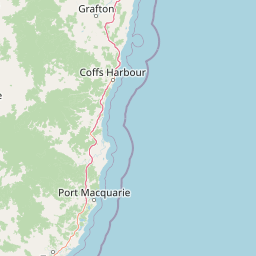
Why Biriwal Bulga National Park stands out
Biriwal Bulga is particularly known for its substantial koala population, with an estimated 500 to 1,000 individuals inhabiting the region. The park protects important habitat for several vulnerable species including the powerful owl, glossy black cockatoo, spotted-tailed quoll, yellow-bellied glider, and long-nosed potoroo. The area contains one of the few rainforest remnants on the Bulga Plateau within the Weelah Nature Reserve in the southeast. The park's remote character and lack of visitor facilities contribute to its significance as a conservation area where native wildlife can thrive with minimal human disturbance.
Biriwal Bulga National Park history and protected-area timeline
The Birpai and Biripi peoples have maintained continuous connection to the lands now comprising Biriwal Bulga National Park for over 15,000 years, with archaeological evidence including campsites and artifacts demonstrating long-term habitation. European exploration of the surrounding areas occurred in the 1800s following settlement, though discoveries within the actual park boundaries did not begin until 1982, marking Biriwal Bulga as one of the later-discovered national parks in the Port Macquarie region. During the early 1900s, the area functioned as Bulga State Forest, with extensive timber harvesting and logging operations conducted throughout the region. A pine plantation was established within what is now the national park during this period of active logging. In 1990, the State government implemented a moratorium on further timber harvesting to protect the remaining ecosystem, paving the way for the area's formal designation as a conservation national park in 1999. This transition from production forest to protected area represents a significant conservation outcome for the region.
Biriwal Bulga National Park landscape and geographic character
The terrain of Biriwal Bulga National Park consists primarily of dissected foothills on the northern edge of the Bulga Plateau, creating an undulating landscape characterized by ridges, valleys, and steep slopes. Elevations within the park range from 130 metres in the lower valleys to 670 metres at the higher points, with the variation in topography contributing to diverse microclimates and habitat conditions. The underlying geology consists predominantly of mudstone and shale, which influence soil characteristics and drainage patterns throughout the area. Soil depth varies considerably depending on slope position, with shallower soils on steeper terrain and deeper accumulated soils in valley floors. The high annual rainfall of 1,300 to 1,600 millimetres, while supporting lush vegetation, also creates potential erosion risks where vegetation cover has been disturbed. Two main water catchments, Green Gully Creek and Big Creek, drain rainfall through the park and ultimately into the Hastings River system, with the Doyles River forming part of the southeastern park boundary.
Biriwal Bulga National Park ecosystems, habitats, and plant life
Biriwal Bulga supports a range of vegetation communities dominated by dry sclerophyll forests, which have largely recovered following the cessation of logging in the 1950s. The park contains significant biodiversity, with sixteen distinct plant types recorded within its boundaries. A notable ecological feature is the Weelah Nature Reserve in the southeast, which preserves one of the few remaining rainforest patches on the Bulga Plateau. This small 37-hectare reserve represents an important refugium for moisture-dependent species and contributes to the park's potential World Heritage value. The combination of wet sclerophyll communities, dry sclerophyll forests, and rainforest patches creates a mosaic of habitats that supports diverse flora and fauna. The park's position within the Gondwana Rainforests World Heritage Area nomination reflects its significance as an intact representative of ancient Australian forest ecosystems.
Biriwal Bulga National Park wildlife and species highlights
The park supports at least seventy-four recorded fauna species, with the koala being particularly notable given the estimated population of 500 to 1,000 individuals throughout the broader Biriwal Bulga region. Several subspecies of koalas interact with the park's vegetation communities, regularly moving between the protected area and neighbouring regions. The park provides habitat for numerous vulnerable species identified by NSW National Parks and Wildlife Service, including the powerful owl, glossy black cockatoo, fruit doves, spotted-tailed quoll, brush-tailed phascogale, yellow-bellied glider, long-nosed potoroo, and large bent-wing bat. The escarpment terrain within the park creates diverse habitats that support this fauna diversity. However, the park faces challenges from introduced predators including wild dogs and dingoes that particularly threaten the koala population, as well as foxes, pigs, and feral cats that impact both wildlife and catchment health.
Biriwal Bulga National Park conservation status and protection priorities
Biriwal Bulga National Park is recognized as a significant conservation area for koalas, with the terrain and relatively undisturbed environment providing stable habitat for population growth. The park's lack of visitor facilities and remote location have contributed to its conservation value by minimizing human disturbance to wildlife. Management plans developed by NSW National Parks and Wildlife Service include specific conservation regions designated for koala protection, strategies to limit the spread of pest species and noxious weeds, and fire management protocols to protect the wet sclerophyll communities and rainforest areas from regular burning. The park's identification as a potential addition to the Central Eastern Rainforest Reserves of Australia World Heritage Area reflects its conservation significance at an international level. Nine Indigenous heritage sites within the park require ongoing consultation with Biripi people for any conservation planning activities.
Biriwal Bulga National Park cultural meaning and human context
The name Biriwal Bulga derives from the Indigenous Birpai or Biripi people, whose traditional Country encompasses the park and surrounding plateau regions. These communities have maintained connection to the land for over 15,000 years, with archaeological evidence including campsites and artifacts demonstrating continuous habitation. The local Biripi people speak the Birpai language, with adjacent communities speaking Worimi languages. Estimates suggest that historically between 800 and 1,000 Indigenous Australians may have inhabited the national park and surrounding regions, dispersed throughout the land in smaller clan groups with the Winmurra people being most prominent. Currently, nine sites within the park are formally recognized as significant to local Indigenous communities, with two additional potentially significant sites under investigation. Any conservation planning within the park requires direct consultation with Biripi people to ensure the protection of Aboriginal heritage.
Top sights and standout views in Biriwal Bulga National Park
Biriwal Bulga offers visitors a remote wilderness experience characterized by intact forest ecosystems, significant Indigenous heritage, and substantial wildlife populations. The park provides particularly strong habitat for koalas, with the relative lack of human activity allowing these iconic marsupials to live relatively undisturbed. The small Weelah Nature Reserve preserves valuable rainforest habitat that represents one of the few such communities on the Bulga plateau. The park's elevation range and diverse terrain create varied scenic qualities, while the high rainfall supports lush vegetation throughout much of the area. Visitors seeking solitude and genuine wilderness will find the park's remote location and lack of facilities aligned with their interests, though the adjacent Ellenborough Falls and Tapin Tops National Park offer more developed visitor experiences nearby.
Best time to visit Biriwal Bulga National Park
The park can be visited throughout the year, though the high rainfall of 1,300 to 1,600 millimetres annually means that conditions can be wet and muddy at any time. Summer months in the Australian bushland bring warmer temperatures and increased fire risk, with the park affected by the significant 2019-2020 bushfire season that burned from mid-December to mid-January. Winter months typically offer cooler temperatures and clearer conditions for exploring the plateau, though access for two-wheel drive vehicles remains limited regardless of season. Visitors planning to explore the park should be prepared for remote conditions with no facilities or marked tracks within the park boundaries, and should carry sufficient supplies for self-reliance. The lack of visitor infrastructure means that the experience is suited to those comfortable with backcountry travel.