Why Boorabbin National Park stands out
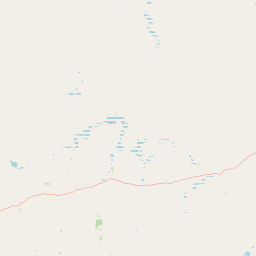
Boorabbin National Park is best known for its unique sand plateau landscape, one of the oldest and most distinctive landforms in Western Australia's wheatbelt and goldfields region. The park preserves extensive kwongan heath communities, a vegetation type characterised by extraordinary species diversity despite growing in heavily leached, nutrient-poor sands. The plateau supports two restricted plant species, Philotheca pachyphylla and Philotheca coccinea, found only in this area. The park is also noted for its wildflower displays, the presence of samphire communities around salt lakes, and the dramatic contrast between the sandy plateau and the surrounding semi-arid terrain.
Boorabbin National Park history and protected-area timeline
Boorabbin National Park was established in 1977, formalising protection for the distinctive sand plateau landscape in Western Australia's eastern goldfields. The park takes its name from the Aboriginal rock formation at the park's edge and the historic Boorabbin settlement, which was founded in 1898 during the gold rush era that transformed the region. The settlement served as a temporary mining camp and railway staging point before eventually being abandoned. In December 2007, a major bushfire swept through the park, tragically resulting in the deaths of three truck drivers who became trapped while attempting to escape along the Great Eastern Highway. The fire burnt more than 7,500 hectares of the park and surrounding crown land before being contained after two weeks. A coronial inquiry later found that extreme incompetence by the Department of Environment and Conservation had contributed to the deaths. A memorial garden and shelter was established near the old town site in 2010 to honour those who lost their lives.
Boorabbin National Park landscape and geographic character
The landscape of Boorabbin National Park is dominated by a prominent sand plateau that rises above the surrounding semi-arid goldfields terrain. The plateau is characterised by deep sand deposits that were laid down over 50 million years ago during a period of geological stability. These sands have subsequently undergone extensive weathering and leaching, removing nutrients and creating the acidic, infertile conditions that define the current environment. The erosion that shaped this distinctive landform continues today, though at a reduced rate compared to historical periods when the landscape experienced greater degradation. The park's sand sheet terrain supports characteristic vegetation communities that are specifically adapted to these challenging conditions, with the plateau maintaining its own designated vegetation system recognised for its ecological uniqueness.
Boorabbin National Park ecosystems, habitats, and plant life
The ecological character of Boorabbin National Park is defined by its ancient sand plateau and the specialised plant communities that have evolved to thrive in its nutrient-poor environment. The park supports three primary vegetation types: kwongan heaths, woodlands and mallee shrublands, each adapted to different depths and conditions of the sandy substrate. Kwongan heath represents the most diverse community, characterised by dense, low shrubs and extraordinary plant species richness. The park also contains samphire communities around salt lakes and distinctive grasstrees. The vegetation includes numerous species of banksia, acacia, hakea, sandalwood, melaleuca and grasstree. Two restricted endemic species, Philotheca pachyphylla and Philotheca coccinea, occur only within the heathland of this plateau system.
Boorabbin National Park wildlife and species highlights
Fauna surveys conducted within Boorabbin National Park have documented a diverse mammalian fauna comprising seventeen native species. These include small marsupials such as the wongai ningaui, various dunnart species and bush rats. The reptile fauna is particularly rich, with fifty-two species recorded within the park, including a diverse array of dragon lizards. The park also supports fifty-one bird species and four amphibian species, representing a notable diversity for this semi-arid region. This collection of fauna, combined with the specialised plant communities, demonstrates the ecological significance of the sand plateau habitat.
Boorabbin National Park conservation status and protection priorities
Boorabbin National Park plays an important role in conserving the unique sand plateau ecosystems of Western Australia's eastern goldfields. The park protects the only designated plateau vegetation system in the region, preserving plant communities that have adapted to ancient, nutrient-poor sands over millions of years. The presence of restricted endemic species, including Philotheca pachyphylla and Philotheca coccinea, adds particular conservation significance to the area. The diverse fauna assemblages, including seventeen mammal species and over fifty reptile species, further demonstrate the ecological value of protecting this landscape.
Boorabbin National Park cultural meaning and human context
The park's name derives from Aboriginal heritage, specifically from a rock formation at the park's edge that held significance in local indigenous culture. The area is also connected to the historic Boorabbin settlement, a short-lived mining and railway camp established in 1898 during the gold rush period that transformed the Eastern Goldfields region. The tragic 2007 bushfire and its aftermath have added a contemporary layer to the site's cultural memory, with the memorial garden and shelter providing a place of commemoration for those who died in the event.
Top sights and standout views in Boorabbin National Park
The ancient sand plateau with deposits exceeding 50 million years represents one of the park's most significant geological features, offering a window into the long environmental history of the Western Australian landscape. The kwongan heath communities support exceptional plant diversity in an environment few would expect to be productive. The park provides habitat for seventeen native mammal species, fifty-two reptile species and fifty-one bird species. The 2007 bushfire memorial honours both the natural landscape and those who perished in one of the region's more recent historical events.
Best time to visit Boorabbin National Park
The cooler months from late autumn through winter into early spring, roughly May through September, offer the most comfortable conditions for exploring Boorabbin National Park. During this period, temperatures are moderate and wildflower displays may appear following seasonal rains. The summer months can bring extreme heat and the risk of bushfires, as demonstrated by the significant 2007 fire event. Spring often brings flowering to the kwongan heaths and mallee communities, though conditions can vary significantly from year to year depending on rainfall patterns.