Why Bouba Njida National Park stands out
Bouba Njida National Park is best known for its remarkable large mammal populations, particularly the endangered painted hunting dog and significant savannah elephant herds. The park hosts one of the highest concentrations of antelope species in Central Africa, with 23 distinct species recorded. Its conservation significance is amplified by the presence of viable populations of painted hunting dogs, a critically endangered canid species with only approximately 60 individuals remaining in all of Cameroon. The park also gained notoriety in 2012 when heavily armed poachers from Chad and Sudan killed approximately 200 elephants, representing more than half of the park's elephant population.
Bouba Njida National Park history and protected-area timeline
Bouba Njida National Park traces its origins to the colonial period in Central Africa, when the area was first protected as a reserve in 1932 under French colonial administration. This early establishment reflects the recognition by colonial authorities of the region extraordinary wildlife populations and the need to prevent unsustainable exploitation. The reserve remained under various designations through the mid-twentieth century, maintaining protection despite limited enforcement capacity. In 1980, the protected area was elevated to national park status, granting it stronger legal protections and institutional support under Cameroon national conservation framework. The park has since faced significant conservation challenges, most notably a devastating poaching event in 2012 when heavily armed poachers from Chad and Sudan mounted a coordinated attack on the park elephant population. This incident resulted in the deaths of approximately 200 savannah elephants, wiping out more than half of the park elephant herds and representing one of the most significant poaching losses in Central African history.
Bouba Njida National Park landscape and geographic character
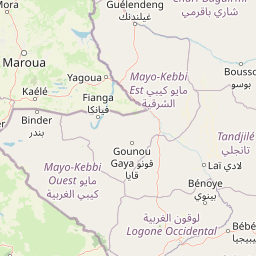
Bouba Njida National Park occupies a landscape of gently rolling savannah and forest mosaic in northern Cameroon. The terrain varies in elevation from approximately 251 meters to 864 meters above sea level, creating a relatively flat to undulating landscape typical of the Central African savanna zone. The park receives an average annual rainfall of about 1,082 millimeters, with precipitation concentrated during a distinct wet season that shapes the vegetation patterns throughout the protected area. The vegetation consists primarily of savannah forest, with areas of dense woodland alternating with more open grassland. This mosaic landscape provides diverse habitat niches for the park wildlife, from forest-dwelling species to those preferring more open savannah environments.
Bouba Njida National Park ecosystems, habitats, and plant life
The ecological character of Bouba Njida National Park is defined by its savannah forest ecosystem, which supports exceptional biodiversity despite ongoing conservation challenges. The park lies within the Central African savanna zone, where the mix of woodland and grassland creates productive habitat for numerous species. The protected area has been recognized for its particularly high antelope diversity, with 23 antelope species recorded within its boundaries representing one of the most diverse antelope communities in any protected area in the region. The savannah forest habitat supports both forest-dependent and savanna-adapted species, creating ecological diversity within a relatively compact protected area. The parks vegetation communities are shaped by the seasonal rainfall patterns and the underlying geology, with different areas supporting distinct plant assemblages that in turn sustain different wildlife communities.
Bouba Njida National Park wildlife and species highlights
Bouba Njida National Park is distinguished by its remarkable wildlife populations, particularly large mammals that have declined dramatically across much of Central Africa. The park hosts 23 antelope species, an extraordinary diversity that includes both forest-dwelling and savanna-adapted antelopes. Perhaps most significant is the parks population of painted hunting dogs, Lycaon pictus, a critically endangered canid species that has been largely eliminated from most of its historic range in Cameroon. By the year 2000, only approximately 60 painted hunting dogs remained in all of Cameroon, with Bouba Njida identified as one of only three national parks supporting remaining populations. Savannah elephants historically occurred in significant numbers within the park, though the 2012 poaching massacre eliminated more than half of the population. The park also supports other notable species including various predators and herbivores typical of the Central African savanna.
Bouba Njida National Park conservation status and protection priorities
Bouba Njida National Park holds significant conservation importance as one of Cameroons key protected areas for large mammal conservation. The parks designation as IUCN Category II reflects its primary mandate of protecting natural ecosystems and biodiversity. The protected area provides essential habitat for several threatened species, most notably the painted hunting dog which is considered critically endangered by the IUCN Red List. The parks elephant population, while severely impacted by the 2012 poaching incident, remains important for regional conservation given the decline of savannah elephants across Central Africa. The parks location near international borders creates both challenges and opportunities for conservation, as wildlife populations extend across political boundaries and face pressure from poaching networks operating across multiple countries. The 2012 tragedy, in which armed poachers from Chad and Sudan killed approximately 200 elephants, highlighted both the vulnerability of Cameroon wildlife and the need for enhanced anti-poaching efforts.
Top sights and standout views in Bouba Njida National Park
Bouba Njida National Park stands out as a savanna wilderness protecting one of Central Africa last significant populations of painted hunting dogs. The park extraordinary antelope diversity, with 23 species recorded, makes it a remarkable destination for wildlife viewing. Its elephant population, though devastated by poaching in 2012, remains a major attraction. The parks history as a colonial-era reserve established in 1932 gives it historical significance within Cameroon conservation framework. The combination of savannah forest habitat, large mammal populations, and critical endangered species makes Bouba Njida one of the most conservation-significant protected areas in Cameroon.
Best time to visit Bouba Njida National Park
The optimal time to visit Bouba Njida National Park corresponds with the dry season, typically from November to April, when wildlife concentrates around remaining water sources and vegetation is less dense, improving visibility for game viewing. The wet season from May to October brings heavier vegetation and more difficult conditions for wildlife observation, though the landscape becomes lush and bird activity increases. The dry season months offer the most reliable wildlife viewing opportunities, though visitors should be aware that the park has faced significant conservation challenges and access may be restricted. Dry season conditions also make roads more accessible for overland travel within the park.