Why Burrum Coast National Park stands out
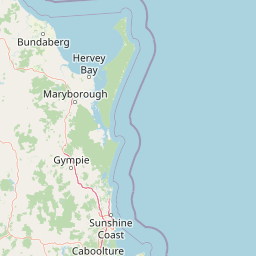
Burrum Coast National Park is best known for its extensive coastal floodplain and wetland systems that create a rich habitat mosaic across the low-lying Queensland coast. The park protects a wide diversity of plant and animal species within its boundaries, representing one of the more ecologically significant coastal protected areas in the region. Its network of wetlands, woodlands, and shoreline habitats supports numerous bird species, reptiles, and mammals, making it a notable location for wildlife observation in a coastal setting. The park's proximity to both Bundaberg and Hervey Bay contributes to its regional significance as a conservation area and natural asset.
Burrum Coast National Park history and protected-area timeline
Burrum Coast National Park was established in 1995 through the formal amalgamation of three previously separate protected areas: Kinkuna National Park, Woodgate National Park, and Burrum River National Park. This consolidation reflected a growing understanding within Queensland's conservation management that fragmented protected areas often fail to adequately protect ecological processes and wildlife corridors that span multiple land parcels. The three predecessor parks had been designated at different times throughout the late twentieth century as recognition grew that Queensland's coastal environments required dedicated protection. Combining these areas into a single national park created a more coherent conservation unit capable of supporting broader ecological functions and providing more effective management outcomes. The Queensland Parks and Wildlife Service assumed responsibility for managing the consolidated park, bringing together staff and resources that had previously been distributed across three separate administrative units.
Burrum Coast National Park landscape and geographic character
The landscape of Burrum Coast National Park is defined by its coastal floodplain setting, with terrain that barely rises above sea level across the majority of its extent. The average elevation of 17 metres creates a flat to gently undulating landscape characterized by wetlands, woodlands, and open plains that extend toward the shoreline. This low-lying topography results in poorly drained soils that support extensive wetland systems during wet periods. The coastal position means that tidal influences extend inland through creek systems, creating estuarine conditions in lower reaches. Vegetation patterns across the park reflect the subtle variations in elevation and moisture, ranging from taller woodlands on slightly higher ground to dense wetland vegetation in depressions and along watercourses. The park's proximity to the Coral Sea coastline provides a maritime influence on the local climate and supports species that rely on coastal habitats.
Burrum Coast National Park ecosystems, habitats, and plant life
The nature of Burrum Coast National Park revolves around its coastal wetland and woodland ecosystems that thrive in the low-lying, moisture-laden environment. The park protects a wide diversity of plant and animal species, with particular significance attached to the wetland communities that provide critical habitat for waterbirds and aquatic species. The floodplain environment supports woodland complexes dominated by species adapted to periodic inundation, creating a mosaic of habitats that changes with seasonal water level fluctuations. Coastal dune systems and shoreline vegetation add further ecological variety to the park's character. These diverse habitats collectively support populations of both common and regionally significant species, making the park an important component of Queensland's coastal conservation estate. The interplay between terrestrial and aquatic systems creates dynamic ecological conditions that support high biological productivity.
Burrum Coast National Park wildlife and species highlights
Burrum Coast National Park supports a wide diversity of wildlife species that inhabit its various coastal and wetland environments. The extensive wetland systems provide crucial habitat for numerous bird species, including both resident waterbirds and migratory species that visit the region seasonally. The woodland and forest areas shelter a range of terrestrial birds, mammals, and reptiles that depend on the park's protected status for their continued survival. Mammal species present in the park include various marsupials adapted to the coastal woodland environment. Reptiles, including snakes and lizards, utilise both the wetland margins and drier woodland areas within the park. The estuarine zones where fresh and saltwater mix support fish and crustacean populations that form an important component of the park's ecological web.
Burrum Coast National Park conservation status and protection priorities
Burrum Coast National Park represents an important conservation outcome for Queensland's coastal environments, protecting a significant area of low-lying coastal terrain that might otherwise have been converted to agriculture or urban development. The park's protected status ensures the preservation of coastal wetland ecosystems that provide valuable services including water filtration, flood mitigation, and carbon storage. These wetland systems also serve as important refuges for wildlife, supporting populations of species that have declined across much of Queensland's developed coastal plain. The consolidation of three former parks into a single protected area enhanced conservation outcomes by creating a larger, more connected habitat complex capable of supporting ecological processes across broader spatial scales. The national park designation provides formal recognition of the area's ecological significance and ensures ongoing management focused on preserving natural values.
Burrum Coast National Park cultural meaning and human context
Burrum Coast National Park lies within the traditional country of Aboriginal peoples who have long connections to the coastal environments of the Bundaberg and Fraser Coast regions. The wetlands, woodlands, and shoreline areas provided traditional food resources and other cultural values for Indigenous communities over many generations. While the park's primary designation focuses on nature conservation, the cultural heritage values of the landscape remain part of its broader significance within the region.
Top sights and standout views in Burrum Coast National Park
The standout features of Burrum Coast National Park include its extensive coastal floodplain wetlands, diverse birdlife, and the opportunity to experience a preserved Queensland coastal environment relatively close to major population centres. The park's boardwalk facilities, particularly at Woodgate, allow visitors to explore wetland environments and observe wildlife from accessible infrastructure. The combination of coastal, wetland, and woodland habitats within a single protected area creates opportunities for varied nature-based experiences across different environments. The park's role in protecting Queensland's coastal biodiversity makes it a significant destination for those interested in understanding the state's natural heritage.
Best time to visit Burrum Coast National Park
The best time to visit Burrum Coast National Park is during the cooler months from autumn through to spring, when temperatures are more comfortable for outdoor exploration and wildlife activity remains high across the park's various habitats. The dry season typically brings lower humidity and more predictable weather conditions that facilitate sightseeing and nature observation. Wetland areas tend to concentrate wildlife during the dry season as water sources become more limited outside the protected area, improving viewing opportunities. Summer months bring warmer temperatures and increased rainfall that can affect access to some areas and make outdoor activities less comfortable, though the wetland systems are at their most vibrant during this period. Visitors planning activities should check current conditions with the Queensland Parks and Wildlife Service before traveling.