Why Chiribiquete National Park stands out
Chiribiquete is best known for two extraordinary attributes that make it globally significant. First, it is the world's largest tropical rainforest national park, protecting a vast contiguous expanse of Amazon ecosystem that serves as a critical buffer against deforestation and habitat fragmentation in northern South America. Second, and equally remarkable, is the park's extraordinary archaeological heritage. The Serranía de Chiribiquete contains one of the largest concentrations of pre-Columbian rock art in the Americas, with more than 600,000 traces comprising approximately 20,000 distinct petroglyphs and pictographs distributed throughout the mountain chain. These rock paintings, depicting human figures, animals, and geometric patterns, represent a cultural legacy spanning potentially 20,000 years of human occupation, with artistic production continuing until the 16th century.
Chiribiquete National Park history and protected-area timeline
The human history of Chiribiquete stretches back thousands of years, as evidenced by the extensive rock art distributed throughout the mountain chain. Archaeological investigations suggest that some of the rock paintings may date as far back as 20,000 years before present, making them among the oldest surviving artistic expressions in the Americas. The tradition of creating petroglyphs and pictographs continued through millennia of indigenous occupation, with the most recent evidence suggesting artistic activity persisted until the arrival of European colonizers in the 16th century. The first scientific documentation of these rock art traditions came in the 1940s when the renowned American botanist Richard Evans Schultes, conducting research in the Colombian Amazon, recorded the existence of the paintings on the vertical rock faces of the Serranía. Subsequent scholarly investigations, notably those carried out by Thomas van der Hammen, helped to expand understanding of the site's archaeological significance. In more recent times, the rock art has attracted international attention through the efforts of British wildlife filmmaker Mike Slee and Colombian photographer and explorer Francisco Forero Bonell, who photographed and filmed the paintings in 2014. Their work contributed to broader public awareness of the site, which was featured in the acclaimed 2015 documentary 'Colombia, magia salvaje.' The establishment and subsequent expansion of the national park reflects growing recognition of the need to protect both the natural environment and these irreplaceable cultural assets.
Chiribiquete National Park landscape and geographic character
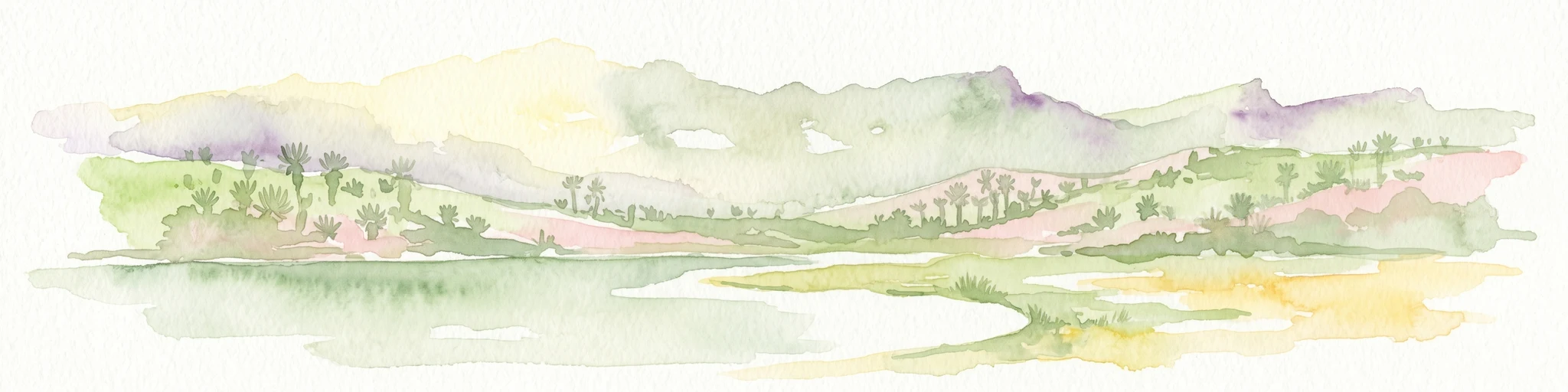
The landscape of Chiribiquete National Park is defined by the dramatic contrast between the surrounding Amazon lowland rainforest and the distinctive table mountains of the Serranía de Chiribiquete. These isolated mountain formations rise abruptly from the forest canopy, their steep sandstone cliffs and flat summit plateaus creating a landscape reminiscent of the more famous tepui mountains of Venezuela, though geologically part of the broader Guiana Shield system. The mountains extend approximately 125 kilometers in a northeast-southwest orientation, with a width of about 30 kilometers. The highest point, Cerro Chiribiquete, reaches an elevation of 800 meters above sea level, though the surrounding cliffs and rock faces add significant vertical relief to the landscape. The interaction between the mountain formations and the tropical climate has created a complex mosaic of habitats, from the humid forest slopes to the more exposed cliff faces and summit areas. The Caño Paujil waterfall originates from the Serranía de Chiribiquete, adding to the scenic diversity of the protected area. The combination of dramatic topography, ancient geological formations, and the surrounding expanse of continuous Amazon forest creates one of the most visually distinctive protected landscapes in South America.
Chiribiquete National Park ecosystems, habitats, and plant life
The nature of Chiribiquete encompasses a remarkable diversity of Amazonian ecosystems shaped by the presence of the isolated mountain formations. The surrounding lowland rainforest represents one of the most biodiverse regions on Earth, hosting countless species of trees, plants, insects, and other organisms characteristic of the Amazon basin. The mountain environment adds additional ecological complexity, with different elevational zones supporting distinct communities adapted to the varying conditions from the forest floor to the exposed cliff faces and summit plateaus. The park serves as critical habitat for the Chiribiquete emerald (Chlorostilbon olivaresi), a species of hummingbird that is endemic to the Serranía de Chiribiquete, found nowhere else on Earth. This restricted distribution makes the species particularly vulnerable and underscores the importance of the protected area for conservation of unique biodiversity. The transition zones where the mountains meet the surrounding forest support distinct ecological communities adapted to the microclimatic conditions created by the topography. The protected status of Chiribiquete ensures the preservation of these ecosystems against the pressures of deforestation, mining, and agricultural expansion that affect much of the surrounding Amazon region.
Chiribiquete National Park wildlife and species highlights
The wildlife of Chiribiquete reflects the extraordinary biodiversity of the Colombian Amazon, though detailed species documentation for this remote protected area remains an ongoing scientific endeavor. The most specifically documented species is the Chiribiquete emerald, a small hummingbird with distinctive plumage that has evolved in isolation within the mountain habitats of the Serranía. This endemic species represents a unique evolutionary lineage restricted to this particular geographic area. Beyond this signature species, the broader Amazon ecosystem within and around the park supports a rich diversity of fauna including numerous bird species, mammals adapted to forest environments, reptiles, amphibians, and invertebrates. The combination of lowland forest habitats and the distinct microenvironments created by the mountain formations provides diverse ecological niches supporting varied wildlife communities. The protected status of Chiribiquete as the largest tropical rainforest national park in the world makes it crucially important for the conservation of these wildlife populations, serving as a vast refuge in a region where habitat conversion pressures are intense.
Chiribiquete National Park conservation status and protection priorities
Chiribiquete National Park represents one of the most significant conservation achievements in tropical South America and globally. As the world's largest tropical rainforest national park, it protects an enormous contiguous expanse of Amazon ecosystem, serving as a critical stronghold for biodiversity in the face of accelerating deforestation, agricultural expansion, mining, and other development pressures affecting the Colombian Amazon. The park's conservation value is amplified by its UNESCO World Heritage designation, which recognizes both its natural and cultural exceptional universal value under criteria (iii), (ix), and (x). The presence of ancient rock art creates additional conservation imperatives, as these irreplaceable archaeological assets require protection from vandalism, looting, and environmental degradation. The 2018 expansion of the park by approximately 15,000 square kilometers demonstrated Colombia's commitment to strengthening protection of this critical landscape and represents a significant contribution to global conservation targets. Managing such an expansive protected area presents considerable challenges, but the park's remote location and the logistical difficulties of accessing its interior provide some natural protection against certain threats.
Chiribiquete National Park cultural meaning and human context
The cultural context of Chiribiquete extends deep into human history, with the mountains serving as a significant location for indigenous communities over thousands of years. The extraordinary concentration of rock art throughout the Serranía de Chiribiquete, with over 600,000 traces comprising approximately 20,000 distinct petroglyphs and pictographs, represents one of the most extensive artistic and archaeological records in all of the Americas. These rock paintings, created on vertical cliff faces and sheltered rock overhangs, depict human figures, animals, geometric patterns, and other imagery that provides insights into the beliefs, life ways, and artistic traditions of the peoples who inhabited this region across millennia. Some of these artistic traditions may extend back approximately 20,000 years, making them among the oldest surviving cultural expressions on the continent. The production of rock art continued until the 16th century, representing a remarkably long span of continuous cultural practice. The site has been described as 'The Maloca of the Jaguar,' reflecting the significance of this predator in the iconography of the rock art and the cultural meaning of the landscape for indigenous communities. The mountains served as sacred spaces, places of gathering, and possibly sites of spiritual significance for the peoples who created these artistic works.
Top sights and standout views in Chiribiquete National Park
Chiribiquete National Park offers several outstanding highlights that make it one of the most remarkable protected areas in South America. The park is the largest tropical rainforest national park in the world, protecting an immense expanse of pristine Amazon wilderness that serves as a critical refuge for biodiversity. The Serranía de Chiribiquete presents dramatic table mountain landscapes rising abruptly from the surrounding forest, creating a visually striking contrast that defines the region's character. The archaeological significance of the site is extraordinary, with the mountain chain containing one of the largest concentrations of pre-Columbian rock art in the Americas, featuring over 600,000 artistic traces that may span up to 20,000 years of human history. The Chiribiquete emerald hummingbird represents a unique endemic species found nowhere else on Earth, making the park especially important for conservation of this restricted-range species. The 2018 UNESCO World Heritage designation recognizing the site as 'The Maloca of the Jaguar' acknowledges both its natural and cultural significance, making it one of the few protected areas in the world recognized for both dimensions.
Best time to visit Chiribiquete National Park
The best time to consider visiting Chiribiquete National Park aligns with the general seasonality patterns of the Colombian Amazon, though the remote nature of the site and limited tourism infrastructure means that visits are generally restricted to research and specialized guided expeditions rather than conventional tourism. The dry season, typically from December through February, generally offers more accessible conditions for travel in the Amazon region, with lower water levels on rivers facilitating certain types of movement through the landscape. However, the wet season from April through November brings its own aesthetic appeal, with fuller rivers, lush vegetation, and different wildlife viewing opportunities. The park's extreme remoteness and limited access means that any visit requires careful logistical planning and typically involves traveling with experienced guides and operators familiar with the region. The climate of the Serranía de Chiribiquete can differ somewhat from the surrounding lowlands due to elevation, and the mountain environment may offer slightly different conditions than the forest floor below.