
Mori Atlas logo
National parkDaisen-Oki National Park

Discover the mapped boundaries and regional geography of this key protected area.

Daisen-Oki National Park: National Park Protected Landscape & Geographic Context

Daisen-Oki National Park represents a significant protected landscape within the Chūgoku region of Japan. As a designated national park, its mapped boundaries define an area rich in natural geography. This entry provides detailed context for understanding the park's place in the broader atlas, focusing on its geographic identity and the protected lands it encompasses for structured exploration.

Volcanic MountainsIsland EcosystemsCoastal CliffsBeech ForestsSacred MountainsJapanese National Parks

Daisen-Oki National Park

National park

Park overview

Structured park overview, official facts, and landscape profile for Daisen-Oki National Park

Daisen-Oki National Park park facts, protected area profile, and essential visitor context
Review the core facts for Daisen-Oki National Park, including designation, size, terrain, visitor scale, habitats, and operating context in one park-focused overview.

About Daisen-Oki National Park

Daisen-Oki National Park represents one of Japan's most geographically diverse protected areas, incorporating alpine volcanic peaks, coastal cliffs, and offshore islands within a single park boundary. The park's core is the Daisen-Hiruzen region, where Mount Daisen rises as a volcanic cone of exceptional beauty, its western slopes displaying a graceful profile while its southern face presents a more rugged character. The mountain has been a site of spiritual significance since at least the Heian period, with religious structures established throughout its slopes and surrounding foothills. The Hiruzen plateau area features gentle terrain and extensive beech forests, providing a stark contrast to the steep volcanic terrain of the main peaks. Moving eastward, the Sanbe Mountains contain a volcanic complex that last erupted approximately 4,000 years ago and remains classified as an active volcano under Japanese monitoring standards. The park's coastal and island components add further diversity. The Shimane Peninsula extends into the Sea of Japan with dramatic headlands, sea cliffs, and rock formations that have been designated as scenic monuments. The Oki Islands, located approximately 50 kilometers offshore in the Sea of Japan, comprise two main island groups—the mountainous island prefecture of Oki—preserving landscapes far removed from the main mountain core. These islands feature some of Japan's highest sea cliffs and support vegetation patterns distinct from the mainland. The park's broad geographic scope and the presence of Izumo-taisha, the oldest Shinto shrine in Japan, on the Izumo Plain within the park's boundaries create a synthesis of natural and cultural significance uncommon among Japanese national parks.

Quick facts and research context for Daisen-Oki National Park

Daisen-Oki National Park covers approximately 319 square kilometers across three prefectures in western Honshū. The park is divided into four distinct regions: the Daisen-Hiruzen mountain area, the Oki Islands archipelago, the Shimane Peninsula coastal zone, and the Sanbe Mountains. Mount Daisen stands as the highest peak at 1,729 meters and has been a center of religious significance for centuries, with temples and shrines woven into its slopes. The park protects both terrestrial and marine environments, with roughly half of the land area being national or public forest land. The park is classified as IUCN Category II (national park) and is managed by Japan's Ministry of the Environment.

Park context

Deeper park guide and search-rich context for Daisen-Oki National Park

Daisen-Oki National Park history, landscape, wildlife, and travel context
Explore Daisen-Oki National Park through its history, landscape character, ecosystems, wildlife, conservation priorities, cultural context, and seasonal travel timing in a structured park guide built for atlas discovery and search intent.

Why Daisen-Oki National Park stands out

Daisen-Oki National Park is best known for the sacred peak of Mount Daisen, often called the Bōhī Fuji or Izumo Fuji for its elegant conical shape reminiscent of Mount Fuji. The mountain has been a center of mountain faith and Shugendo practice since ancient times, with the mountain's spiritual heritage visible in sites like Daisenji temple and Ōgamiyama Shrine. The park is also renowned for the Oki Islands, a remote archipelago preserving dramatic sea cliffs such as the Matengai cliff and unique island ecosystems. The Izumo Plain within the park boundary contains Izumo-taisha, considered the oldest Shinto shrine in Japan, adding profound cultural significance to the natural landscape. The beech forests of the Hiruzen plateau and the volcanic landscape of Sanbe Mountain, still classified as an active volcano, further distinguish this park's ecological character.

Daisen-Oki National Park history and protected-area timeline

Daisen-Oki National Park traces its origins to February 1, 1936, when the initial Daisen National Park was designated, one of Japan's earliest national parks established alongside Nikko, Fuji-Hakone, and others. The original park protected only the core Daisen mountain area, among other regions. The current expanded configuration emerged in two major phases. In 1961, the park was significantly expanded to include the Oki Islands, the Shimane Peninsula coastal areas, and the Sanbe Mountains, and was renamed Daisen-Oki National Park to reflect this broader scope. Additional expansions occurred in 2002, incorporating the Mukaneshiyama and Hōbutsu Mountain areas into the Daisen-Hiruzen zone, and again in 2014, adding the Santokuzan area. This incremental growth reflects the park's evolving boundary as recognition of the region's ecological and scenic significance expanded. The park is administered by the Chugoku-Shikoku Regional Environment Office of Japan's Ministry of the Environment, based in Okayama City. Visitor statistics from 2010 indicate approximately 9.26 million annual visits, demonstrating the park's importance as a recreation destination in western Japan.

Daisen-Oki National Park landscape and geographic character

The landscape of Daisen-Oki National Park encompasses remarkable topographic variety within its roughly 69,410 hectares. The Daisen-Hiruzen mountain region features volcanic terrain centered on Mount Daisen, a composite volcanic cone that rises 1,729 meters above sea level. The mountain's western flank displays a classic conical profile that has earned it comparisons to Mount Fuji, while the southern face presents steep, rugged terrain. Adjacent Hiruzen (or Furano) features a gentler highland character with rolling plateaus and is flanked by Mount Kenashi. The Sanbe Mountains to the east represent another volcanic center, containing a caldera and multiple lava dome peaks including Mount Sanbe itself, which remains an active volcano. The park's coastal landscapes along the Shimane Peninsula feature bold headlands, sea cliffs, and rock arches such as those found at the noted scenic spots of Jizōzaki, Kaga no Senne, and Hinomisaki. The Oki Islands archipelago introduces island landscapes characterized by towering sea cliffs, with the Matengai cliff on Nishi Island reaching heights that rank among Japan's highest. The islands also feature gentler terrain with grazing pastures contrasting against the dramatic coastal scenery. The Izumo Plain at the eastern edge of the park provides lowland context to the more rugged mountain and coastal terrain.

Daisen-Oki National Park ecosystems, habitats, and plant life

The ecological character of Daisen-Oki National Park spans multiple habitat types from subalpine zones to coastal marine environments. The mountain forests of the Daisen-Hiruzen region contain significant beech (Fagus crenata) forest coverage, with old-growth stands particularly notable in the Hiruzen plateau area. These beech forests represent a southern extension of the cool-temperate forest type and support distinct understory communities. The volcanic soils and varied topography of the park create diverse forest types ranging from subalpine scrub on higher peaks to mixed deciduous forest at lower elevations. The Sanbe Mountains preserve natural beech forest on their slopes as well, with the volcanic terrain supporting vegetation adapted to recent volcanic activity. The coastal and island areas feature maritime vegetation adapted to salt spray and exposed conditions, with the Oki Islands supporting plant communities distinct from the mainland due to their oceanic isolation. The marine environment surrounding the Oki Islands and along the Shimane Peninsula contributes to the park's ecological diversity, with the coastal waters supporting productive marine ecosystems.

Daisen-Oki National Park wildlife and species highlights

The wildlife of Daisen-Oki National Park reflects the diversity of its habitats, from mountain forests to coastal cliffs and island environments. The beech forests of the Daisen-Hiruzen region provide habitat for various forest-dwelling bird species typical of Japan's cool-temperate forests. The park's varied elevation range supports species assemblages from subalpine to lowland zones. The coastal cliffs of the Oki Islands and Shimane Peninsula serve as nesting sites for seabirds, with the remote island environment offering relative protection from terrestrial predators. The marine waters around the islands support fish populations and marine organisms that contribute to the broader Sea of Japan ecosystem. While specific species inventories would require more detailed source material, the park's habitat diversity implies a correspondingly diverse vertebrate community spanning forest mammals, mountain birds, coastal avifauna, and marine species.

Daisen-Oki National Park conservation status and protection priorities

Daisen-Oki National Park serves as a protected framework for a region of significant natural and cultural value in western Japan. The park protects the headwaters and forest catchments of several river systems flowing from the Daisen and Sanbe volcanic centers, contributing to watershed protection. The beech forest communities within the park represent a forest type of conservation interest in the broader Japanese context, with old-growth stands providing ecological continuity. The Oki Islands component protects an archipelago ecosystem with limited mainland connection, preserving island-specific ecological processes and species patterns. Several areas within the park have been designated as scenic monuments (meishō) under Japanese law, including sections of the Oki Islands coastlines and the Santokuzan area, indicating recognition of their exceptional landscape value. The integration of Izumo-taisha and its surrounding cultural landscape within the park boundaries demonstrates how natural and cultural heritage can be protected within a unified park framework.

Daisen-Oki National Park cultural meaning and human context

Daisen-Oki National Park contains profound cultural significance extending beyond its ecological and scenic value. Mount Daisen has been a center of mountain worship and Shugendo practice for centuries, with the mountain believed to be a residence for divine beings. Religious structures including Daisenji temple and Ōgamiyama Shrine occupy the mountain's slopes, representing the integration of Buddhist and Shinto practice in Japan's mountain religious traditions. The Hiruzen area similarly contains historical religious sites reflecting the spiritual significance of these volcanic peaks. The presence of Izumo-taisha, widely considered the oldest Shinto shrine in Japan and located on the Izumo Plain within the park boundary, extends the park's cultural significance into the heart of Japan's Shinto tradition. The Oki Islands hold their own cultural heritage as an isolated region historically connected to the imperial institution, with the islands having served as a place of exile for historical figures. The landscape's integration of natural and spiritual dimensions has been recognized through the designation of numerous sites as national scenic monuments or historic sites.

Top sights and standout views in Daisen-Oki National Park

Daisen-Oki National Park stands out for its exceptional geographic diversity within a single protected area, combining alpine volcanic peaks, coastal cliffs, and remote islands. The sacred profile of Mount Daisen, with its centuries of religious significance and elegant conical shape, represents a convergence of natural beauty and spiritual heritage uncommon among Japan's parks. The Oki Islands preserve one of Japan's most dramatic coastlines, with sea cliffs ranking among the nation's highest and island landscapes offering a wilderness character distinct from the mainland. The park protects significant beech forest ecosystems in both the Daisen-Hiruzen and Sanbe Mountain regions, representing important habitat for forest communities. The inclusion of Izumo-taisha, Japan's oldest Shinto shrine, within the park boundary creates a unique synthesis of natural and cultural protection that few other Japanese national parks achieve.

Best time to visit Daisen-Oki National Park

The park can be visited throughout the year, with each season offering distinct character. Autumn provides particularly scenic conditions when the mountain forests display vibrant fall coloration, and the clear skies of the season offer good visibility from the higher peaks. Summer brings warmer conditions suitable for hiking in the mountain areas and beach activities along coastal zones, though the park's interior regions can be crowded during this peak season. Winter transforms the higher elevations into a snowy landscape suitable for skiing at developed facilities in the Hiruzen area, while the Oki Islands experience milder conditions than the mainland due to their oceanic setting. Spring offers the opportunity to observe seasonal transitions as snow melts on higher peaks while lower elevations warm, though weather patterns can be variable. The coastal and island regions may be subject to ferry service limitations during winter months, affecting access to those park components.
Park location guide

Geography guide, regional context, and park location map for Daisen-Oki National Park

Daisen-Oki National Park park geography, regions, and map view in Japan
Understand where Daisen-Oki National Park sits in Japan through a broader geographic reading of the surrounding landscape, nearby location context, and its mapped position within the national park landscape.

How Daisen-Oki National Park fits into Japan

Japan is an island nation in East Asia comprising over 14,000 islands in the Pacific Ocean. The country operates as a unitary parliamentary constitutional monarchy with Emperor Naruhito as the reigning monarch and Prime Minister Sanae Takaichi leading the government. With a population of approximately 123 million, Japan is the world's 11th most populous country and a major economic power with one of the strongest militaries, though it has constitutionally renounced its right to declare war.

Wider geography shaping Daisen-Oki National Park in Japan

Japan is an island nation in the Pacific Ocean, bordered to the west by the Sea of Japan and extending from the Sea of Okhotsk in the north to the East China Sea in the south. The Japanese archipelago lies off the northeast coast of the Asian mainland. Approximately 75% of Japan's terrain is mountainous and heavily forested, with agricultural land and urbanized populations concentrated along the eastern coastal plains. The country is divided into 47 administrative prefectures and eight traditional regions.

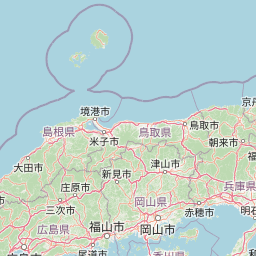
Map view of Daisen-Oki National Park

Use this park location map to pinpoint Daisen-Oki National Park in Japan, understand its exact geographic position, and read its mapped placement within the surrounding landscape more clearly.

Pigeon | © OpenStreetMap contributors

Location context for Daisen-Oki National Park

Chūgoku regionOkayama PrefectureShimane PrefectureTottori Prefecture
Park atlas

Explore nearby protected areas and trace the regional park geography, from volcanic mountains to dramatic coastal and island landscapes.

Discover Other National Parks and Protected Areas Near Daisen-Oki National Park
After exploring Daisen-Oki National Park, broaden your understanding of Japan's protected areas by comparing nearby national parks and regional landscapes. Discover how other volcanic mountains, coastal cliffs, and island ecosystems fit into the larger geographic context of the Chūgoku region and surrounding Japan.
National parkJapan

Setonaikai National Park: Japan's Premier Island Archipelago and Coastal Protected Landscape

Explore the unique marine geography and mapped island environments.

Setonaikai National Park is Japan's largest national park, renowned for its stunning marine environment within the Seto Inland Sea. This protected area features approximately 3,000 islands, showcasing weathered granite formations, coastal forests, and dynamic tidal phenomena like the Naruto whirlpools. The park offers a unique atlas-style exploration of island geography, coastal landscapes, and significant cultural sites, making it a cornerstone of Japan's protected natural heritage.

Area
669.34 km²
Established
1934
IUCN
II
Visitors
40.6M annual
National parkKansai

Yoshino-Kumano National Park: Protected National Park with Sacred Mountain Landscapes and Ancient Routes

Explore mapped park boundaries, gorges, and pilgrimage routes in Kansai.

Yoshino-Kumano National Park, a significant national park in Japan's Kansai region, invites exploration of its protected landscapes, which are deeply intertwined with spiritual heritage. Discover the park's rugged mountain terrain, ancient cypress and cedar forests, dramatic gorges like Dorokyō Gorge, and iconic coastal areas. This park is a vital entry for understanding Japan's confluence of natural geography and cultural pilgrimage, offering rich context for mapped landscape discovery.

Area
616.04 km²
Established
1936
IUCN
II
Relief
Mountain
Watercolor illustration of a mountain landscape with a lake, grasses, and flowers
National parkIshikawa Prefecture

Hakusan National Park: Sacred Mountain Protected Landscape in Ishikawa Prefecture

Mapped alpine terrain and volcanic geography for protected area discovery.

Hakusan National Park offers a unique exploration of Japan's sacred mountain heritage and alpine natural beauty. This protected landscape, centered on Mount Haku, features distinct volcanic terrain, crater lakes, and exceptional alpine flora. Users can explore the park's mapped boundaries, understand its place within Ishikawa Prefecture's geography, and appreciate its role as a significant UNESCO Biosphere Reserve for detailed atlas-based discovery.

Area
477 km²
Established
1962
IUCN
II
Relief
Mountain
National parkJapan

Ashizuri-Uwakai National Park: Japan's National Park Protected Landscape

Explore the mapped geography and protected area context.

Delve into the protected landscape identity of Ashizuri-Uwakai National Park, a key national park located in Japan. This page provides essential context for understanding its mapped boundaries, its geographic placement within the Japanese archipelago, and its role as a designated protected area. It is designed to offer a structured view of the park's natural terrain and its significance for regional atlas exploration, serving as a gateway to detailed landscape context.

Area
113.45 km²
Established
1972
IUCN
II
Relief
Mixed relief
National parkŌita Prefecture

Aso-Kujū National Park: Ōita Prefecture's Protected Landscape Atlas

Mapped boundaries and regional geographic context for this national park.

Delve into the protected landscape of Aso-Kujū National Park, situated within the geographic region of Ōita Prefecture. This page provides detailed insight into the park's mapped terrain, its designation as a national park, and its contribution to the atlas of protected areas. Understand the park's landscape context and its significance as a conserved natural area.

Area
726.78 km²
Established
1934
IUCN
II
Relief
Mountain
Watercolor painting of green and pink mountain ranges with forested foreground and distant peaks.
National parkChūbu region

Minami Alps National Park: A Protected Alpine Wilderness in Japan's Chūbu Region

Discover its dramatic peaks and vital river headwaters.

Minami Alps National Park offers a profound exploration into Japan's high-altitude natural geography. As a national park, it preserves a dramatic alpine environment defined by glacially carved terrain and multiple peaks exceeding 3000 meters. This protected landscape serves as a vital watershed, safeguarding the origins of major river systems and showcasing a rugged mountain character distinct from more accessible areas, ideal for understanding protected wildlands.

Area
357.52 km²
Established
1964
IUCN
II
Relief
Mountain
National parkNorth Gyeongsang Province

Gyeongju National Park: National Park Protected Landscape in North Gyeongsang Province

Mapped boundaries and regional geographic context.

Gyeongju National Park serves as a significant protected area within North Gyeongsang Province, offering a distinct national park identity. This entry focuses on its geographical significance, detailing its mapped boundaries and providing essential context for atlas exploration. Understand how this protected landscape fits within the broader regional geography and discover its place in the structured mapping of South Korea's natural heritage.

Area
137.09 km²
Established
1968
IUCN
II
Relief
Mixed relief
National parkJapan

Myōkō-Togakushi Renzan National Park: Mapped Protected Landscape Geography in Japan

Explore the park's regional terrain and protected area context.

Delve into the geographic specificities of Myōkō-Togakushi Renzan National Park, a key protected landscape in Japan. This entry focuses on its mapped terrain, regional setting, and the atlas-value of understanding its protected boundaries. Gain clarity on the park's distinct natural geography and its contribution to the broader protected area network.

Area
397.72 km²
Established
2015
IUCN
II
Relief
Mountain

Common questions about visiting, size, designation, and location context for Daisen-Oki National Park

Daisen-Oki National Park FAQs for park facts, access, geography, and protected area context
Find quick answers about Daisen-Oki National Park, including protected-area facts, park geography, trail and visitor context, and how the park fits into its surrounding country and regional landscape.
MoriAtlas Explorer

Continue Your Protected Areas Search Across the Global Atlas

Deepen your exploration by continuing the structured search for national parks and protected areas worldwide. Utilize the comprehensive filtering capabilities to compare different conservation landscapes and refine your understanding of global park geography. Discover more about the distribution and characteristics of protected natural areas.

Global natural geography