Why Defileul Mureșului Superior Natural Park stands out
The park is best known for its dramatic river gorge landscape where the Mureș River cuts through a narrow valley flanked by steep volcanic slopes and dense Carpathian forests. It protects a significant corridor of Eastern Carpathian biodiversity, with particularly important avifauna populations including lesser spotted eagles, pygmy owls, Ural owls, capercaillie, and black storks. The combination of riverine habitat, montane forest, and the gorge's microclimate creates favorable conditions for species ranging from European otters in the river to capercaillie in the coniferous stands.
Defileul Mureșului Superior Natural Park history and protected-area timeline
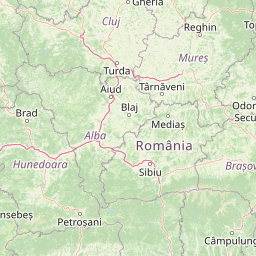
The Defileul Mureșului Superior Natural Park was formally established through Romanian Government Decision Number 1143 on September 18, 2007, with the decision published in the Romanian Official Paper Number 691 on October 11, 2007. This designation created a new protected area at the national level, building upon earlier conservation recognition that had identified the area's ecological importance. The park was created to protect the natural values of the upper Mureș River corridor while allowing for sustainable use and management of the landscape. Within the park's boundaries lies the smaller Defileul Deda-Toplița nature reserve, which represents a core zone of heightened protection. The 2007 establishment reflected Romania's broader efforts to expand its network of protected areas and to meet European conservation commitments through the Natura 2000 network, with the park designated as a special avifauna protection area under European Union directives.
Defileul Mureșului Superior Natural Park landscape and geographic character
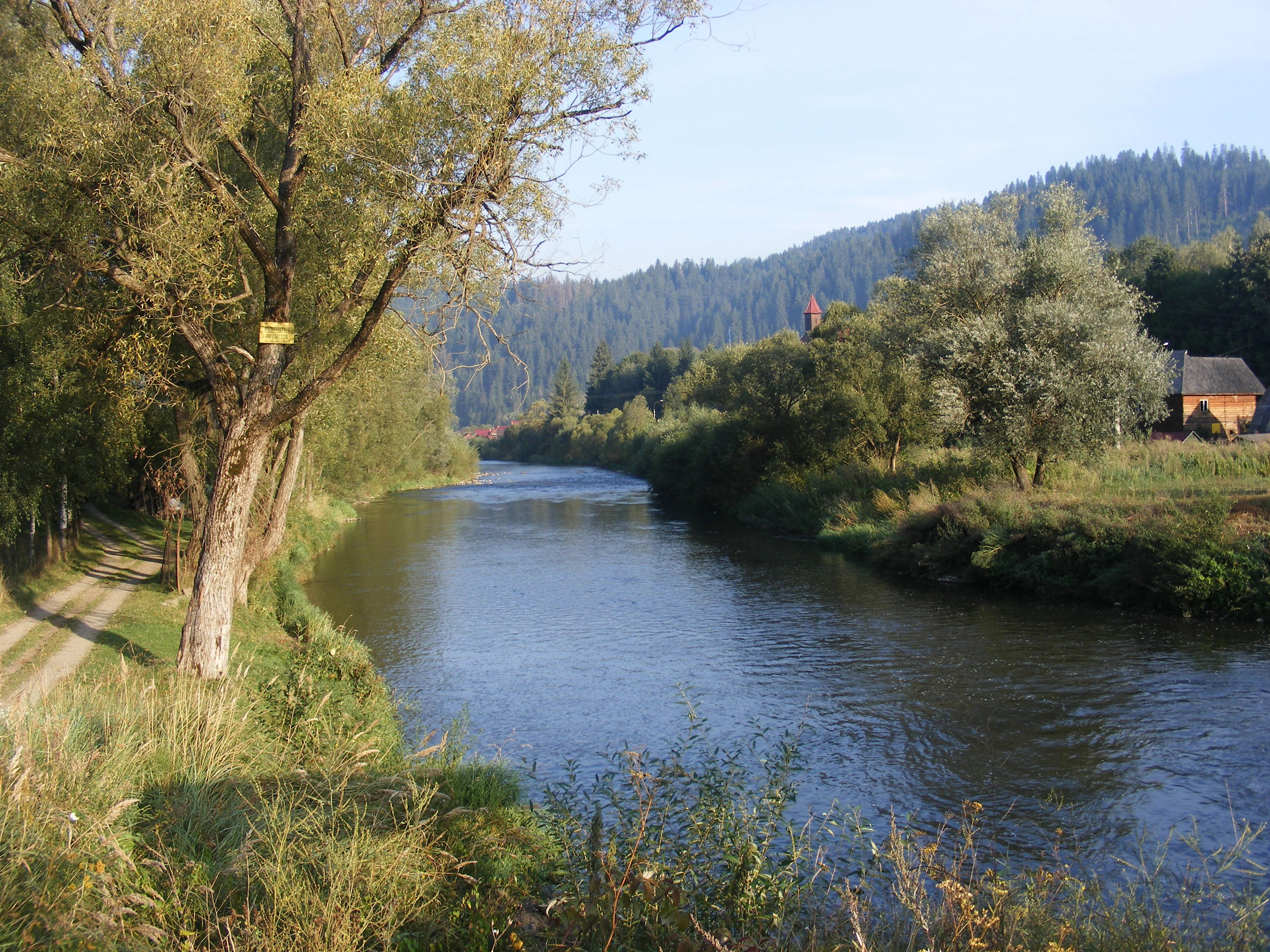
The landscape of Defileul Mureșului Superior Natural Park is defined by the Mureș River as it flows through a relatively tight gorge in its upper course. The river has carved a valley between steep, often rocky slopes that feature prominent volcanic blocks and outcrops. The terrain rises sharply from the river corridor, creating a landscape of considerable topographic variation within a relatively compact area. The valley floor contains the river channel and associated riparian zones, while the slopes support dense forest cover that transitions from riverine woodlands through deciduous forests to coniferous stands at higher elevations. The combination of the water course, the rocky gorge sections, and the heavily forested slopes creates a landscape of scenic quality that characterizes this portion of the Mureș River valley. The DN15 road follows the river through the park, providing views of the valley and surrounding mountains.
Defileul Mureșului Superior Natural Park ecosystems, habitats, and plant life
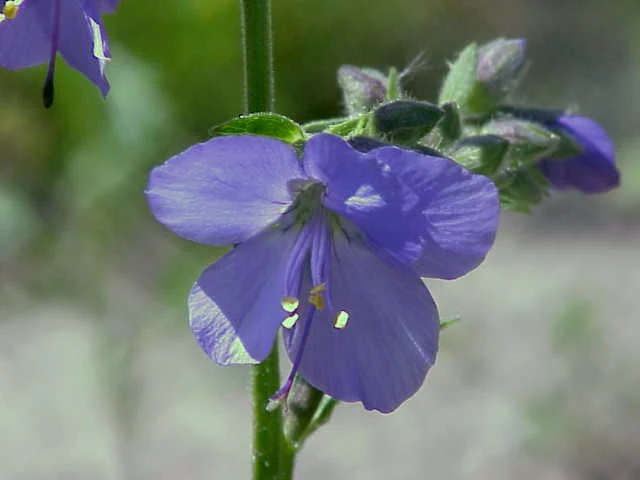
The park encompasses a diverse range of habitat types that reflect its position within the Eastern Carpathians. The forests include mixed mountain forests with species such as beech, ash, hornbeam, birch, and elm, as well as coniferous forests dominated by spruce and fir. Alluvial forests along the river feature willow and alder, while meadows and grasslands occur in appropriate locations. This mosaic of forest types supports a corresponding variety of plant species, including some rare and endemic forms specific to the Carpathian region. The park is designated as a Natura 2000 site, specifically for avifauna protection, acknowledging the importance of these habitats for bird species. The habitat diversity also supports populations of mammals, fish, amphibians, and reptiles that rely on the forest ecosystem, the river corridor, and the transitional zones between different habitat types.
Defileul Mureșului Superior Natural Park wildlife and species highlights
The wildlife of Defileul Mureșului Superior Natural Park reflects the Carpathian character of the protected area. Mammals present include wolf, wild boar, red fox, roe deer, red deer, European pine marten, European badger, and Eurasian otter, the latter indicating good riverine habitat quality. The bird fauna is particularly notable, with the park designated as a special avifauna protection area under European directives. Protected bird species include lesser spotted eagle, booted eagle, Tengmalm's owl, Eurasian eagle-owl, Ural owl, hazel grouse, capercaillie, European nightjar, short-toed snake eagle, white stork, western marsh harrier, montagu's harrier, corncrake, white-backed woodpecker, black woodpecker, three-toed woodpecker, merlin, red-breasted flycatcher, collared flycatcher, pygmy owl, and red-backed shrike. Fish species in the Mureș River include nase, Danube barbel, grayling, chub, gudgeon, and Burbot, supporting both ecological and fisheries value.
Defileul Mureșului Superior Natural Park conservation status and protection priorities
The park's conservation significance derives from its role in protecting a representative portion of Carpathian river gorge ecosystems and the biodiversity they contain. The IUCN Category V designation reflects the park's value as a protected landscape where natural processes continue within a landscape shaped by long-term human presence. The Natura 2000 designation as a Special Avifauna Protection Area specifically recognizes the importance of the area for bird species of European conservation concern, many of which breed in the park's forests. The protection framework aims to maintain the ecological integrity of the forest ecosystems, the river corridor, and the overall landscape while allowing for compatible human uses. The presence of the Defileul Deda-Toplița reserve within the park provides a core protection zone for the most sensitive natural values.
Defileul Mureșului Superior Natural Park cultural meaning and human context
The park lies within the traditional region of Transylvania, in an area with a rich cultural heritage. The surrounding communes contain several historic wooden churches, including the 18th-century wooden church of Saint Nicholas in Răstolița, which is listed as a historical monument. The Toplița Monastery, established in 1924 by Miron Cristea, houses a museum with collections of old church books, icons, and religious objects. These cultural sites, while not within the park itself, are located in the vicinity and contribute to the region's identity. The valley has historically served as a transportation corridor, with the DN15 road following the Mureș River through the park area, connecting communities in this part of Mureș County.
Top sights and standout views in Defileul Mureșului Superior Natural Park
The park's defining feature is its dramatic river gorge landscape where the Mureș River flows between steep volcanic slopes covered in Carpathian forest. The combination of the river corridor, mixed forests, and rocky terrain creates habitat for diverse wildlife including otters in the river, capercaillie in the coniferous forests, and numerous raptor and owl species. The Natura 2000 designation underscores the park's importance for bird conservation in the Eastern Carpathians. The area provides a relatively accessible natural environment along the DN15 road, allowing visitors to experience Carpathian landscape character while passing through the valley.
Best time to visit Defileul Mureșului Superior Natural Park
The park can be visited throughout the year, with each season offering different qualities. The summer months bring full forest cover and warm conditions ideal for exploring the valley and trails. Autumn offers colorful forest foliage and typically quieter conditions. Winter provides a different character with snow-covered slopes, though conditions may be more challenging. Spring brings fresh vegetation and活跃 bird activity. The best time for wildlife observation varies by species, with bird activity highest during the breeding season in spring and early summer.