Mori Atlas logo
National parkEl-Kouf National Park

Explore the mapped boundaries and natural terrain of this Libyan protected area.

El-Kouf National Park: National Park Protected Landscape in Libya's Geography

El-Kouf National Park represents a key protected natural area within Libya, offering a window into the country's unique geographic context and landscape diversity. This detailed view of El-Kouf National Park provides essential atlas-style information, focusing on its role as a national park and its contribution to the mapped protected lands of North Africa. Understand its place within the broader regional geography and its significance as a conservation landscape.

Mediterranean coastlineNational parkBirdwatchingCoastal dunesMaquis shrublandMarine ecosystems

El-Kouf National Park

National park

Park overview

Structured park overview, official facts, and landscape profile for El-Kouf National Park

El-Kouf National Park park facts, protected area profile, and essential visitor context
Review the core facts for El-Kouf National Park, including designation, size, terrain, visitor scale, habitats, and operating context in one park-focused overview.

About El-Kouf National Park

El-Kouf National Park represents one of Libya's most important protected areas, established in 1975 to preserve the unique Mediterranean coastal ecosystems of the Jabel Al-Akhdar region. The park's strategic location along the northeastern Mediterranean coastline has made it a popular destination for domestic tourism, with visitor numbers growing substantially from around 100,000 in 1980 to approximately 300,000 by 1985. The protected area encompasses a diverse landscape including the Wadi El Kouf basin, coastal beaches, rocky cliffs, sand dunes, and seasonal lagoons, all framed by the imposing limestone mass of Jabel Al-Akhdar mountain. Despite its ecological significance and tourism appeal, the park has faced ongoing management challenges, with reports indicating inadequate staffing and regulatory oversight throughout much of its history. The park's biodiversity extends beyond terrestrial environments to include productive marine waters supporting cetacean populations and sea turtle nesting sites.

Quick facts and research context for El-Kouf National Park

El-Kouf National Park covers 35,000 hectares of land with an additional 65,000 hectares forming the total conservation zone. The park has a 20-kilometre coastline along the Mediterranean and is located about 180 kilometres northeast of Benghazi and 19 kilometres west of Al Bayda. Established in 1975, the park has historically attracted significant visitor numbers, reaching approximately 300,000 visitors by 1985. The area lies within the Jabal al Akhdar Important Bird Area designated by BirdLife International.

Park context

Deeper park guide and search-rich context for El-Kouf National Park

El-Kouf National Park history, landscape, wildlife, and travel context
Explore El-Kouf National Park through its history, landscape character, ecosystems, wildlife, conservation priorities, cultural context, and seasonal travel timing in a structured park guide built for atlas discovery and search intent.

Why El-Kouf National Park stands out

El-Kouf National Park is best known for its remarkable plant diversity, with approximately 90 percent of all plant species found in Libya recorded within the park's boundaries. The park protects both coastal dune ecosystems and inland maquis shrubland across limestone hills. Its location along a major Mediterranean bird migration route makes it significant for avian wildlife, including species such as white storks, black storks, golden eagles, and Egyptian vultures. The park also provides protection for marine species including dolphins and loggerhead sea turtles that nest on its beaches.

El-Kouf National Park history and protected-area timeline

El-Kouf National Park was established in 1975 as one of Libya's initial national parks designated under the country's protected area system. The park quickly became a significant domestic tourism destination, with approximately 100,000 visitors recorded in 1980 and numbers surging to around 300,000 by 1985. Despite this popularity, the park experienced notable management difficulties throughout much of its operational history. A 1991 report described the park as poorly managed with inadequate regulatory frameworks and very few staff assigned specifically to wildlife conservation duties. The park's establishment was part of Libya's broader effort to protect representative Mediterranean ecosystems, with the country also designating five additional reserves, twenty-four protected areas, and two Ramsar Convention wetlands, Ain Elshakika and Ain Elzarga, since 2000.

El-Kouf National Park landscape and geographic character

The physical landscape of El-Kouf National Park is characterized by its Mediterranean coastal setting dominated by the limestone formations of Jabel Al-Akhdar. The park encompasses a rectangular area extending from the Mediterranean coastline inland across undulating terrain that rises toward the mountain's higher reaches at 860 metres. The coastal zone features sand dunes, rocky cliffs, and ephemeral lagoons that form during seasonal wet periods. Inland areas reveal a succession from coastal dune vegetation through progressively denser maquis shrubland as the terrain rises toward the limestone hills. The Wadi El Kouf valley system cuts through the protected area, creating a natural drainage corridor that adds to the landscape diversity. This combination of coastal, dune, cliff, and upland limestone habitats creates a visually varied terrain within a relatively compact protected area.

El-Kouf National Park ecosystems, habitats, and plant life

The ecological character of El-Kouf National Park is defined by its Mediterranean climate and the transition between coastal and upland habitats. Approximately 90 percent of all plant species documented across Libya have been recorded within the park, making it the most botanically significant protected area in the country. The coastal dune areas support coarse grasses and scattered shrub vegetation adapted to sandy, saline conditions. Moving inland, the limestone hills are covered in dense maquis shrubland composed of diverse species including Juniperus phoenicea, Pistacia lentiscus, Arbutus pavarii, Olea europaea, Myrtus communis, and Quercus coccifera, with occurrences of cultivated Cedrus atlantica and Cupressus sempervirens groves. However, the park faces significant ecological pressure from grazing by goats and sheep, which impacts the regeneration of vegetation communities. The marine environment supports productive coastal waters and brackish lagoon conditions that provide habitat for various species.

El-Kouf National Park wildlife and species highlights

The wildlife of El-Kouf National Park encompasses diverse terrestrial and marine species across its varied habitats. Terrestrial fauna recorded within the park includes striped hyena, Egyptian wolf, wild boar, fallow deer, red fox, small-spotted genet, African wildcat, crested porcupine, and the Barbary macaque, which represents an important population of this species in North Africa. The marine and coastal environments support populations of short-beaked common dolphin and common bottlenose dolphin, while the beaches serve as nesting sites for loggerhead sea turtles. The park's position within the Jabal al Akhdar Important Bird Area makes it significant for avian diversity, with recorded species including golden eagles, Egyptian vulture, Barbary partridge, common quails, great bustard, Houbara bustards, black storks, white storks, sandgrouse, herons, ducks, waders, and greater flamingos. Introduced green peafowl and various birds of prey also inhabit the area.

El-Kouf National Park conservation status and protection priorities

El-Kouf National Park holds significant conservation importance as Libya's most botanically diverse protected area, containing approximately 90 percent of the country's plant species within its boundaries. The park is recognized as part of the Jabal al Akhdar Important Bird Area by BirdLife International, acknowledging its role in protecting critical habitat for numerous bird species including globally significant populations of migratory storks, vultures, and bustards. The coastal and marine zones provide protection for endangered marine species including loggerhead sea turtles and migratory dolphin populations. However, the park's conservation effectiveness has been compromised by historical management challenges, including inadequate staffing for wildlife conservation duties and insufficient regulatory frameworks. Additionally, grazing pressure from goat and sheep populations continues to pose challenges for vegetation management and ecosystem recovery.

El-Kouf National Park cultural meaning and human context

El-Kouf National Park is situated in the northeastern Mediterranean region of Libya, an area with historical connections to ancient Mediterranean civilizations. The park lies close to Wadi el Kuf Bridge, a notable modern infrastructure feature, and is positioned between the major city of Benghazi and the town of Al Bayda. The landscape has been shaped by centuries of human activity, as evidenced by the ongoing agricultural and pastoral uses that create management tensions within the protected area. The Jabel Al-Akhdar region has historically supported rural communities engaged in traditional land use practices, and these human activities continue to influence the park's ecological dynamics.

Top sights and standout views in El-Kouf National Park

El-Kouf National Park offers distinctive Mediterranean coastal protection spanning 350 square kilometres with significant botanical importance. The park protects 90 percent of Libya's plant species across diverse habitats from coastal dunes to limestone maquis. Migratory bird watching opportunities include white storks, black storks, and birds of prey along the Mediterranean flyway. Marine wildlife includes dolphin populations and loggerhead sea turtle nesting beaches. The landscape combines coastal cliffs, sand dunes, seasonal lagoons, and mountain terrain within a single protected area.

Best time to visit El-Kouf National Park

The optimal time to visit El-Kouf National Park would be during the cooler months from late autumn through early spring, when Mediterranean temperatures are more comfortable for outdoor exploration. The winter period typically brings seasonal rainfall that replenishes the ephemeral lagoons and supports the park's vegetation, creating verdant landscape conditions. Spring brings increased bird activity as migratory species pass through the area, making this season particularly rewarding for birdwatching. Summer months can bring high temperatures along the coastline, potentially limiting daytime activities within the park.
Park location guide

Geography guide, regional context, and park location map for El-Kouf National Park

El-Kouf National Park park geography, regions, and map view in Libya
Understand where El-Kouf National Park sits in Libya through a broader geographic reading of the surrounding landscape, nearby location context, and its mapped position within the national park landscape.

How El-Kouf National Park fits into Libya

Libya is a country in North Africa along the Mediterranean coast. Formerly ruled by Italy, it gained independence in 1951 as the Kingdom of Libya and later became famous for Muammar Gaddafi's rule from 1969 to 2011. The country has experienced significant instability since the 2011 civil war. It is known for its vast desert landscapes, oil resources, and strategic geopolitical position in the Sahara.

Wider geography shaping El-Kouf National Park in Libya

Libya occupies a large territory in North Africa along the Mediterranean Sea. It borders Egypt, Sudan, Chad, Niger, Algeria, and Tunisia. The terrain is predominantly desert with the Sahara covering much of the country. The coastal region in the north is more fertile.

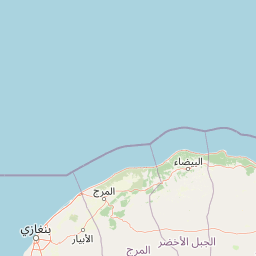
Map view of El-Kouf National Park

Use this park location map to pinpoint El-Kouf National Park in Libya, understand its exact geographic position, and read its mapped placement within the surrounding landscape more clearly.

Pigeon | © OpenStreetMap contributors

Location context for El-Kouf National Park

Jabal al Akhdar
Park atlas

Explore the broader regional context of Mediterranean coastal and terrestrial conservation landscapes surrounding El-Kouf National Park.

Discover Nearby Protected Areas and National Parks around El-Kouf National Park
Continue your exploration from El-Kouf National Park to browse a curated list of other national parks and protected areas, tracing their geographic distribution and conservation profiles across the wider Mediterranean region. Compare diverse coastal and inland landscapes, understand regional ecological connections, and map the spread of protected zones for comprehensive atlas discovery.
Watercolor illustration of a mountain range with greenery and distant peaks under a light sky
Marine protected area

National Marine Park of Zakynthos: Detailed Protected Marine Area & Geographic Context

Mapping Zakynthos's protected marine territory and regional geography

Investigate the National Marine Park of Zakynthos, a distinguished marine protected area situated in Greece. This dedicated page provides detailed insights into its protected landscape, focusing on its mapped geographic extent and its significance within the Mediterranean. Users can explore the specific boundaries of this protected marine territory and understand its place in the wider regional geography, enhancing atlas-based discovery of Greece's conservation areas.

IUCN
II
Scope
Marine
Water
Water-dominated
National parkLibya

El Naggaza National Park: A Protected Landscape in Libya's Geographic Atlas

Mapped boundaries and regional terrain of a Libyan national park.

Delve into the specifics of El Naggaza National Park, a designated national park in Libya. This entry focuses on its geographic setting, providing details relevant to atlas exploration and understanding protected land distribution in North Africa. Examine its mapped features and its place within the broader landscape context of the region.

Area
40 km²
Established
1993
IUCN
II
Scope
Terrestrial
National park

Ta' Qali National Park: Malta's Largest Urban Protected Landscape and Recreation Hub

Mapped Gardens, Event Venues, and Recreational Zones

Ta' Qali National Park serves as a vital green lung in central Malta, showcasing a landscape transformed from a wartime airfield into a modern urban protected area. This national park is recognized for its extensive recreational zones, meticulously designed formal gardens, and a prominent open-air concert venue that hosts major cultural events. Its relatively flat terrain and planned infrastructure offer a distinct map-based perspective on urban parkland, highlighting its significance as a major public amenity and a key feature of Malta's landscape.

Area
0.35 km²
IUCN
V
Relief
Lowland
Climate
Mediterranean
National parkLibya

Abughilan National Park: National Park Protected Landscape and Geographic Context

Explore Libya's protected area and mapped landscape.

Abughilan National Park stands as a designated national park, offering significant value for geographic discovery and understanding protected landscapes. This entry provides context on its mapped boundaries and its role within the regional geography of Libya, Northern Africa. It serves as a detailed point of reference for anyone exploring national parks and protected areas through an atlas-driven lens, focusing on the park's unique environmental context and its position in the landscape.

Area
40 km²
Established
1992
IUCN
II
Scope
Terrestrial
Watercolor illustration of a mountainous landscape featuring a winding river, trees, and grass.
National parkCalabria

Aspromonte National Park: A Protected National Park within Calabria's Geographic Atlas

Explore its mapped terrain and regional landscape context.

Aspromonte National Park represents a crucial element within the protected landscapes of the Calabria region. This page serves as an in-depth atlas entry, detailing the park's geographic features and its specific context within southern Italy's broader natural terrain. Users can explore the park's mapped boundaries and understand its significance as a protected area within the Italian peninsula's rich geography.

Area
641.53 km²
Established
1989
IUCN
II
Relief
Mountain
National parkAydın Province

Dilek Peninsula-Büyük Menderes Delta National Park: Protected Landscape and Geographic Context

Aydın Province's unique national park with diverse ecosystems.

Investigate Dilek Peninsula-Büyük Menderes Delta National Park, a key protected area in Turkey's Aydın Province. This page provides detailed geographic context, highlighting the park's remarkable coexistence of mountainous terrain and essential wetland habitats. Understand the mapped boundaries and landscape characteristics that define this significant national park.

Area
275.98 km²
Established
1966
IUCN
II
Visitors
700K annual
Watercolor illustration of a coastal landscape with hills, trees, and a body of water
Marine protected area

National Marine Park of Alonnisos Northern Sporades: Protected Marine Landscape and Aegean Geography

Explore Greece's largest marine protected area and its vital ecosystems.

Investigate the National Marine Park of Alonnisos Northern Sporades, an extensive marine protected area situated in the northern Aegean Sea. This protected landscape is internationally significant for its role in conserving the Mediterranean monk seal and for its healthy Posidonia oceanica seagrass meadows. Understanding this park's geographic scope and its protected marine terrain offers crucial insights into Mediterranean island ecosystems and conservation efforts within the region.

Area
2,260 km²
Established
1992
IUCN
II
Relief
Mixed relief
Watercolor landscape painting showing a lake, distant mountains, and vegetation
National parkVlorë County

Butrint National Park: Archaeological Heritage and Mediterranean Wetland Landscape

Explore its unique geography and protected park boundaries.

Butrint National Park presents a singular opportunity for geographic and protected-area discovery, showcasing an unparalleled fusion of ancient history and ecological richness. Located in Albania's Vlorë County, this national park encompasses Lake Butrint, coastal lagoons, and vital wetland habitats, recognized internationally for their biodiversity. Through MoriAtlas, users can explore the mapped extent of this unique landscape, understand its role within regional geography, and uncover the interplay between its preserved archaeological sites and the surrounding Mediterranean environment.

Area
94.244 km²
Established
2000
IUCN
II
Relief
Lowland

Common questions about visiting, size, designation, and location context for El-Kouf National Park

El-Kouf National Park FAQs for park facts, access, geography, and protected area context
Find quick answers about El-Kouf National Park, including protected-area facts, park geography, trail and visitor context, and how the park fits into its surrounding country and regional landscape.
MoriAtlas Explorer

Continue Your Protected Areas Search Across the Global Atlas

Deepen your exploration by continuing the structured search for national parks and protected areas worldwide. Utilize the comprehensive filtering capabilities to compare different conservation landscapes and refine your understanding of global park geography. Discover more about the distribution and characteristics of protected natural areas.

Global natural geography