Why Ganga Lake stands out
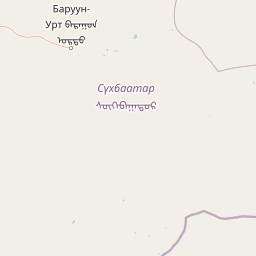
Ganga Lake is best known as a steppe-to-desert transition wetland holding Ramsar and Important Bird Area recognition. Its defining identity is the combination of a saline lake basin, surrounding steppe and dunes, and its role as a breeding and resting site for endangered migratory waterbirds. The contrast between open grassland, drifting sand, and shallow water bodies in an otherwise arid corner of eastern Mongolia gives the place its distinctive character.
Ganga Lake history and protected-area timeline
Ganga Lake does not have a heavily documented modern history, but its name carries an old folk tradition. According to a local legend, the 8th-century Mongol nobleman Togtokhtör wang had two flasks of water brought from the holy River Ganga in India and poured into the lake, giving the site its name.
In more recent history, the lake's significance shifted decisively toward formal conservation. On 22 March 2004, Lake Ganga and its surrounding wetlands were designated as a Ramsar Wetland of International Importance under reference number 1378. The site was also recognized as an Important Bird Area by BirdLife International, cementing its role as a protected wetland within Mongolia's broader network of migratory bird habitats.
Ganga Lake landscape and geographic character
The setting of Ganga Lake is defined by the meeting of two contrasting natural regions: the broad southern Mongolian steppes and the northern edge of the Gobi Desert. Around the lake, open grasslands spread outward across gently rolling terrain, while sandy areas contribute patches of dune-like relief typical of this transitional zone.
The lake itself is modest in size, oval in shape, and bordered by shallow margins and wetland vegetation. Its elevated position at roughly 1,294 meters above sea level reflects the high, dry character of eastern Mongolia. What the lake lacks in scale, it gains in visual contrast, with bands of water, damp margins, grassy steppe, and pale sand forming a layered mosaic that is characteristic of this part of the country. The presence of a chain of similar nearby lakes further emphasizes the landscape's identity as a steppe wetland system rather than a single isolated water body.
Ganga Lake ecosystems, habitats, and plant life
Ecologically, Ganga Lake sits in a fragile zone where water scarcity and transitional climate define the character of life around it. The lake is saline rather than freshwater, which influences the vegetation patterns along its shores and shapes which species can use the habitat. Surrounding steppe vegetation extends right to the wetlands' edges, while patches of dune and dry ground interrupt the plant cover, giving rise to a varied habitat mosaic across the wider 32.8 square kilometer wetland complex.
This combination of open water, saline margins, marshy patches, and adjacent steppe is exactly what makes the site attractive to migratory waterbirds. The lake offers feeding, resting, and breeding conditions that are otherwise hard to find across the predominantly dry landscapes of eastern Mongolia. As climate change has begun to reduce the lake's surface extent, the ecological fragility of this transitional habitat mosaic has become increasingly apparent.
Ganga Lake wildlife and species highlights
Ganga Lake's wildlife profile is centered on migratory and breeding waterbirds. The lake and its wetlands serve as both a breeding ground and a stopover for endangered species, including the great crested grebe, the whooper swan, and the ruddy shelduck. These species reflect the value of the site for birds that rely on shallow, relatively undisturbed steppe lakes during vulnerable parts of their annual cycle.
Beyond these highlighted species, the broader habitat mosaic of water, marsh, steppe, and sand also supports a wider community of wetland and steppe birds typical of eastern Mongolia. The site's recognition as a Ramsar Wetland and an Important Bird Area reflects the consistent presence of internationally significant bird populations here, rather than merely occasional sightings.
Ganga Lake conservation status and protection priorities
Ganga Lake holds clear international conservation significance, primarily because of its role in supporting migratory waterbirds at a key point on their flyway. The lake's designation as a Ramsar Wetland of International Importance under the name "Lake Ganga and its surrounding wetlands" in 2004 formally recognized the ecological value of the lake and its associated wetland system.
The site's additional recognition as an Important Bird Area by BirdLife International reinforces its importance for threatened and migratory bird species. Conservation concerns at Ganga Lake are increasingly shaped by climate change, which is shrinking the lake's surface area and putting pressure on the very wetlands that make the site important. This combination of formal protection and active environmental stress gives Ganga Lake an outsized conservation profile relative to its modest size.
Ganga Lake cultural meaning and human context
The cultural identity of Ganga Lake is rooted in a local folk legend linking the lake to India's sacred River Ganges. According to this tradition, the 8th-century Mongol nobleman Togtokhtör wang had two flasks of water carried from the holy River Ganga in India and poured into the lake, an act said to have given the lake its name.
While the legend is part of the lake's regional heritage rather than a major pilgrimage or tourism phenomenon, it gives Ganga Lake a distinctive cultural layer that is unusual for a small steppe lake.
Top sights and standout views in Ganga Lake
Ganga Lake stands out for the way it combines a saline steppe lake, surrounding wetlands, and a transition landscape between steppe and Gobi desert, all within a compact area in eastern Mongolia. Its international recognition, as both a Ramsar Wetland and an Important Bird Area, sets it apart from many other small Mongolian lakes.
The lake's importance for endangered migratory species such as the great crested grebe, whooper swan, and ruddy shelduck gives it real ecological weight, while the cultural legend surrounding its name adds an unexpected historical dimension to an otherwise quiet natural site.
Best time to visit Ganga Lake
The most rewarding periods to experience Ganga Lake tend to align with the bird migration and breeding seasons, when waterbird activity on the lake and its surrounding wetlands is at its peak. Visiting during the warmer months of late spring and summer typically offers easier access to the remote eastern Mongolian landscape and the best chance to see breeding and staging waterbird populations.
Winter conditions in Sükhbaatar Province are harsh and high-altitude, with temperatures far below freezing in this region. While the lake area remains ecologically important year-round, travelers should be aware that winter visit conditions are demanding and that seasonal climate effects, including ongoing lake shrinkage, can visibly shape the landscape at any time of year.