Why Iguazú National Park stands out
Iguazú National Park is best known for the Iguazú Falls, widely considered one of the most impressive waterfall systems in the world. The falls consist of approximately 275 individual falls distributed across a 2.7-kilometer front, with some cascades reaching heights of 82 meters. The falls are situated within a dramatic landscape where the Iguazú River, up to 1,500 meters wide within the park, plunges into a series of steep canyons before joining the Paraná River. The surrounding subtropical jungle provides a lush backdrop to the waterfall system and is home to exceptional biodiversity. The combination of the waterfall's sheer scale, the surrounding forest, and the ecological significance of the Atlantic forest ecoregion makes this park one of the most iconic protected areas in South America.
Iguazú National Park history and protected-area timeline
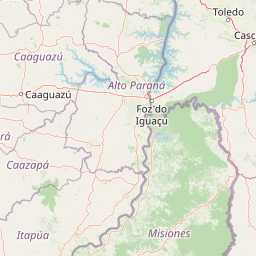
The territory now protected by Iguazú National Park has a rich human history stretching back thousands of years. Archaeological evidence indicates that hunter-gatherer societies of the Eldoradense culture inhabited the area around 10,000 years ago. These early inhabitants were eventually displaced around 1,000 CE by the Guaraní people, who brought advanced agricultural technologies and established lasting cultural traditions in the region. The name 'Iguazú' itself comes from the Guaraní words 'y' (water) and 'guasu' (large), literally translating to 'large water.' European exploration began in 1541 when Álvar Núñez Cabeza de Vale became the first recorded European to reach the falls, though Jesuit missionaries established settlements in the region beginning in 1609. The park was officially created in 1934 specifically to protect the Iguazú Falls and the surrounding natural environment, representing one of Argentina's earliest national park designations. In 1970, the Iguazú National Reserve was established to allow controlled development in the western portion of the region, permitting infrastructure for tourism including an international airport and hotel facilities. The park forms part of a transboundary conservation complex with Brazil's Iguaçu National Park, with both sites achieving World Heritage status in 1984.
Iguazú National Park landscape and geographic character
The landscape of Iguazú National Park is defined by the dramatic interaction between the Iguazú River and the underlying geology. The river flows through the park in a distinctive U-shaped course, first turning south and then north, creating a natural amphitheater that concentrates the waterfall system. Within the park boundaries, the river widens to up to 1,500 meters before plunging over the basalt cliffs that form the falls. The terrain consists of rolling hills and steep valleys carved by water over millions of years, with the falls themselves situated where the river encounters a series of hard basaltic rock formations that create the cascading drops. The surrounding landscape is covered in dense subtropical forest with a多层 canopy that filters sunlight and creates a perpetually humid environment. The vegetation along the riverbanks is particularly lush, featuring towering trees, epiphytes, and a dense understory of ferns and palms. The contrast between the plunging white water and the deep green of the surrounding forest creates one of the most visually striking landscapes in South America.
Iguazú National Park ecosystems, habitats, and plant life
The park lies within the Alto Paraná Atlantic forests ecoregion, a biome that once covered vast stretches of eastern Paraguay, Argentina, and Brazil but now exists largely in fragmented patches due to agricultural expansion. The Iguazú National Park represents one of the largest remaining continuous blocks of this critically important forest type. The vegetation within the park exhibits typical Atlantic forest characteristics, including a dense canopy reaching 30 to 40 meters in height, multiple layers of vegetation, and extraordinary species diversity. Key tree species include the ceibo (Erythrina crista-galli), whose striking red flower is Argentina's national symbol, the lapacho negro (Tabebuia heptaphylla) and lapacho amarillo (Tabebuia pulcherrima), both prized for their spectacular blooms, the palmito (a type of palm), and the towering palo rosa (Aspidosperma polyneuron) which can reach heights of 40 meters. The humid subtropical climate supports continuous growth cycles, allowing the forest to maintain its dense green appearance year-round. The forest also supports numerous epiphytes, lianas, and climbing plants that add to the three-dimensional complexity of the ecosystem.
Iguazú National Park wildlife and species highlights
The fauna of Iguazú National Park is exceptionally diverse, with the park serving as a critical refuge for numerous rare and threatened species. The park is home to several species of large Neotropical predators, including the jaguar, jaguarundi, and ocelot, which maintain populations in the forest's interior. The South American tapir, a large herbivore resembling a bizarre cross between a pig and an anteater, is also present along with the giant anteater itself. The birdlife is particularly notable, with species including the harpy eagle, one of the largest and most powerful raptors in the Americas, the black-fronted piping guan, a threatened arboreal bird, the vinaceous amazon with its distinctive wine-colored plumage, and the great dusky swift which can be observed swirling above the falls. Common mammals include the coatí, a relative of the raccoon that forages actively through the forest understory, while the yacare caiman inhabits the river channels and pools. The diversity of butterflies is extraordinary, with numerous species contributing to the park's vivid insect fauna.
Iguazú National Park conservation status and protection priorities
Iguazú National Park represents one of the most significant conservation achievements in South America, protecting a critical portion of the Atlantic forest biome and one of the world's natural wonders. The park's UNESCO World Heritage designation reflects both its outstanding universal value as a natural site and the international recognition of its ecological importance. The Alto Paraná Atlantic forests are classified as a global biodiversity hotspot, meaning they support extraordinary species diversity while facing significant threats from habitat loss and fragmentation. The park forms part of a larger proposed Trinational Biodiversity Corridor aimed at connecting protected areas across Argentina, Brazil, and Paraguay, creating forest corridors that allow wildlife to move between isolated conservation units. The park also adjoins Urugua-í Provincial Park to the southeast, a protected area of 84,000 hectares established in 1990, further extending the protected landscape. Conservation challenges include managing visitor impact while maintaining the park's natural integrity and addressing the broader regional pressures on Atlantic forest ecosystems.
Iguazú National Park cultural meaning and human context
The cultural landscape of Iguazú National Park carries the imprint of multiple human societies spanning thousands of years. The Guaraní people, who inhabited the region when Europeans first arrived, left a lasting legacy in the very name of the park and river. The Guaraní language term 'y guasu' meaning 'large water' reflects both the practical importance of the river system and the spiritual significance the falls held in indigenous belief systems. The arrival of Spanish and Portuguese conquistadores in the 16th century initiated a period of colonization that dramatically altered the region's human geography, though elements of Guaraní culture and language persist in the area to this day. The Jesuit missions established in the early 17th century introduced new religious and cultural frameworks while also bringing European agricultural practices. Today, the park exists at the intersection of conservation priorities, indigenous heritage, and growing tourism demands, representing both a natural and cultural landscape that continues to evolve.
Top sights and standout views in Iguazú National Park
The Iguazú Falls remain the undisputed highlight of the park, offering visitors the chance to experience one of the most powerful and beautiful waterfall systems on Earth from multiple perspectives. The Upper Circuit provides walkways that bring visitors to the edge of the Garganta del Diablo (Devil's Throat), the largest single cascade in the system. The Lower Circuit offers boat access and stunning views from below the falls. The surrounding subtropical forest provides equally compelling experiences, with well-maintained trails offering chances to observe diverse wildlife and experience the primal atmosphere of the Atlantic jungle. The ecological train system provides accessible transportation through the park, while the diverse fauna including jaguars, tapirs, harpy eagles, and numerous bird species reward patient observers. The transboundary relationship with Brazil's Iguaçu National Park creates a unified conservation landscape that protects the falls and forest on both sides of the international border.
Best time to visit Iguazú National Park
The park can be visited throughout the year, though each season offers distinct experiences. The waterfall display is most powerful during the Southern Hemisphere summer (December to March), when rainfall in the upstream basin is higher and the falls run with maximum volume. However, this period also coincides with higher temperatures and humidity in the subtropical climate. The winter months (June to September) typically see reduced water flow but offer more comfortable temperatures and clearer viewing conditions. Spring (October to November) often provides a balance with moderate water levels and pleasant weather. The park's subtropical climate means rain is possible year-round, and visitors should be prepared for sudden shower changes regardless of season. Wildlife viewing opportunities are generally better during the drier months when animals are more active near water sources.