Why Ladoga Skerries National Park stands out
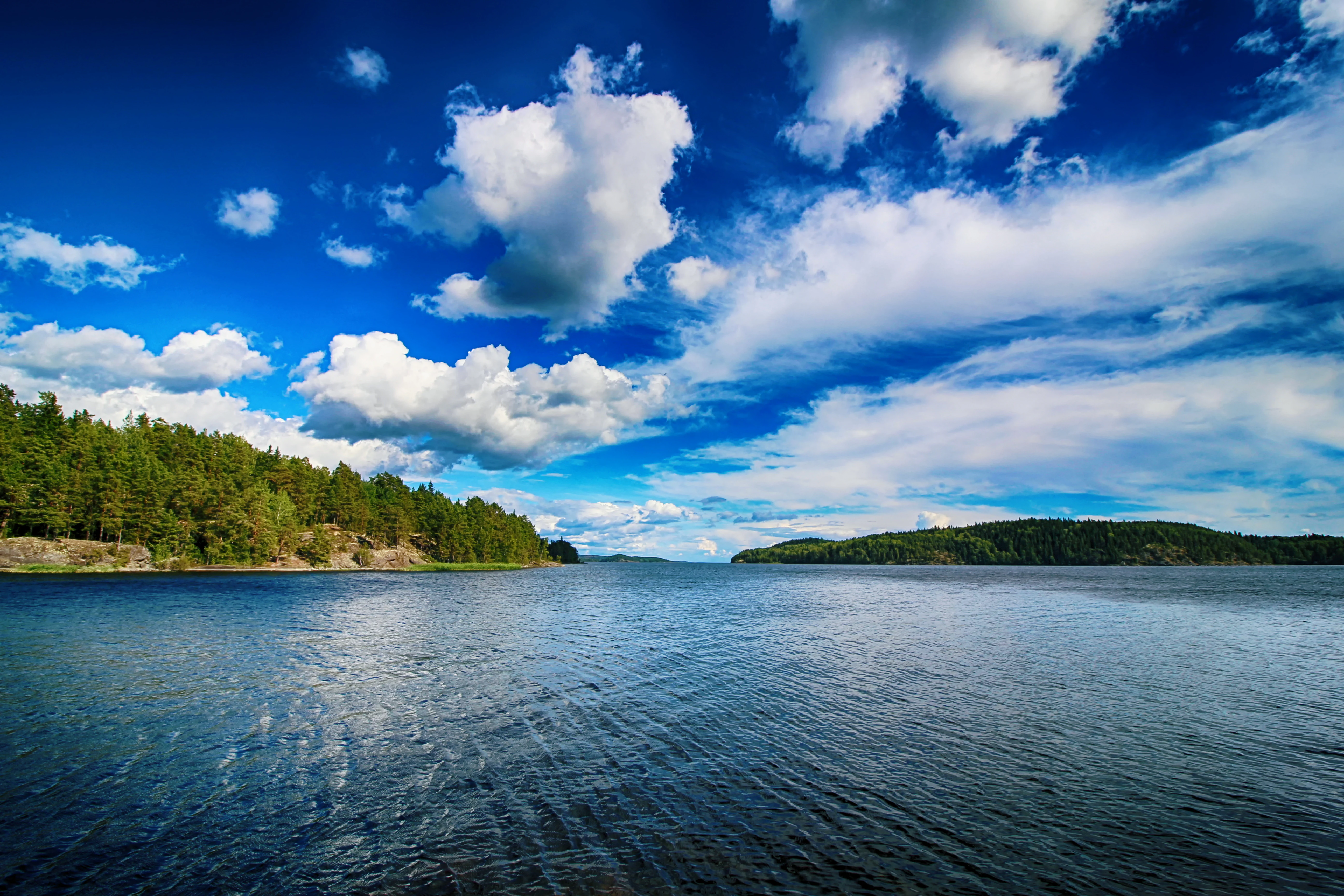
The park is best known for its extraordinary skerry landscape, a rare collection of rocky islands, narrow channels, and coastal formations that characterize the northwestern shore of Lake Ladoga. This archipelago environment is unlike any other protected area in Russia, combining dramatic island topography with boreal forest ecosystems. The park preserves one of the most ecologically significant island systems in European lacustrine environments, with particularly high plant biodiversity including 748 vascular plant species, over 350 bryophyte species, and more than 700 lichen species. The contrast between the forested island slopes and the open waters of Lake Ladoga creates a distinctive visual and ecological character that defines the park's identity.
Ladoga Skerries National Park history and protected-area timeline
The establishment of Ladoga Skerries National Park represents a decades-long conservation journey that began with early proposals in the late 1980s. The Karelian Research Centre of the Russian Academy of Sciences first suggested creating a national park in this area, recognizing the exceptional natural value of the Lake Ladoga archipelago. However, the proposal faced obstacles including the proximity of the town of Sortavala and the presence of numerous country houses in the area, which complicated land allocation and community relations. A second attempt came in 1999 when the European Union sponsored a conservation project with 3.5 million euros in funding, but this initiative also failed to achieve its goal. Project authors noted that the attitude of the local community toward the park remained one of the most challenging aspects of establishment. Despite these setbacks, conservation advocates persisted, and the park was finally created on December 28, 2017, when the Government of Russia issued an official order establishing the protected area. Recent controversy arose in 2024 when investigative reporting revealed that a four-square-kilometer portion of the park at Marjalahti Bay had been designated for exclusive use, though this development falls outside the park's core conservation mission.
Ladoga Skerries National Park landscape and geographic character
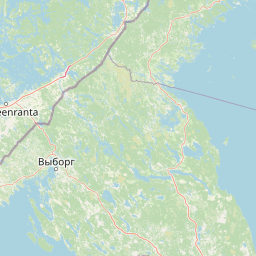
The physical landscape of Ladoga Skerries National Park is dominated by its archipelago setting on Lake Ladoga, creating one of Europe's most distinctive lake-based protected environments. Approximately 500 islands of varying sizes are distributed across the park's coastal zone, their rocky foundations shaped by glacial processes that also formed the basin of Lake Ladoga itself. The islands feature irregular coastlines with numerous inlets, bays, and channels that provide the skerry character the park is named for. The terrain on individual islands ranges from gentle slopes covered in forest to more dramatic rocky exposures, with elevation changes generally modest given the island setting. The surrounding waters of Lake Ladoga, covering 44 percent of the park area, include both the open lake environment and the more sheltered channels between islands. The combination of rocky island shores, forested slopes, and extensive water areas creates a mosaic landscape that is visually striking and ecologically complex.
Ladoga Skerries National Park ecosystems, habitats, and plant life
The ecological character of Ladoga Skerries National Park reflects its position within the southern Scandinavian and Russian taiga, a vast belt of coniferous forests that spans northern Europe and Russia. The park's vegetation is dominated by pine and spruce forests that cover the islands, creating the classic boreal forest appearance of the region. However, the island environment and lake setting introduce additional ecological complexity. Plant biodiversity within the park is notably high for a boreal area, with 748 vascular plant species recorded, of which 101 are protected under regional conservation listings. The park is particularly notable for its bryophyte and lichen diversity, with almost 350 species of mosses, liverworts, and hornworts documented, along with over 700 lichen species. This cryptogamic diversity reflects the moist island environment and the presence of diverse microhabitats ranging from forest floors to rocky outcrops. The aquatic component of the park supports ecosystem functions for Lake Ladoga's fish populations, with species including freshwater whitefish, bream, and northern pike known to inhabit the protected waters.
Ladoga Skerries National Park wildlife and species highlights
The wildlife of Ladoga Skerries National Park is characterized by the boreal forest communities typical of the taiga ecoregion, with species adapted to the mixed island and lake environment. The surrounding waters of Lake Ladoga support several fish species of ecological and conservation importance, including freshwater whitefish, bream, and northern pike. These species represent the lake's ecological community and benefit from the protection the park provides to their aquatic habitats. While the Wikipedia source provides limited detail on terrestrial wildlife, the forest-dwelling fauna would include species typical of the Scandinavian and Russian taiga, such as various small mammals, forest birds, and insects that occupy the coniferous and mixed forest habitats. The island setting creates distinct ecological conditions that support both forest-dwelling species and those associated with aquatic and shoreline environments.
Ladoga Skerries National Park conservation status and protection priorities
Ladoga Skerries National Park represents an important addition to Russia's protected area network, preserving a unique lacustrine archipelago environment that had long been recognized for its natural value. The park's establishment fulfills decades of conservation advocacy, beginning with scientific proposals in the 1980s and surviving multiple failed attempts at creation. The high plant biodiversity documented within the park, including numerous protected species and exceptional bryophyte and lichen communities, demonstrates the ecological significance of this island landscape. The park's classification as IUCN Category II reflects its status as a national park with primary protection goals focused on ecosystem conservation and recreation. By protecting the skerry archipelago of Lake Ladoga, the park preserves not only terrestrial forest ecosystems but also the aquatic environment and the transitional shoreline habitats that are essential to the region's ecological integrity.
Ladoga Skerries National Park cultural meaning and human context
The park exists within a region with complex historical and cultural dimensions. The nearby town of Sortavala was mentioned in the park's establishment history as a complicating factor due to its proximity and the presence of country houses in the area. This reflects the human landscape that intersects with the protected area, where local communities have historical connections to the Lake Ladoga shoreline. The post-World War I era saw Lake Ladoga become popular among tourists, establishing a tradition of recreation and appreciation for the lake's distinctive landscape that continues today. The region has also been subject to geopolitical changes over the past century, as the border between Russia and Finland has shifted, influencing settlement patterns and land use in Karelia.
Top sights and standout views in Ladoga Skerries National Park
The Ladoga Skerries archipelago stands as the park's defining feature, offering a rare example of a lake-dominated protected landscape in Europe. The approximately 500 islands with their rocky shores and forested slopes create a distinctive visual character that sets this park apart from other Russian protected areas. The exceptional plant biodiversity, with nearly 750 vascular plant species and outstanding bryophyte and lichen communities, demonstrates the ecological richness of this boreal island environment. The park's position on Lake Ladoga, Europe's largest lake, provides a setting of considerable geographic significance. The contrast between the conifer-covered islands and the open waters of the lake creates a landscape of considerable scenic value. The park also represents the culmination of decades of conservation effort, making its establishment a significant achievement in Russian environmental protection.
Best time to visit Ladoga Skerries National Park
The optimal time to experience Ladoga Skerries National Park aligns with the brief northern summer season when conditions are most favorable for outdoor exploration. Summer months bring warmer temperatures and longer daylight hours that allow visitors to appreciate the island landscapes and waters of Lake Ladoga. The boreal forest reaches its fullest expression during the growing season, when the pine and spruce forests display their characteristic green canopy across the islands. Autumn can offer another compelling window for visitation as the forest colors transition, though the season is short and quickly gives way to the long northern winter. Winter brings cold temperatures and snow cover that transform the islands into a very different landscape, though access becomes more challenging. The shoulder seasons of late spring and early autumn may offer favorable conditions for those seeking fewer visitors while still enjoying reasonable weather for exploration.