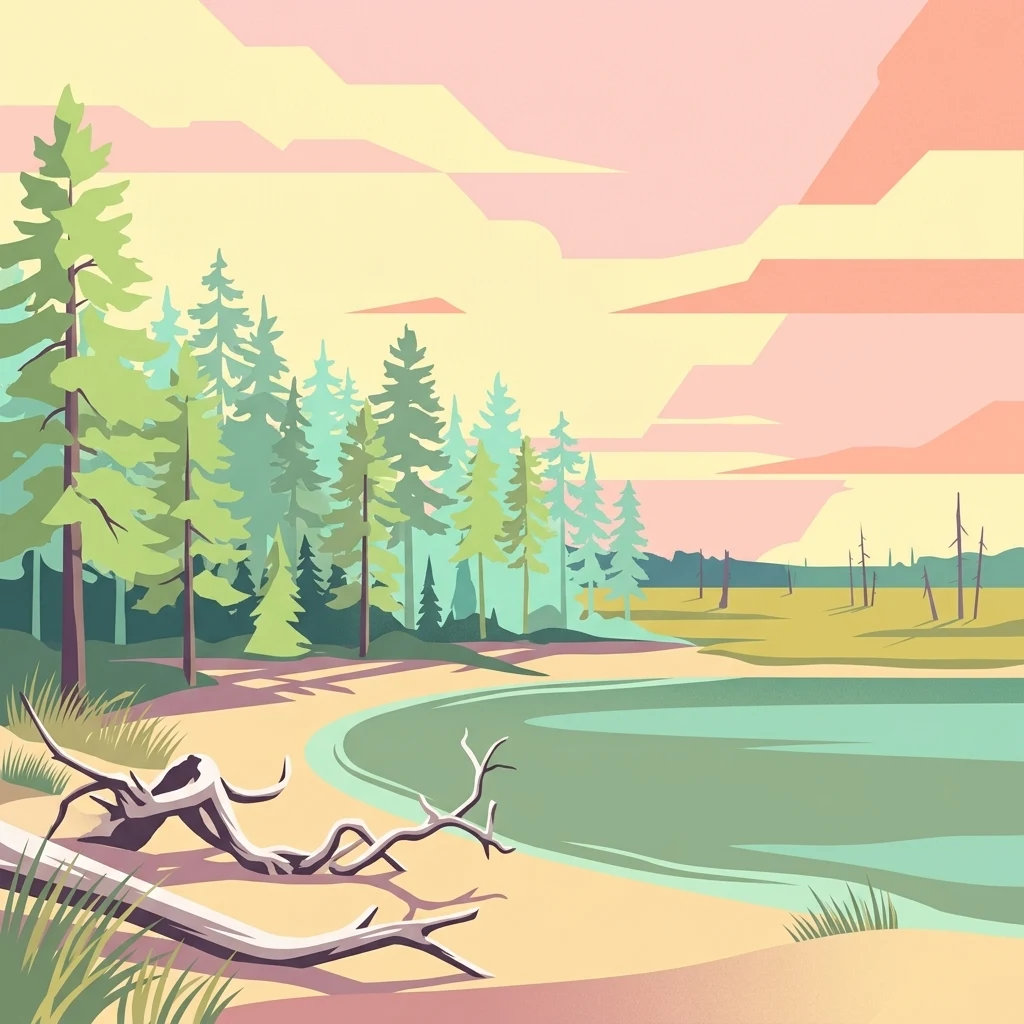

Why Patvinsuo National Park stands out
Patvinsuo is best known for its extensive bog ecosystems, which represent some of the most characteristic wetland habitats in the boreal zone. The park also preserves meaningful remnants of old-growth forest, where spruce and pine have reached mature stages without significant modern timber management. Additionally, the park contains areas of former slash-and-burn cultivation, a traditional Finnish land-use practice that shaped much of the country's rural landscape in centuries past. These elements together give the park a strong identity as a living landscape where natural succession and historical human activity intersect.
Patvinsuo National Park history and protected-area timeline
Patvinsuo National Park was established in 1982 as part of Finland's expanding network of national parks during the late twentieth century. The creation of the park reflected a growing recognition of the need to protect representative samples of Finland's natural landscapes, particularly in regions where traditional land-use practices were declining and forest succession was advancing. The selection of this area for protection acknowledged the ecological significance of its bog ecosystems, the presence of old-growth forest remnants, and the cultural value of the slash-and-burn areas that illustrated historical relationships between Finnish communities and their environment. Management of the park falls to Metsähallitus, the Finnish state agency responsible for managing state-owned land and protected areas. The establishment of the park also served broader conservation goals, including the preservation of biodiversity in the boreal zone and the maintenance of ecological processes that sustain Finland's natural environments.
Patvinsuo National Park landscape and geographic character
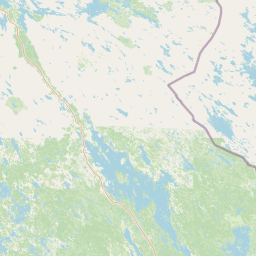
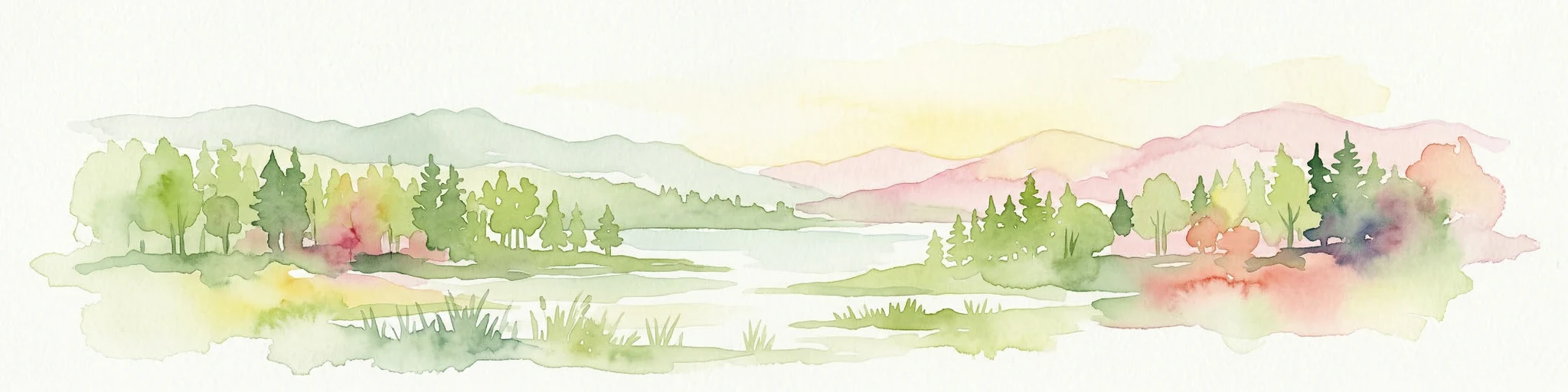
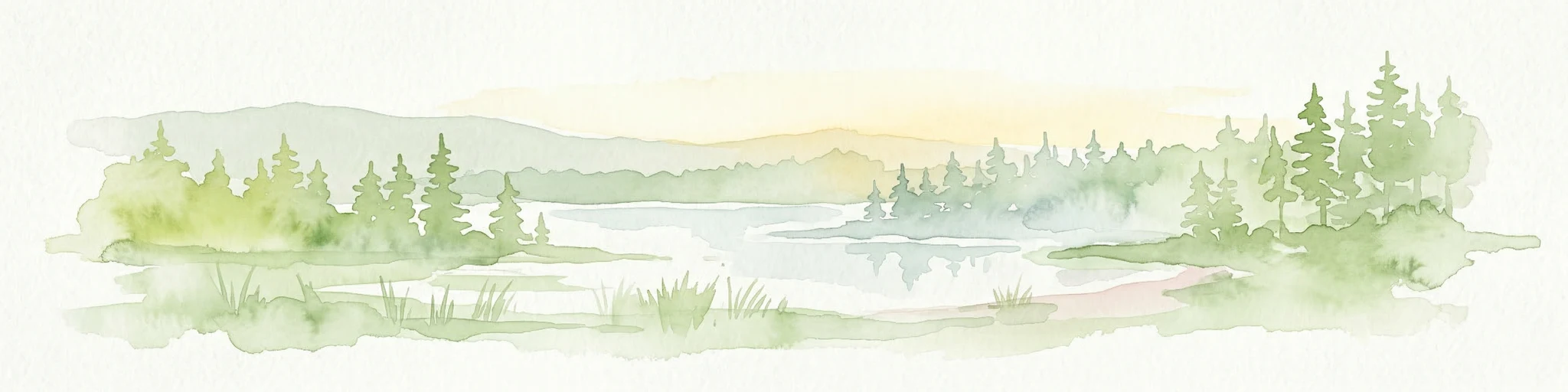
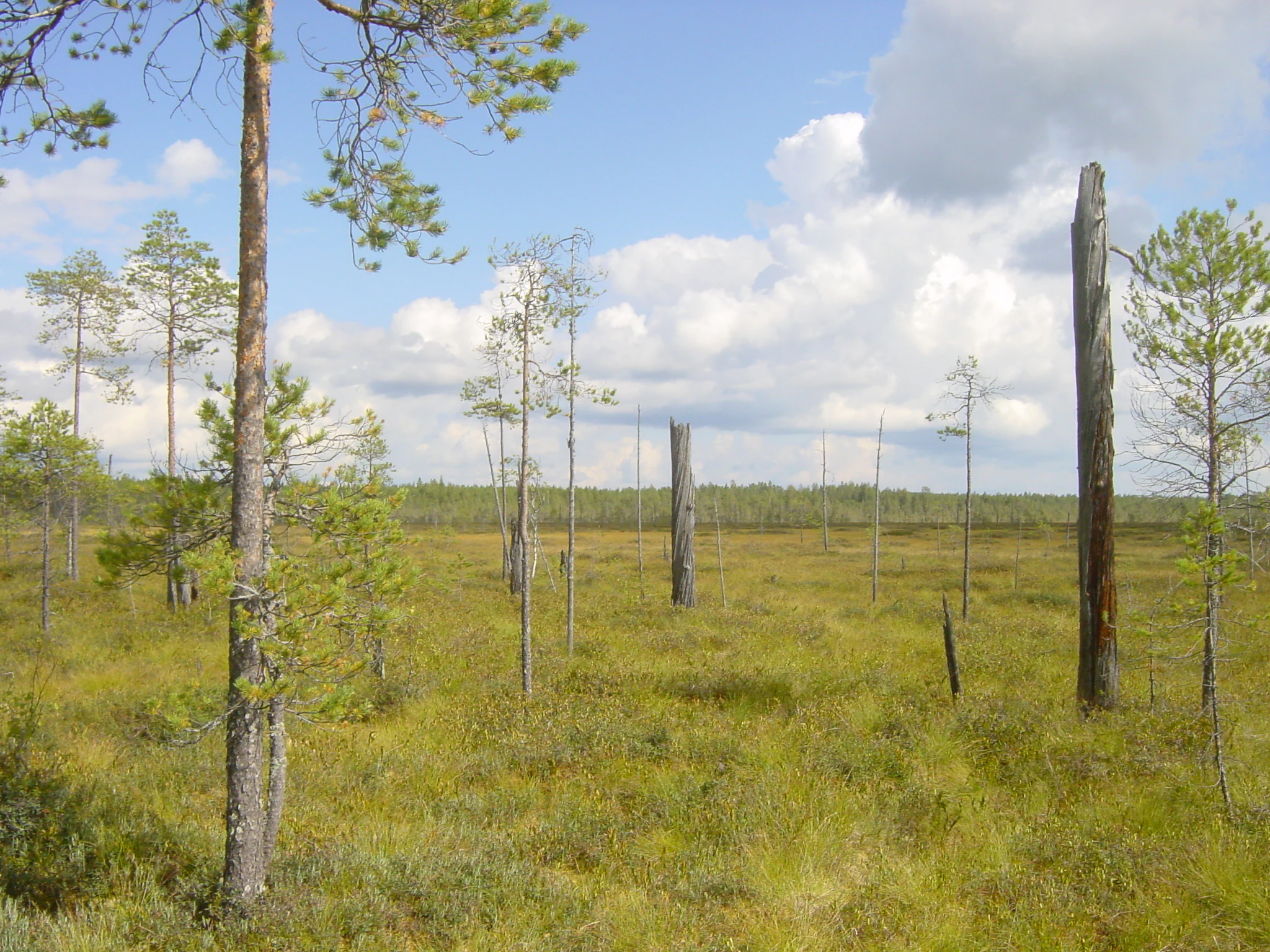
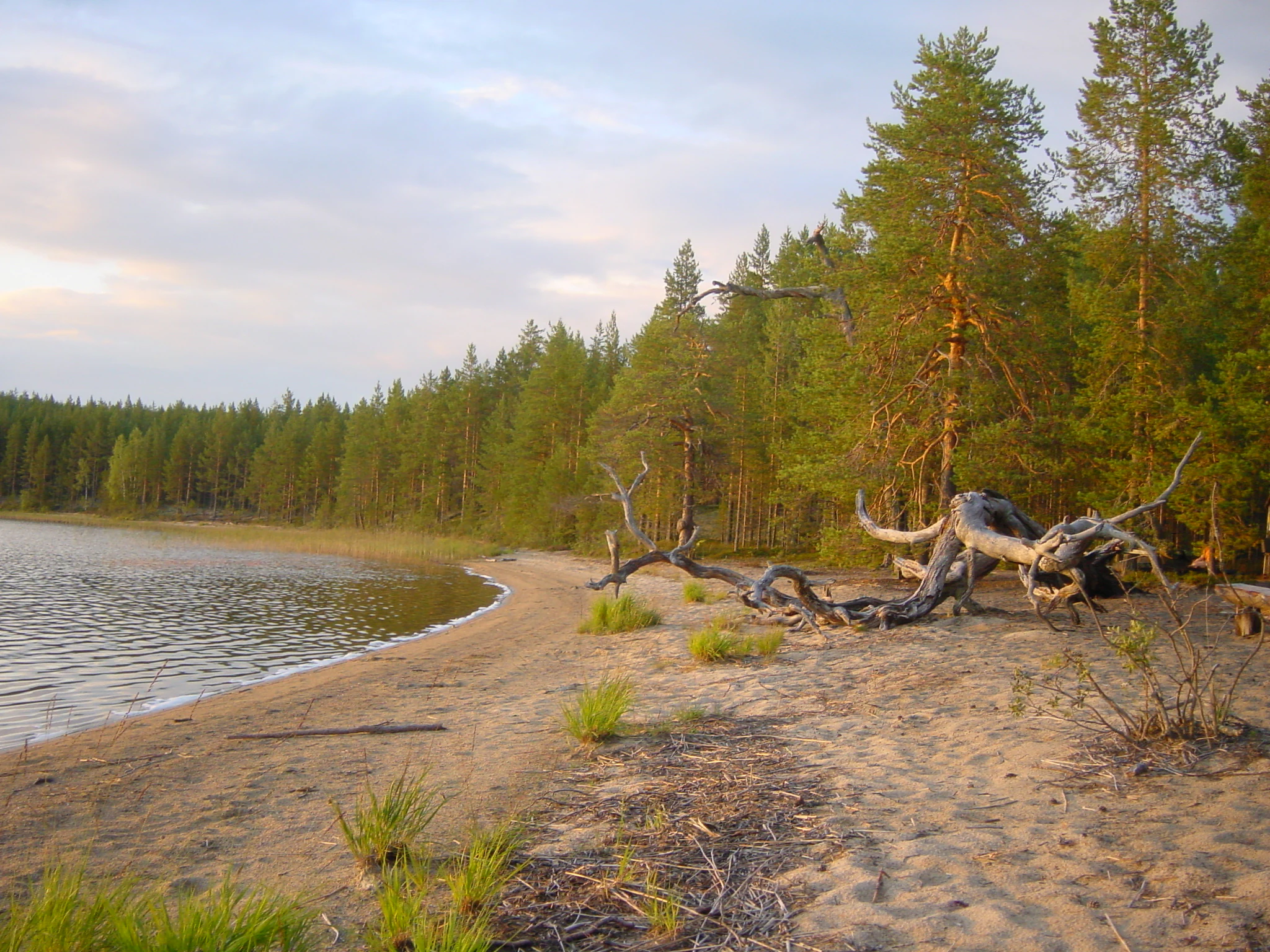
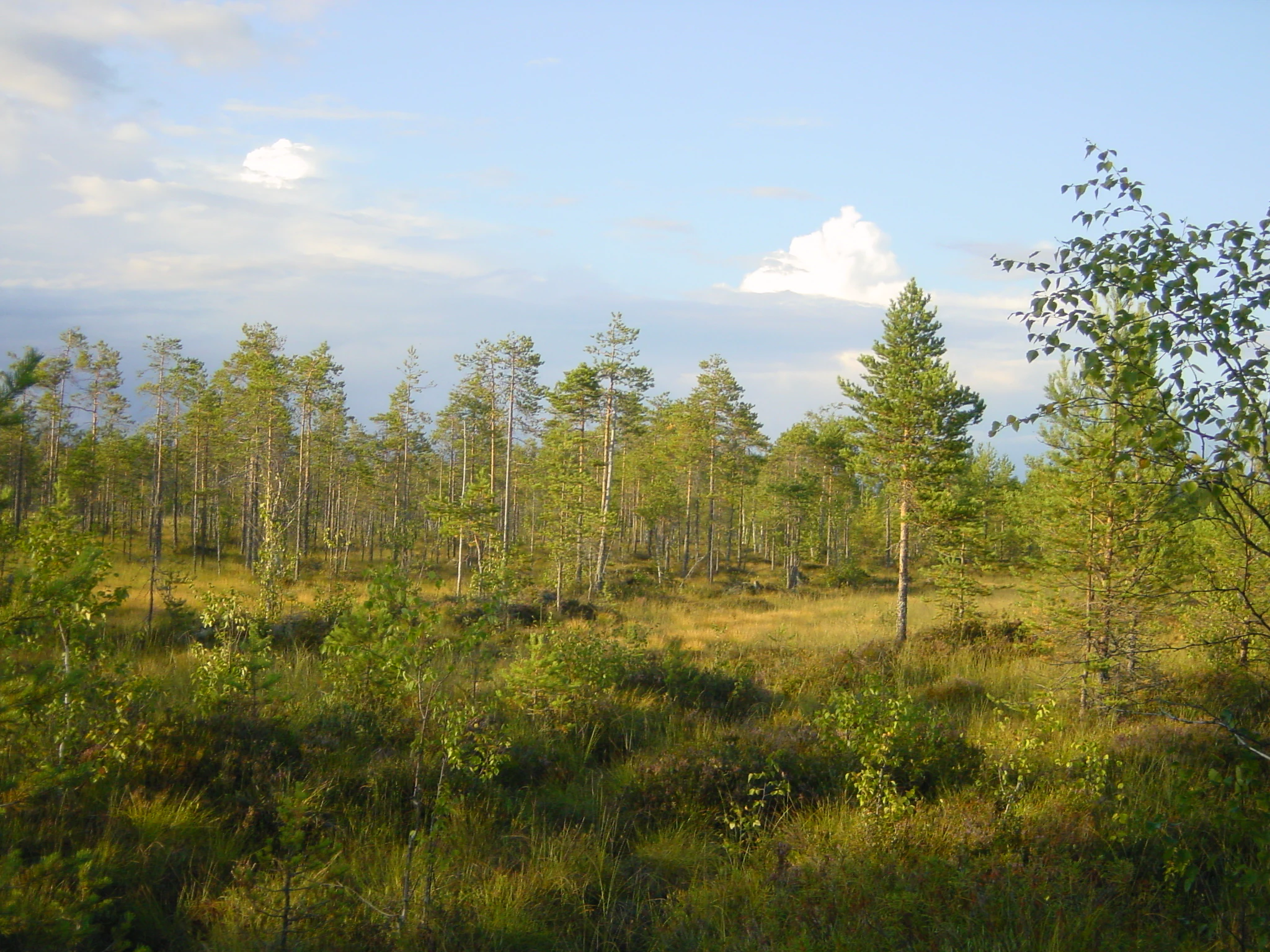
The landscape of Patvinsuo National Park is defined by the interplay of wetland and forest that characterizes much of eastern Finland. Peat bogs dominate the terrain, forming extensive, level expanses of wetland where the water table sits at or near the surface. These bogs support characteristic vegetation including sphagnum mosses, ericaceous shrubs, and scattered pines that tolerate the acidic, waterlogged conditions. Between the bog complexes, the terrain rises slightly to accommodate stands of coniferous forest dominated by Norway spruce and Scots pine. The old-growth sections of these forests contain trees of considerable age and size, with canopy structure that has developed without intensive modern management. In the northeastern part of the park, Suomujärvi lake breaks the continuity of wetland and forest, its open water providing a different habitat type and visual contrast within the park boundaries. The overall impression is one of wild, quiet beauty where the scale is intimate rather than dramatic, and the colours are muted greens, browns and grays typical of the boreal zone.
Patvinsuo National Park ecosystems, habitats, and plant life
The nature of Patvinsuo reflects the broader ecological character of the boreal forest zone that covers much of Finland. The park's habitats range from nutrient-poor peat bogs to more fertile forest floors on drier ground, creating a mosaic of environments that supports diverse plant communities. The bog ecosystems are particularly noteworthy, representing a habitat type that has been greatly reduced across Europe through drainage for agriculture and forestry. Within the park, these wetlands have been preserved intact, allowing natural processes to continue without significant human alteration. The forest habitats include both younger stands that have regenerated following historical land use and older sections that have persisted as old-growth. This variation in forest age and structure contributes to biodiversity by providing different microhabitats for plants, fungi and invertebrates. The presence of Suomujärvi adds a lacustrine dimension, supporting aquatic species and providing foraging areas for birds.
Patvinsuo National Park wildlife and species highlights
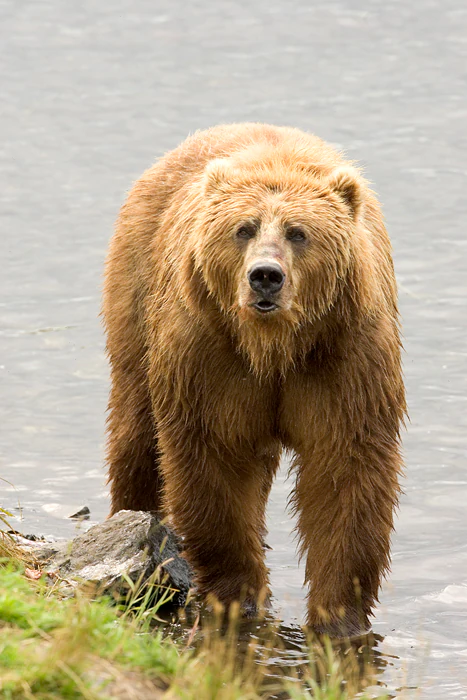
The wildlife of Patvinsuo National Park reflects the species assemblages typical of Finnish boreal forests and wetlands. The park's forests support populations of forest-dwelling birds including various tit species, warblers and woodpeckers adapted to living in coniferous environments. The open bogs provide habitat for species associated with wetland edges and open terrain, including certain grouse species and wading birds that breed in the bog margins. Mammals present in the park likely include species such as moose, which are common throughout Finnish forests, along with smaller mammals like squirrels and hares. The lake environment of Suomujärvi adds opportunities for waterfowl and fish, contributing to the overall biodiversity of the park. While specific species inventories are limited in the available source material, the park's diverse habitats create conditions that support a range of boreal wildlife.
Patvinsuo National Park conservation status and protection priorities
Patvinsuo National Park serves important conservation functions within Finland's protected areas network. The park preserves extensive bog ecosystems that are now rare across much of Europe, representing a habitat type that has been lost or degraded in many regions through drainage and peat extraction. By maintaining these wetlands in a natural state, the park protects the ecological processes that sustain bog ecosystems, including carbon storage in peat deposits and the specialized biodiversity they support. The old-growth forest within the park provides habitat for species associated with mature forest conditions, including various lichens, fungi and invertebrates that require long-unbroken forest continuity. The preservation of slash-and-burn areas within the park also holds conservation value, as these transitional environments support species that benefit from the historical disturbance regime while also serving as cultural landscape archives. As a Category II protected area under the IUCN system, the park is managed primarily for ecosystem conservation while also accommodating sustainable recreational use.
Patvinsuo National Park cultural meaning and human context
The cultural context of Patvinsuo National Park is rooted in the historical relationship between Finnish communities and the land in the eastern border regions. The areas of former slash-and-burn cultivation within the park represent a traditional agricultural practice that was once widespread across Finland but has largely disappeared as rural land use has shifted. These areas, where forest was cleared and cultivated before being allowed to return to woodland, illustrate how human communities historically worked within natural processes rather than against them. The park lies in North Karelia, a region with strong cultural identity including distinctive traditions in architecture, music and crafts. The landscape today reflects a period of transition from the active rural use of earlier centuries to a new relationship where the land is valued primarily for its ecological and scenic qualities rather than for production. This shift is embodied in the park's purpose of preserving natural environments while providing opportunities for recreation and environmental education.
Top sights and standout views in Patvinsuo National Park
Patvinsuo National Park offers visitors the opportunity to experience authentic Finnish bog landscapes, where vast wetland expanses create a sense of open, wild space beneath the northern sky. The old-growth forest areas provide a contrasting environment of dense canopy and ancient trees, offering a glimpse of the forest that covered this region before modern forestry. The network of 80 kilometres of marked trails allows visitors to explore these environments at their own pace, with options ranging from shorter walks to longer day-long hikes. Suomujärvi lake in the northeastern section offers a scenic destination and a change of scene from the dominant wetland and forest environments. The park's relative remoteness and modest visitor numbers contribute to a sense of solitude and wilderness that is increasingly rare in accessible European nature.
Best time to visit Patvinsuo National Park
The optimal time to visit Patvinsuo National Park is during the summer months of June through August, when Finland experiences its brief but pleasant warm season. During this period, the days are long, with extended daylight that allows for extended exploration of the trail network. The bog and forest environments are at their most accessible, with dry footing underfoot and vegetation in full growth. Summer also brings the best opportunities for wildlife observation, as birds are active and the forest floor is accessible. The winter months present a dramatically different character, with the landscape transformed by snow and ice, but access and comfort are significantly reduced for typical visitors. The shoulder seasons of spring and autumn offer intermediate conditions, though spring snowmelt may make trails wet and autumn weather can be variable.