Why Lambir Hills National Park stands out
Lambir Hills National Park is best known for its exceptional tree species diversity, which places it among the most botanically rich forests on Earth. The 52-hectare Forest Dynamics Plot established in 1991 by researchers from Sarawak Forest Department, Harvard University, and Osaka City University has documented more than 1,175 tree species, likely the highest diversity of any forest in the Old World. The park features the towering tapang tree (Koompassia excelsa), which can exceed 80 meters in height and attracts honey bees that build massive hives in its branches. It is also notable for the pitcher plant Nepenthes hispida, which is found nowhere else on Earth, and supports nearly 80 fig species. The park offers research infrastructure including tree towers, a canopy walkway, and a canopy crane that allow scientists to study the forest's vertical structure.
Lambir Hills National Park history and protected-area timeline
Lambir Hills National Park was established in 1975, designating the area as a protected national park under Malaysian law. The creation of the park came at a critical juncture in Sarawak's environmental history, as lowland forests across the state were increasingly subjected to logging pressure. By protecting this tract of forest, authorities ensured the preservation of an ecological system that would otherwise have been largely converted. The year 1991 marked a significant milestone in the park's scientific history when the Sarawak Forest Department partnered with the Center for Tropical Forest Science at Harvard University and the Plant Ecology Laboratory of Osaka City University, Japan, to establish the Lambir Hills Forest Dynamics Plot. This research initiative transformed the park into a major site for tropical forest ecology studies and contributed substantially to global understanding of forest dynamics and biodiversity patterns.
Lambir Hills National Park landscape and geographic character
The terrain of Lambir Hills National Park consists of undulating hills and valleys carved by natural watercourses, with elevations ranging from 150 meters in the lower areas to 465 meters at the summit of Bukit Lambir, the park's highest point. The landscape is characterized by dense forest cover that creates a layered canopy structure, with emergents rising above the general canopy level. Numerous streams traverse the park, feeding waterfalls and creating natural pools that have become popular visitor destinations. The Latak Waterfall, accessible via a popular trail, features a 25-meter drop into a large natural pool surrounded by steep rock walls. Other trails connect to additional waterfalls and bathing areas throughout the park. The forest floor is typically steep in places, with the trail to the summit requiring several hours of hiking and presenting challenges for less experienced visitors.
Lambir Hills National Park ecosystems, habitats, and plant life
The ecological character of Lambir Hills National Park is defined by its lowland dipterocarp forest, which represents the dominant vegetation type across most of the protected area. The Dipterocarpaceae family dominates the tree community, with species of Shorea and Dryobalanops forming the canopy backbone. This forest type supports extraordinarily high species diversity, with the Forest Dynamics Plot documenting over 1,175 tree species within just 52 hectares, a figure that appears to exceed any comparable forest in the Old World. The diversity extends beyond trees to include remarkable richness in figs, with approximately 80 Ficus species recorded. The park also supports specialized plant communities, including the kerangas heath forest on poorer soils and the remarkable ant-plant symbiosis involving several Macaranga species whose hollow stems house protective ant colonies. The endemic pitcher plant Nepenthes hispida is found only in this park and its immediate surroundings, representing a species of significant botanical interest.
Lambir Hills National Park wildlife and species highlights
The vertebrate fauna of Lambir Hills National Park includes 237 recorded bird species, 64 mammal species, 46 reptile species, and 20 frog species. However, recent surveys conducted between 2003 and 2007 revealed concerning population declines, with researchers failing to locate approximately 20 percent of previously recorded bird species and 22 percent of mammal species. The losses included half of the park's primate species and six of seven hornbill species, suggesting that even protected areas face significant pressure from hunting and habitat fragmentation. Large mammals such as gibbons and sun bear are now absent or very rare, likely due to the park's relatively small size and illegal hunting pressure. The invertebrate fauna includes the striking Rajah Brooke's Birdwing butterfly (Togronoptera brookiana) and more than 300 ant species, while leeches are notably rare in the park.
Lambir Hills National Park conservation status and protection priorities
Lambir Hills National Park represents a critical conservation stronghold as the last intact patch of lowland dipterocarp forest remaining in Sarawak. The park's designation as IUCN Category II reflects its status as a national park with primary protection objectives. Its significance extends beyond Sarawak, as the forest supports species populations that have been largely eliminated from logged and converted landscapes across Borneo. The Forest Dynamics Plot represents one of the most intensively studied tropical forest plots in the world, providing long-term data on tree growth, mortality, and population dynamics that inform conservation and forest management strategies. The park's high species diversity, including endemic and restricted-range species like Nepenthes hispida, adds to its conservation importance. However, the documented population declines in recent decades highlight the challenges facing even protected areas and underscore the need for effective anti-poaching measures and habitat management.
Lambir Hills National Park cultural meaning and human context
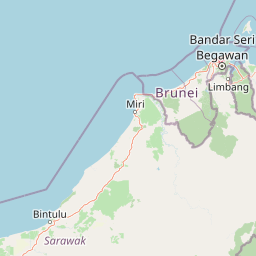
Lambir Hills National Park is located in the heart of Sarawak's oil palm and timber country, where the tension between economic development and forest conservation has shaped land use decisions for decades. The park's Malay name, Taman Negara Bukit Lambir, reflects its status within Malaysia's national park system. Indigenous communities in the broader region maintain traditional relationships with forest landscapes, though the park itself is managed primarily as a scientific and recreational resource. The park's proximity to Miri, approximately 40 minutes by road, makes it a day-trip destination for both local residents and tourists, and the visitor economy contributes to local community awareness of the park's value.
Top sights and standout views in Lambir Hills National Park
Lambir Hills National Park offers several standout features that distinguish it from other protected areas in Borneo. The world-record tree species diversity documented in the Forest Dynamics Plot makes it a pilgrimage site for tropical botanists and ecologists. The towering tapang trees, reaching heights exceeding 80 meters, create an impressive canopy landscape. The Latak Waterfall and its large bathing pool provide accessible natural beauty for general visitors. The network of hiking trails, ranging from short easy walks to challenging summit treks, accommodates various fitness levels. The research infrastructure, including tree towers, canopy walkway, and canopy crane, provides unique opportunities to experience the forest at multiple vertical levels. The park supports populations of hornbills, one of Borneo's most iconic bird groups, though their numbers have declined.
Best time to visit Lambir Hills National Park
The park can be visited throughout the year, given its location in the tropical rainforest zone of Borneo. The dry season typically offers more comfortable conditions for hiking, though rainfall occurs in all months. Weekends tend to be busier, especially as many visitors from Miri take day trips to the park. For those seeking a quieter experience, weekday visits may offer more solitude on the trails. The dry months from March to October generally provide better conditions for extended hikes and wildlife viewing, while the wetter months from November to February can still be enjoyed but may involve more challenging trail conditions.