
Mori Atlas logo
National parkLower Zambezi National Park

Discover the mapped boundaries and regional context of this national park in Lusaka Province.

Lower Zambezi National Park: Protected Landscape Geography and Map Exploration

Lower Zambezi National Park stands as a significant protected area within the geography of Lusaka Province, Zambia. This page offers a deep dive into its identity as a national park, detailing its mapped boundaries and its contribution to the regional landscape. Explore the geographic context that defines Lower Zambezi National Park, providing a structured view for atlas-based discovery and understanding its place within Zambia's protected lands.

National ParkZambezi RiverFloodplainWildlife ViewingUNESCO World Heritage SiteMiombo Woodland

Lower Zambezi National Park

National park

Park overview

Structured park overview, official facts, and landscape profile for Lower Zambezi National Park

Lower Zambezi National Park park facts, protected area profile, and essential visitor context
Review the core facts for Lower Zambezi National Park, including designation, size, terrain, visitor scale, habitats, and operating context in one park-focused overview.

About Lower Zambezi National Park

Lower Zambezi National Park represents one of Zambia's premier protected areas and one of the last truly undeveloped wilderness regions in Africa. The park's location on the north bank of the Zambezi River places it at the heart of a complex ecosystem that includes river channels, floodplain grasslands, woodland savannah, and mountainous escarpment terrain. The Zambezi River forms a natural boundary with Zimbabwe, where Mana Pools National Park occupies the opposite bank, creating a transboundary conservation area of significant ecological importance.

The park's history as a presidential game reserve from Zambian independence until 1983 provided decades of protection from commercial tourism pressures. This unique heritage helped preserve the area's wild character and allowed wildlife populations to maintain natural behaviors without the disturbance that affects more accessible parks. When the area was formally declared a national park in 1983, it retained much of its wilderness character that continues to define the visitor experience today.

The surrounding game management area extends the protected landscape beyond the park's formal boundaries, with no fences separating the national park from this larger wildland. This connectivity allows wildlife to follow seasonal patterns across a vast area and maintains ecological processes that require large spatial scales. The remote nature of the destination, accessible primarily by small aircraft to Jeki Airstrip, ensures that visitors experience genuine wilderness rather than developed tourism infrastructure.

Quick facts and research context for Lower Zambezi National Park

Lower Zambezi National Park occupies the northern bank of the Zambezi River in Lusaka Province, southeastern Zambia. The park was declared in 1983 after decades as a presidential game reserve, preserving its wild character. It forms a transboundary protected area with Mana Pools in Zimbabwe across the river. The landscape descends from the Zambezi Escarpment in the north down to the river floodplain in the south. The park contains two distinct woodland savannah ecoregions: Southern Miombo woodlands on higher ground and Zambezian Mopane woodlands on lower slopes. A larger game management area surrounds the park with no fences, allowing free movement of wildlife.

Park context

Deeper park guide and search-rich context for Lower Zambezi National Park

Lower Zambezi National Park history, landscape, wildlife, and travel context
Explore Lower Zambezi National Park through its history, landscape character, ecosystems, wildlife, conservation priorities, cultural context, and seasonal travel timing in a structured park guide built for atlas discovery and search intent.

Why Lower Zambezi National Park stands out

Lower Zambezi is renowned for its remote, uncrowded wilderness character and its exceptional floodplain ecosystem. The park is famous for its large elephant populations that congregate along the Zambezi River, as well as its diverse wildlife including buffalo, lion, leopard, and substantial hippo and crocodile populations in the river channels. The lack of paved roads and limited tourist infrastructure has preserved a genuine wilderness experience, making it distinctive among African parks. The contrast between the mountainous escarpment backdrop and the flat floodplain with its river channels and islands creates a visually striking landscape.

Lower Zambezi National Park history and protected-area timeline

Lower Zambezi National Park was established in 1983 when the former presidential game reserve was formally designated as a national park under Zambia's wildlife protection framework. Prior to this designation, the area had been protected for decades as the private hunting and wildlife viewing grounds of Zambia's head of state, providing effective conservation through presidential patronage rather than formal protected area legislation.

The transition to national park status formalized protection while opening the area to regulated tourism. However, the park's remote location and limited infrastructure have maintained its wilderness character. In recent years, the park has faced development pressures, including a 2011 proposal for copper mining within the park boundaries by Mwembeshi Resources Limited. The Kangaluwi Mine project received approval in 2014 with mining planned to begin in 2023, but regulatory authorities ordered a pause in May 2023 due to environmental condition violations. The controversy highlights ongoing tensions between conservation and resource extraction in Zambia's protected areas.

Lower Zambezi National Park landscape and geographic character

The physical landscape of Lower Zambezi National Park displays a distinctive topographic gradient from the Zambezi Escarpment in the north descending gradually southward toward the river floodplain. The escarpment provides a mountainous backdrop that rises sharply from the valley floor, creating dramatic scenery throughout the park. The floodplain itself features a complex pattern of river channels, islands, seasonal wetlands, and grassland patches that shift with the annual flood cycle.

The park encompasses two principal woodland savannah ecoregions determined by elevation and soil conditions. The Southern Miombo woodlands dominate higher ground in the northern portions of the park, characterized by miombo tree species adapted to higher rainfall zones. The Zambezian and Mopane woodlands occupy lower slopes and the southern reaches of the park, where mopane trees form distinctive stands. This vegetation transition creates visible ecological zonation across the landscape. The floodplain habitat at the river's edge supports different plant communities adapted to periodic flooding, creating a mosaic of habitats within the broader park landscape.

Lower Zambezi National Park ecosystems, habitats, and plant life

The ecological character of Lower Zambezi National Park reflects its position within the Zambezi River system and its variety of habitat types. The two woodland ecoregions, Miombo and Mopane, support distinct plant communities and associated wildlife assemblages. Miombo woodlands typically feature semi-deciduous trees and provide habitat for species adapted to denser woodland, while Mopane woodlands, dominated by the distinctive mopane tree, create more open canopy conditions favored by different wildlife species.

The floodplain ecosystem represents a critical component of the park's ecological value. The annual flood pulse from the Zambezi River drives productivity in the floodplain, creating seasonal wildlife concentrations as animals seek the nutritious new grass growth that follows flood recession. This dynamic system supports high densities of grazers and the predators that follow them. The river itself hosts significant populations of hippos and crocodiles, with the river channels and adjacent pools providing critical habitat for these large aquatic species.

Lower Zambezi National Park wildlife and species highlights

Lower Zambezi supports impressive populations of large mammals, with the floodplain serving as the primary concentration area for most species. African elephants roam the park in substantial numbers, with herds regularly observed moving between woodland areas and the river floodplain. Cape buffalo form large aggregations, while lion and leopard maintain predator populations throughout the park. The antelope family is well represented, with multiple species present including impala, kudu, and waterbuck.

The Zambezi River and its channels host significant populations of hippos and Nile crocodiles, both of which are major ecological influences in the aquatic ecosystem. The riverine environment also supports birdlife, with numerous species utilizing the floodplain and woodland habitats. Occasional sightings of Cape wild dogs add a particularly notable species to the predator community, as this endangered canid is rarely encountered in most African parks.

Lower Zambezi National Park conservation status and protection priorities

Lower Zambezi National Park forms part of a transboundary conservation landscape with Mana Pools National Park in Zimbabwe, collectively recognized as a UNESCO World Heritage Site. This international designation acknowledges the outstanding universal value of the region's ecosystems and the importance of maintaining large, connected wild areas. The park's designation as an IUCN Category II protected area reflects its management approach centered on ecosystem conservation and wilderness preservation.

The surrounding game management area extends conservation beyond official park boundaries, maintaining habitat connectivity for wide-ranging species. However, the park faces conservation challenges from development pressures, notably the proposed Kangaluwi copper mine. Conservation organizations have raised concerns about mining impacts on wildlife populations, the Zambezi River system, and the tourism industry that depends on the park's wilderness character. The 2023 regulatory pause on mining activities reflects ongoing tensions between extraction and conservation in this globally significant area.

Lower Zambezi National Park cultural meaning and human context

Lower Zambezi National Park exists within a region where human communities maintain traditional relationships with the landscape. The surrounding game management area supports local communities whose livelihoods include livestock keeping and small-scale agriculture. The park's designation as a protected area has shaped land use patterns, with the floodplain and woodland areas providing seasonal resources for surrounding populations. The Zambezi River itself holds cultural significance for communities along its banks, supporting fishing and transport traditions that predate formal protected area establishment.

Top sights and standout views in Lower Zambezi National Park

The Lower Zambezi experience centers on remote wilderness that few other African parks can match. The lack of paved roads and limited tourist infrastructure ensures a genuine sense of exploration, with visitors often having vast areas to themselves. Elephant viewing along the river floodplain ranks among the finest in Africa, with herds regularly encountered in large numbers. The dramatic backdrop of the Zambezi Escarpment provides stunning scenery whether viewed from the floodplain below or from higher vantage points. The transboundary designation with Mana Pools creates one of the largest protected wilderness areas on the continent, supporting natural processes that require extensive territory.

Best time to visit Lower Zambezi National Park

The optimal period for visiting Lower Zambezi National Park corresponds with the dry season, typically from May through October, when wildlife concentrations peak along the shrinking water sources of the floodplain. As the wet season concludes and temperatures moderate, animals increasingly congregate near the permanent water of the Zambezi River, improving viewing opportunities. The floodplain landscape transforms through the year, with the green season bringing new growth and different visual qualities, though wildlife viewing becomes more dispersed as water becomes available across the landscape.

Park location guide

Geography guide, regional context, and park location map for Lower Zambezi National Park

Lower Zambezi National Park park geography, regions, and map view in Zambia
Understand where Lower Zambezi National Park sits in Zambia through a broader geographic reading of the surrounding landscape, nearby location context, and its mapped position within the national park landscape.

How Lower Zambezi National Park fits into Zambia

Zambia is a landlocked nation in Southern Africa with a population of approximately 20 million people. The country is bordered by eight countries and features diverse geography ranging from the Zambezi River to vast plateaus. Lusaka serves as the capital and largest city, while the Copperbelt Province in the north drives much of the economy through copper mining.

Wider geography shaping Lower Zambezi National Park in Zambia

Zambia is located in Southern Africa and is landlocked, bordered by eight countries: Democratic Republic of the Congo to the north, Tanzania to the northeast, Malawi to the east, Mozambique to the southeast, Zimbabwe and Botswana to the south, Namibia to the southwest, and Angola to the west. The country features varied terrain including the Zambezi River plain in the south, plateaus in the central and northern regions, and the Muchinga Mountains in the northeast. Lake Tanganyika forms part of the northern border.

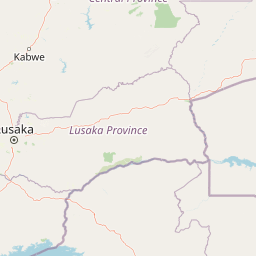
Map view of Lower Zambezi National Park

Use this park location map to pinpoint Lower Zambezi National Park in Zambia, understand its exact geographic position, and read its mapped placement within the surrounding landscape more clearly.

Pigeon | © OpenStreetMap contributors

Location context for Lower Zambezi National Park

Lusaka Province
Park atlas

Compare diverse protected landscapes and regional park geography across the broader Zambezi basin.

Discover Nearby National Parks and Protected Areas Surrounding Lower Zambezi National Park
After exploring Lower Zambezi National Park, browse other national parks and protected areas in its immediate vicinity and the wider Zambezi River region. Gain essential regional context by tracing mapped landscapes, comparing diverse protected areas, and understanding their ecological connections across borders.
National parkZimbabwe

Mana Pools National Park: Zimbabwe National Park Atlas and Protected Floodplain Landscapes

Explore a World Heritage protected area with iconic baobab forests.

Mana Pools National Park presents a profound example of a preserved African wilderness, recognized globally for its ecological integrity. As a UNESCO World Heritage Site, this protected landscape along the Zambezi River in Zimbabwe is defined by its four permanent pools, vast sandbanks, and distinctive forests. The park's geography supports exceptional wildlife congregations, particularly during the dry season, offering a unique atlas-level perspective on floodplain ecosystems and conservation value.

Area
2,196 km²
IUCN
II
Relief
Lowland
Scope
Terrestrial
National parkLusaka Province

Lusaka National Park: Protected Woodland Habitat and Geographic Context in Lusaka Province

Zambia's smallest national park, mapping natural terrain near the capital.

Lusaka National Park, Zambia's newest national park, offers a contained yet representative example of the woodland ecosystems found on the Lusaka plateau. This protected landscape, covering 6,715 hectares, is entirely fenced, creating a distinct conservation area within Lusaka Province. Its establishment over a former forest reserve highlights a unique approach to upgrading protected lands. Explore the park's mapped terrain and understand its significance as an accessible natural enclave amid regional development, providing a focused view of central Zambian woodland environments.

Area
67.15 km²
Established
2011
IUCN
II
Climate
Tropical
National parkSouth Africa

Blue Lagoon National Park: National Park Atlas and Mapped Wetland Geography

Discover the protected landscape and fauna of Zambia's Kafue Flats.

Blue Lagoon National Park is a critical protected area recognized for its unique wetland and floodplain environment within South Africa's extensive Kafue Flats system. Established in 1976, this national park offers significant opportunities for atlas-driven exploration of its mapped geography and protected landscape. Visitors can learn about the park's ecological significance, its characteristic terrain of lagoons and marshes, and its importance as a sanctuary for endemic wildlife and diverse bird species, contributing valuable context to the broader regional atlas.

Area
500 km²
Established
1976
IUCN
II
Relief
Lowland
National parkTete Province

Magoe National Park: A National Park in Tete Province for Geographic and Landscape Exploration

Discover the mapped boundaries and regional geography of this protected area.

Magoe National Park serves as a crucial national park within Tete Province, providing a defined space for exploring regional geography and landscape features. This entry focuses on understanding the park's protected status and its mapped territories, offering valuable context for atlas and geographic research. Examine its location and boundaries to appreciate its role as a protected natural landscape within Mozambique.

Area
3,559 km²
Established
2013
Scope
Terrestrial
Water
Major water bodies
National parkZimbabwe

Chizarira National Park: Zimbabwe's Remote Protected Landscape on the Zambezi Escarpment

Explore rugged mountains, deep gorges, and unique woodland ecosystems.

Chizarira National Park offers an unparalleled exploration of wilderness and dramatic geography within Zimbabwe. Situated along the imposing Zambezi Escarpment, its landscape is characterized by a 600-meter drop, rugged mountains, and deep river gorges carved by perennial streams. This protected area, known for its remote appeal and rich leopard populations, provides a distinct view of miombo and mopane woodlands, contributing to its unique ecological identity within the regional geography.

Area
2,000 km²
Established
1975
IUCN
II
Relief
Mountain
National parkCentral Province

Kasanka National Park: National Park, Central Province, Zambia - Atlas and Geography

Explore protected landscape boundaries and regional context

Kasanka National Park is a vital protected area situated in Zambia's Central Province. This entry provides detailed geographic context, focusing on its mapped boundaries and its significance as a national park within the larger atlas of protected lands. Users can explore the terrain and natural landscape characteristics that define this specific conservation area and its regional setting.

Area
390 km²
IUCN
II
Relief
Lowland
Scope
Terrestrial
National parkZambia

South Luangwa National Park: Zambia's National Park Geographic Atlas and Protected Landscape

Explore mapped boundaries and regional context within this Zambian protected area.

South Luangwa National Park represents a vital national park within Zambia, offering a distinct focal point for atlas-based geographic exploration. This dedicated entry details the park's mapped area and its integration into the surrounding Zambian geography. Users seeking to understand protected landscapes, regional park distributions, and natural terrain context will find South Luangwa National Park a key reference for detailed mapping and landscape analysis.

Area
9,050 km²
Established
1972
IUCN
II
Relief
Mixed relief
National parkMuchinga Province

Lavushi Manda National Park: Zambian National Park with Mapped Protected Boundaries

Discover its regional geography and landscape context.

Lavushi Manda National Park represents a distinct protected landscape within Muchinga Province, Zambia. This page provides detailed insights into its geographic identity, mapped park boundaries, and its placement within the broader regional terrain. Utilize this resource for structured atlas exploration of the park's natural context and its significance as a conservation area, offering a foundation for understanding its environmental setting.

Area
1,500 km²
Established
1972
IUCN
II
Relief
Mixed relief

Common questions about visiting, size, designation, and location context for Lower Zambezi National Park

Lower Zambezi National Park FAQs for park facts, access, geography, and protected area context
Find quick answers about Lower Zambezi National Park, including protected-area facts, park geography, trail and visitor context, and how the park fits into its surrounding country and regional landscape.
MoriAtlas Explorer

Continue Your Protected Areas Search Across the Global Atlas

Deepen your exploration by continuing the structured search for national parks and protected areas worldwide. Utilize the comprehensive filtering capabilities to compare different conservation landscapes and refine your understanding of global park geography. Discover more about the distribution and characteristics of protected natural areas.

Global natural geography