Why Mount Remarkable National Park stands out
Mount Remarkable National Park is best known for its dramatic mountain landscapes in the southern Flinders Ranges and its remarkable ecological position at the intersection of Australia's arid and temperate biomes. The park protects the distinctive Mount Remarkable peak at 960 metres and features significant geological formations including Alligator Gorge and the Mambray Creek valley. It is renowned for its remarkable biodiversity, hosting 117 native bird species including wedge-tailed eagles and Australian ringnecks, as well as a unique mixture of vegetation types including sugar gum forests, various box eucalypts, and the southernmost occurrences of many plant species more typical of the Great Dividing Range.
Mount Remarkable National Park history and protected-area timeline
The protected area history of Mount Remarkable dates to 1952 when land associated with Mambray Creek and Alligator Gorge first obtained protected status as "national pleasure resorts" under the National Pleasure Resorts Act 1914. These early protected areas were managed by the South Australian Government Tourist Bureau from 1952 until 1967. In 1964, the National Parks Commission submitted a proposal to the South Australian Government for establishing "comprehensive national parks" covering larger areas than the existing national pleasure resorts. This initiative led to the creation of three separate wildlife reserves: the Alligator Gorge Wildlife Reserve (constituted in July 1965), the Mambray Creek Wildlife Reserve (September 1967), and the Mount Remarkable Wildlife Reserve (March 1966). In 1972, these three wildlife reserves were re-proclaimed under the National Parks and Wildlife Act 1972 as the Mount Remarkable National Park. Between 1972 and 1993, the park doubled in size from 8,236 hectares through the addition of land including the Black Range Lookout and the Bluff in 1976, and subsequently through the addition of an area west of Alligator Gorge containing The Battery, two parts of the Willowie Forest Reserve, and the Napperby Block in 1993. In 2000, further land was added and named The Warren Bonython Link in honour of Warren Bonython's long personal interest in the area and his association with the National Parks Foundation. On 26 November 2021, the Napperby Block was separated from the park and combined with several conservation parks to create the new Wapma Thura–Southern Flinders Ranges National Park.
Mount Remarkable National Park landscape and geographic character
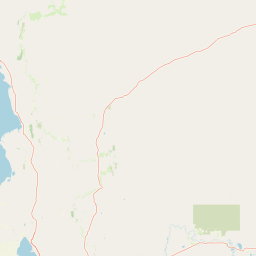
The landscape of Mount Remarkable National Park is characterised by rugged mountain terrain in the southern Flinders Ranges, featuring dramatic relief and varied topography. The park's centrepiece, Mount Remarkable, rises to 960 metres above sea level and forms a prominent peak visible across the surrounding plains. The terrain includes deep rocky gorges such as Alligator Gorge, where ancient geological formations create imposing cliff walls and narrow passages. The Mambray Creek area features more undulating terrain with creek lines cutting through the landscape. Rocky ridges and outcrops are common throughout the park, interspersed with forested slopes and open woodland areas. The landscape reflects the geological history of the Flinders Ranges, which represent the eroded remnants of ancient mountain ranges that once dominated this part of Australia. The combination of elevation changes, rocky terrain, and vegetation creates a landscape of considerable scenic value, with views from the higher points offering panoramic perspectives across the southern Flinders and surrounding pastoral countryside.
Mount Remarkable National Park ecosystems, habitats, and plant life
Mount Remarkable National Park occupies a critical ecological position as a transition zone between Australia's arid interior and the temperate environments of the southeast. This geographic location creates a unique biodiversity hotspot where species from semi-arid eastern and western Australia meet and overlap. The park features a distinctive mixture of arid and temperate flora, with temperate tree species common in the Great Dividing Range such as white box, long-leaved box, grey box, and South Australian blue gum reaching their most northerly expressions in the park. The sugar gum, a forest-forming eucalypt that represents a relict tree of wetter times in South Australia's history, forms significant woodland in the park. The Flinders Ranges variety of sugar gum is Eucalyptus cladocalyx petila, capable of growing to 40 metres tall and forming the most northerly biome of open forest in South Australia. Other significant plant species include rusty pods, a bush with purple pea flowers that is otherwise found only in the higher parts of the Great Dividing Range and occurs commonly along the Mount Remarkable Range with outliers in Wirrabara forest, Mount Brown and Mount Aleck.
Mount Remarkable National Park wildlife and species highlights
Mount Remarkable National Park supports a rich fauna community with 117 native bird species recorded within its boundaries. Notable bird species include the Australian ringneck and the wedge-tailed eagle, one of Australia's largest birds of prey. The park also provides habitat for a variety of reptiles, mammals and other birds including goannas, emus, echidna and kookaburras. This diversity of wildlife reflects the park's ecological significance as a mixing zone between different biomes, allowing species from various environmental backgrounds to coexist. The combination of forested areas, rocky outcrops, and open woodland provides varied habitat types supporting different wildlife communities. The presence of emus, Australia's largest native bird, indicates the park's position in a landscape that retains relatively natural vegetation cover and ecological connectivity.
Mount Remarkable National Park conservation status and protection priorities
Mount Remarkable National Park represents an important conservation outcome in South Australia's protected area network, established to protect the significant natural and scenic values of the southern Flinders Ranges. The park is classified as an IUCN Category VI protected area, reflecting its management approach that allows for sustainable use of natural resources while maintaining conservation values. The park's conservation significance is enhanced by its role as a biodiversity hotspot at the crossroads of Australia's major ecological zones, protecting unique assemblages of species that occur nowhere else. The protection of the sugar gum forests and the various box eucalypt communities represents preservation of vegetation types that have contracted from their historical range due to climate changes and land clearing. The park's history of expansion through land additions demonstrates ongoing commitment to protecting additional significant habitat areas and connecting conservation outcomes across the landscape.
Mount Remarkable National Park cultural meaning and human context
The Mount Remarkable area has historical significance dating to European exploration and settlement of the Flinders Ranges region. The town of Melrose, established nearby, represents one of the earliest settlements in the northern Flinders Ranges. The use of Mambray Creek and Alligator Gorge as "national pleasure resorts" from 1952 reflects early recognition of the area's scenic and recreational value. The landscape has been shaped by both natural processes and human activity over the period of European settlement, with the park incorporating former forest reserve lands. The park's name derives from Mount Remarkable, the prominent peak that has served as a landmark in the region. The more recent establishment of the Wapma Thura–Southern Flinders Ranges National Park, which absorbed the former Napperby Block, reflects evolving approaches to conservation planning in the Flinders Ranges region.
Top sights and standout views in Mount Remarkable National Park
The standout features of Mount Remarkable National Park include the dramatic 960-metre peak of Mount Remarkable offering panoramic views, the deep impressive gorge of Alligator Gorge, and the scenic Mambray Creek valley with its walking trails. The park's exceptional biodiversity, with 117 native bird species and unique mixing of arid and temperate flora, makes it a significant ecological destination. The sugar gum forests represent some of the most northerly open forest in South Australia, while the presence of species like rusty pods normally found only in the Great Dividing Range demonstrates the park's biogeographical importance. The network of walking trails, including the Daveys Gully walking trail with its panoramic views, provides opportunities to experience the park's varied landscapes and wildlife.
Best time to visit Mount Remarkable National Park
The cooler months from late autumn through winter to early spring, typically May to October, generally offer the most comfortable conditions for exploring Mount Remarkable National Park. During these seasons, daytime temperatures are more moderate and suitable for walking and outdoor activities, while the park's landscapes showcase the characteristic vegetation of the region. Winter and early spring can bring wildflower displays in some years, adding colour to the landscape. Summer months can be very hot in this part of South Australia, making comfortable outdoor activity more challenging. The park can be visited year-round, but visitors should be prepared for variable conditions and should check current conditions before traveling.