Why Nouabalé-Ndoki National Park stands out
Nouabalé-Ndoki National Park is renowned for harboring what may be the largest concentration of wildlife in Africa. The park protects critical populations of western lowland gorillas, including approximately 180 individuals in the Mbeli Bai clearing alone, along with eastern subspecies chimpanzees and forest elephants. The Mbeli Bai, a specific 3-square-kilometer cleared area within the park, represents one of the most important gorilla viewing locations in Central Africa. The park also features exceptional primate diversity with nine monkey species achieving population densities of 50 per square kilometer. The forest's 24 distinct vegetation types, dominated by Gilbertiodendron dewevrei trees, support over 1,000 plant and tree species and more than 300 bird species, earning the park recognition as an Important Bird Area by BirdLife International.
Nouabalé-Ndoki National Park history and protected-area timeline
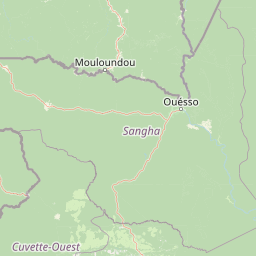
The establishment of Nouabalé-Ndoki National Park emerged from growing recognition during the 1980s that the region's free-roaming wildlife, particularly elephants migrating across the tri-border area, faced existential threats from poaching and expanding industrial logging. The Wildlife Conservation Society initiated planning in 1991, working with the Congolese government and supported by USAID, to create a transboundary protected area that would protect wildlife corridors spanning what is now three countries. The park was formally established in September 1993, covering 3,921.69 square kilometers between the Sangha and Likouala Departments. A pivotal moment came in 1999 when the Congolaise Industrielle du Bois timber company and local communities joined with WCS and the government to create mechanisms minimizing logging impacts on the park. In 2001, the Gouloago triangle, a 100-square-kilometer portion of a neighboring logging concession, was annexed to the park after the German logging firm surrendered its rights. This expansion cemented the park's status as a contiguous wilderness area free of commercial timber extraction. In 2012, Nouabalé-Ndoki, along with Dzanga-Ndoki National Park in the Central African Republic and Lobéké National Park in Cameroon, received World Heritage Site status as the Sangha Trinational, recognizing the outstanding universal value of this transboundary forest ecosystem.
Nouabalé-Ndoki National Park landscape and geographic character
Nouabalé-Ndoki National Park encompasses a vast expanse of lowland tropical rainforest within the Congo River drainage basin. The terrain is characterized by flat to gently undulating swampy lowlands, with the landscape carved by the Sangha River and its tributaries flowing through the park. The forest displays remarkable structural diversity, with 24 distinct vegetation types including upland forests dominated by Gilbertiodendron dewevrei, mixed forests, and extensive swamp forests. The park contains numerous "bais"—natural forest clearings or glades—that represent distinctive landscape features where forest canopy gives way to herbaceous vegetation. These bais create critical habitat heterogeneity within the predominantly closed-canopy forest. The absence of roads within the park and low human population density in the surrounding region has ensured that this landscape remains one of the most ecologically intact in Central Africa, with parts of the forest still inaccessible and unexplored.
Nouabalé-Ndoki National Park ecosystems, habitats, and plant life
The ecological significance of Nouabalé-Ndoki derives from its representation of pristine Congo Basin tropical rainforest at a scale that supports viable populations of keystone species. The forest's 24 vegetation types create diverse habitats from swamp forests in riparian zones to drier upland areas, supporting extraordinary biodiversity including over 1,000 plant and tree species. The dominant Gilbertiodendron dewevrei forests produce supra-annual seed crops that constitute a critical food resource for large mammals including gorillas, elephants, and duikers. The park's designation as a Ramsar Wetland in 2009 recognizes its importance in protecting hydrological functions and wetland habitats within the broader Congo Basin. As part of the Sangha River Tri-National Protected Area, the park contributes to maintaining ecological connectivity across a forest landscape spanning three countries, enabling seasonal animal movements and genetic exchange between populations.
Nouabalé-Ndoki National Park wildlife and species highlights
Nouabalé-Ndoki National Park supports extraordinary wildlife diversity, with the National Geographic Society noting that it may contain the largest concentration of wildlife in Africa. The park's primate community is particularly remarkable, with western lowland gorillas and eastern chimpanzees representing flagship species. The Mbeli Bai clearing alone hosts approximately 180 western lowland gorillas, providing one of the few places where these endangered apes can be reliably observed in the wild. Nine monkey species achieve population densities of 50 individuals per square kilometer, including black-and-white colobus, red colobus, moustached guenon, crowned guenon, and grey-cheeked mangabeys. Forest elephants, a distinct species from their savanna counterparts, move through the forest creating cleared pathways that benefit other wildlife. Additional notable species include forest buffalo, leopard, bongo, and blue duiker. The park's avifauna exceeds 300 species, including eagles, hawks, owls, vultures, herons, and parrots, earning Important Bird Area status. Herpetofaunal surveys have recorded at least 20 amphibian and 14 reptile species in the park's southern edge.
Nouabalé-Ndoki National Park conservation status and protection priorities
Nouabalé-Ndoki National Park represents a flagship conservation success story in Central Africa, benefiting from sustained international support and innovative management structures. The park's protection framework operates through Fondation Nouabalé-Ndoki, established under a 2013 public-private partnership between the Republic of the Congo government and the Wildlife Conservation Society. Eco-guards under the supervision of the Ministry of Forestry Economy and the Environment conduct anti-poaching patrols, while the Ba'Aka indigenous community contributes traditional ecological knowledge to conservation efforts. As part of the Sangha Trinational World Heritage Site, the park benefits from coordinated transboundary management with neighboring protected areas in Cameroon and the Central African Republic, including joint patrols targeting poaching, ivory smuggling, and unauthorized resource extraction. Financial support from USAID, the U.S. Fish and Wildlife Service, Columbus Zoo, and the MacArthur Foundation has funded research and infrastructure. A dedicated trust fund provides long-term financial sustainability. The park's success in remaining free of commercial logging, despite surrounding concessions, demonstrates the effectiveness of the conservation model.
Nouabalé-Ndoki National Park cultural meaning and human context
The Nouabalé-Ndoki landscape has been inhabited by the Ba'Aka people, who traditionally hunted and gathered within the forest region. The park's establishment and management have involved engagement with these local communities, recognizing their role as stewards of the forest ecosystem. The Ba'Aka provide local knowledge inputs to support sustainable preservation efforts, drawing on generations of ecological understanding of the forest's flora and fauna. While the park itself contains no permanent human population, the surrounding areas have low population density relative to the sub-region, and traditional land use patterns continue in designated seasonal zones adjacent to the protected area.
Top sights and standout views in Nouabalé-Ndoki National Park
Nouabalé-Ndoki protects what may be Africa's most concentrated wildlife population within a pristine 3,921-square-kilometer expanse of Congo Basin rainforest. The Mbeli Bai clearing offers exceptional opportunities to observe western lowland gorillas in their natural habitat, with approximately 180 individuals regularly using this area. The park forms the core of the Sangha Trinational, a UNESCO World Heritage Site spanning three Central African countries. Twenty-four forest vegetation types support over 1,000 plant species, while more than 300 bird species and diverse mammals including forest elephants, chimpanzees, and leopards thrive in this protected landscape. The park's successful exclusion of commercial logging despite surrounding concessions demonstrates the effectiveness of public-private conservation partnerships.
Best time to visit Nouabalé-Ndoki National Park
The park experiences a humid tropical climate with approximately 125 centimeters of annual rainfall. The wet season from August to November brings heavier precipitation and higher water levels in rivers and swamps, which can affect accessibility within certain areas. The dry season from December to February typically offers more comfortable conditions for wildlife viewing, with reduced vegetation density making animals easier to observe. However, the park's remote location and the requirement for organized group tours through professional wildlife operators mean that visits are conducted year-round under professional guidance. The timing of visits should be arranged through established conservation tourism operators who coordinate with park management.