Why Nyika National Park stands out
Nyika National Park is best known for its dramatic highland setting on the Nyika Plateau, offering sweeping views across one of Zambia's most elevated and scenic landscapes. The park is renowned for its seasonal wildflower displays, particularly from September through April when the grasslands come alive with a diverse array of blooms. The plateau environment, with its distinctive combination of open grassland and montane forest patches, represents one of only two examples of the Southern Rift montane forest-grassland mosaic ecoregion found in Zambia, making it ecologically significant despite its relatively small area.
Nyika National Park history and protected-area timeline
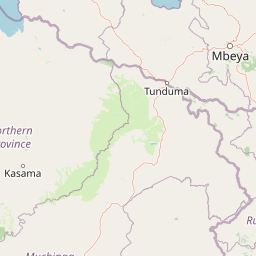
The Nyika Plateau was first protected as a unified reserve during the colonial period when both Zambia and Malawi were under British administration. This cross-border approach to conservation reflected the natural geography of the plateau, which spans the emerging international boundary without regard for the colonial borders being drawn beneath it. Following independence in the 1960s, the reserve was divided between the two newly sovereign nations, with the larger and more developed portion becoming Nyika National Park in Malawi, while the Zambian side retained the same name but on a significantly reduced footprint. The only built infrastructure in the Zambian park is a colonial-era resthouse constructed around 1946, which served for decades as the sole accommodation available in either park. After closing in 1998, the building was refurbished by a private operator and reopened in 2006 as Nyika House, now catering exclusively to pre-booked tour groups. The park's access arrangements remain unique, with the only road into the plateau traversing Malawi, meaning Zambian visitors must cross into neighbouring country to reach their own national park.
Nyika National Park landscape and geographic character
The landscape of Nyika National Park is defined by its position on the Nyika Plateau, a broad, elevated tableland that rises to over 2,000 metres above sea level in places. The terrain consists largely of rolling grassland interspersed with rocky granite outcrops that break the skyline and provide sheltered microhabitats for specialised vegetation. Patches of montane forest occur in the deeper valleys and on shaded slopes, creating a varied mosaic of open and wooded areas. The plateau edge offers dramatic views over the surrounding lower-lying country, with the landscape character changing noticeably as one descends from the highland core. Drainage patterns on the Zambian side feed into streams that ultimately flow toward the Luangwa River system, connecting the plateau environment to broader watershed networks in the region.
Nyika National Park ecosystems, habitats, and plant life
The nature of Nyika National Park is distinguished by its representation of the Southern Rift montane forest-grassland mosaic, an ecoregion that occurs in Zambia only here and in a smaller highland area to the north. This ecological designation reflects the unique combination of elevation, climate, and substrate that characterises the plateau, creating conditions that support plant and animal communities more typical of East African highlands than of the Zambian lowlands. The grasslands support a diverse range of wildflower species that bloom seasonally, while the forest patches contain tree species adapted to the cooler, moister conditions of the highland environment. The park's position on the plateau edge means it sits at an ecological transition zone, with species from both higher and lower elevations potentially occurring within its boundaries.
Nyika National Park wildlife and species highlights
The wildlife of Nyika National Park is characteristic of highland grassland and forest edge habitats in this part of southern Africa. Antelope species including reedbuck and duiker are present in the grassland areas, while the forest patches provide habitat for various small mammal species and a diversity of birdlife. The plateau is known for its populations of zebra and eland, which move across the open grasslands in small herds. The seasonal wildflower displays attract numerous insect species, contributing to the overall biodiversity of the park. While the Zambian side has not been the subject of detailed wildlife surveys comparable to those conducted in the Malawian park, the contiguous nature of the plateau means that many species are shared across the international boundary.
Nyika National Park conservation status and protection priorities
Nyika National Park serves as a critical conservation anchor for one of Zambia's rarest ecoregions. The Southern Rift montane forest-grassland mosaic is poorly represented within Zambia's protected area network, making the park's inclusion of this habitat type significant for national biodiversity conservation. The highland environment supports species with limited distributions, and the relatively intact condition of the plateau grassland adds to the conservation value. The transboundary nature of the broader plateau ecosystem, while now divided between two national parks, still functions ecologically as a single unit, and the Zambian portion plays an essential role in maintaining the integrity of this highland landscape. The low-intensity tourism model employed on the Zambian side, centred on the exclusive-use Nyika House, further supports conservation by limiting visitor impacts while generating economic value that motivates continued protection.
Nyika National Park cultural meaning and human context
The cultural context of Nyika National Park is shaped by its colonial origins and its cross-border geography. The plateau was historically inhabited by various local communities whose traditional land uses contributed to the open grassland character of the landscape through controlled burning and pastoralism. During the colonial period, the area wasset aside for protection, and the establishment of the resthouse reflects the administrative priorities of the time. Today, the park's location on an international boundary adds a distinctive dimension to the visitor experience, as travel to the Zambian park necessarily involves crossing into Malawi. This unusual arrangement reflects the artificial nature of the border relative to the natural unity of the plateau landscape and creates a practical situation where the two national parks function as a single tourism destination despite their separate national identities.
Top sights and standout views in Nyika National Park
The defining highlights of Nyika National Park include its spectacular highland setting with panoramic views across the plateau, the spectacular wildflower season from September to April when the grasslands burst into colour, and the sense of remote wilderness that comes from its limited development and challenging access. The refurbished Nyika House provides comfortable accommodation in a historic building, offering a base for exploring the plateau on foot or by vehicle. The park's role as a refuge for the Southern Rift montane forest-grassland mosaic ecoregion within Zambia gives it ecological significance that belies its modest size, while the transboundary connection to the larger Malawian park creates opportunities for visitors to experience a broader cross-border wilderness destination.
Best time to visit Nyika National Park
The optimal time to visit Nyika National Park coincides with the dry season from May to October, when the weather is generally clear and wildlife viewing is easier as vegetation is less dense. However, the period from September to April is particularly notable for the wildflower displays that transform the plateau grasslands, with September often marking the beginning of this spectacular season as the first rains stimulate flowering. The wet season from November to April brings lusher green landscapes and more abundant birdlife, though some roads may become difficult to traverse. Temperature on the plateau can be cool, especially during the dry winter months from May to August, so warm clothing is advisable for early morning game drives. The choice of when to visit ultimately depends on whether the primary interest lies in wildflower appreciation or classic wildlife viewing, with each season offering a distinct character to the park.